


17 min read


Finding the Right Tuxedo Color for Your Next Big Event
You have an invitation that says "black tie," a prom date who already bought her dress, or a wedding where you're standing at the altar, and now you need to decide exactly which tuxedo color will look right. Not just "black," but which shade, which subtle variation, and whether you can pull off anything beyond the obvious choice. That's the real question you searched for, and it's a good one.
Getting the color right is less about rules and more about matching the specific moment, the season, the venue, the lighting, and what makes you feel confident. The right pick keeps you comfortable, appropriate, and memorable for the right reasons.
Contents
- Black is the timeless standard, safe for any formal evening occasion, but not always the best option for daytime or outdoor settings.
- Midnight blue reads as richer than black under artificial light and photographs with a depth that many grooms prefer.
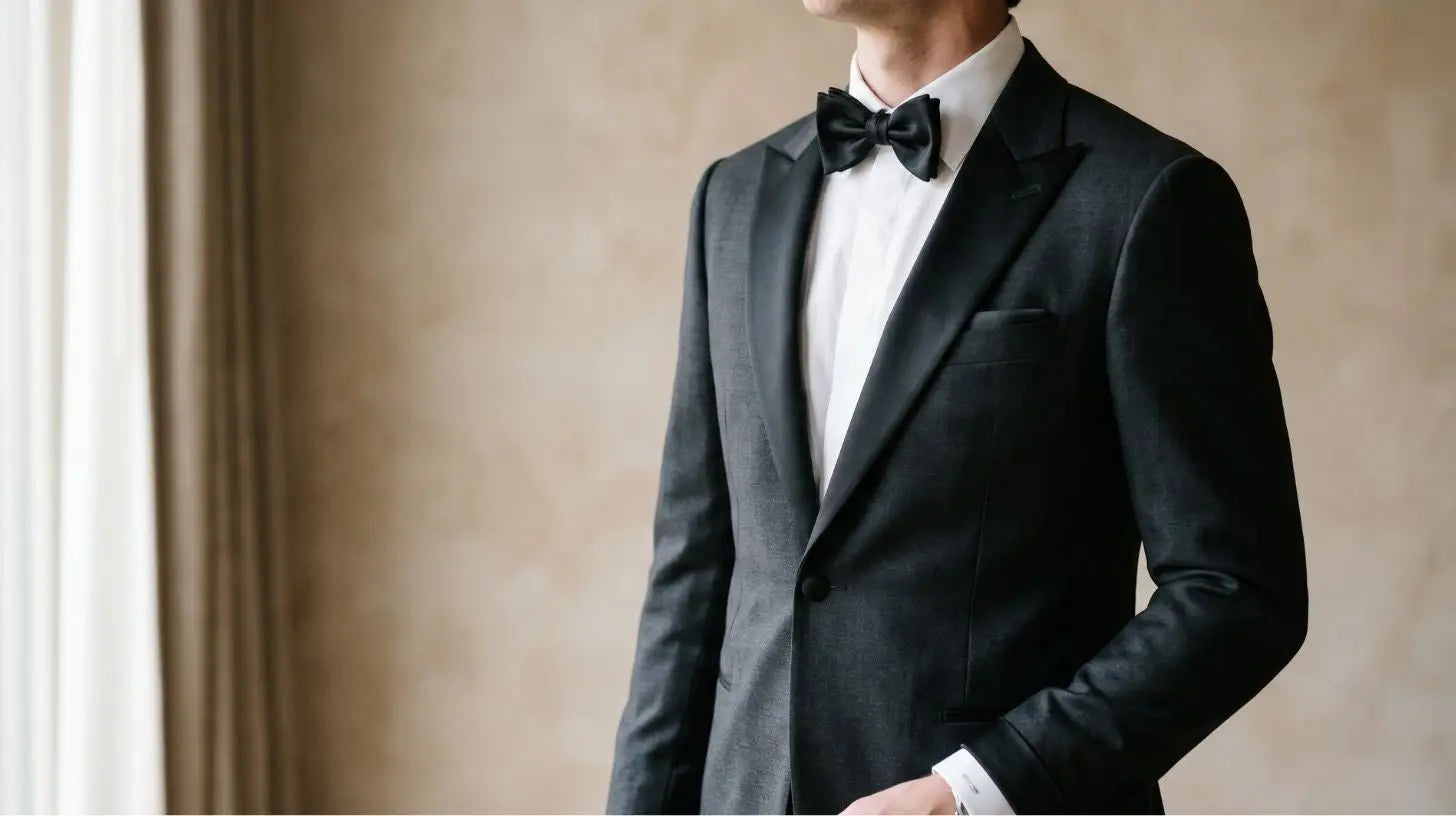
- Charcoal gray replaces black when you want a modern look without breaking formality, ideal for a stylish groom or guest.
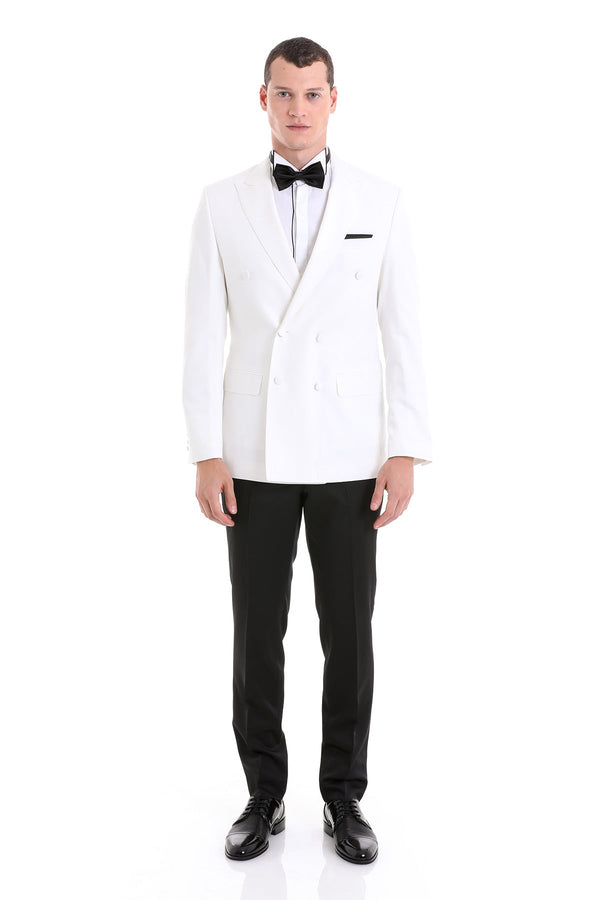
- White and ivory dinner jackets belong outdoors, in summer, and at tropical weddings, never at a standard evening black-tie gala unless the invitation explicitly allows it.
- Burgundy or deep oxblood makes a statement at creative black-tie events but can severely limit re-wear opportunities.
- Your tuxedo color should harmonize with your date's outfit or the wedding palette, coordinate early so you aren't mismatched in photos.
- Fabric finish changes how a color behaves, a midnight blue mohair tuxedo catches light differently than a matte wool one.
If you're a groom, a prom attendee, a wedding guest facing a formal dress code, or simply someone who wants to buy a tuxedo once and wear it well for years, this guide is built for how you actually live. After reading, you'll be able to pick a tuxedo color with total clarity, for the invitation in your hand and the ones still to come.
Why the Color of Your Tuxedo Can Make or Break the Occasion
Show up in the wrong tuxedo color and the mistake follows you through every photo, every introduction, and every memory of the day. A shade that feels bold in the fitting room can read as careless under ballroom chandeliers, while a safe-but-wrong black tuxedo at a garden wedding can make you look like you got lost on the way to the opera. The stakes are real, but they're also easy to navigate once you understand what each color actually says in a specific setting.
- You're the groom and your tuxedo clashes with the bridal party. A dusty blue tuxedo next to champagne bridesmaid dresses can photograph as a color clash that pulls focus. Fix: choose a neutral foundation (midnight blue, charcoal, or classic black) and let accessories carry the wedding color.
- You're attending a summer outdoor ceremony in a dark wool tuxedo. You'll overheat and look heavier than you are under full sun. Fix: opt for a lighter tuxedo tone in an open-weave fabric, ivory, light gray, or even a soft tan dinner jacket, and check that the dress code allows it.
- You rent a tuxedo in a trendy color and pay nearly $200. One night later, you return it with nothing to show. Fix: buying a versatile tuxedo starting at $199.90 means you keep the garment, and you can wear it to future proms, galas, and weddings without another rental fee.
- You wear a pure white tuxedo jacket to an evening black-tie gala. Under dim ballroom lighting, a stark white dinner jacket can look theatrical or even service-oriented. Fix: save the white jacket for daytime destination events and stick to black or midnight blue after 6 p.m., unless the invitation says otherwise.
- You choose a black tuxedo with a dull finish. It can look flat in photos, especially next to a date wearing satin or shimmer. Fix: look for a subtle sheen or a fabric with a bit of luster, like a wool-mohair blend in midnight blue, it reads deeper on camera.
- You buy an ultra-slim burgundy tux for prom and plan to reuse it for job interviews. It won't work. Fix: separate prom flair from professional investment; for a tuxedo you'll wear only once, go bold if you want, but if you want a suit for interviews later, budget for both or choose a dark solid tuxedo that can double as a formal suit without satin details.
- You assume any dark suit can pass as a tuxedo. Missing satin lapels, no satin stripe on the trousers, and a notch lapel instantly signal that you're wearing a business suit. Fix: either wear a true tuxedo in a formal color or confirm that a dark suit in charcoal or navy is acceptable for the specific dress code.
Get the color right now and you'll move through the event feeling at ease, and you'll have something you actually want to wear again.
Evening, black tie
Black
The failproof standard for formal evening events. Looks crisp on cool skin tones.
Weddings, on camera
Midnight Blue
Reads deeper than black under artificial light and photographs with rich depth.
Modern, creative formal
Charcoal
A contemporary alternative that keeps formality without feeling stiff.
Daytime, summer, tropical
Ivory / White
A dinner jacket for outdoor and warm-weather events, paired with black trousers.
How to Choose the Best Tuxedo Color for Your Event
Standing in front of a rack of tuxedos in different colors can feel like you're picking paint for a room you've never seen. The fastest way out of that paralysis is to follow a few ordered decisions, each one eliminating choices that don't fit your actual situation.
Step 1: Lock in the dress code
Start with the exact words on the invitation. "Black tie" means a traditional tuxedo, black or midnight blue, with satin lapels and a satin stripe down the trouser leg. "Creative black tie" opens the door to richer colors like deep burgundy, dark green velvet, or patterned dinner jackets. "Formal" or "black tie optional" gives you permission to wear a dark tuxedo or a charcoal suit, but a tuxedo in a classic color will never be wrong.
Step 2: Match the time of day and season
Evening events after 6 p.m. call for darker colors, black, midnight blue, deep charcoal. Daytime ceremonies, especially outdoors in spring and summer, welcome lighter shades: ivory, cream, soft gray, or a pale blue dinner jacket. If your wedding is at 2 p.m. on a beach, a black wool tuxedo will fight the entire setting.
Step 3: Read the venue and the vibe
A ballroom in a historic hotel leans toward classic black or midnight blue. A rustic barn with string lights might look best with a textured charcoal tuxedo or a deep green velvet jacket. Proms tend to be more playful, you'll see burgundy, patterned jackets, and white dinner coats, but the most enduring prom photos come from men who chose a sharp, well-fitting midnight blue or black tuxedo and let their date's dress be the focus.
Step 4: Coordinate with your partner or wedding colors
If you're the groom, ask your partner or the wedding planner for the exact palette early. Your tuxedo color should support that palette, not compete with it. Navy bridesmaid dresses pair beautifully with a midnight blue tuxedo; blush and champagne tones work well with charcoal. A quick check avoids a photo where your jacket looks like it belongs to a different wedding.
Step 5: Consider your complexion
Hold the jacket near your face under natural light. If your skin has warm undertones, a midnight blue or deep charcoal will flatter you more than a stark black, which can wash some people out. If you have cool undertones, black looks crisp and sharp. A quick test: stand in daylight with the jacket unbuttoned and see if your face looks brighter or duller.
Step 6: Think long-term
Ask yourself how many times you'll wear this tuxedo. If prom is the only event on the horizon, you can afford a more adventurous color because you won't need to reuse it for years. But if you're buying a tuxedo to serve as your go-to formalwear for weddings, galas, and New Year's Eve parties, a timeless shade like midnight blue or charcoal will repay you every time you put it on. With tuxedos starting at $199.90, owning one in a versatile color costs the same as one or two rentals, and you keep it.
Step 7: Check the color under multiple lights
Store lighting is designed to flatter. Step near a window, then into a corner with warmer light. A midnight blue jacket can look almost black in one setting and reveal its deep blue richness in another. Know that your tuxedo will look darker in candlelight and lighter in flash photography, so test both if possible.
Once you've run through these seven checks, you'll walk into the event knowing the color is right, and you'll stop worrying about what anyone else thinks.
Editor's Picks
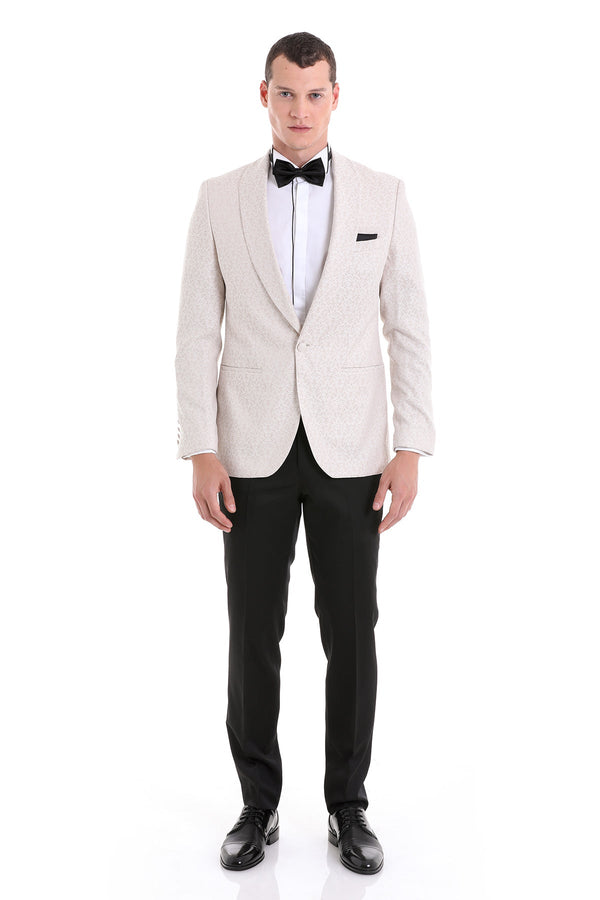
Find Your Color, Keep the Tuxedo
Black, midnight blue, charcoal, and ivory tuxedos in four engineered fits, yours from $199.90 instead of a one-night rental.
Shop TuxedosTuxedo Color Mistakes That Stand Out in Photos
Most tuxedo color mistakes happen because we focus on how something looks in the mirror at home and forget how it will read in the actual setting, under reception lights, next to other people, and forever in pictures. These are the most frequent missteps I see, and each one has a simple fix.
- Wearing a bright white dinner jacket to an evening black-tie wedding. In dim light, a stark white coat can appear almost blue on camera and draw attention away from the couple. Fix: reserve pure white jackets for sunlit daytime events and choose an off-white or ivory shade that feels warmer under artificial light.
- Choosing a black tuxedo with a matte, flat finish. It can look like a heavy black hole in photos, with no texture or dimension. Fix: look for a subtle sheen, a wool-mohair blend or a fine worsted with a gentle luster, especially in black or midnight blue, which gives the jacket life in flash photography.
- Picking a burgundy or green tuxedo without checking how the color photographs. Some deep reds turn brown under flash; some greens go muddy. Fix: always take a smartphone flash photo in the fitting room and review it before buying.
- Matching your tuxedo color exactly to your date's dress or prom sash. Exact color matching almost never works because dyes and fabrics differ. Fix: choose a complementary tone instead, midnight blue with navy, charcoal with sage, classic black with any bright shade, so the pair looks cohesive, not forced.
- Wearing a tuxedo in a color you love but that doesn't love your undertones. A cool gray jacket on someone with warm skin can make you look tired in person and sallow on camera. Fix: test the color near your face in natural daylight before committing.
- Assuming a navy suit without satin details counts as a tuxedo. It does not, and you'll feel underdressed the moment you see real tuxedos in the room. Fix: if the event calls for black tie, wear a true tuxedo in black, midnight blue, or charcoal with satin lapels and a satin trouser stripe.
- Buying a trendy color for prom and expecting to wear it to weddings later. A patterned burgundy jacquard jacket that killed at prom will look out of place at a formal wedding. Fix: if you buy a statement tuxedo, treat it as a one-occasion piece; if you need versatility, anchor your purchase in midnight blue or charcoal.
Avoiding these pitfalls isn't about playing it safe, it's about walking into any room knowing the color works exactly the way you intended.
How to Keep Your Tuxedo Looking Sharp in Any Color
You've chosen the right shade, and you want it to stay that deep black, that rich midnight blue, or that crisp ivory for years. A little routine attention does more than keep the color fresh, it protects the investment you made when you decided to own instead of rent.
- Brush your tuxedo with a garment brush after every wear. Dust, dead skin, and surface particles settle into the weave and dull the color over time. A quick brush, especially on black and navy fabrics, restores the visual depth before you hang it up.
- Spot-clean marks immediately with a damp, light-colored cloth and mild soap. Dark colors show water spots and chalky residue if you scrub too hard. Blot gently; don't rub. For white or ivory jackets, treat any stain within minutes so it doesn't set.
- Dry clean only when truly needed, once or twice a season at most. Over-cleaning strips the natural oils from wool and can cause dark tuxedos to develop a reddish cast or light jackets to yellow. Schedule cleaning right after the last big event of the season, not before the next one.
- Store your tuxedo on a wide, contoured wooden hanger inside a breathable garment bag. Wire hangers stretch the shoulders and create creases that catch light unevenly, making the color look patchy. A cotton or canvas bag lets the fabric breathe while protecting it from dust.
- Keep light-colored dinner jackets away from direct sunlight during storage. Ivory and white wool can yellow if exposed to UV rays over time. A dark closet or an opaque bag is your best insurance.
- Use a steamer instead of an iron when removing wrinkles. A dry iron can leave shiny press marks that alter the perceived color, especially on dark, smooth-finish fabrics. Steam from a handheld steamer relaxes the fibers without adding a sheen where you don't want it.
- Rotate wears if you attend multiple events in a short window. Letting the jacket rest for at least a day between outings allows the wool to recover its shape and the color to look as saturated as it did on day one.
A few thoughtful habits will keep that tuxedo color reading exactly as you intended, event after event, year after year.
Finding Your Ideal Tuxedo Color at SAYKI
When you need a tuxedo color that feels personal but never inappropriate, the real challenge isn't the shade itself, it's finding a place where the cut, the satin detailing, and the price all line up without compromise. SAYKI has been solving that problem since 1924, as the U.S. arm of a third-generation family company, Hatemoğlu, with more than 100 years of menswear expertise threaded into every garment.
Our tuxedos cover the colors you actually need: classic black, richer-than-black midnight blue, soft ivory for destination weddings, and modern charcoal that slides easily from a formal evening to a creative black-tie reception. Every jacket comes with proper satin peak lapels or shawl collars, a satin-striped trouser, and the kind of fabric that photographs with depth and character.
You can choose your preferred fit, Slim Fit for a close, modern shape, Regular Fit for a traditional line, Dynamic Fit for a tailored middle ground with extra mobility, or Comfort Fit for a relaxed, easy drape, all starting at $199.90. That's the same price as renting a tuxedo for one night, but you walk away owning it, ready for the next invitation. No return deadlines, no late fees, no polyester rental sheen.
With nine physical stores across the U.S., you can try on a midnight blue tuxedo under real light and see exactly how it behaves on you. Visit our Madison Avenue flagship at 375 Madison Ave, New York, NY 10017, or find us in Paramus, NJ at 1 Garden State Plaza Ste# 1125, Paramus, NJ 07652, and in King of Prussia, PA at 160 N Gulph Rd Store 1359, 1st Floor, King of Prussia, PA 19406. Additional full-price and outlet locations in New York, Illinois, Maryland, Massachusetts, and Virginia give you plenty of ways to get hands-on with the color before you commit.
Frequently Asked Questions
How do I dress for a black tie event as a man?
A black tie dress code requires a formal tuxedo, not a business suit. You'll need a dinner jacket in black or midnight blue with satin lapels (peak or shawl), matching trousers with a satin stripe down the leg, a white dress shirt with a wing or spread collar, a black bow tie, and black patent or highly polished leather shoes. If the invitation says "black tie optional," a dark tuxedo is still the sharpest choice, but a charcoal suit with a crisp white shirt and dark tie is acceptable. Always check the start time, black tie applies to evening events after 6 p.m.
What is the difference between a tuxedo and a suit for prom?
A tuxedo uses satin on the lapels, buttons, and a stripe down the trouser leg; a standard suit has no satin and uses the same fabric throughout. For prom, a tuxedo in black, midnight blue, or a deep tone feels more formal and matches the "prom night" look most dates expect, while a suit reads more like a job interview or a casual dinner. If you want maximum prom impact without a rental, a classic tuxedo starting at $199.90 gives you the formal edge and something you can keep long after the dance floor clears.
Is it worth buying a tuxedo instead of renting one?
Yes, if you expect to attend more than one formal event in the next few years, a prom, a friend's wedding, a charity gala, buying quickly pays for itself. A quality tuxedo can be purchased for the price of one or two rentals, starting at $199.90, and you avoid fit compromises, last-minute rental shortages, and the synthetic sheen of many rental fabrics. The key is to pick a versatile color like midnight blue or charcoal that works across multiple occasions, so you're not pigeonholed by a single bold shade.
What color tuxedo is best for a wedding?
Midnight blue is the outright favorite for modern weddings, it reads darker than black under artificial light but carries a rich personality that photographs beautifully. Black remains the safest and most traditional choice for formal evening church ceremonies. For a daytime or outdoor wedding, consider a lighter tone such as ivory or a soft gray dinner jacket. Whatever you pick, coordinate with the wedding party early: your tuxedo color should support the overall palette, not fight it.
What is the difference between a dinner jacket and a tuxedo?
In American usage, "dinner jacket" and "tuxedo jacket" often get used interchangeably, but traditionally a dinner jacket refers specifically to the jacket of a tuxedo, especially when it contrasts with the trousers, like an ivory dinner jacket worn with black tuxedo pants. A full tuxedo includes the matching jacket and trousers with satin trim. For black-tie events where the invitation says "black tie" or "formal," you'll wear a complete tuxedo; a contrasting dinner jacket is usually reserved for warm-weather or creative black-tie settings.
Should I wear a tuxedo or a suit to prom?
If your date is wearing formal eveningwear and your group is aiming for a classic prom look, a tuxedo is the standard. It makes the whole night feel bigger and ensures you'll look coordinated in photos next to a gown. A suit can work if your prom has a more casual dress code or you plan to reuse the outfit for internships, but it won't deliver the same "event" feel. When you can own a tuxedo for the same price as a rental, starting at $199.90, the tuxedo becomes the obvious choice for prom and whatever formal invitations arrive next.
How much does a good tuxedo cost?
You can buy a well-made wool-blend tuxedo with proper satin details for around $200 to $500, starting at $199.90 at SAYKI. That's equal to a one-night rental from a traditional formalwear chain, but you keep the garment. Higher prices generally bring finer worsted wools, mohair blends, or more hand-tailoring, but the real marker of quality is fit, fabric hand, and correct formal details, not a four-figure price tag.