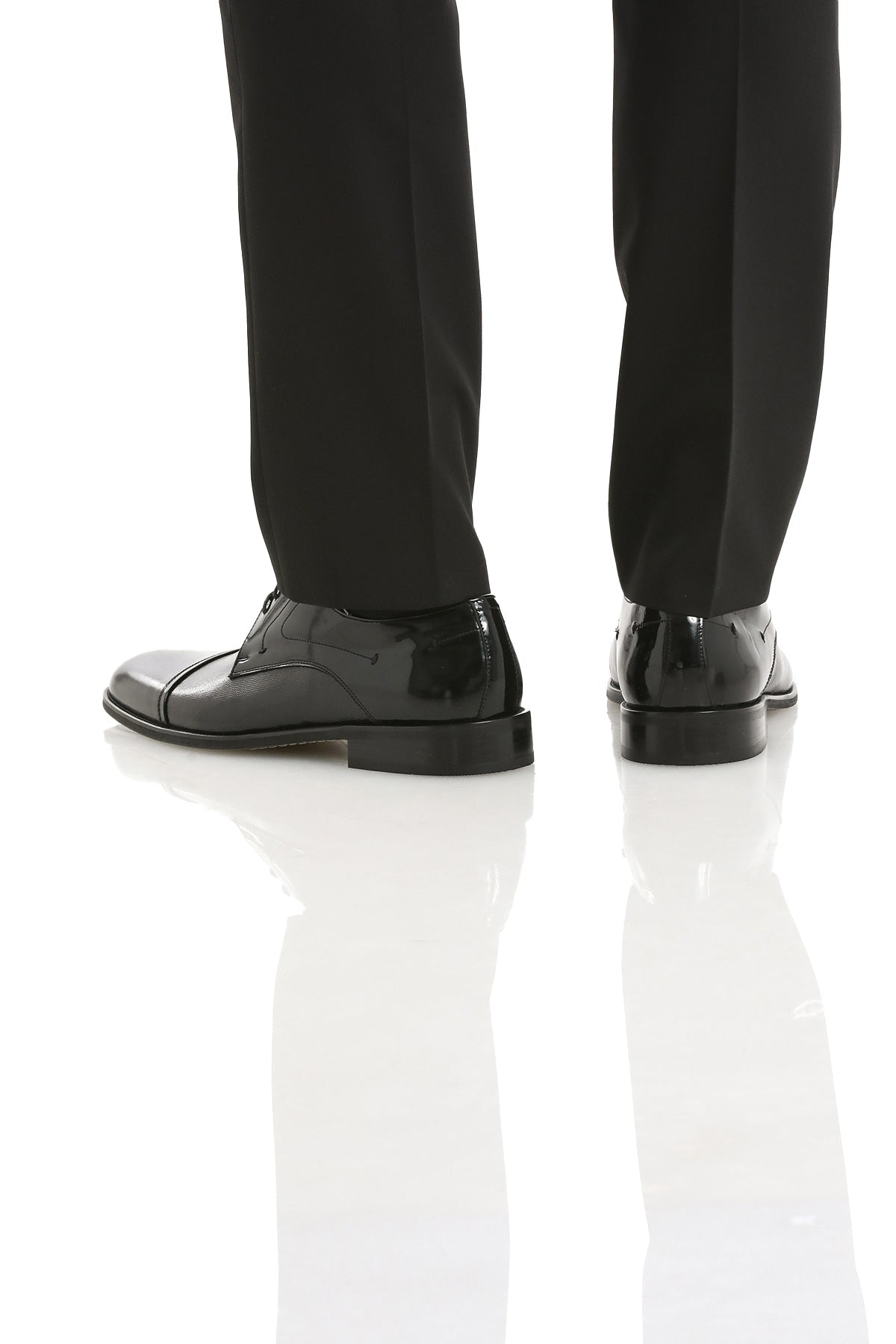
Men's Tuxedo Shoes Collection
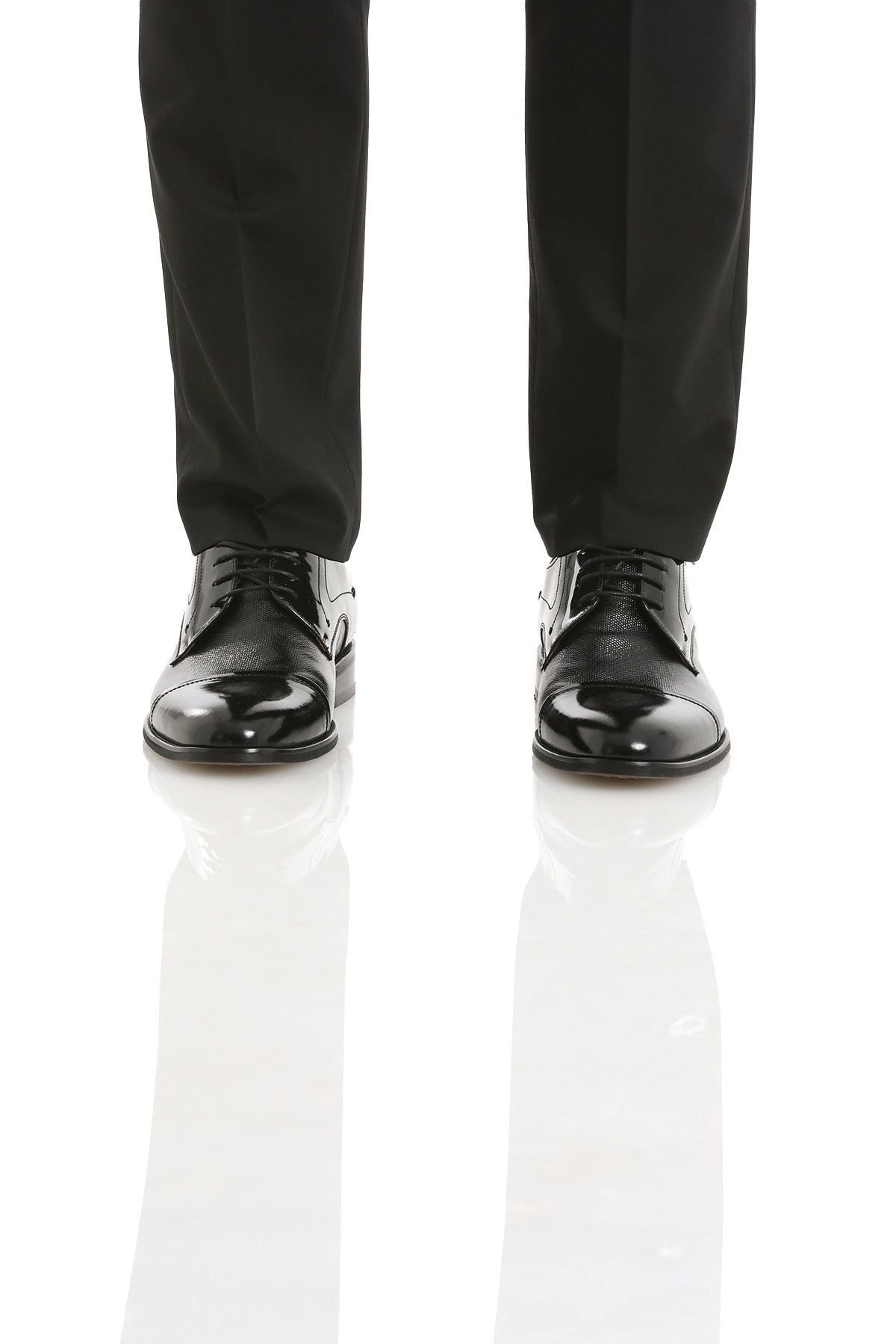
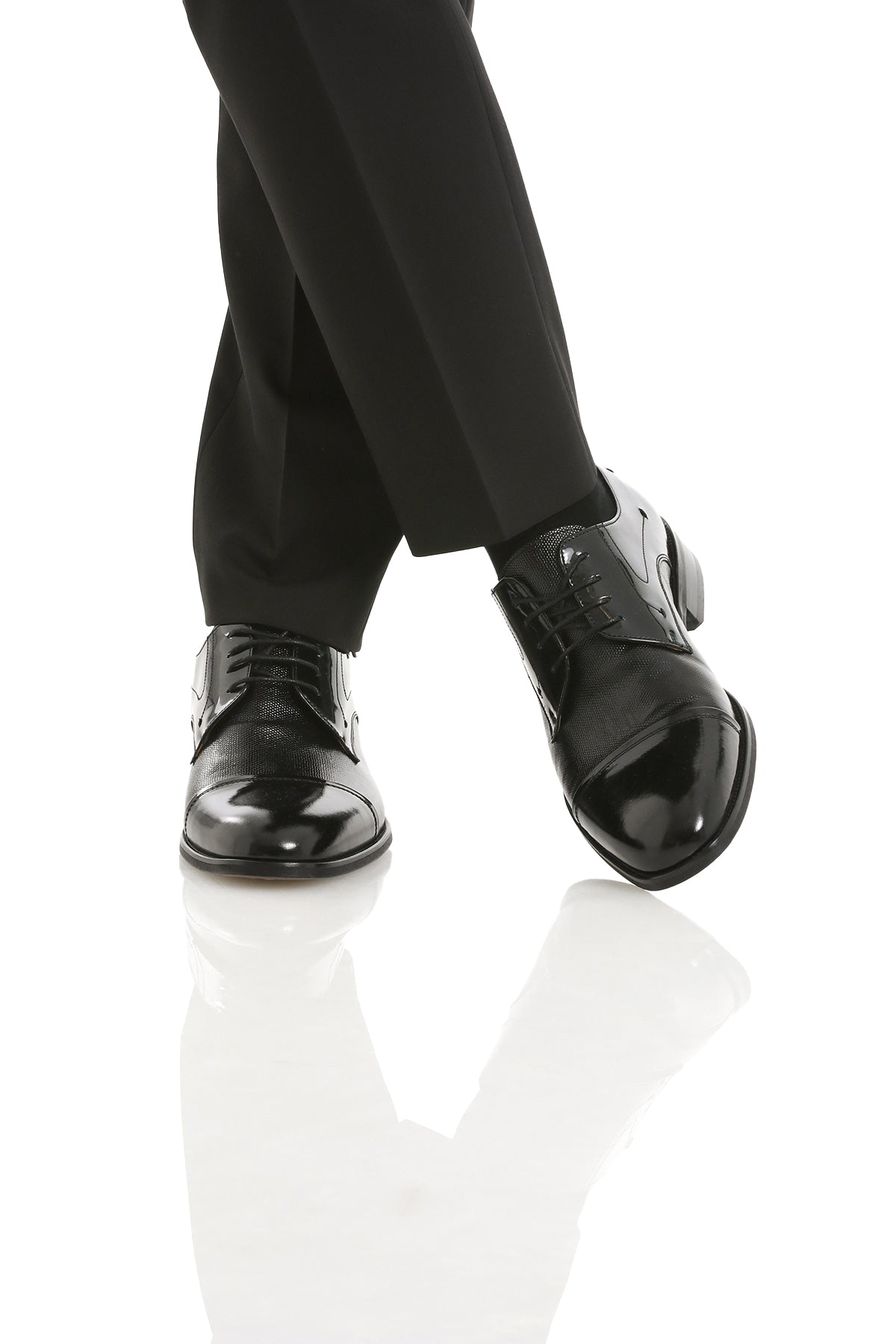
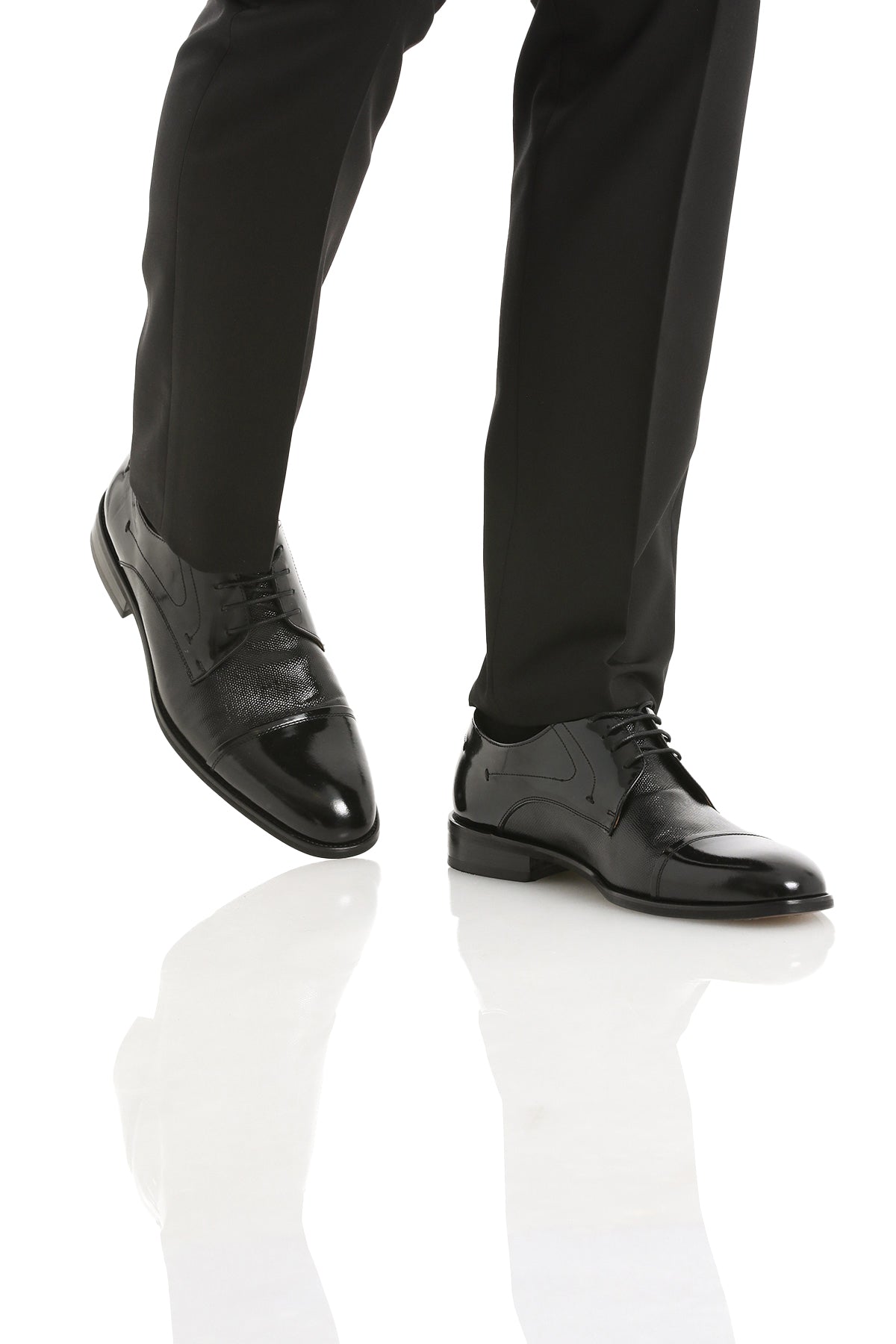
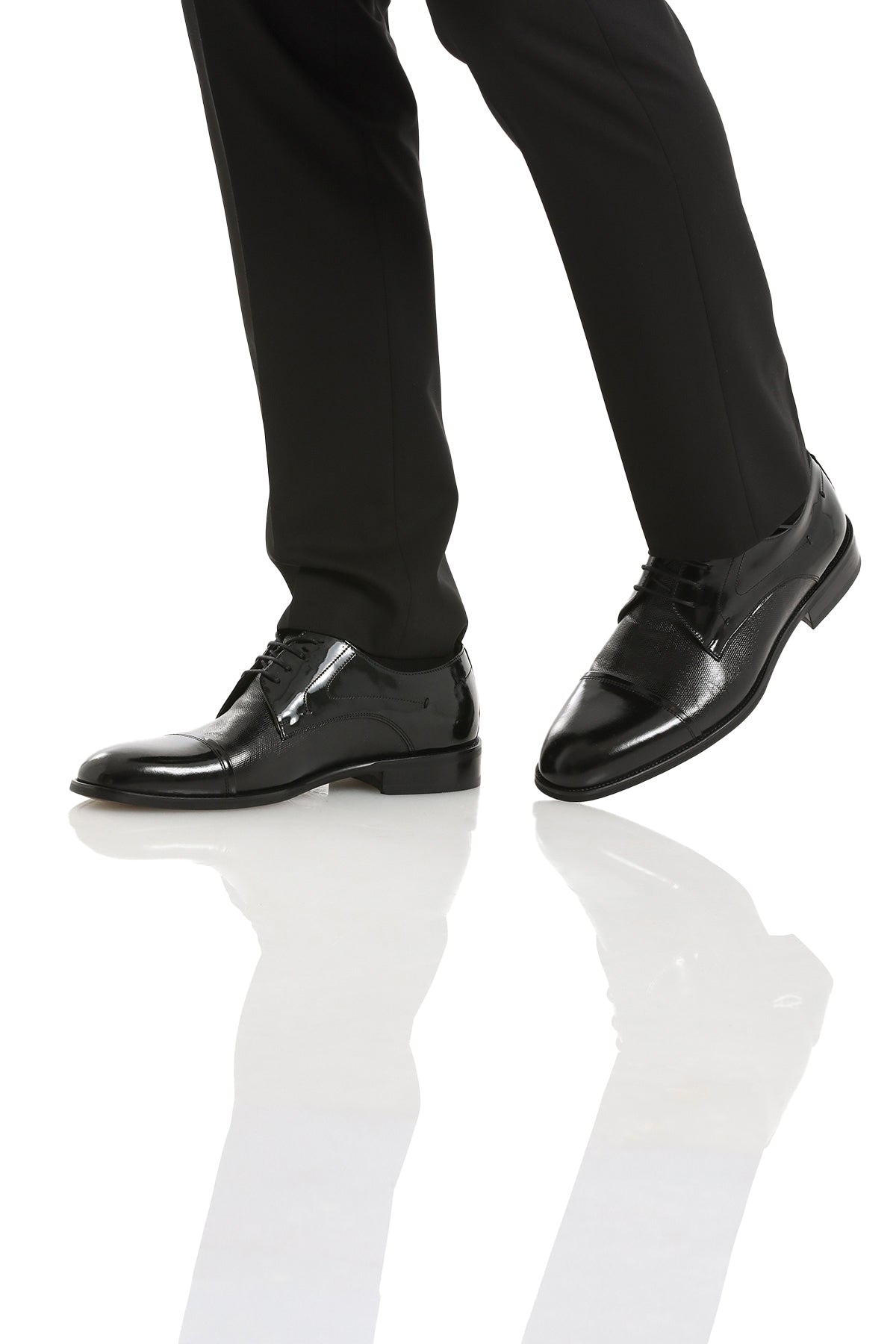
Tuxedo shoes are formal footwear designed specifically to complement black-tie and evening attire, distinguished by their sleek silhouettes, minimal stitching, and polished finishes. Unlike standard dress shoes, tuxedo shoes prioritize a refined, streamlined appearance that pairs seamlessly with tuxedo ensembles and formal suits. Common styles include patent leather oxfords, velvet loafers, and opera pumps, each offering a different level of formality and personal expression.
SAYKI's tuxedo shoes collection combines classic formal design with modern comfort engineering. Built on sleek lasts with clean lines and premium materials, these shoes are crafted to hold their shape through long events while remaining comfortable from the ceremony to the after-party. With a heritage in menswear tailoring dating back to 1924, SAYKI brings the same attention to fit and finish to its footwear as it does to its suits and separates.
Types of Men's Tuxedo Shoes and Their Features
The most traditional tuxedo shoe is the patent leather oxford, featuring a closed lacing system and a high-gloss finish that reflects light for a distinctly formal effect. For men who prefer a more relaxed take on black-tie, velvet loafers offer a slip-on option with rich texture and a fashion-forward edge. Plain-toe derby shoes in polished leather can also work in semi-formal settings where strict dress codes are loosened slightly.
Each style serves a different occasion. Patent leather oxfords are the safest choice for traditional black-tie galas and weddings, while velvet loafers work well at holiday parties, cocktail events, and creative-formal settings. Whichever style you choose, a sleek toe shape and minimal ornamentation are the defining features that separate tuxedo shoes from everyday classic shoes.
How to Choose the Right Tuxedo Shoes Size and Style
Tuxedo shoes should fit snugly without pinching, with about a thumb's width of space between your longest toe and the front of the shoe. Because formal shoes are typically worn with thin dress socks, they may feel slightly tighter than casual footwear at first try. If you're between sizes, err toward the smaller size for a cleaner, closer fit that avoids heel slippage on the dance floor.
When choosing a style, consider the dress code and your personal comfort. Patent leather oxfords are the most versatile and universally appropriate option. If your event leans fashion-forward or you already own a classic pair, a velvet loafer adds personality. Match the shoe color to your suit, with black being the default for traditional tuxedos and midnight blue or burgundy options pairing well with modern navy or patterned formalwear.
Styling Tips: How to Wear Tuxedo Shoes with Different Outfits
Tuxedo shoes aren't limited to one outfit formula. With a classic black tuxedo, patent leather oxfords create the most cohesive look, especially when the shoe's shine echoes satin lapels and a silk bow tie. For a modern approach, pair a midnight blue tuxedo with velvet loafers and skip the cummerbund for a streamlined silhouette. SAYKI's slim fit suits with tapered legs are particularly well-suited for tuxedo shoes because the narrower trouser opening showcases the shoe without excess fabric break.
Outside of strict black-tie events, polished tuxedo-style shoes can anchor a dressy evening outfit. Wear them with slim fit pants in dark wool, a fitted turtleneck, and a tailored overcoat for an elevated dinner look that doesn't require a full tuxedo. The key is keeping the rest of the outfit minimal and refined so the shoes don't look out of place.
Care and Maintenance of Tuxedo Shoes
Patent leather requires different care than standard leather. Wipe patent shoes with a soft, damp cloth after each wear to remove dust and fingerprints, and avoid standard shoe polish, which can cloud the high-gloss finish. For velvet styles, use a soft-bristled brush to lift the nap and remove surface dirt, and store them in dust bags to prevent crushing. Keep all tuxedo shoes on cedar shoe trees when not in use to maintain their shape and absorb moisture.
Between events, store your tuxedo shoes in a cool, dry place away from direct sunlight, which can crack patent leather and fade velvet over time. If your patent leather shoes develop scuffs, a small amount of petroleum jelly buffed with a microfiber cloth can restore the shine. With proper care, a quality pair of tuxedo shoes will serve you through years of formal occasions.
Discover SAYKI's Tuxedo Shoes Selection
SAYKI's tuxedo shoes are designed with the same tailoring precision the brand applies to its suiting and formalwear. Each pair features durable construction, cushioned insoles for all-night comfort, and timeless silhouettes that complement both traditional and modern tuxedo styles. Browse the full collection to find the right pair for your next black-tie event, wedding, or formal evening.