


17 min read


Contents
- Black Tie Optional for Men: What the Invitation Actually Expects You to Wear
- Why Getting Black Tie Optional Right Matters More Than You Think
- How to Choose Your Black Tie Optional Outfit: A Step-by-Step Guide
- Black Tie Optional Mistakes That Will Stand Out in Photos
- How to Care for Your Tuxedo or Formal Suit Long After the Event
- How SAYKI Makes Black Tie Optional Attire Something You Own, Not Just Rent
- Frequently asked questions
Black Tie Optional for Men: What the Invitation Actually Expects You to Wear
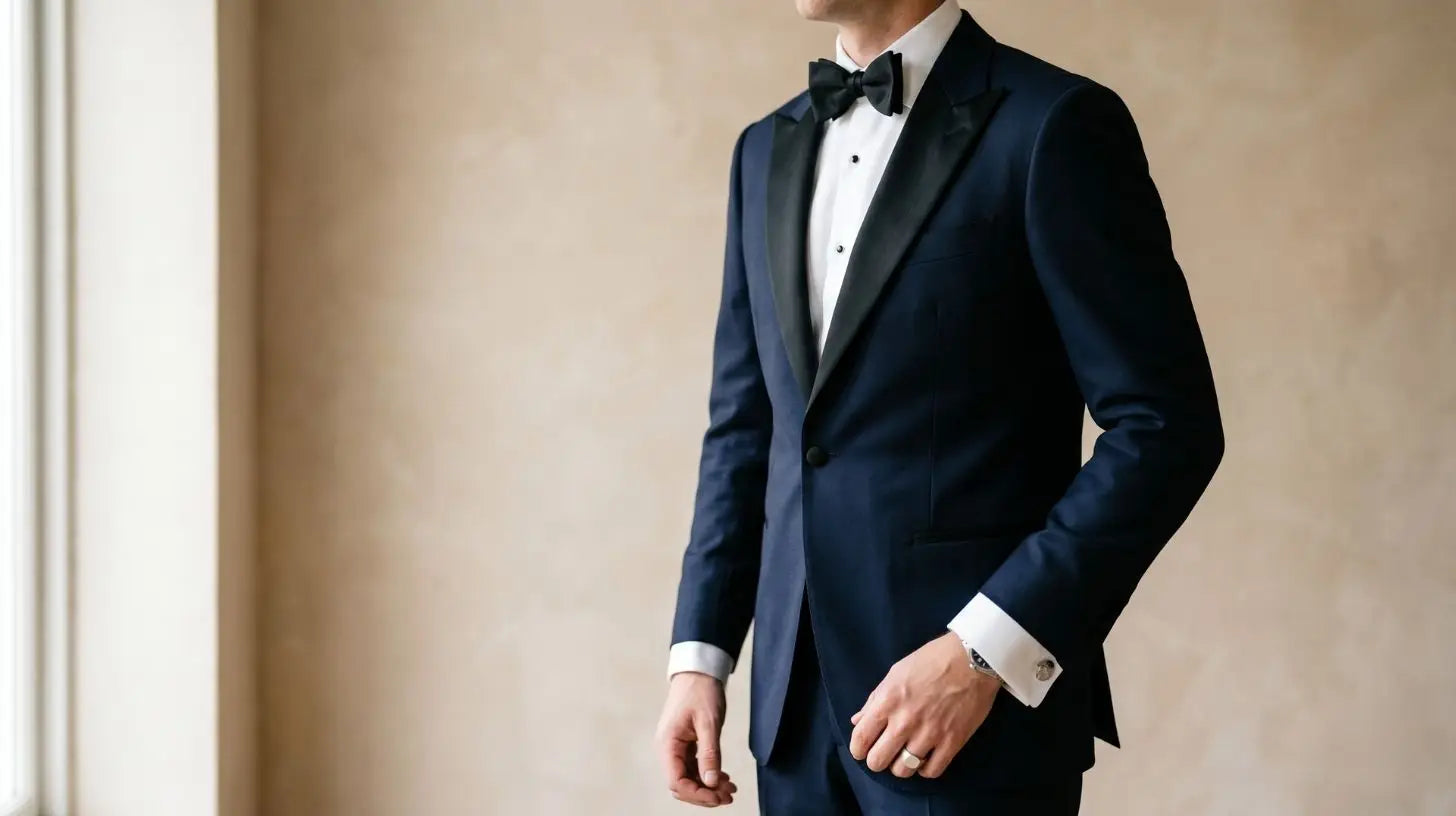
You just opened an invitation and read "black tie optional." You want to look right, not like you ignored the dress code, and not like you're trying too hard. That in-between zone can feel trickier than a strict black tie dress code request, because now the choice is on you. This page clears up the confusion and gives you a direct, practical way to put together an outfit that fits the occasion without second guessing.
- Understand what "optional" really means, it's a signal that a tuxedo is welcome but a dark, formal suit is equally appropriate.
- Decide between a tuxedo and a dark suit based on the event's time, venue, and the crowd you'll be with.
- Pick the right jacket, shirt, and tie combination so you look cohesive, not thrown together at the last minute.
- Choose footwear that respects the formality level, polished black wholecut oxfords or patent leather, never loafers or brogues.
- Avoid the small mistakes that stand out in photos, like wearing a belt with a tuxedo, a pre-tied bow tie, or a business shirt with a dinner jacket.
- Own instead of renting, a well-made tuxedo or suit can start at the same price as a rental, meaning you keep the look for every future invitation.
If you're a wedding guest, heading to a gala, or attending an awards dinner where the host wrote "black tie optional," this guide is built for you. After reading it, you'll know exactly which combination gives you the right level of formality, and you'll be able to walk in feeling like you belong there.
Why Getting Black Tie Optional Right Matters More Than You Think
Showing up in the wrong level of formality can be socially uncomfortable. You risk looking like you didn't read the invitation carefully, or like you're trying to out-dress the host. Getting it right doesn't just show respect for the event; it frees you from the nagging feeling that everyone else is dressed a little better or a little worse than you. Here are the real-world stakes, and what you gain by handling them.
- You wear a regular business suit and a muted tie, you look like you came straight from the office, not from a formal evening. Fix: swap in a tuxedo with a self-tie bow tie, or at minimum a dark worsted suit with a white French-cuff shirt and black silk tie.
- You go full black tie, and the groom is wearing a suit, this can happen, but it's far less awkward than being underdressed. The fix is simple: when in doubt, a tuxedo without a cummerbund or a midnight blue dinner jacket with black tuxedo trousers can soften the formality just enough.
- You rent a tuxedo that doesn't fit properly, baggy sleeves, odd jacket length, and rental sheen make you look like a prom photo from decades ago. Fix: owning a tuxedo from the start gives you tailor-level fit and the freedom to wear it repeatedly. Suits and tuxedos can start at $199.90, the same price as a one-time rental.
- You assume "optional" means casual, and you arrive in a navy blazer, khakis, and a sport shirt. That misread puts you firmly outside the expected range. Fix: if you're not doing a tuxedo, wear a charcoal or midnight blue suit with a clean white shirt and a silk bow tie or dark tie.
- Your accessories scream "I wasn't sure", white gym socks, a patterned novelty tie, or clunky shoes break the formal feel. Fix: stick to black silk socks, a self-tied bow tie in black, and wholecut oxfords or well-polished black cap-toes.
- You skip the pocket square, a simple white linen pocket square is the thread that ties a tuxedo or formal suit together. Its absence feels noticeable. Fix: invest in a proper white linen square and fold it cleanly.
- Your dinner jacket is actually a black blazer, the difference in lapel shape and fabric weight is obvious under evening lighting. Fix: go for a genuine tuxedo jacket with satin or grosgrain lapels, or a dark suit with notch lapels, but don't try to fake a tuxedo with a blazer.
It's easier to get this right than you think, and the payoff is walking through the door fully present, not preoccupied with your outfit.
Go Tuxedo when
The night leans formal
- Evening wedding or gala after 6 p.m.
- Most guests will be in tuxedos
- You want the photos to read black tie
- Pair with a black self-tie bow tie
Go Dark Suit when
The event is relaxed
- Daytime or outdoor, low-key crowd
- Charcoal or midnight blue, never black
- White French-cuff shirt, dark silk tie
- Doubles as interview and office wear
How to Choose Your Black Tie Optional Outfit: A Step-by-Step Guide
The open-ended nature of "optional" can leave you staring at your wardrobe for twenty minutes with no clear direction. The following steps remove that paralysis, each one brings you closer to a combination you can put on with certainty.
Step 1: Read the room, time, venue, and host style
Start by examining the invitation and the event's setting. An early evening outdoor wedding at a vineyard and a late-night museum gala call for different levels of polish. If most guests lean formal in that circle, a tuxedo will feel natural. If the event is more relaxed, a dark suit with refined details keeps you in the right zone. Ask yourself: "Would I feel out of place in a tuxedo here?" If the answer is no, go for it, it's always safer to be slightly overdressed than underdressed.
Step 2: Decide between a tuxedo and a dark suit
The fork in the road is real, and our complete tuxedo buying guide for men helps you weigh it. A tuxedo says you embrace the formal spirit of the evening. A dark suit, charcoal or midnight blue, not black unless it's a tuxedo, gives you a polished look without the satin details. If you already own a tuxedo, wear it. If you're buying for this event and want the smarter long-term investment, remember that a tuxedo you own starts at $199.90, the same price as renting. That means you won't face this decision again next season.
Step 3: Pick the right jacket style
For a tuxedo, a shawl lapel in satin gives a classic, elegant silhouette. A peak lapel adds a bit more authority. Avoid a notch lapel on a tuxedo, it reads as a suit jacket. For a dark formal suit, a notch lapel is perfectly fine. The jacket fit should follow your body type: Slim Fit hugs closer through the chest and waist, Regular Fit offers traditional ease, Dynamic Fit blends shape with mobility, and Comfort Fit provides a relaxed feel without looking oversized. Try each to see which cut makes you stand taller without pulling or bunching.
Step 4: Choose the right shirt
With a tuxedo, wear a white dress shirt with French cuffs and a spread or wingtip collar. The contrast of a crisp white shirt against the black jacket is non-negotiable. For a dark suit, a white shirt remains the safest choice, though a very pale blue can work for an afternoon or outdoor event. Stay away from button-down collars or patterned fabrics, they undermine the formal feel.
Step 5: Select your neckwear, bow tie or long tie
With a tuxedo, a black self-tie bow tie is the gold standard. A silk long tie in black can work if you're aiming for a modern take, but a bow tie anchors the tuxedo properly. With a dark suit, a black silk tie or a subtly textured dark tie keeps the formality high. Avoid colorful, shiny, or novelty ties. Learn to tie your own bow tie; it sits more softly than a pre-tied version and shows you paid attention.
Step 6: Match your trousers correctly
Tuxedo trousers have a silk or satin stripe down the side, and they're designed to be worn without a belt. If you're wearing a tuxedo, use side adjusters or braces (suspenders) instead of a belt. With a dark suit, flat-front trousers with a clean drape and no cuffs keep the line sharp. The trouser break should be slight, just enough to rest on your shoe without bunching.
Step 7: Get your footwear right
Wholecut oxfords or patent leather shoes are the standard for tuxedos. A highly polished black cap-toe oxford works for both tuxedo and dark suit combinations. Avoid loafers, brogues, or any shoe with heavy decoration, distraction near the floor pulls the eye away from the jacket. Match your belt (if wearing a suit) to your shoes exactly. For a tuxedo, no belt.
Step 8: Layer accessories that complete, not clutter
A white linen pocket square, cufflinks in silver or mother-of-pearl, and a dress watch with a black leather strap add polish without noise. Skip the boutonniere unless it's provided by the host. With a tuxedo, wear black silk socks; with a suit, match the sock color to the trouser. Studs are optional but traditional with a dinner shirt.
Step 9: Do a final fit check in the mirror
Raise your arms, button the jacket, and check the shoulder seams. The jacket collar should sit flat against your shirt collar with no gap. The sleeves should show about a quarter inch of shirt cuff. Trouser length should hit the top of your shoe heel. If anything feels off, a quick trip to a tailor makes all the difference, minor adjustments cost little and can transform an off-the-rack garment into a custom-feel fit. All SAYKI fits, Slim, Regular, Dynamic, Comfort, are cut to be altered easily if needed.
Now you're not guessing anymore. You have a clear sequence that ends with a cohesive look, whether you reach for a tuxedo or your sharpest dark suit.
Editor's Picks
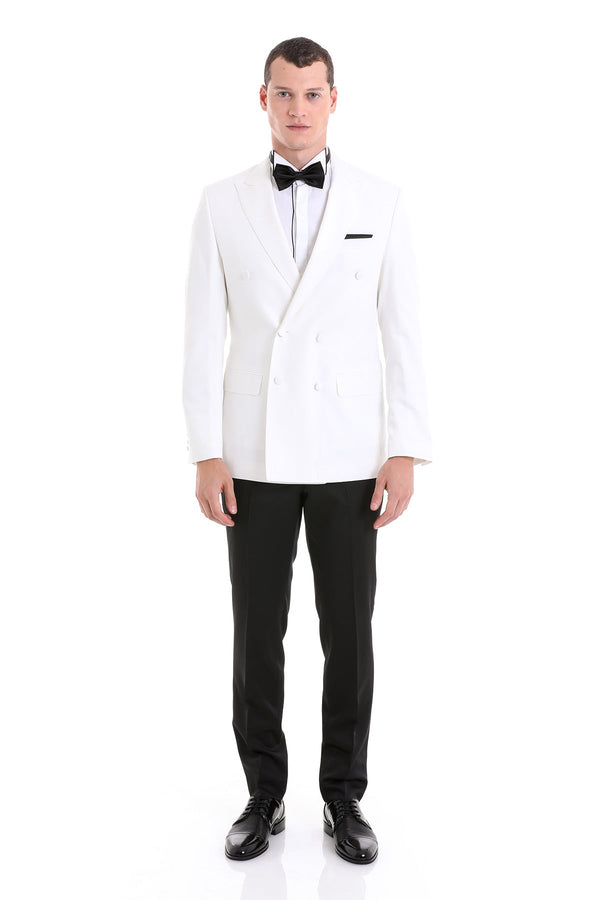
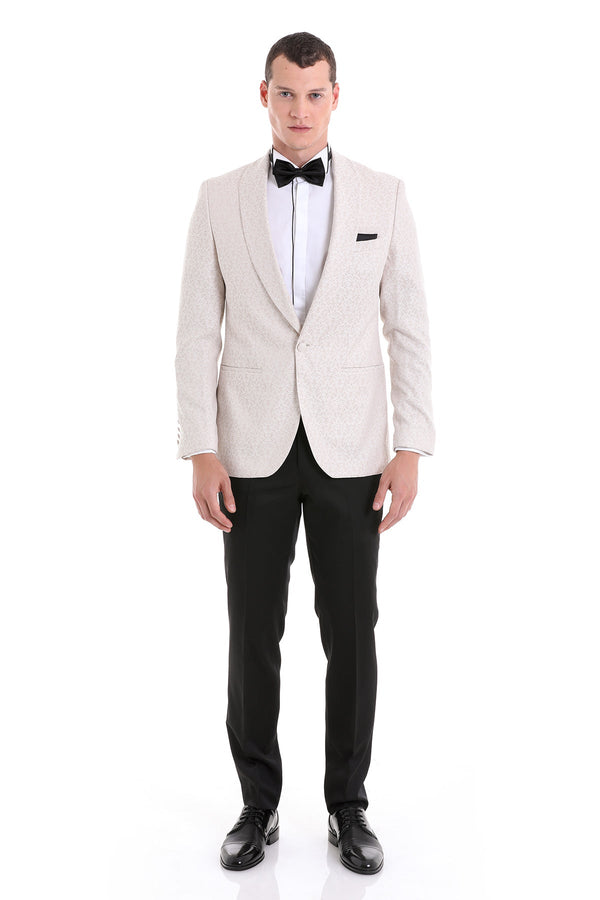
Own Your Tuxedo, Don't Rent It
Quality tuxedos start at $199.90, the same as a single rental. Try Slim, Regular, Dynamic, or Comfort Fit and keep the look for every event.
Shop TuxedosBlack Tie Optional Mistakes That Will Stand Out in Photos
It's easy to misstep when the dress code uses the word "optional," because it sounds more relaxed than it really is. Most mistakes come from interpreting optional as casual, or from borrowing pieces that don't belong together. Here are the most common errors and exactly how to sidestep them.
- Wearing a pre-tied bow tie that looks stiff and artificial, in photos, the perfect symmetry reads as plastic. Learn to tie a real one or have a salesperson show you. It takes three minutes and immediately lifts the look.
- Pairing a tuxedo jacket with mismatched trousers, a dinner jacket worn with chinos or casual slacks creates a disjointed outfit. If you're going tuxedo, commit to the full tuxedo trouser with the satin stripe.
- Choosing a black suit instead of a tuxedo and adding satin lapels, that's neither a suit nor a tuxedo; it looks like a costume. Either wear a true tuxedo or a dark formal suit with soft-finish lapels, not satin.
- Wearing a belt with a tuxedo, tuxedo trousers are typically flat-front with no belt loops; adding a belt breaks the clean waistline. Use side adjusters or braces.
- Picking a shirt with a button-down collar, that collar shape belongs to sportswear, not evening formality. Stick with a spread, point, or wingtip collar in a crisp white fabric.
- Ignoring fit, too much room through the torso or sleeves that bunch, a properly fitted jacket (such as a Dynamic Fit for a refined silhouette that still moves with you) makes you look put together without discomfort. Try on different cuts and don't settle for baggy.
- Wearing visible white or athletic socks, even a flash of white sock when you sit crosses the line into informal. Black silk or fine cotton socks that stay up are the only safe choice.
- Skipping the trial run, many men put on the full outfit for the first time minutes before leaving, only to find the bow tie crooked or the shirt untucked. Do a full dress rehearsal a few nights before, including shoes, to build muscle memory.
You're not memorizing a list of "don'ts", you're internalizing a small set of checks that, once done, leave you feeling unshakable. Confidence is the result of knowing there's no detail left to chance.
How to Care for Your Tuxedo or Formal Suit Long After the Event
You've invested in a garment you want to wear again next season, for the next wedding, and the gala three years from now. The way you care for it directly determines how long it holds its shape and richness.
- Hang the jacket on a wide, contoured wooden hanger immediately after wearing, it supports the shoulder pads and prevents creases from setting. Wire hangers will distort the shape within days.
- Don't dry clean after every single wear, over-cleaning breaks down wool fibers and dulls the finish. Instead, brush the fabric with a garment brush and let it air out overnight. Dry clean only when soiled or at the end of a season.
- Store your tuxedo in a breathable garment bag, never in plastic, which traps moisture and can cause yellowing or mildew. A cotton or muslin bag lets the fabric breathe.
- Press trousers carefully, keeping the center crease sharp, use a pressing cloth on wool to avoid shine. Hang them by the cuffs with clip hangers to maintain the crease without ironing constantly.
- Spot-clean small marks with a damp cloth and mild soap, treat stains on a tuxedo shirt or jacket immediately, before they set, but avoid rubbing aggressively.
- Rotate your suits, if you now own two formal options, alternating wear gives each piece time to recover, extending the lifespan of both.
- Address loose buttons or minor seam pulls right away, a few minutes with a needle or a visit to a tailor prevents a small issue from becoming a visible tear.
A little attention between events keeps your formalwear looking as good as it did the first time you put it on, which means every future invitation is one less thing to worry about.
How SAYKI Makes Black Tie Optional Attire Something You Own, Not Just Rent
The biggest hurdle with a black tie optional invitation is often the feeling that you're about to spend money on a rental you'll never see again. SAYKI was built to change that, the brand has been making menswear accessible since 1924 and helps you walk away with a tuxedo or suit you can actually keep, for the same starting price as a rental.
That heritage spans over a century. Originally founded as Hatemoğlu, the company is now a third-generation family business. The U.S. arm opened its first flagship on Madison Avenue in 2016, offering the same Old-World tailoring expertise in a straightforward, modern shopping experience. Today there are nine stores across New York, New Jersey, Illinois, Maryland, Massachusetts, Virginia, and Pennsylvania, each stocked with clear fit options: Slim Fit, Regular Fit, Dynamic Fit, and Comfort Fit.
When you're shopping for a black tie optional event, you're making a decision that will pay off each time another formal invitation arrives. Suits and tuxedos start at $199.90, right at the price of a mid-range rental, so the math points toward buying. A properly fitted tuxedo in midnight blue or black, or a dark charcoal suit, becomes a cornerstone of your wardrobe rather than a one-night expense. The Dynamic Fit, in particular, gives a modern silhouette with enough give through the back and shoulders to keep you comfortable through a long reception, while Comfort Fit offers the most relaxed, generous cut if you prefer ease over structure.
Whether you need a tuxedo for a wedding in New York, and best tuxedo for wedding guest covers that case in detail, a suit for a gala near Chicago, or a dark dinner jacket for a corporate event in Virginia, you're not locked into the rental cycle anymore. You're instead building a wardrobe that answers the question "what to wear" each time, without starting from scratch.
Frequently Asked Questions
What does black tie optional actually mean for men?
It means the host encourages formal evening attire, a tuxedo is the top recommendation, but a dark, elegant suit is also fully acceptable. You're being given flexibility, not permission to dress casually. The safe rule: aim for a tuxedo if you can, because it's better to be slightly overdressed than the least formal person in the room.
Can I wear a dark navy suit instead of a tuxedo to a black tie optional wedding?
Yes, a midnight navy or charcoal suit is a solid choice when the invitation says optional. Pair it with a white French-cuff shirt, a black bow tie or dark silk long tie, and polished black shoes. Stay away from brighter navy shades that skew business. The darker the suit, the more it aligns with the evening's formal tone.
Is it worth buying a tuxedo if I only attend one formal event per year?
If a rental costs you $150 to $220, and a tuxedo you can own starts at $199.90, the math favors buying. After just two events, you've saved money. More importantly, an owned tuxedo fits better because you can have it altered, and you'll never risk a rental house being out of your size right before the date.
Which shirt collar is best for a black tie optional outfit?
With a tuxedo, a spread collar or a classic wingtip collar works best, always in white and with French cuffs. For a dark suit, stick with a spread or point collar in white crisp cotton. Avoid button-down collars or any shirt with a chest pocket, both pull the formality level downward.
Can I wear a long tie instead of a bow tie to a black tie optional event?
If you're in a tuxedo, a black silk bow tie is the most traditional and cohesive choice, but a sleek black silk long tie can work in modern contexts, especially if you're opting for a more contemporary shawl collar jacket. With a dark suit, a black or dark charcoal silk long tie is fully appropriate. Just make sure it's not a shiny or patterned tie that fights with the rest of the outfit.
How can I make sure my tuxedo fits right when buying off the rack?
Focus on the shoulders first, they must sit flush with your own, no overhang. The jacket should button without pulling, and the sleeves should show about a quarter inch of shirt cuff. Then try a fit that suits your body: Dynamic Fit for a sharp, athletic shape with stretch, Slim Fit for a close-to-body modern cut, Regular Fit for a classic line, or Comfort Fit for a roomier feel. Minor alterations like hemming sleeves or trousers are quick and well worth the extra step.
What's the biggest mistake men make with black tie optional?
The most common error is dressing down because "optional" sounds relaxed, and then feeling out of place the whole night. The fix is simple: default to a tuxedo if you have access to one, or at minimum a dark formal suit with all the right supporting details. If you walk in and you're slightly sharper than the average guest, you'll never regret it.