


10 min read


You are not the groom, but you will be in nearly as many photos, and everyone will watch you walk down the aisle. Your son has asked you to stand beside him, and now you are facing a question that feels surprisingly high-stakes: what suit do you wear? This guide cuts through the confusion so you can focus on the day, not your outfit.
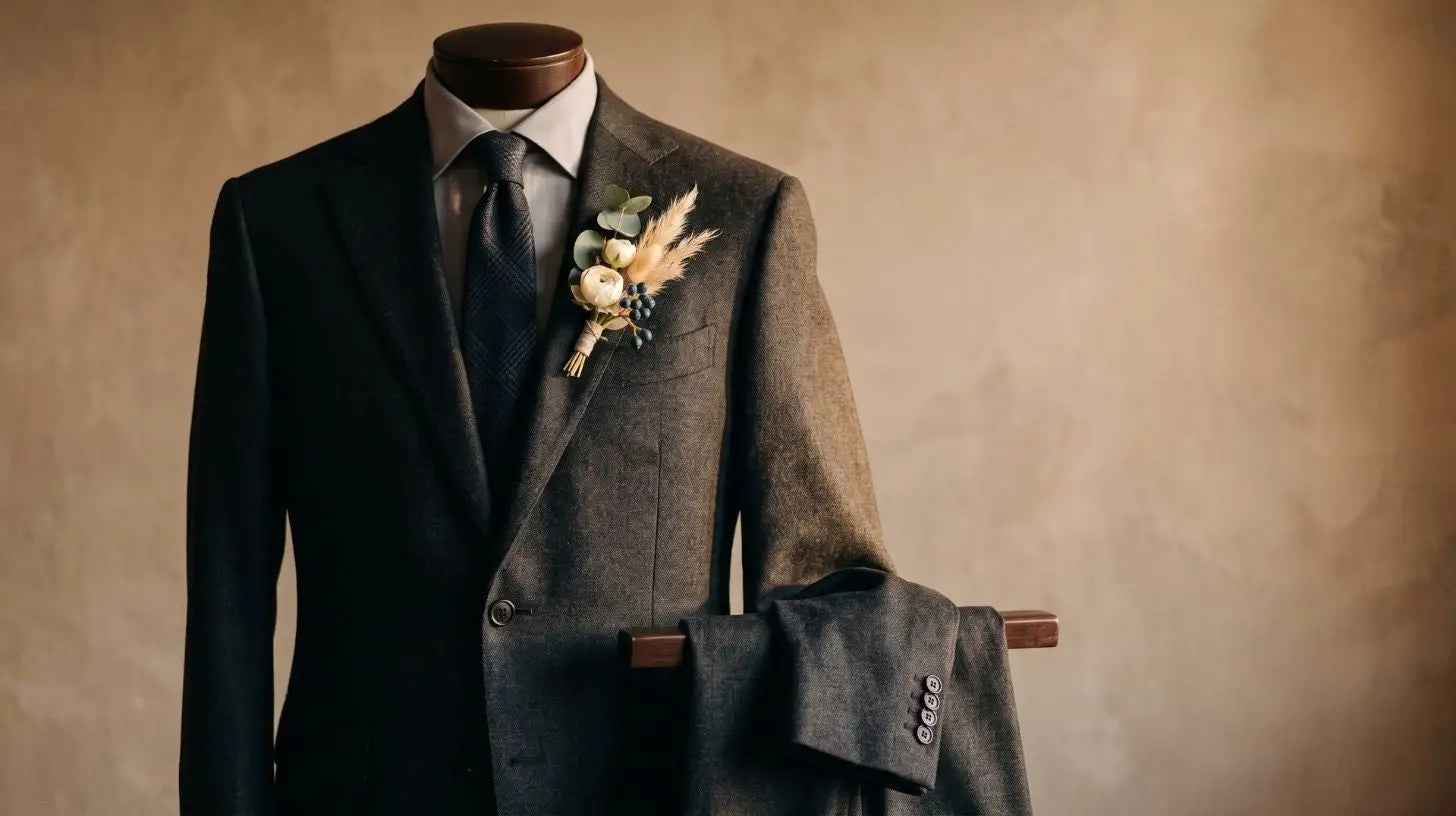
Contents
Why Your Suit as Father of the Groom Carries More Weight Than You Think
Wear the wrong thing to this wedding, and the regret will not just be yours; it will live in album photos your family flips through for generations. Get it right, and you will feel proud standing beside your son.
- The groom chose a modern Slim Fit tuxedo, and you show up in a baggy rental. Pick a suit or tuxedo in a complementary fit, and ask the groom if you should match his level of formality, not his exact look.
- The invitation says "black-tie optional." Treat "optional" as an invitation to dress up. A charcoal or midnight-blue suit with a crisp white shirt works, but a tuxedo is safer.
- You spend $200+ renting a suit that rubs at the collar. A well-fitted suit you buy, starting at $199.90, becomes a lifelong wardrobe asset instead of a one-day expense.
- The mother of the bride wears a soft pastel, and your tie clashes. Choose a tie and pocket square in a harmonious tone. A muted burgundy, dusty rose, or navy silk almost never fails.
- The ceremony is outdoors in August at 2 p.m. Breathable fabrics like lightweight wool blends or cotton-linen in a lighter color keep you comfortable through the vows.
- You wait until the month-of to buy. Start at least six weeks ahead so you have time for a try-on, alterations, and a second fitting.
- You assume any blue suit will work. Stick to grounded, timeless shades like navy, slate blue, or deep charcoal; a bright royal blue draws attention away from the couple.
- You forget to break in new shoes. Wear your dress shoes around the house for a few days before the wedding to avoid blisters during the father-son dance.
How to Choose the Perfect Suit as Father of the Groom
Between dress codes, color rules, and well-meaning family advice, picking a suit can feel like a puzzle. This step-by-step path removes the guesswork.
Step 1: Clarify the Wedding's Dress Code and Time of Day
Ask the couple for a clear dress code, not just "formal" but time, venue, and formality level. A 5 p.m. church ceremony followed by a ballroom reception typically calls for at least a dark suit. A midday garden wedding gives you room for lighter colors. If the code is black-tie, you need a tuxedo.
Step 2: Coordinate with the Groom, Not the Groomsmen
You should look connected to the wedding party but not like you are trying to join their ranks. Ask the groom what color palette he prefers you stay within, then choose a slightly different shade or fabric than the groomsmen. Complement, do not match.
Step 3: Choose a Color Based on Season, Venue, and Your Skin Tone
Navy and charcoal are the most versatile choices. For daytime or outdoor weddings, mid-blue or light gray look wonderful. Black suits often feel too severe for daytime and can read like a funeral rather than a celebration.
Step 4: Decide Between a Suit and a Tuxedo
If the groom and groomsmen wear tuxedos, you should wear one too, without matching their lapel style or accessories exactly. If they are in suits, a sharp dark suit with a refined tie keeps you on the same level. A dark suit is almost never wrong; a tuxedo when no one else wears one can feel awkward.
Step 5: Find the Right Fit for Your Body
Slim Fit is a closer cut through the chest and waist, best for a lean build. Regular Fit offers a traditional, straight drape that suits most body types. Dynamic Fit splits the difference, trim where you want shape but not restrictive. Comfort Fit provides more room through the midsection for ease of movement. Try two fits side by side to feel the difference.
Step 6: Pay Attention to Fabric and Details
Wool and wool-blends breathe better than polyester, resist wrinkles, and look richer in photographs. A moderate notch or peak lapel is timeless, and functional sleeve buttons signal a suit made with care.
Step 7: Build a Realistic Shopping Timeline
Six to eight weeks before the wedding, start looking and get measured. Three to four weeks out, have it tailored. One to two weeks out, do a final fitting with the shoes and shirt you will wear.
Step 8: Factor in Alterations
A jacket that fits your shoulders but needs sleeve shortening is easy to fix. Quality suits starting at $199.90 leave room in your budget for expert alterations, and the result moves like it was made for you.
Step 9: Buy Instead of Rent
Rental suits rarely fit the way you want, and you return them with nothing to show for it. When suits and tuxedos start at $199.90, right at the level of a high-end rental, owning becomes the smarter long-term move. After the wedding, you have it ready for date nights, galas, and every moment that follows.
Editor's Picks
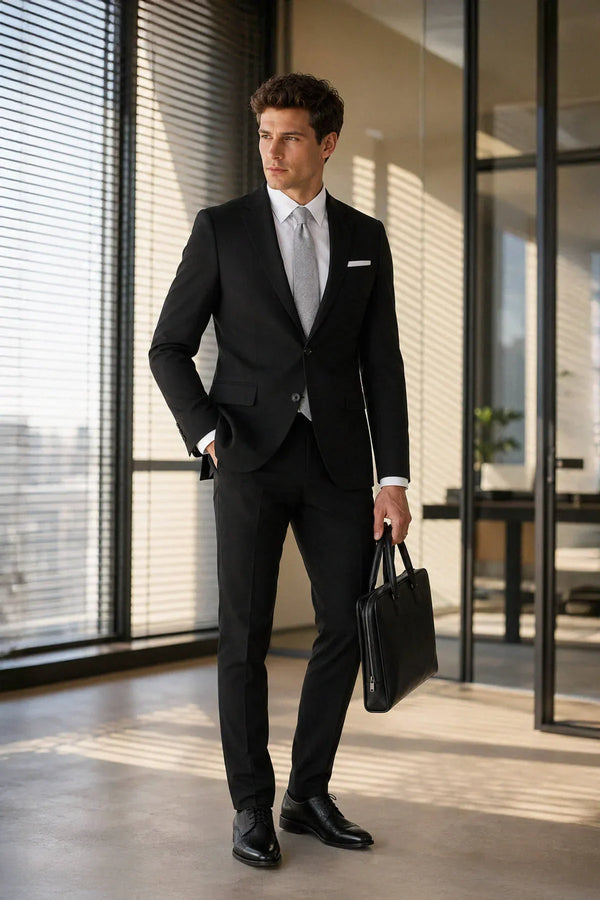
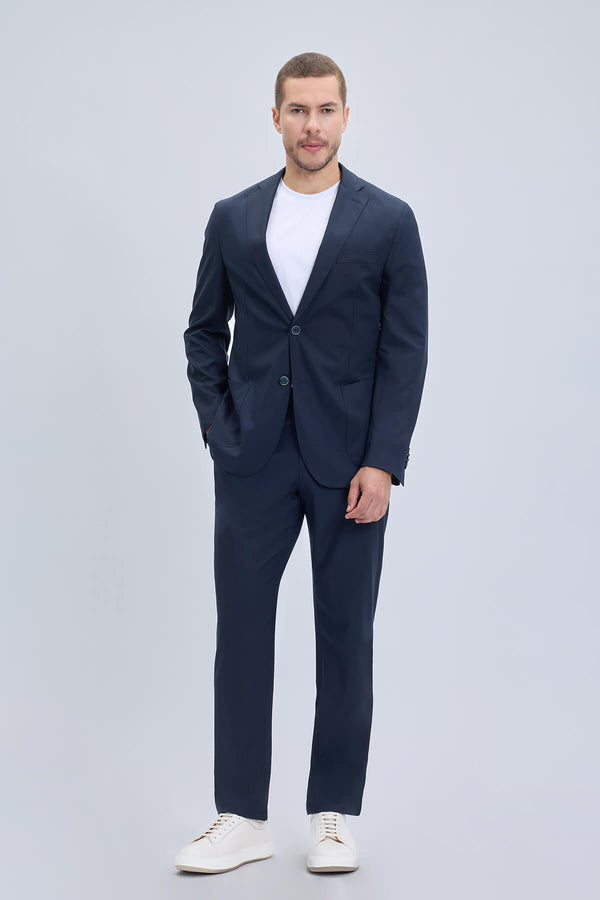
Stand Beside Your Son in a Suit You'll Keep
Suits and tuxedos start at $199.90, the same as a rental, but yours to wear long after the reception.
Shop SuitsCommon Suit Mistakes Fathers of the Groom Make, and How to Avoid Them
These missteps are easy to make because no one hands you a rulebook when your son gets engaged. Once you see them, they are simple to sidestep.
- Choosing an ill-fitting rental out of convenience. Buy a suit early and have it tailored so you look and feel like yourself all day.
- Wearing a black suit to a sunny outdoor ceremony. It soaks up heat and looks out of place against floral backdrops. Opt for navy, light gray, or dusty blue.
- Matching the groomsmen's look exactly. Coordinate color families but choose a different shade, tie texture, or lapel style so you still stand proudly as the father.
- Forgetting to consider the mother of the bride's dress. A clashing tie color can throw off every formal portrait; ask what she will wear and select a complementary tie.
- Wearing brand-new dress shoes on the wedding day. Wear them indoors for several short sessions starting two weeks out to avoid blisters.
- Leaving the pocket square at home. A simple linen square adds polish; practicing one easy fold takes five seconds.
- Ignoring the weather. Choose a fabric weight appropriate for the season and consider a vest you can remove after the ceremony.
- Skipping the final try-on. Do a full-dress rehearsal at home a week before the event and check the tie length, hem break, and cuff visibility.
How to Keep Your Wedding Suit Looking Sharp Long After the Reception
You invested in a suit you will wear again, so a little care now means it stays crisp for the next family celebration.
- Dry clean sparingly, and only when truly necessary. Over-cleaning breaks down wool fibers and fades color. Spot treat minor marks and hang the suit to air out after each wear.
- Use a wide, contoured wooden hanger. Wire hangers distort shoulder shape.
- Steam wrinkles away instead of ironing directly. A handheld steamer relaxes fabric without creating shine.
- Rotate your suit and avoid a plastic dry-cleaner bag. Cotton garment bags let the fabric breathe.
- Brush the jacket with a suit brush after wearing it. A soft-bristle brush lifts dust and keeps the fabric fresh between cleanings.
- Store trousers with care. Fold along the crease or hang by the hem with felt-grip clamp hangers to protect the material.
Why Fathers of the Groom Turn to SAYKI for the Right Suit
For many dads, the biggest hurdle is finding a suit that fits well, looks appropriate for the occasion, and does not cost more than the rental they were considering. SAYKI was built to solve exactly that problem.
Rooted in over 100 years of menswear expertise, SAYKI is the U.S. arm of Hatemoğlu, a third-generation family company founded in 1924. Our first American store opened on Madison Avenue in New York City, and today we have nine locations across New York, New Jersey, Illinois, Maryland, Massachusetts, Virginia, and Pennsylvania.
Every suit and tuxedo starts at $199.90, a price that matches what you would pay to rent, but you get to keep it. Available fits include Slim Fit, Regular Fit, Dynamic Fit, and Comfort Fit, so you never have to squeeze into a shape that does not match your body. If you are still deciding on your look, the Father of the Bride Suit Guide: Colors, Fit & Style Tips covers the same decisions from the bride's side of the family, useful if you are coordinating together. Find your nearest location on the store locator.
Frequently asked questions
Q: What color suit is best for a father of the groom?
Navy and charcoal gray are the most reliable choices. They work across seasons, venues, and formality levels without pulling focus from the couple. For daytime or outdoor weddings, mid-blue or light gray can feel fresher. Avoid pure black unless the wedding is black-tie.
Q: Should I wear a tuxedo or a suit as the father of the groom?
Match the level of formality the groom has chosen. If the groom and his party wear tuxedos, you should too. If they are in suits, a well-tailored dark suit with a tie is the better call. The key is not to be the most casual person in the room.
Q: How should a suit jacket fit properly?
The shoulder seam should end exactly where your shoulder bone ends, the collar should lie flat against your shirt collar, and the top button should close without pulling. Sleeves should show about a quarter to half inch of shirt cuff.
Q: What is the difference between slim fit and regular fit suits?
Slim Fit suits have a closer cut through the chest and waist with higher armholes and narrower trousers. Regular Fit suits offer a more traditional, straight drape with slightly more room. Neither fit is tied to age; choose the one that moves comfortably with your body.
Q: Is it cheaper to buy or rent a suit for a wedding?
Buying is often the more affordable long-term choice. High-quality rentals cost $180 to $250, with no future use. Suits starting at $199.90 put ownership at the same price, and the per-wear cost drops every time you wear it again.
Q: How much does a good men's suit cost?
A well-made suit that fits properly can start at around $200 and still look excellent with the right tailoring. At SAYKI, suits and tuxedos begin at $199.90.
Q: Where can I buy a suit for under $200?
SAYKI offers suits and tuxedos starting at $199.90 online and across its nine U.S. stores in New York, New Jersey, Illinois, Maryland, Massachusetts, Virginia, and Pennsylvania.