


15 min read


You just wore a tuxedo to a wedding or prom, and right now it is hanging in the closet still holding the memory of a great night. The next time you pull it out, maybe for a gala, another wedding, or a holiday party, you need it to look just as sharp, not creased and tired. Proper storage is what makes that happen without last-minute panic, and the habits below take only a few minutes after each wear.
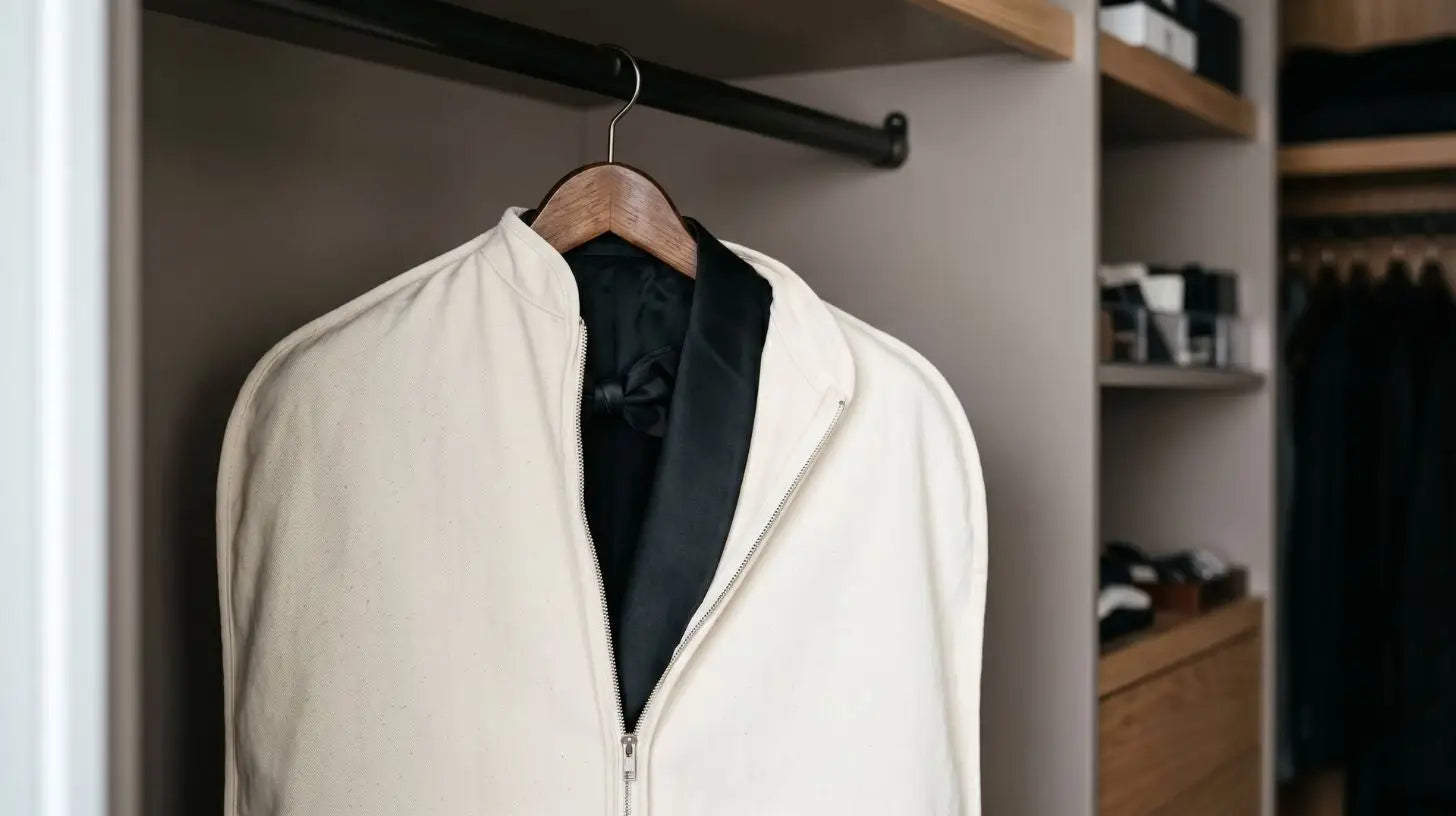
What this guide covers
This guide is for you if you already own a tuxedo or plan to buy one for weddings, proms, dance evenings, or any formal occasion where renting is no longer the only option. After reading, you will know exactly how to fold, hang, and protect your tuxedo so it stays event-ready and looks as fresh as the day you brought it home, season after season. The same routine that keeps a tuxedo sharp is the natural follow-up to the choices we cover in the Complete Tuxedo Buying Guide for Men, since a well-bought tuxedo is the one worth protecting.
What Is at Stake When You Hang a Tuxedo Incorrectly
A tuxedo left on a wire hanger for six months develops shoulder dimples that even a skilled tailor struggles to reset. One moth can create a hole that is impossible to invisibly repair. Those small oversights add up, and before you know it your investment looks worn before its time. Getting storage right protects both the look and the money you put into owning something you can wear again and again.
- Moth damage - wool tuxedos are a feast for clothes moths. Store your tuxedo inside a sealed, breathable garment bag with a natural cedar block, and never rely on open closet space alone.
- Permanent shoulder bumps - when a jacket rests on a thin hanger, gravity pulls the shoulders into a point. Switch to a hanger with a 2-inch-wide rounded shoulder end that mimics your body.
- Creased trouser shine - folding trousers along the wrong line or pressing them under the jacket creates a glossy wear mark. Hang trousers full-length using clamp hangers by the cuffs, or fold them gently along the existing crease.
- Trapped odor and moisture - after hours of dancing, the lining absorbs sweat and cologne. If you zip it straight into a bag, that moisture turns stale. Always air the tuxedo overnight on a sturdy wooden hanger before covering.
- Yellowing white shirt fronts - a plastic dry-cleaning bag against a white dinner shirt traps fumes that accelerate yellowing. Use a fabric cover for the tuxedo and store the shirt in a cotton shirt bag with cedar.
- Sagging fabric from full pockets - a pocket square or a set of keys left inside pulls the breast panel out of shape. Empty everything right after the event.
- Fading and fiber breakdown from UV light - even behind closet doors, a window across the room can bleach the shoulder line over weeks. Place the covered tuxedo on the side of the closet farthest from any light source.
- Rental fatigue vs. ownership confidence - rental tuxedos can look tired after a few wears, but when you own a tuxedo, starting at $199.90, proper storage lets you repeat the first-wear look every single time.
A few simple habits can make your own tuxedo look better than a fresh rental every time you open the wardrobe. The same care discipline matters once you are dressed too, which is why the room-ready details in How to Dress for a Black Tie Event: Men's Guide 2026 start with a garment that has held its shape in the closet.
A Step-by-Step Guide to Storing Your Tuxedo Correctly
There is a lot of advice out there, and it is easy to overcomplicate the process. In practice, a handful of repeatable actions after each wear will keep your formalwear in near-new condition for a decade. Follow these steps in order the moment you get home from the event.
Step 1: Inspect and spot-clean before the tuxedo rests
Turn the jacket inside-out and check the lining under bright light. Look at the lapels, cuffs, and trouser waistband for any spots, even clear liquids. Blot gently with a damp, white cotton cloth and let it air-dry completely before you move on. Never rub the fabric, which can push the stain deeper into wool fibers.
Step 2: Air out the jacket and trousers for at least 24 hours
Hang the jacket on a wide wooden or padded hanger, unbuttoned, and the trousers by the cuffs from a clamp hanger. Place them in a well-ventilated room away from direct heat or sunlight. This releases humidity trapped in the lining and lets the fabric relax back to its natural shape.
Step 3: Choose the right hanger and use it immediately
A contoured suit hanger with a shoulder width of at least 2 inches prevents dimpling. The hanger bar should be smooth, with no rough joins that can snag the lining. For trousers, a clamp hanger that grips the hem keeps the crease sharp without stretching the waistband.
- Jacket hanger: Look for a broad shoulder curve, preferably wood or dense foam, and a trouser bar for extra air circulation.
- Trouser hanger: Felt-lined clamps protect delicate wool from pressure marks. Hang trousers by the cuffs so the weight of the hip area naturally pulls out wrinkles.
Step 4: Button one jacket button and zip the trouser fly
Fasten only the top button of a two-button jacket, or the middle button of a three-button style, to keep the lapels from folding awkwardly. Zip the trouser fly fully, which maintains the front pleat line and prevents diagonal wrinkles across the hip.
Step 5: Cover with a breathable garment bag
Use a cotton, muslin, or Tyvek bag that allows air to circulate. Plastic dry-cleaning bags trap residual moisture and can yellow silk lapels over time. Slip the bag from the top, making sure the tuxedo shoulders sit freely without crushing, and do not squeeze multiple garments into one cover.
Step 6: Store in a cool, dry part of your home
Avoid attics, basements, and closets on exterior walls that swing between hot and cold. The ideal temperature range is 60 to 72 degrees Fahrenheit, with humidity below 55 percent. A small dehumidifier in the closet during summer months is a smart extra layer of protection.
Post-event storage checklist
✓ Spot-clean every visible mark
✓ Air out 24 hours before covering
✓ Move to a 2-inch contoured hanger
✓ Empty every pocket completely
✓ Cover in breathable cotton, never plastic
✓ Add a cedar block, skip the mothballs
✓ Store accessories in a separate pouch
✓ Keep it cool, dark, and away from windows
Step 7: Fold the trousers correctly if you are short on hanging space
Lay the trousers flat, front side up, with the crease lines perfectly aligned. Fold them in half lengthwise and then once across the knee area, placing acid-free tissue paper inside the fold to prevent a hard crease. Never roll the trousers, since rolling can stretch the waistband and distort the drape.
Step 8: Store accessories in separate breathable pouches
Remove the cufflinks, studs, and bow tie. Wrap metal pieces in a soft cloth to avoid scratches. Keep a spare pair of trouser braces and a white pocket square in the same pouch so everything you need for the next event stays together.
Once this routine feels automatic, you will not think twice about pulling out your tuxedo three weeks before prom or a wedding, because it will actually look as crisp as it did the first night.
Editor's Picks
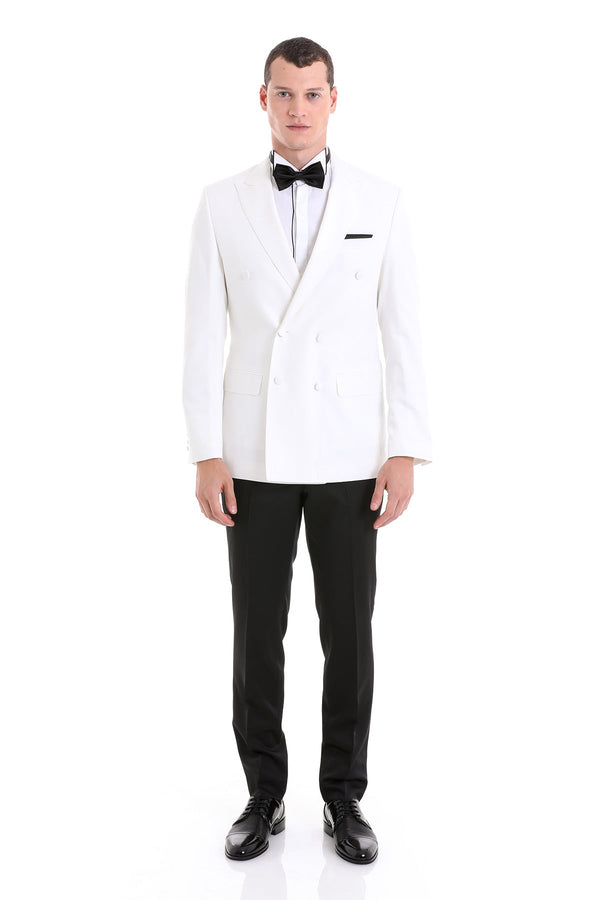
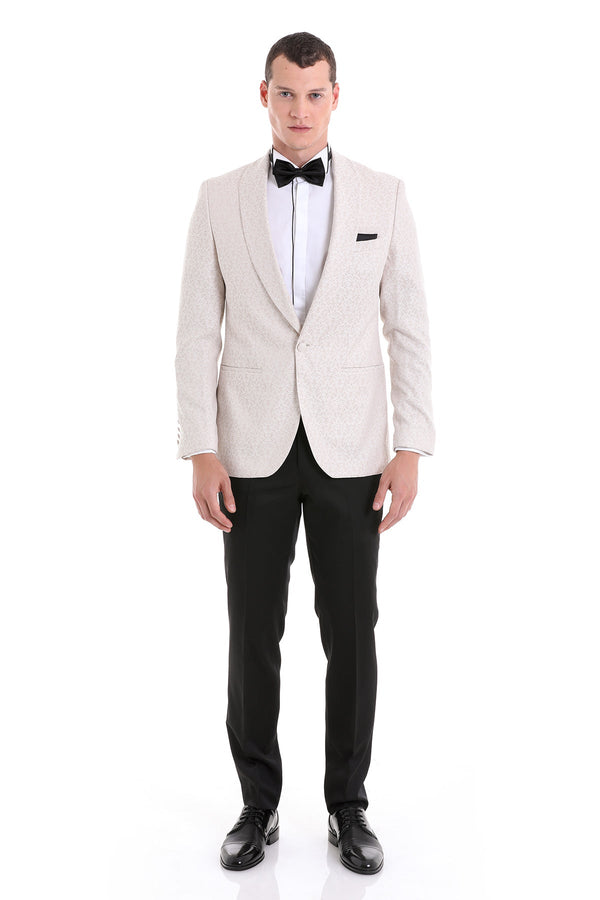
Own a Tuxedo Worth Keeping Sharp
SAYKI tuxedos start at $199.90, the same as one rental, so the garment you store and protect is yours for every formal night ahead.
Shop TuxedosTuxedo Storage Mistakes That Can Shorten Its Lifespan
Even the most careful owners fall into a few quiet traps that gradually degrade a tuxedo's shape and wool. Recognizing them early makes the difference between a garment that lasts five years and one that still turns heads after fifteen.
- Leaving the tuxedo in a plastic dry-cleaning bag - plastic traps humidity and chemical residues from the cleaning process. Always switch to a fabric garment bag as soon as you get home.
- Hanging on a wire hanger - the thin metal creates sharp pressure points that deform the shoulder padding. A proper suit hanger costs less than a dry-cleaning run and saves you tailored alterations later.
- Storing near a heater or sunny window - wool fibers contract and weaken under repeated heat and UV exposure. Even a few hours of afternoon sun hitting the bag can lighten black wool to an uneven charcoal.
- Skipping the pre-storage clean - a microscopic speck of wine or sauce may be invisible now, but over months it will oxidize and become a stubborn stain. Spot-treat before you hang it away.
- Using mothballs instead of cedar - naphthalene leaves a chemical smell that is hard to remove from silk linings. Natural cedar blocks or lavender sachets repel moths without lingering odor.
- Overloading the garment bag - cramming a tuxedo next to heavy overcoats compresses the lapel roll and creases the sleevehead. Give the tuxedo its own breathable bag with enough room to hang freely.
- Forgetting to empty pockets and lapel pin - a lapel flower pin left in place can rust and stain the satin. Remove every accessory before the jacket goes into the bag.
- Folding trousers the wrong way - folding them in half across the thigh instead of along the knee creates a horizontal line that becomes a permanent shine mark. Always fold along the natural crease or hang by the cuffs.
Avoid these traps, and every time you pull out the tuxedo you will trust it looks impeccable, with no last-minute steaming or emergency tailoring needed. This same attention is what a father of the bride relies on, and we walk through that specific role in How to Choose a Tuxedo for Father of the Bride.
How to Care for a Tuxedo Beyond the Closet
The way you care for a tuxedo between events directly affects how well it holds up, far beyond just hanging it right. A small handful of habits keep the nap of the wool rich, the satin lapels shiny in the best way, and the structure intact.
- Dry clean only when truly soiled - limit cleaning to once a season or after every 5 to 6 wears. The solvents used gradually strip natural lanolin from wool, making the fabric brittle and prone to shine. Spot-clean instead for small marks.
- Steam, do not iron - use a handheld garment steamer to release light wrinkles and refresh the shape. Hold the steamer a few inches away and let the wool relax naturally, since direct iron heat can permanently flatten the nap and leave shiny press marks.
- Brush after each wear - a soft horsehair garment brush lifts dust, dead skin cells, and surface debris from the shoulders and sleeves before you store it. Work in short, gentle strokes with the grain of the wool.
- Rotate trousers if you own a spare pair - some tuxedo packages include two pairs of trousers because they get more wear. Alternate between wears to let the fabric rest, which extends the life of both.
- Check for loose buttons and snags before dressing - fix a dangling button immediately so it does not tear away during the event. Keep a small sewing mending kit in your tuxedo accessories pouch.
- When packing for a destination wedding, use a suit folder - a structured garment folder with tissue paper inside the folds prevents deep creases during travel. Once you arrive, hang the tuxedo in the bathroom while you shower, and the gentle steam will release any packing wrinkles.
- Refresh with linen spray, not cologne - spritzing cologne directly on wool can stain. A light mist of linen water on the lining a few hours before wearing adds a clean, subtle scent without risk.
A few minutes of attention after each event keeps your tuxedo investment looking better than a rental, wear after wear. Small effort, big payoff.
Why SAYKI Owners Find Tuxedo Storage Easier
When you buy a tuxedo from SAYKI, you are starting with a garment cut from resilient fabrics and constructed with a full canvas chest piece that naturally holds its shape. That structure makes storing it simpler because the jacket does not collapse on the hanger the way a flimsy rental can.
SAYKI is the U.S. arm of Hatemoğlu, a family company that has been making menswear since 1924. Over 100 years of tailoring knowledge goes into every tuxedo, from the 375 Madison Avenue flagship in New York to the nine stores across NY, NJ, IL, MD, MA, VA, and PA. You can walk into any of them and try on fits that actually respect your body: Slim Fit for a modern silhouette, Regular Fit for classic proportion, Dynamic Fit for an athletic build, and Comfort Fit for easy movement without looking boxy. Find your nearest location through the SAYKI store directory.
And because tuxedos start at $199.90, the same price as a single rental, more men are choosing to own rather than borrow. When you own your formalwear, you naturally care for it with the steps in this guide, and you get the confidence of a precise fit every single time. Owning means the garment is yours to keep sharp for proms, galas, and weddings without the last-minute rental counter stress.
Even if you are simply browsing, seeing a SAYKI tuxedo in person at our Madison Avenue flagship or at a nearby store makes it clear why so many men stop renting. You will feel the fabric weight, see how the sleevehead sets, and understand how a well-built tuxedo hangs, and how much easier it is to keep that way.
Frequently asked questions
How do I store a tuxedo properly to keep its shape?
Use a wide, contoured wooden hanger for the jacket and a felt-lined clamp hanger for the trousers. Always let the tuxedo air out for 24 hours before covering it in a breathable cotton or muslin garment bag. Store it in a cool, dark closet away from direct heat or sunlight, and add a natural cedar block to repel moths without chemical smells.
How often should I dry clean a tuxedo?
Dry clean only when visible stains appear or after about 5 to 6 wears, roughly once a year if you attend a handful of formal events. Over-cleaning dries out the natural oils in wool yarns, leading to premature shine and fiber breakage. Between wears, spot-clean small marks with a damp white cloth and use a steamer to refresh the garment.
How do I remove wrinkles from a tuxedo jacket without an iron?
Hang the jacket in the bathroom while you take a hot shower, and the gentle steam will relax the wool fibers within about 15 minutes. For deeper creases, use a handheld garment steamer and pass it a few inches above the fabric, never pressing directly. If you must use an iron, place a pressing cloth between the iron and the wool and use low heat with only steam, but steaming is always safer.
Is it worth buying a tuxedo instead of renting one?
Yes, especially when you can buy a well-made tuxedo for the same price as one or two rentals, often starting at $199.90. Owning means you get a tailored fit, no last-minute pickup stress, and a garment you can wear repeatedly with just a bit of care. Plus, a tuxedo you own and store properly will look consistently sharper than a cleaned-and-cycled rental.
How much does a good tuxedo cost?
A quality wool tuxedo starts around $200 to $500 for solid construction, and many brands like SAYKI offer entry-level options from $199.90 that rival rental inventory. Higher price brackets reflect hand-sewn details and exclusive fabrics, but a $200 tuxedo that fits well and is stored correctly can last a decade.
How long should a quality tuxedo last?
With proper storage and infrequent cleaning, a well-made wool tuxedo can last 10 to 15 years or longer. The key factors are using padded hangers, avoiding excessive dry cleaning, and keeping it away from moths and moisture. Many men pass a classic single-button peak-lapel tuxedo down because the style does not date.
Does SAYKI offer tuxedos at the same price as renting?
Yes. SAYKI tuxedos start at $199.90, which is comparable to a single rental fee for a similar wool style in many U.S. markets. That means you can own a tuxedo you will wear multiple times, for prom, galas, and weddings, instead of paying a rental fee every single time and getting a generic fit.