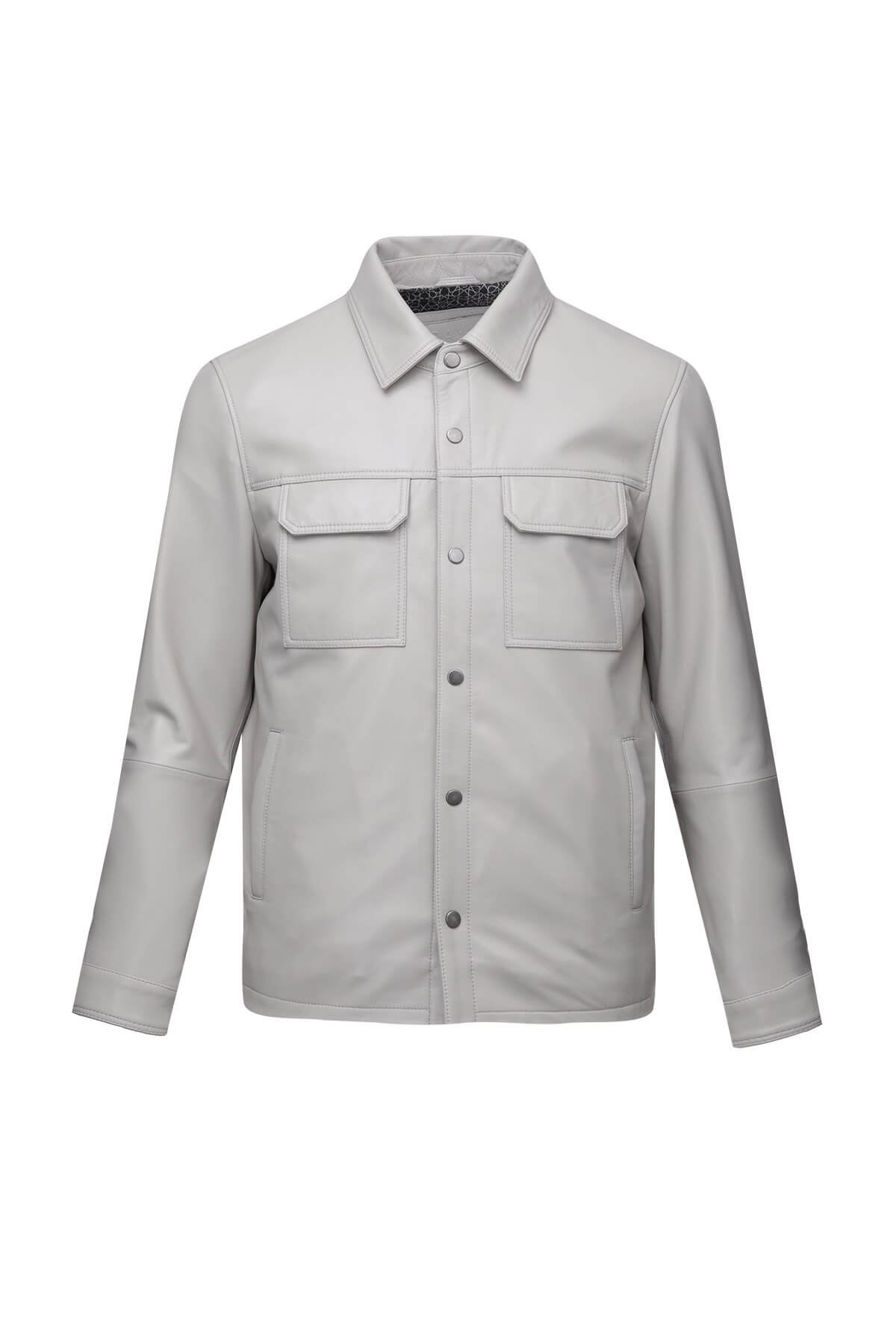
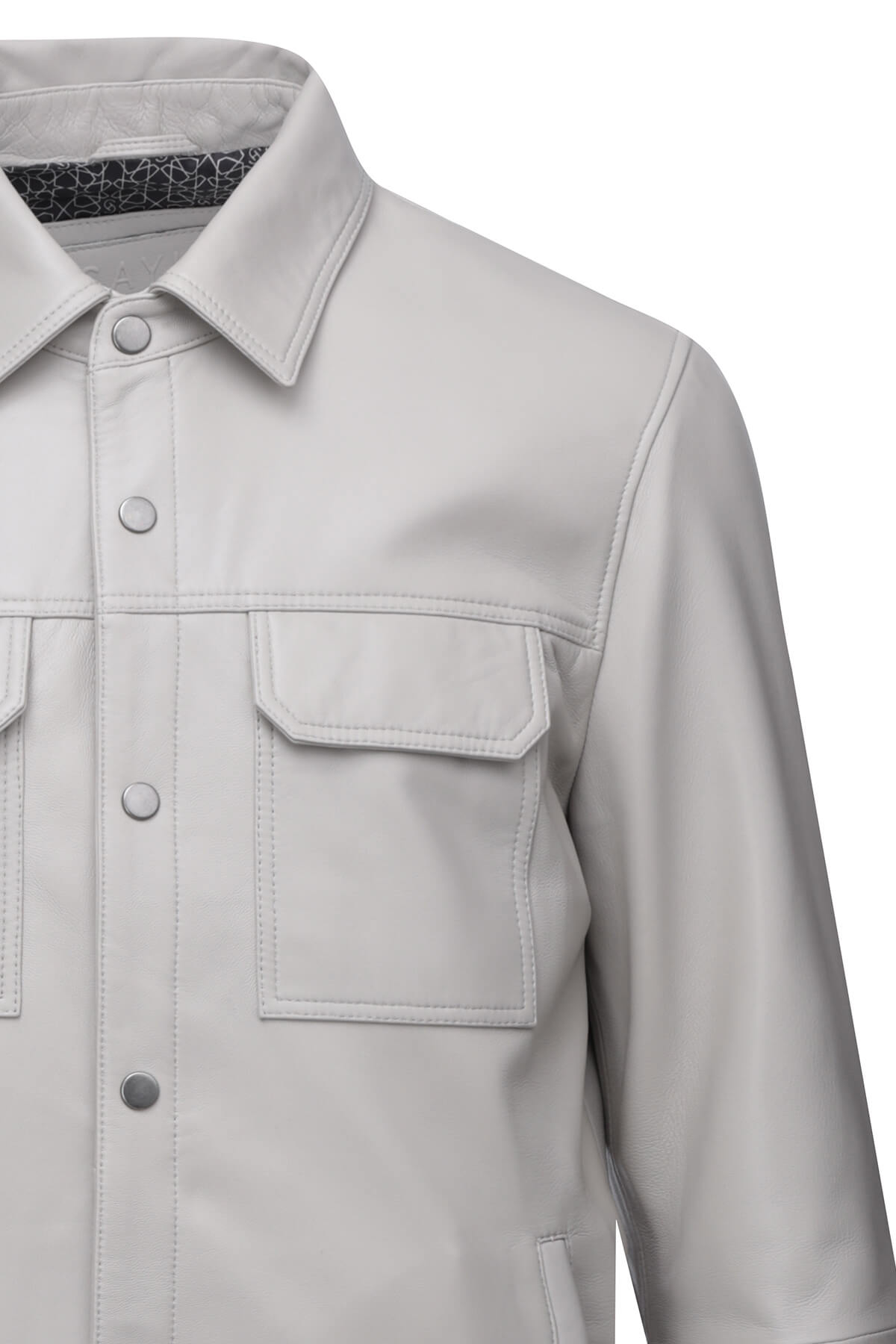
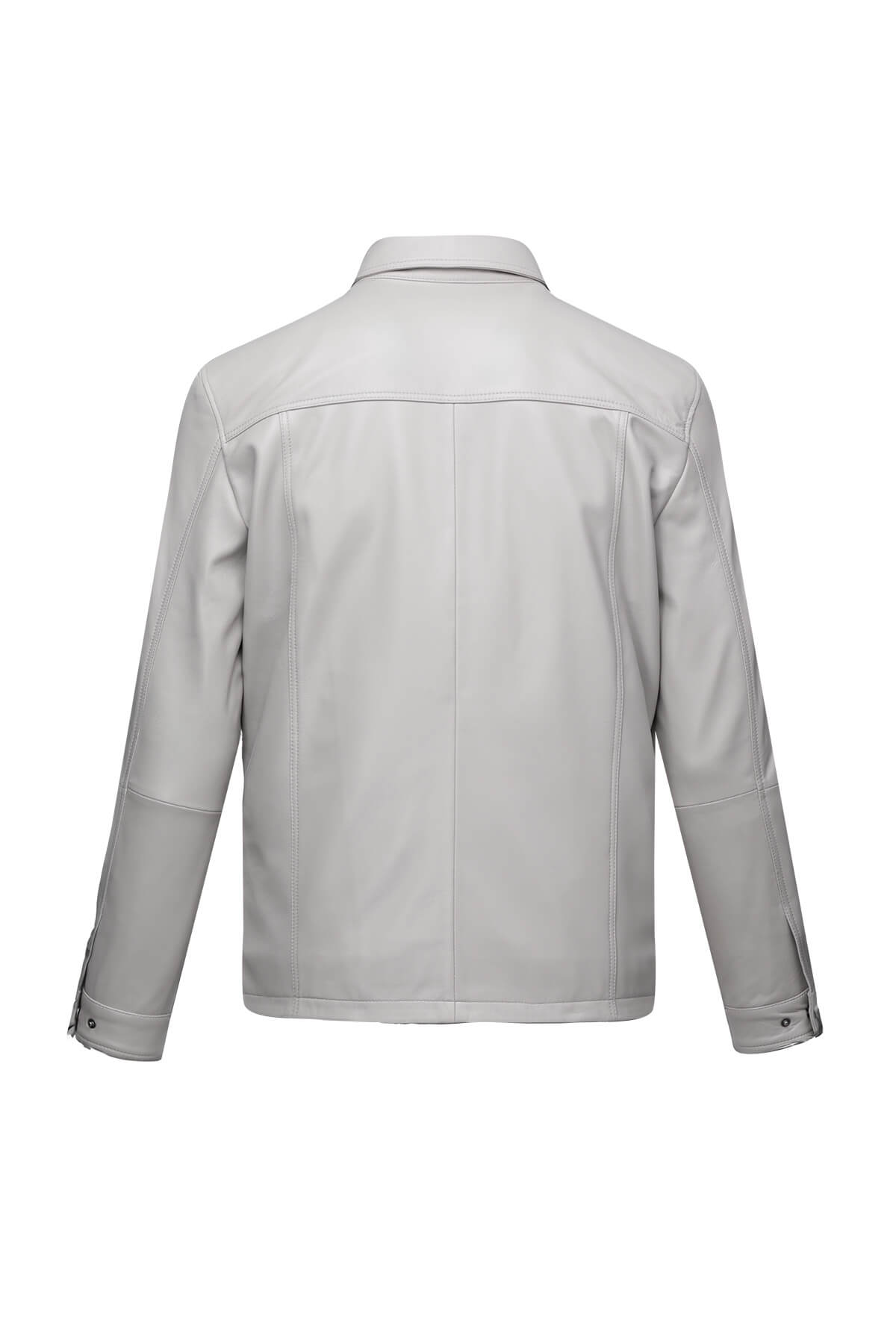
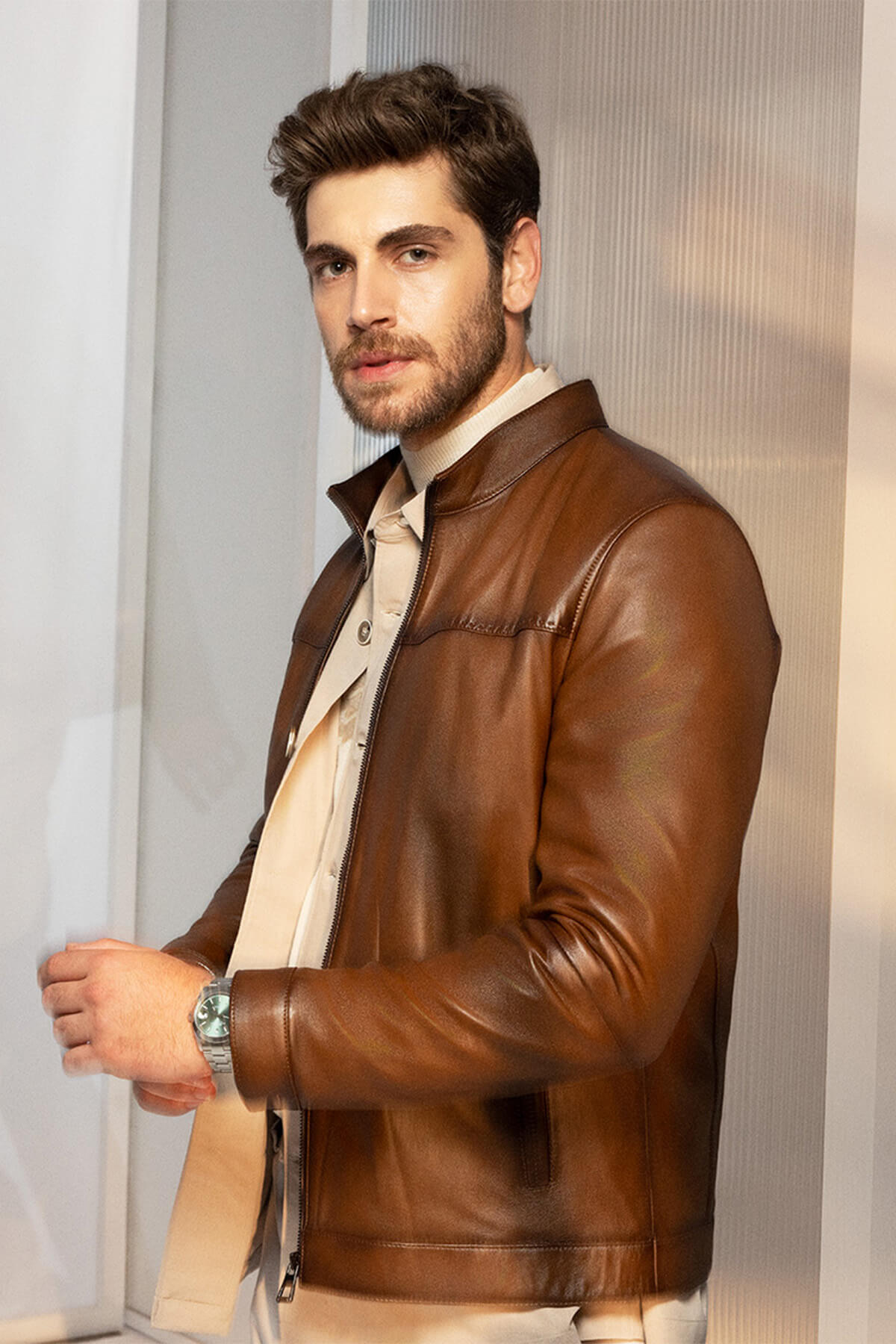
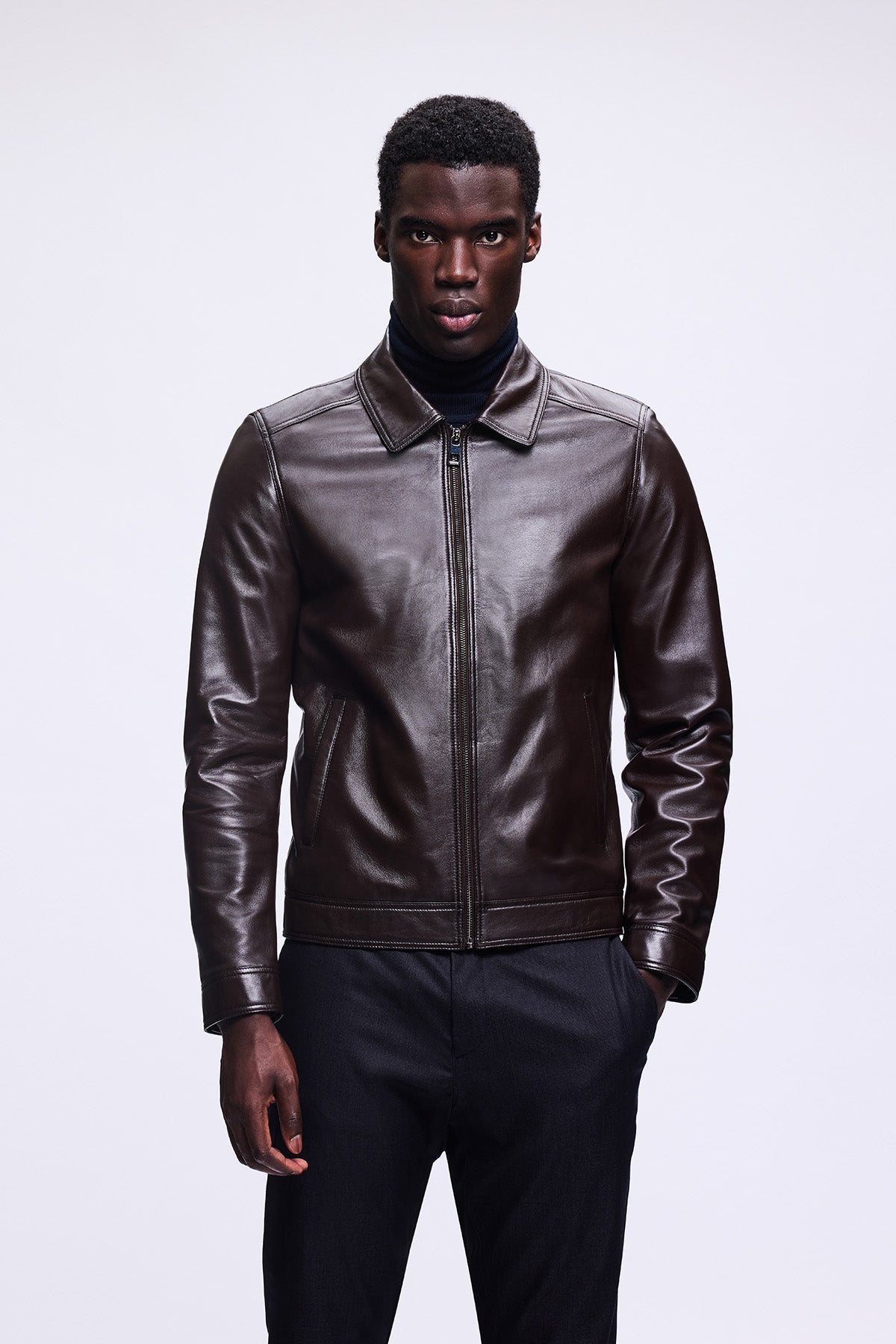
Men's Leather Coat Collection
A leather coat is a full-length or three-quarter-length outerwear piece crafted from animal hide, prized for its durability, wind resistance, and timeless appeal. Unlike shorter leather jackets, leather coats extend past the waist to offer greater coverage and a more commanding silhouette. The weight and texture of genuine leather create a natural drape that improves with age, developing character over years of wear.
SAYKI's leather coat collection draws on nearly a century of outerwear expertise to deliver coats that balance classic design with modern proportions. Each piece is designed with structured shoulders and clean lines that transition smoothly from business settings to evening occasions. With a focus on premium hides and careful finishing, these coats offer an investment-grade addition to any wardrobe at an accessible price point.
Types of Leather Coats and Their Uses
Leather coats generally fall into a few core styles. The classic overcoat silhouette works well over suits and tailored clothing for professional settings, while a more relaxed, straight-cut leather coat pairs naturally with jeans and knitwear for off-duty wear. Trench-style leather coats with belted waists offer a more defined shape and carry a slightly more fashion-forward edge.
The type of leather also influences the coat's purpose. Full-grain cowhide is the most durable and structured option, ideal for coats meant to handle daily wear across cold seasons. Lambskin and sheepskin are softer and lighter, making them better suited for transitional weather or layering over outerwear pieces. For maximum warmth without a separate insulated layer, shearling jackets provide a natural wool lining that regulates temperature effectively.
How to Choose the Right Leather Coat for Your Needs
Fit is the most important factor when selecting a leather coat. The coat should allow room for layering a sweater or blazer underneath without pulling at the shoulders or chest. SAYKI offers leather coats in tailored proportions that accommodate layering while maintaining a clean line through the torso.
Consider the coat's intended use. If you need reliable cold-weather protection, look for coats with a longer hem, a heavier hide, and interior lining. For milder conditions or indoor-to-outdoor transitions, a lighter leather coat with minimal lining offers flexibility without overheating. Length is also a personal choice, but mid-thigh is the most versatile option for most body types.
Styling Tips: Wearing Leather Coat in Different Seasons
Leather coats work across a wider range of seasons than most people expect. In winter, layer a leather coat over a wool sweater and pair it with a scarf for insulation at the neck, where cold air enters most easily. If temperatures drop significantly, consider wearing a padded vest underneath for core warmth without adding sleeve bulk. For the coldest days when leather alone may not provide enough insulation, puffer jackets are a practical alternative to keep in rotation.
In spring and fall, a leather coat serves as a standalone outer layer over lighter shirts or t-shirts. The natural breathability of quality leather prevents overheating in moderate temperatures. During summer, it is best to store your leather coat properly, but in cooler evening settings, a lightweight leather coat can still work as a sharp finishing layer. When warmer months call for a different outerwear approach entirely, lightweight jackets offer breathable coverage that complements the rest of your seasonal wardrobe.
Caring for Your Leather Coat
Proper care extends the life of a leather coat significantly. After each wear, hang the coat on a wide, padded hanger to maintain its shoulder shape and allow the leather to breathe. Avoid wire hangers, which can distort the shoulders over time. Store leather in a cool, dry space away from direct sunlight, and never seal it in plastic, as leather needs airflow to prevent moisture buildup and mildew.
For regular maintenance, wipe the surface with a damp cloth to remove dust and apply a leather conditioner every three to six months to keep the hide supple. Address stains promptly with a product designed specifically for leather. For deep cleaning or significant scuffs, professional leather cleaning is worth the investment. With consistent care, a well-made leather coat will last for decades and develop a rich patina that adds to its character.
Discover SAYKI's Leather Coat Range
SAYKI's leather coats are built with the same attention to construction and fit that has defined the brand since 1924. From structured silhouettes suitable for the office to relaxed cuts designed for weekend wear, the collection offers options for different preferences and occasions. Each coat is crafted with quality hardware, reinforced stitching, and carefully selected hides to deliver long-lasting performance at an accessible price.