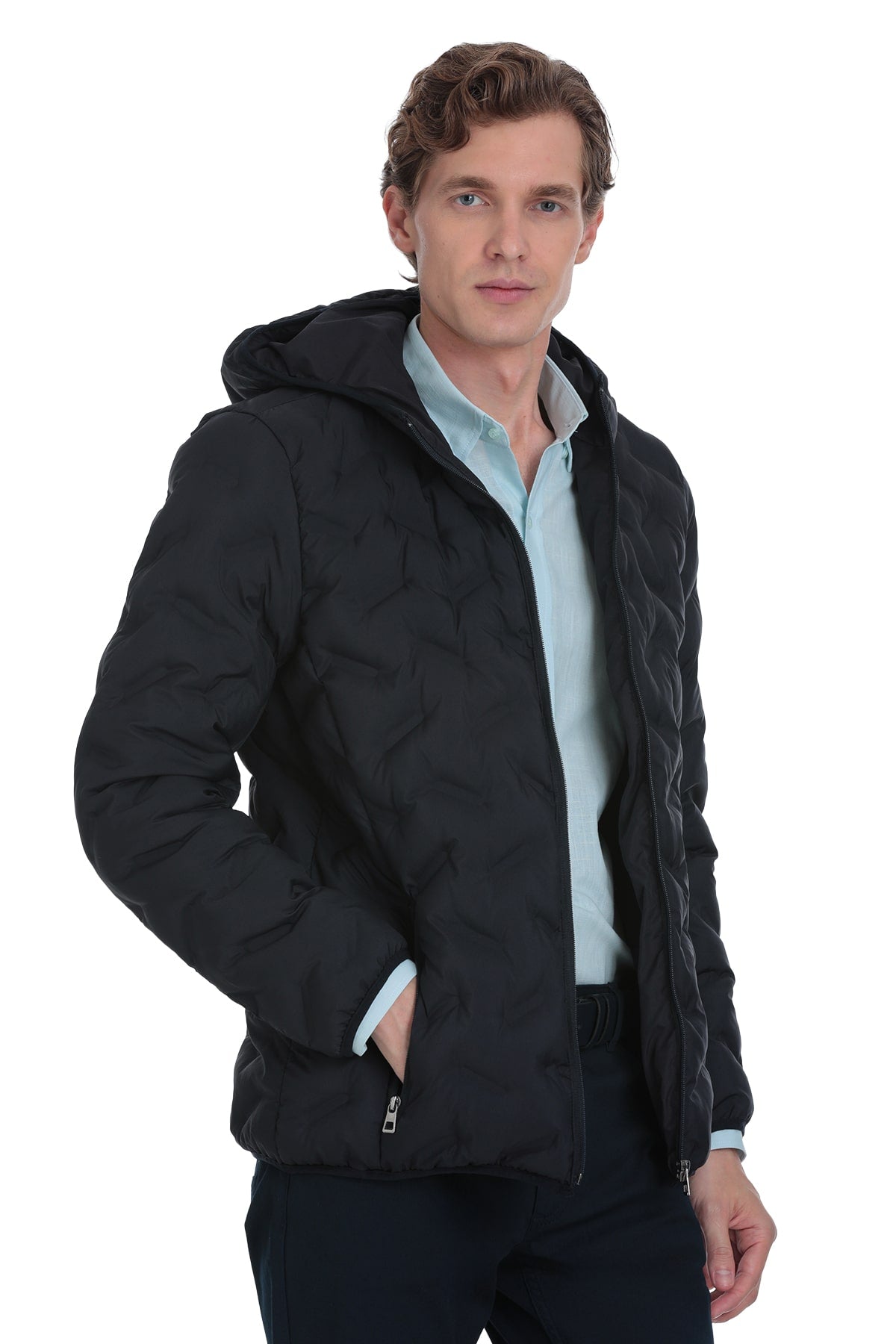
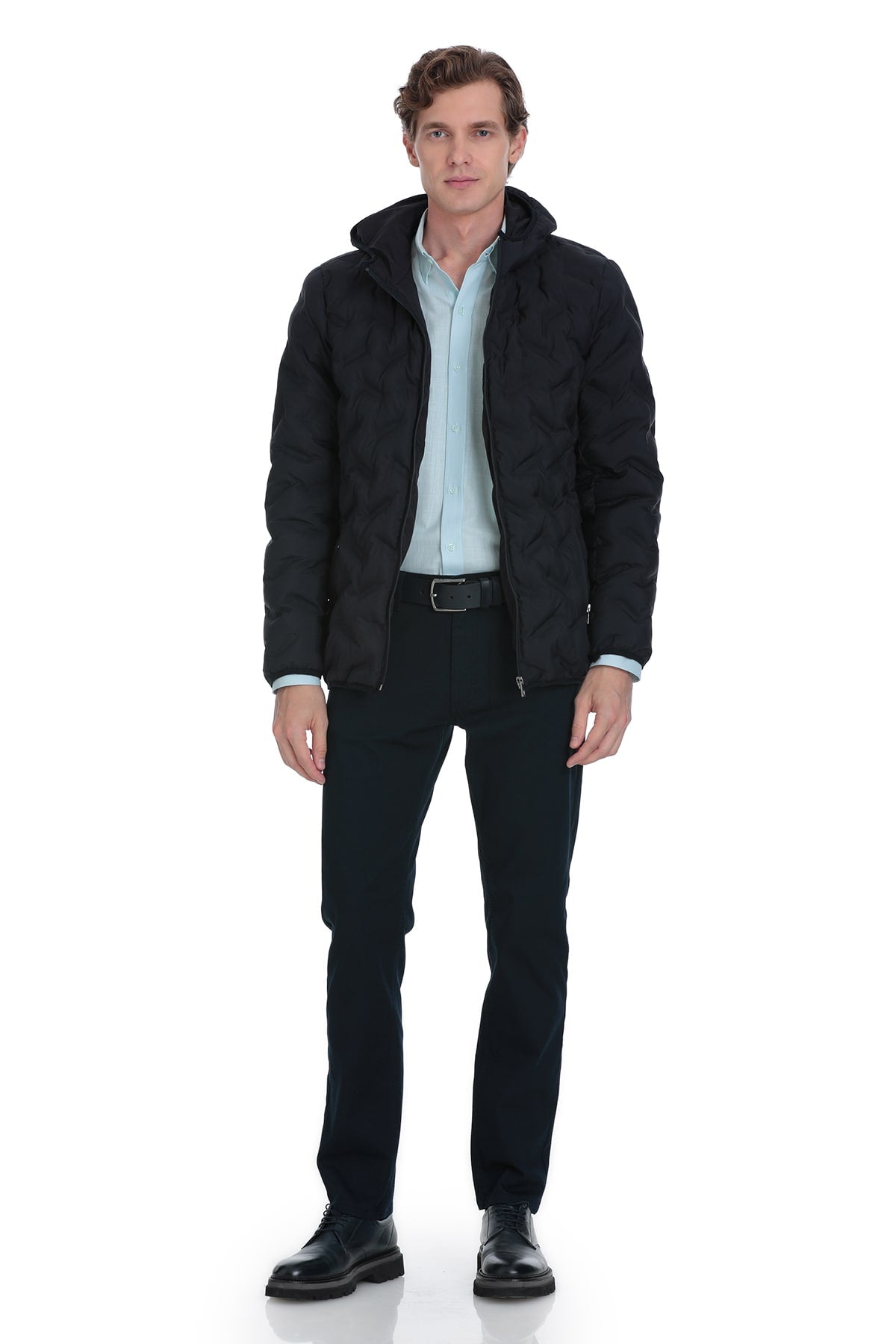
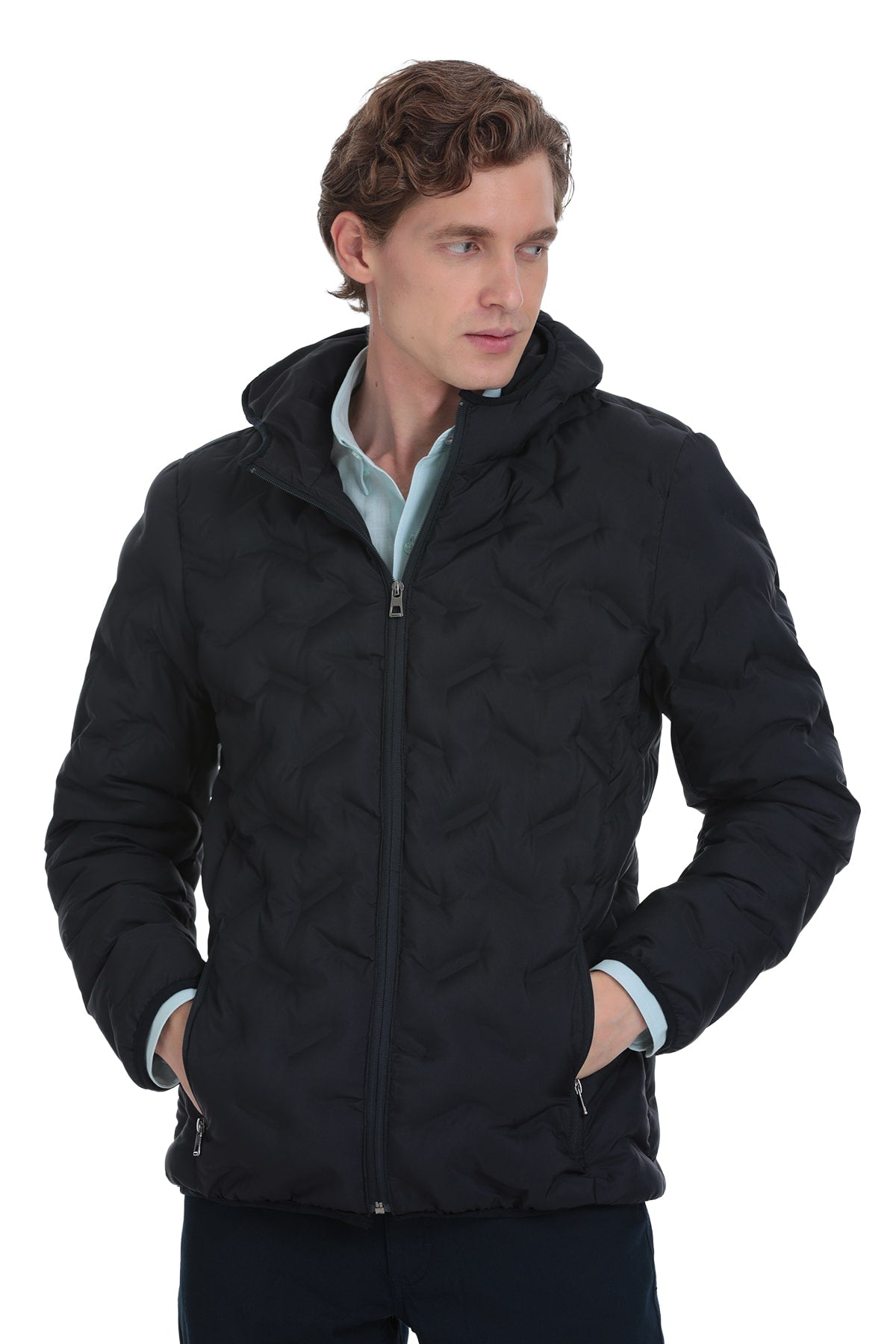
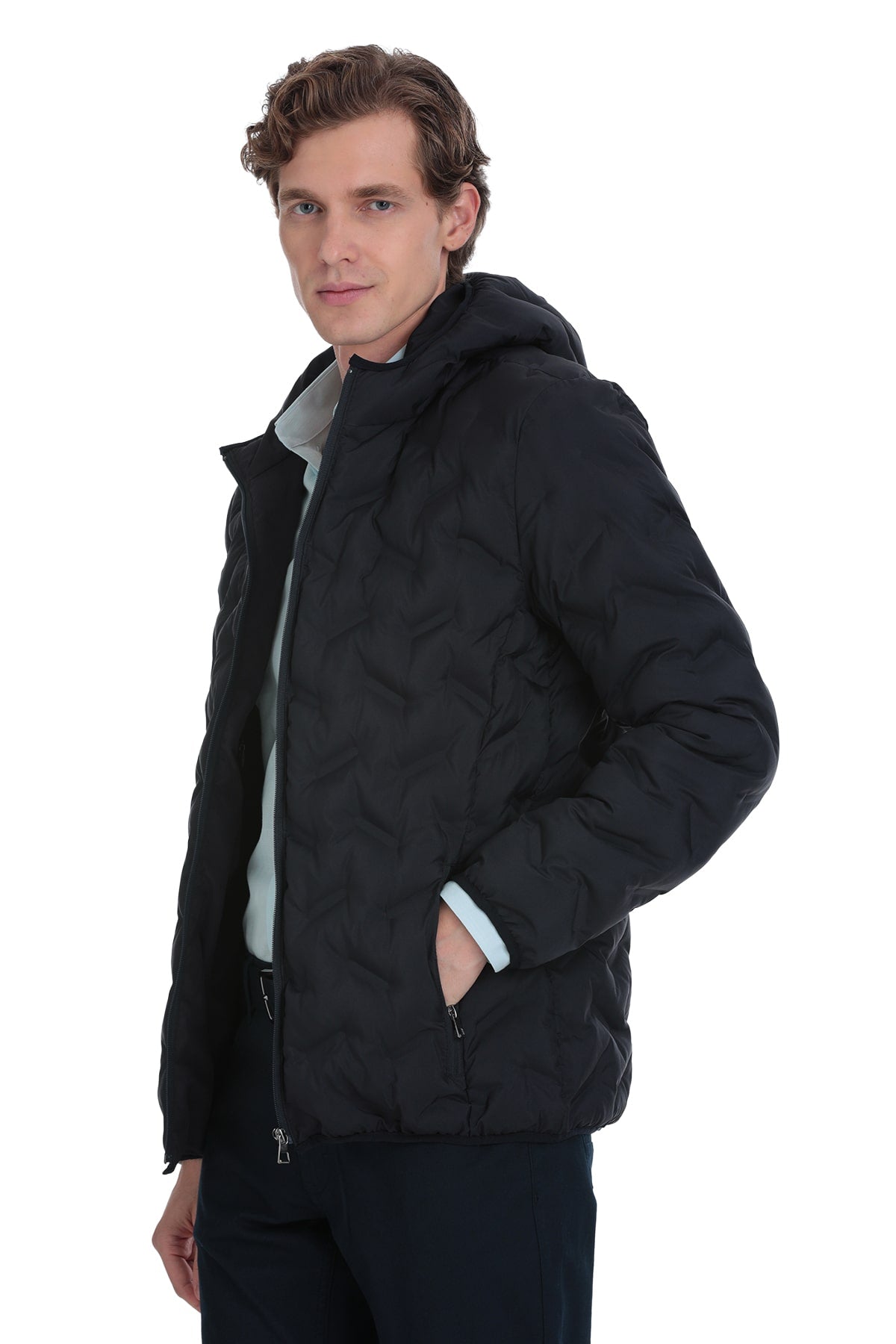
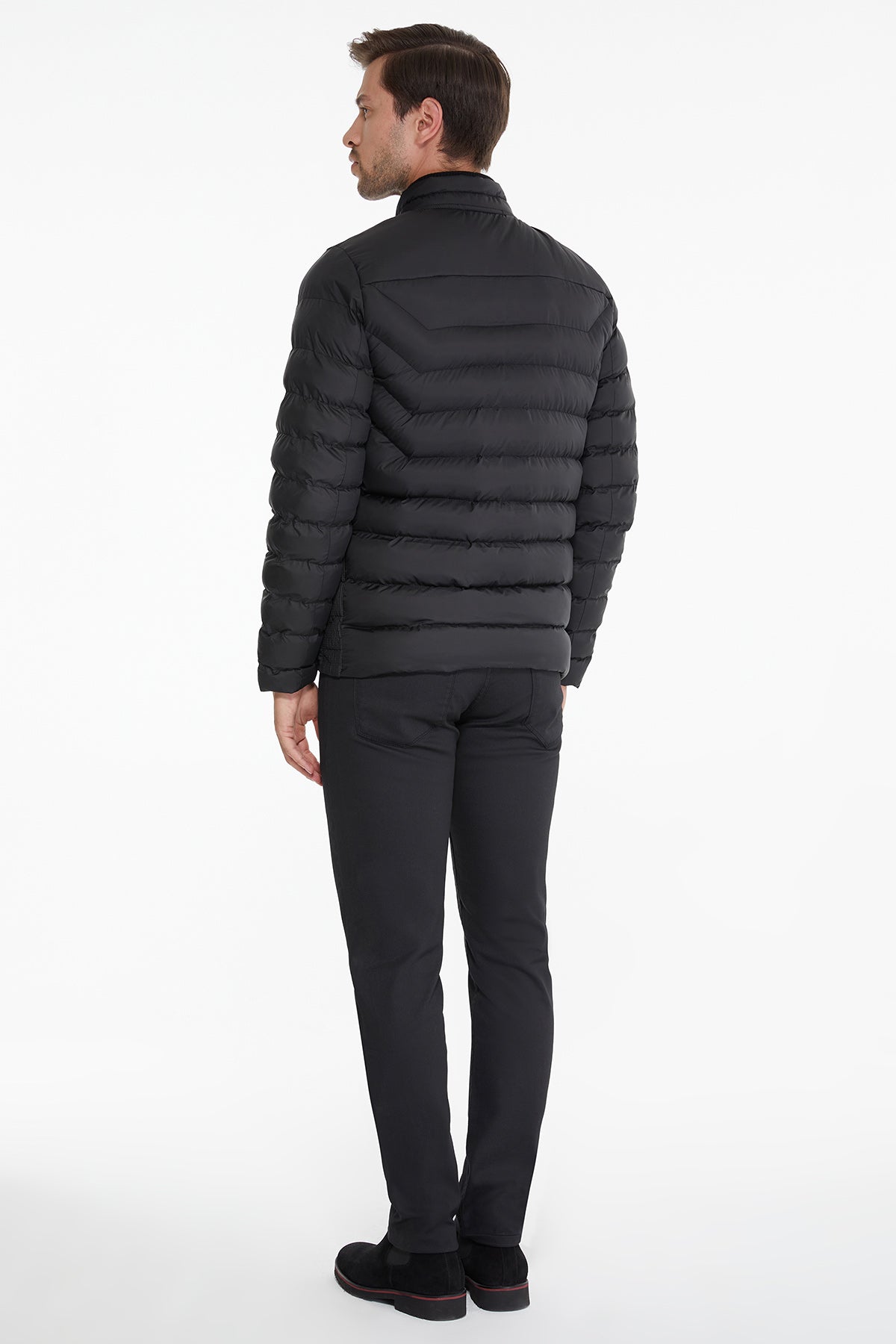
Men's Puffer Jackets Collection
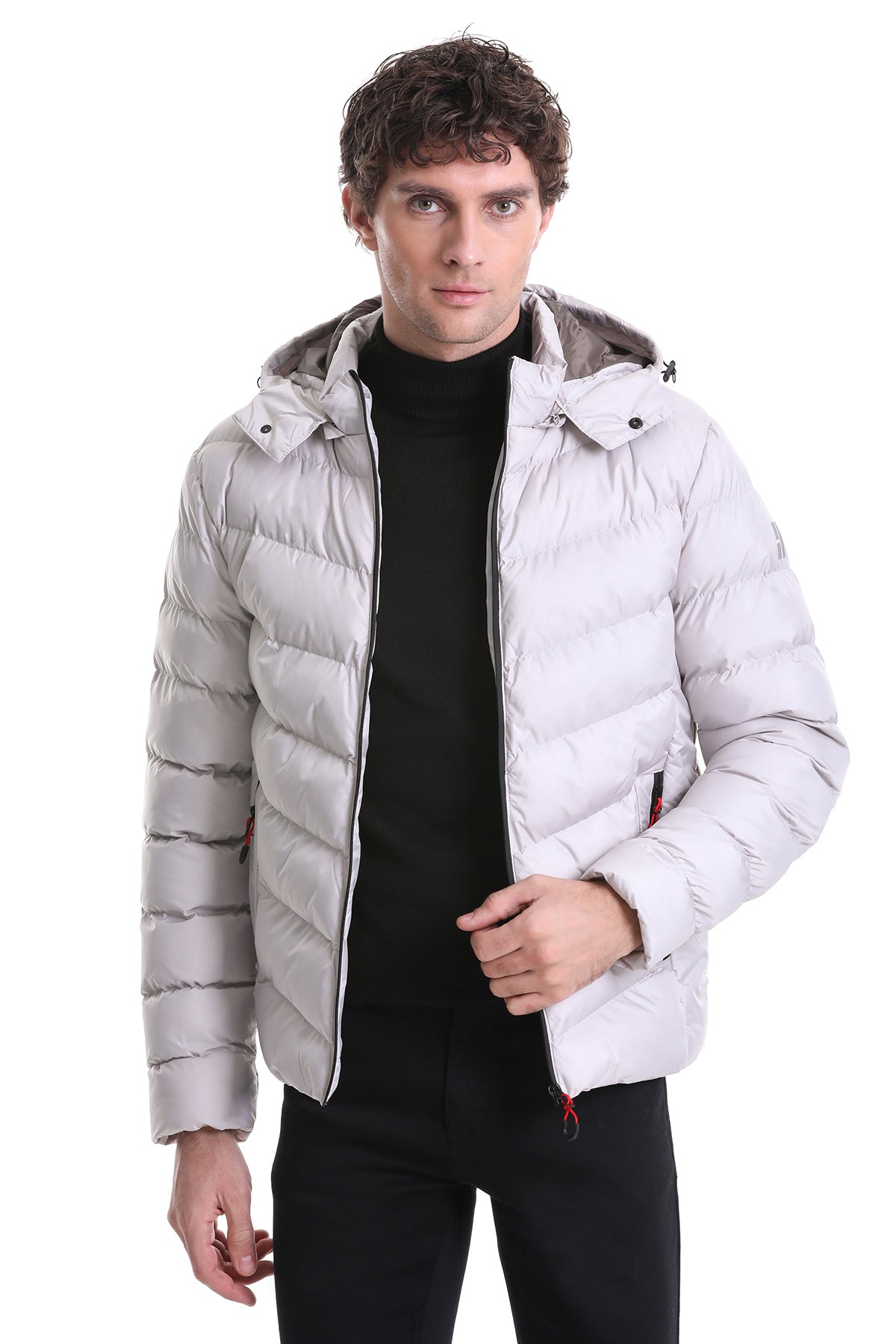
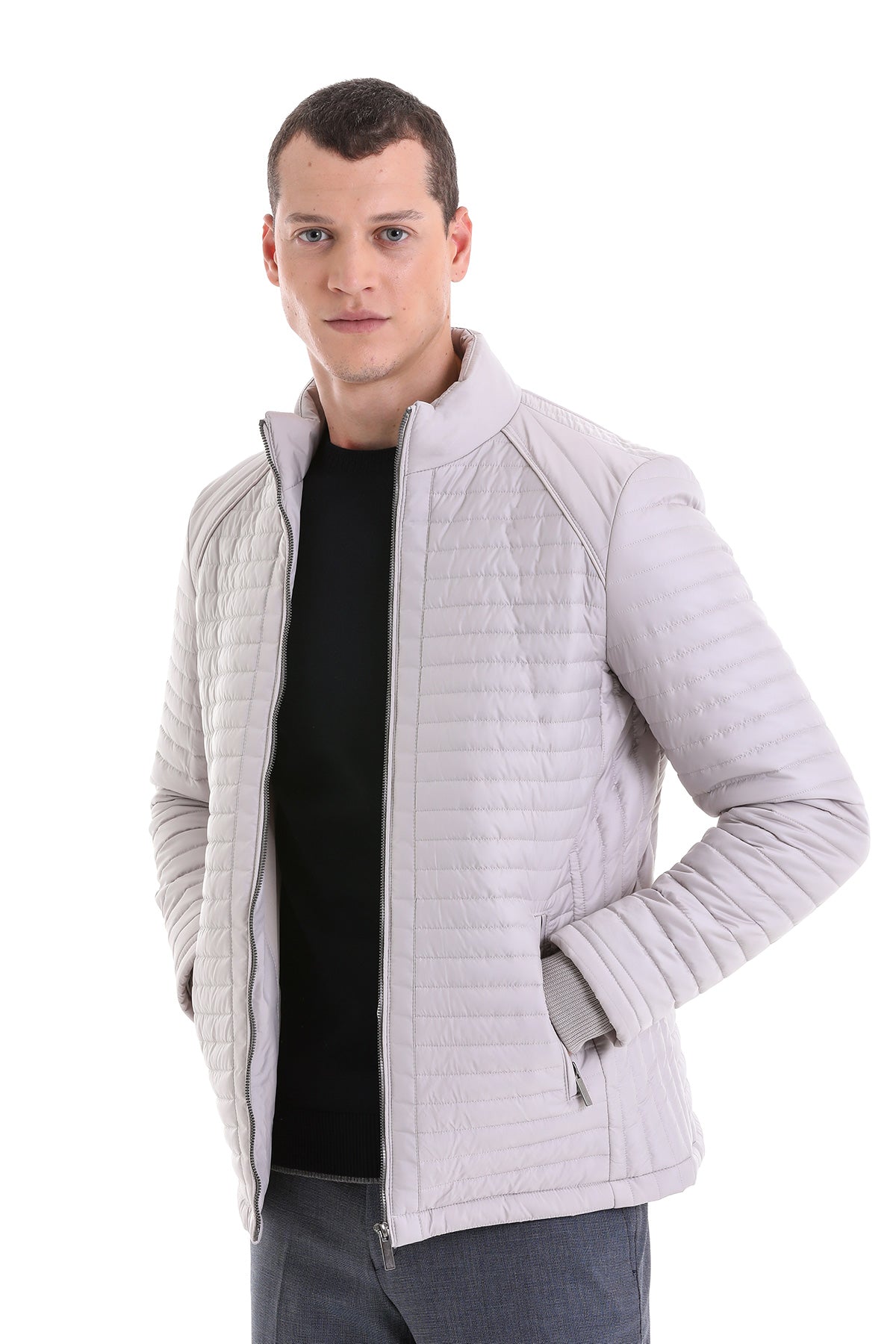
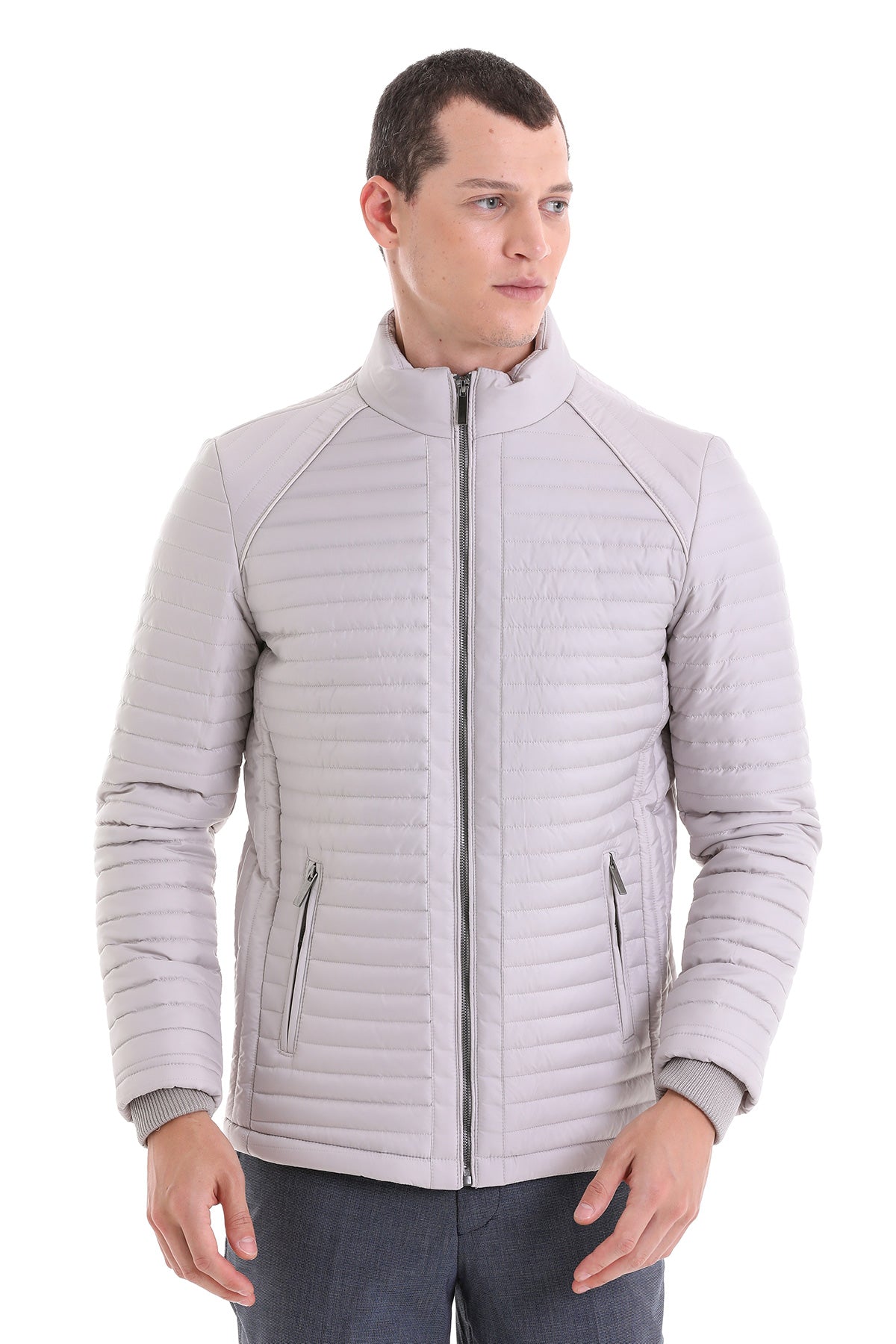
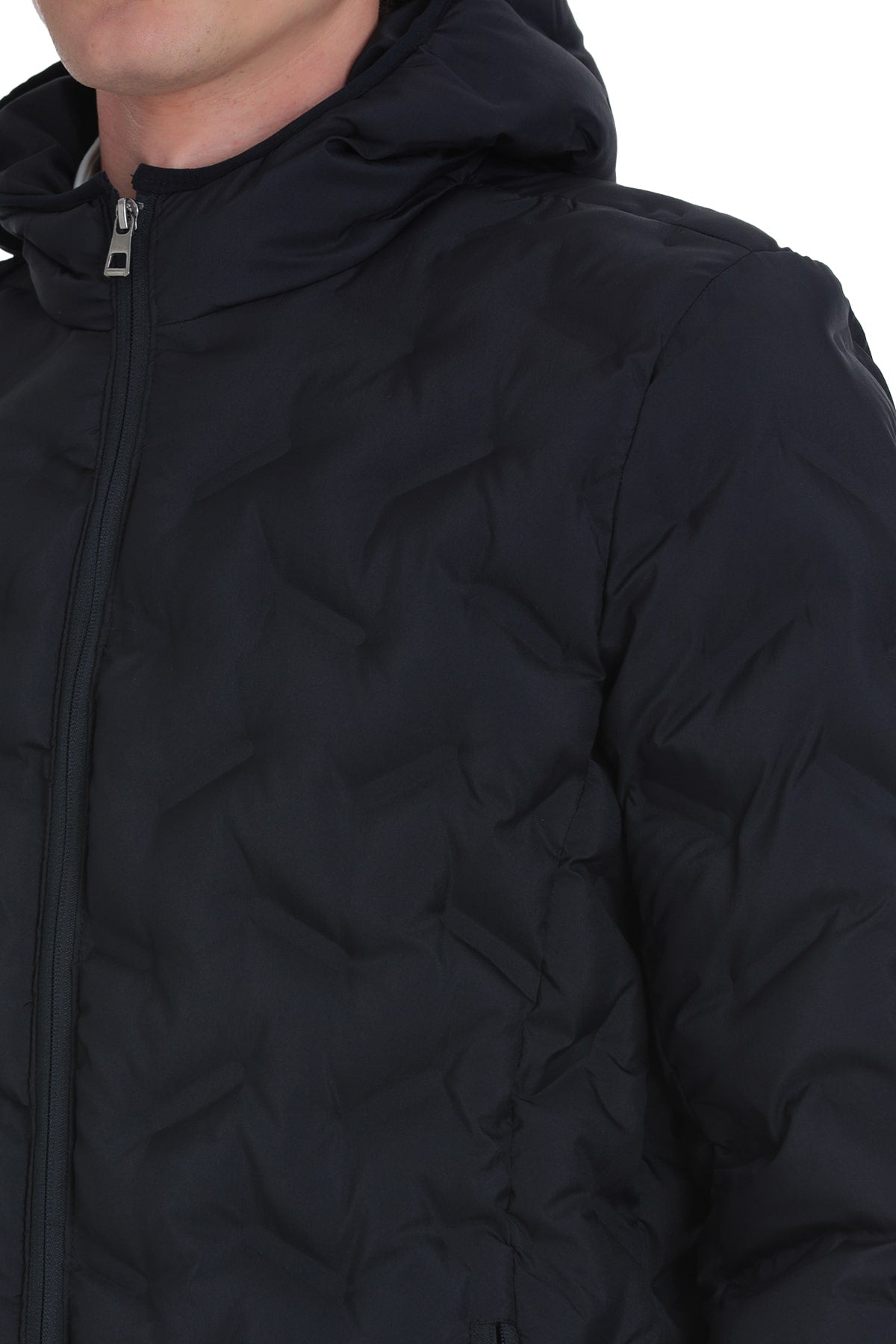
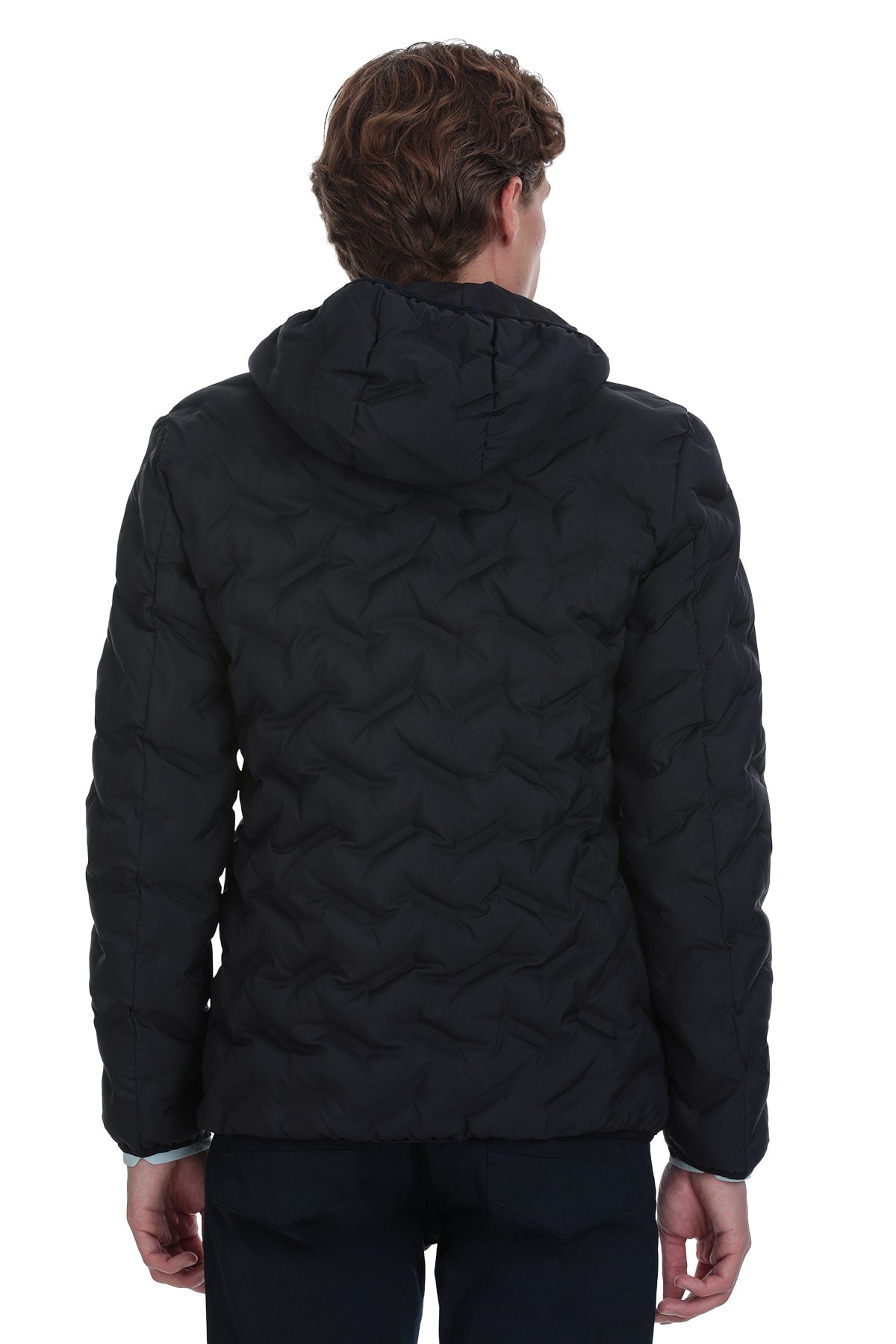
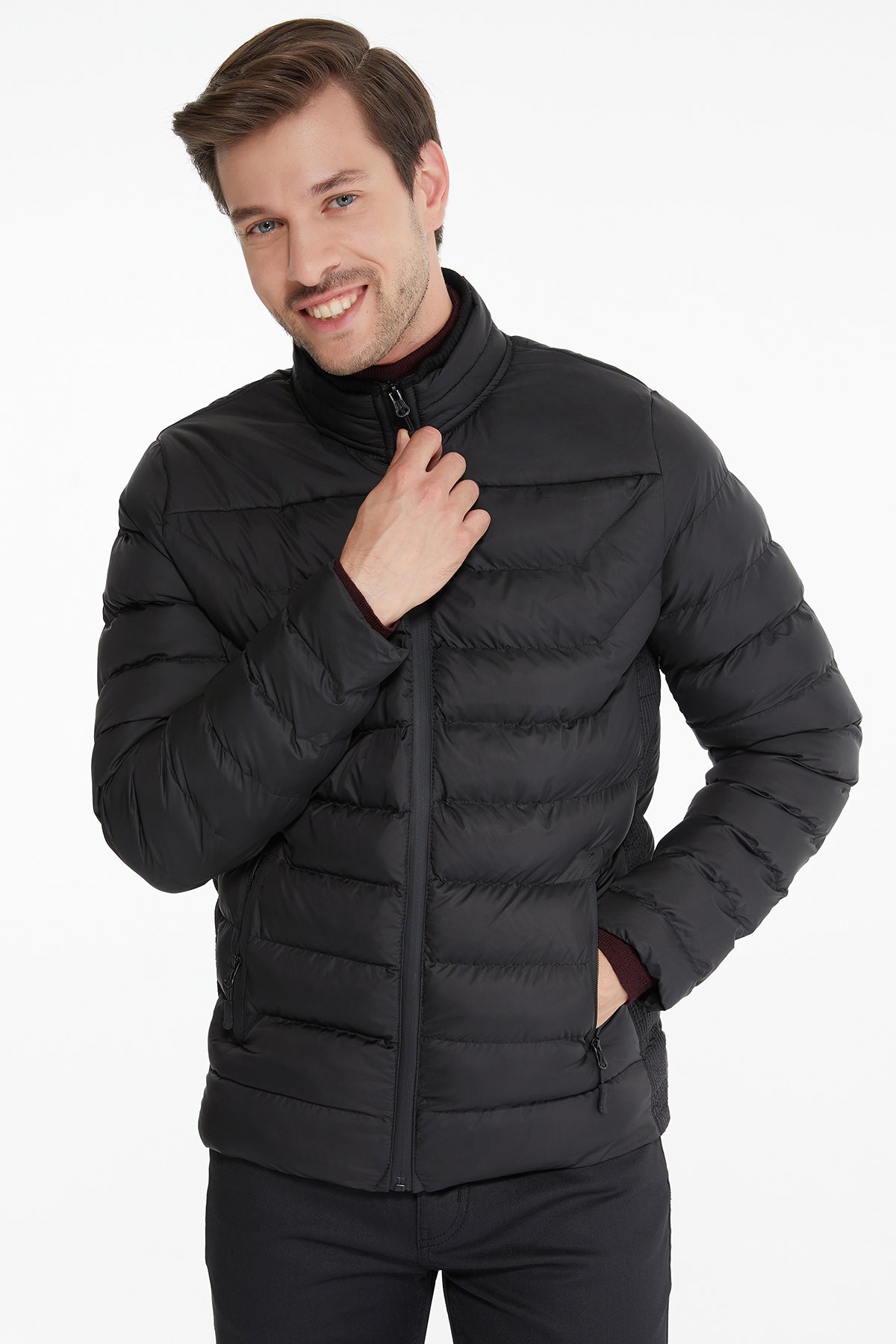
Puffer jackets are insulated outerwear constructed with quilted sections filled with down or synthetic fill, designed to trap body heat while remaining lightweight and packable. The signature quilted baffles prevent the insulation from shifting, creating consistent warmth across the entire jacket. Originally developed for extreme cold-weather use, puffer jackets have evolved into a versatile wardrobe staple that bridges performance and style for everyday wear.
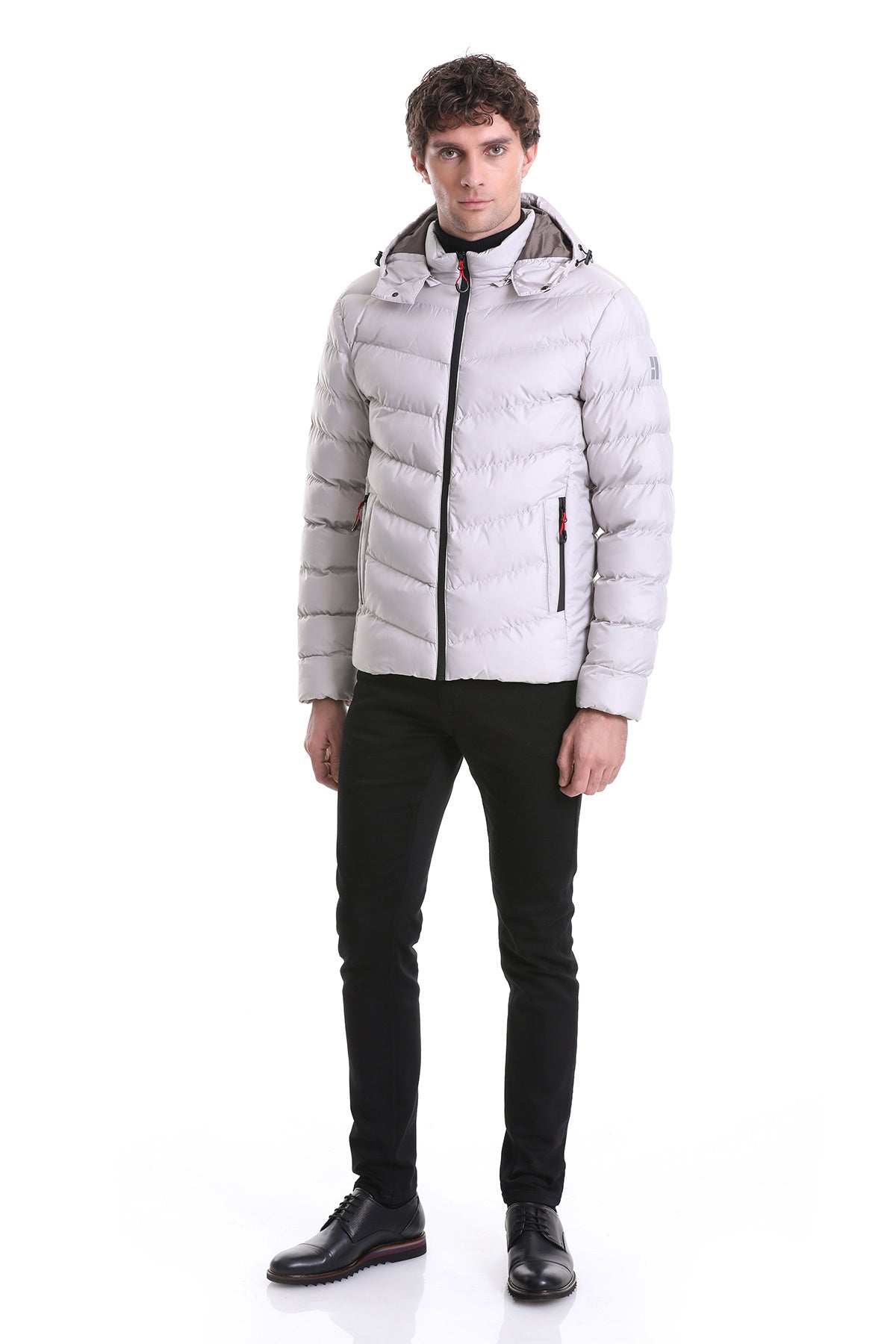
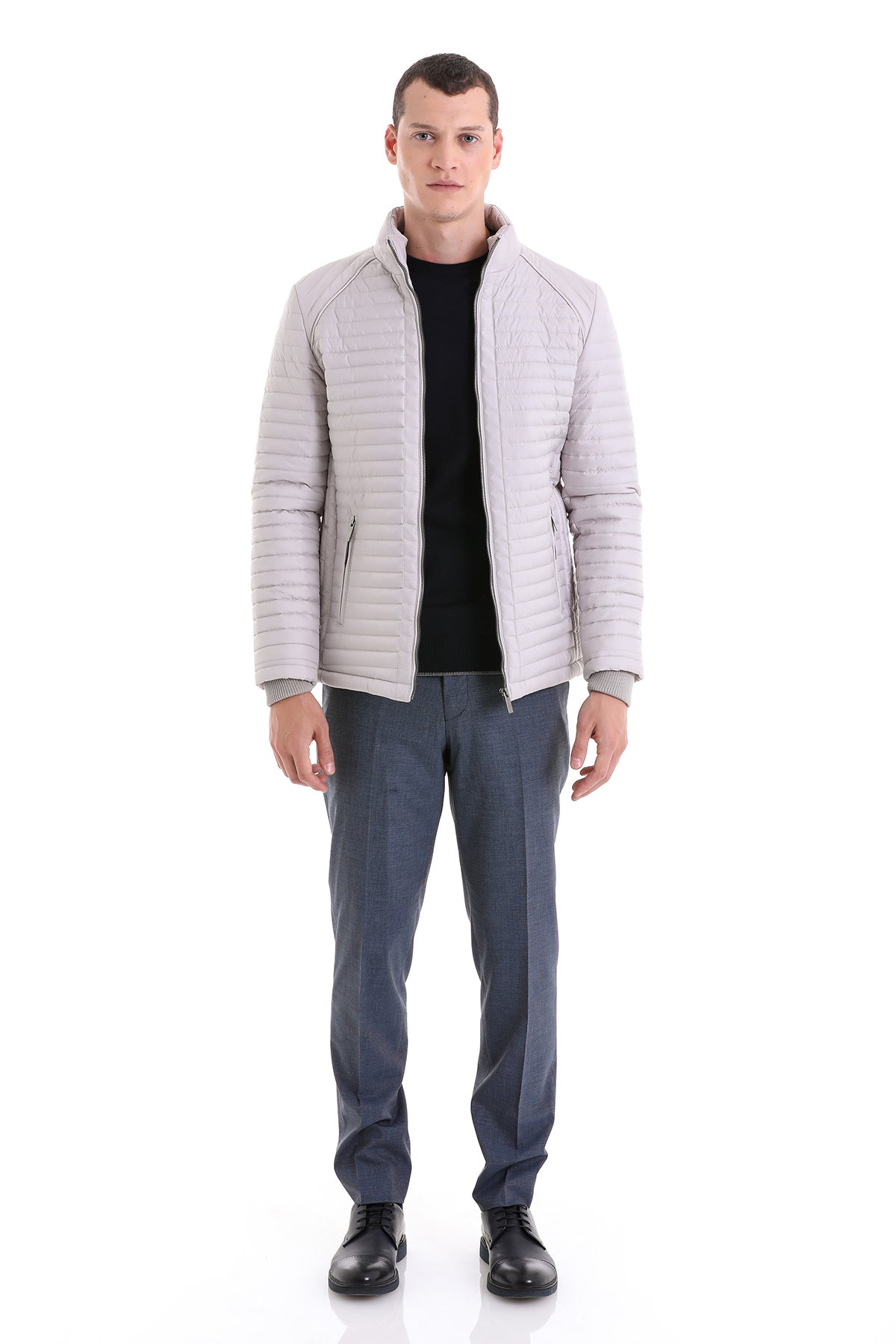
SAYKI's puffer jacket collection draws on nearly a century of outerwear craftsmanship to deliver clean-lined, tailored silhouettes that work as easily over a suit as they do with casual weekend layers. With options ranging from slim-profile designs to relaxed fits, the collection offers insulated jackets that maintain a sharp look without the bulk typically associated with winter outerwear.
Types of Puffer Jackets and Their Uses
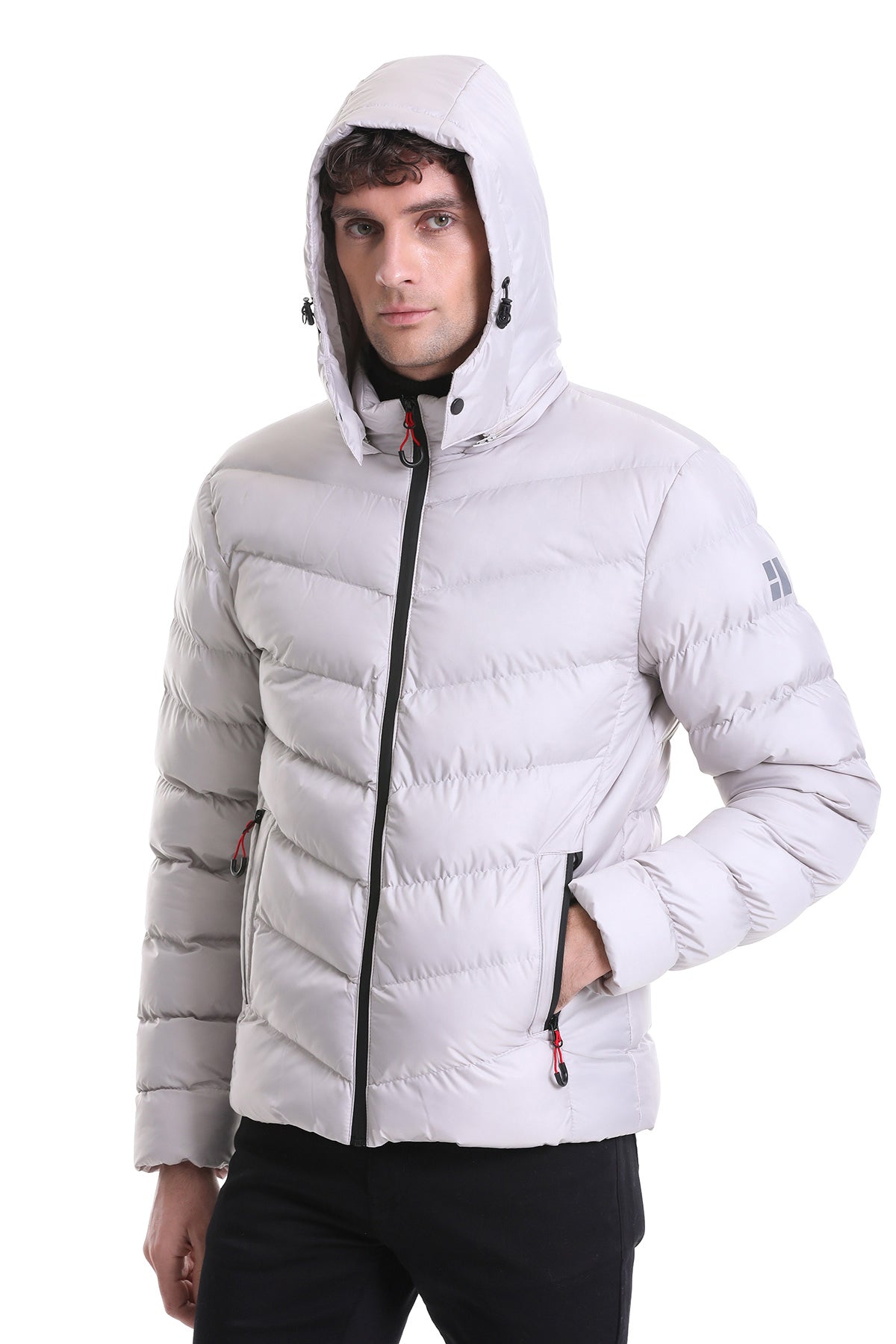
Puffer jackets come in several constructions, each suited to different needs. Lightweight puffers use thinner insulation and compact quilting, making them ideal for layering during transitional weather or packing into a travel bag. Mid-weight puffers offer the best balance between warmth and mobility for daily commutes and general cold-weather use. Heavyweight puffers feature higher fill power and larger baffles for genuine winter protection in sub-freezing temperatures.
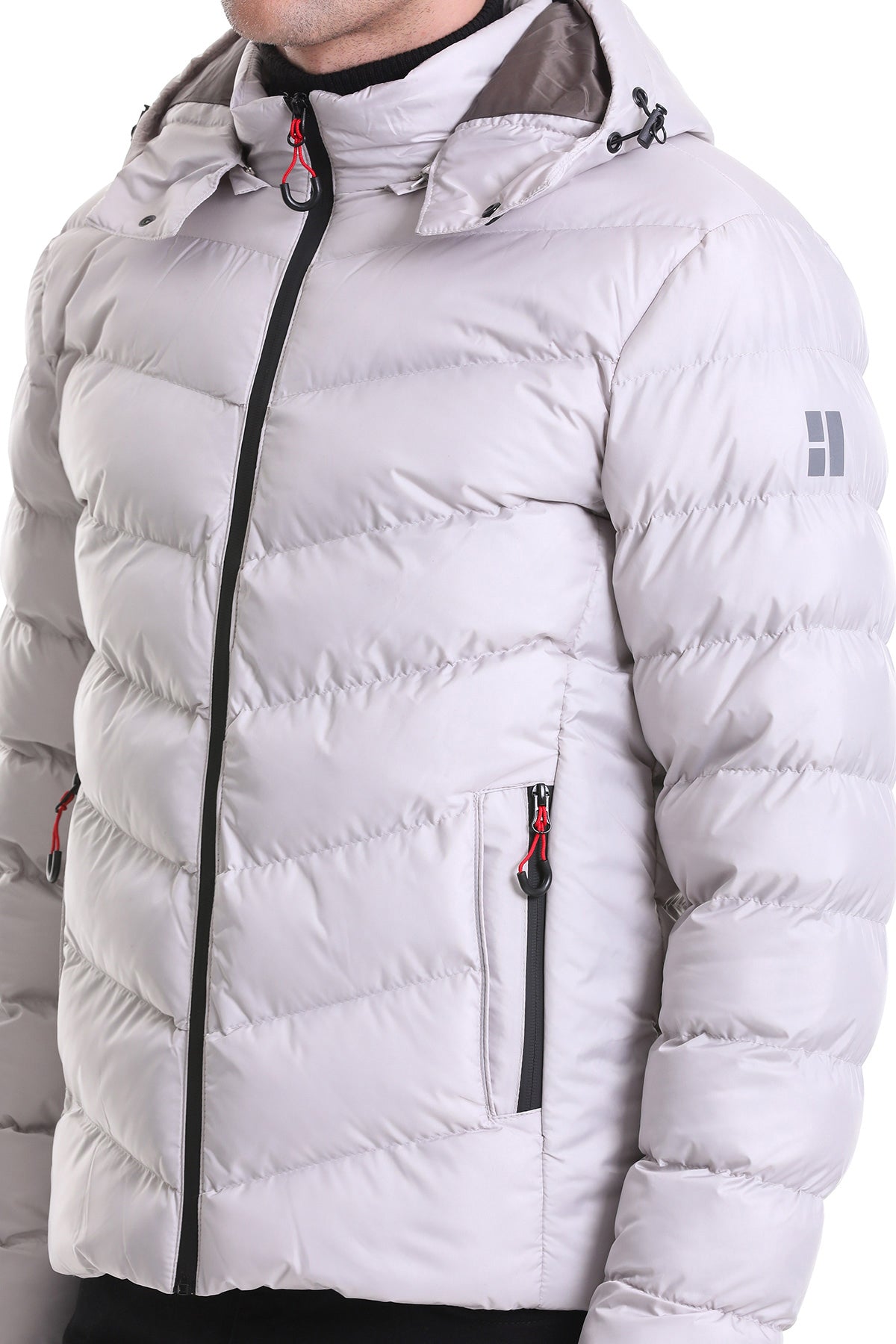
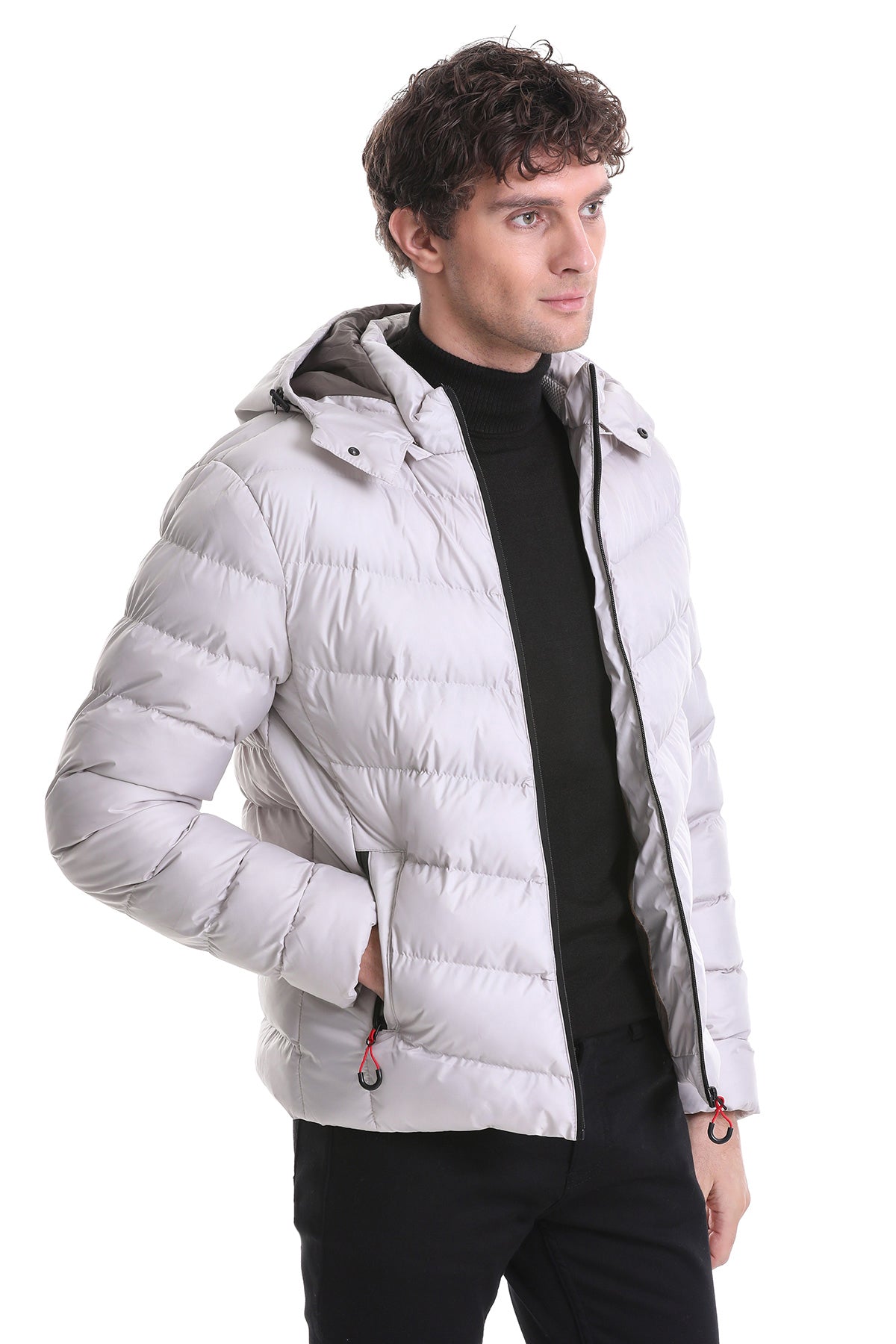
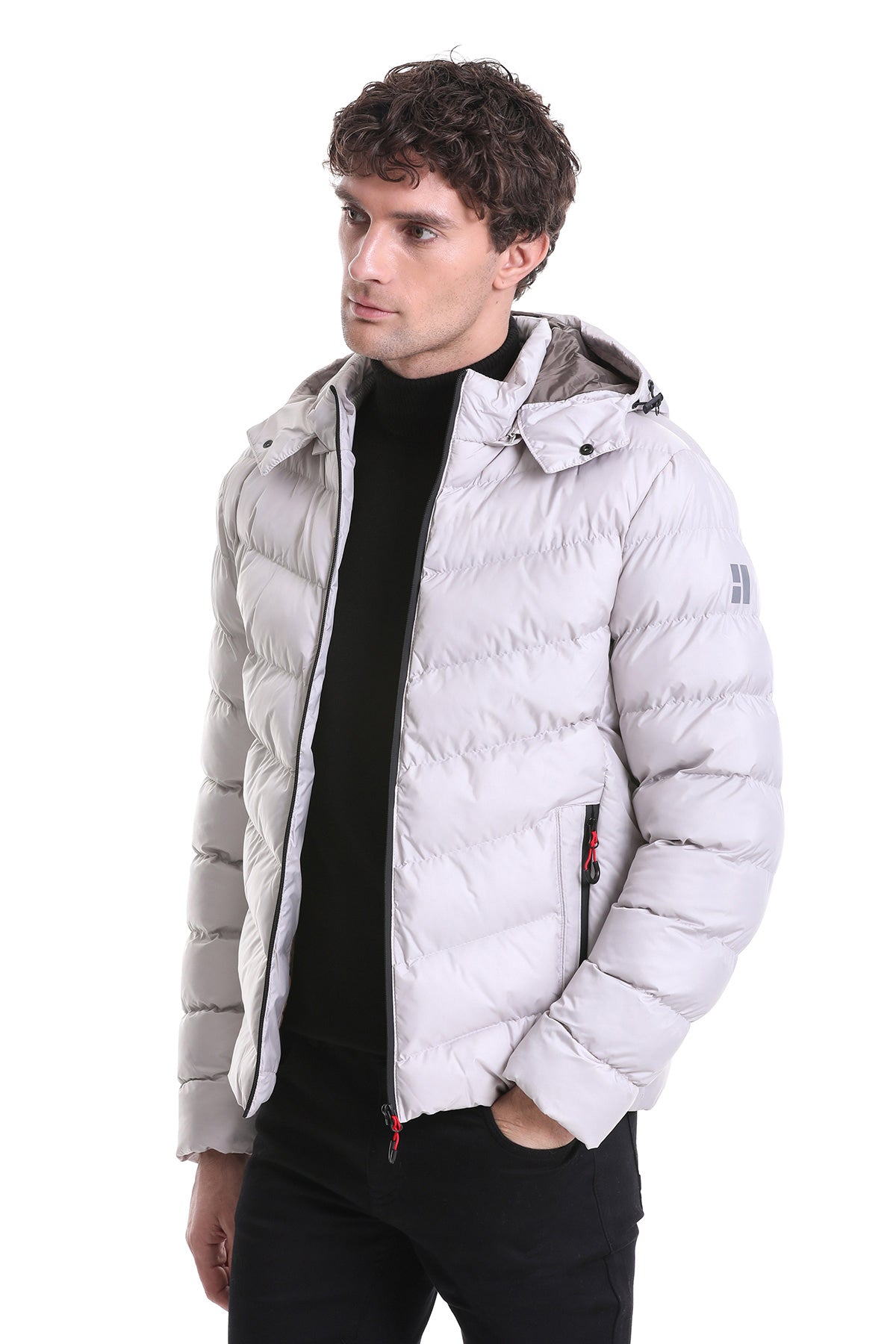
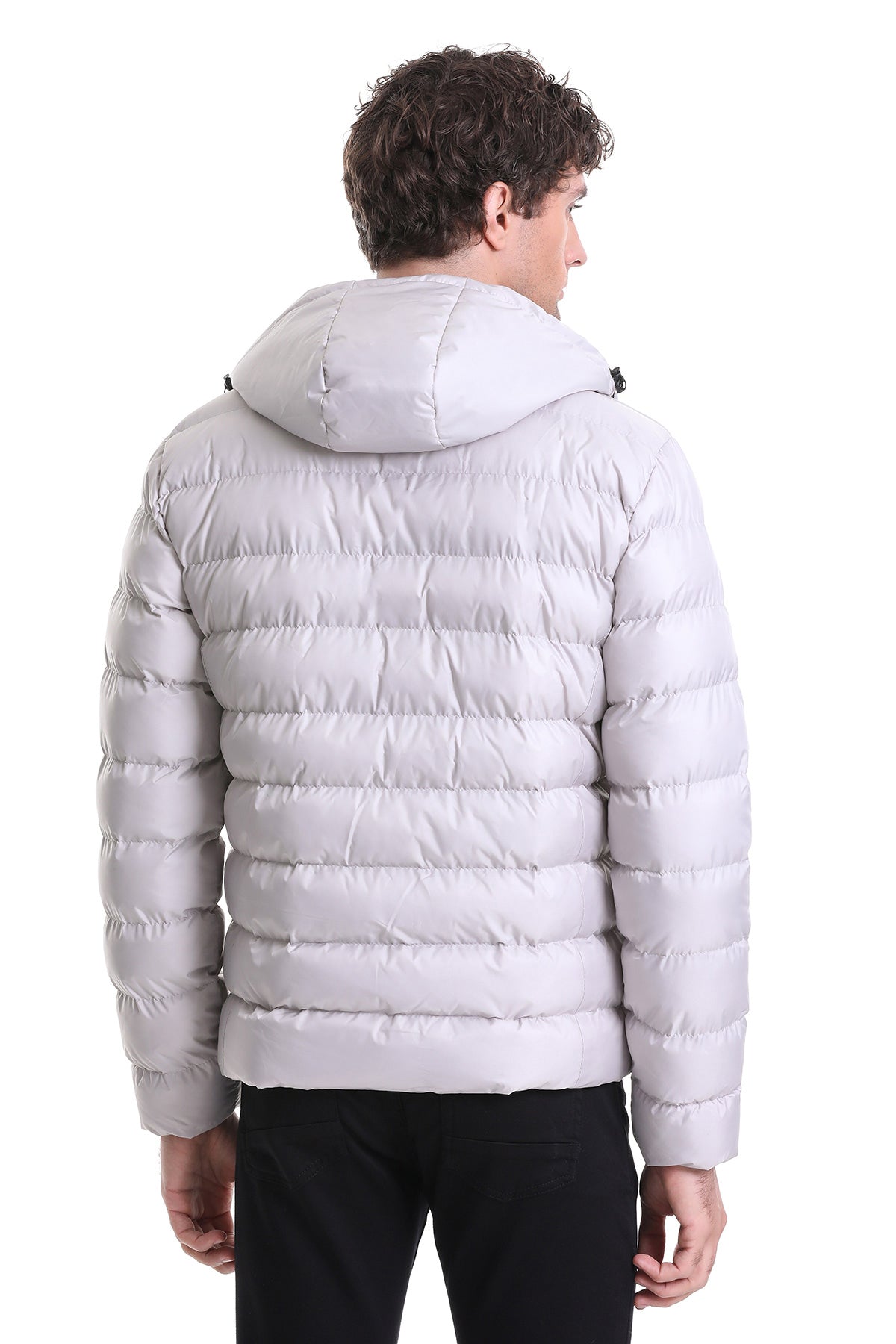
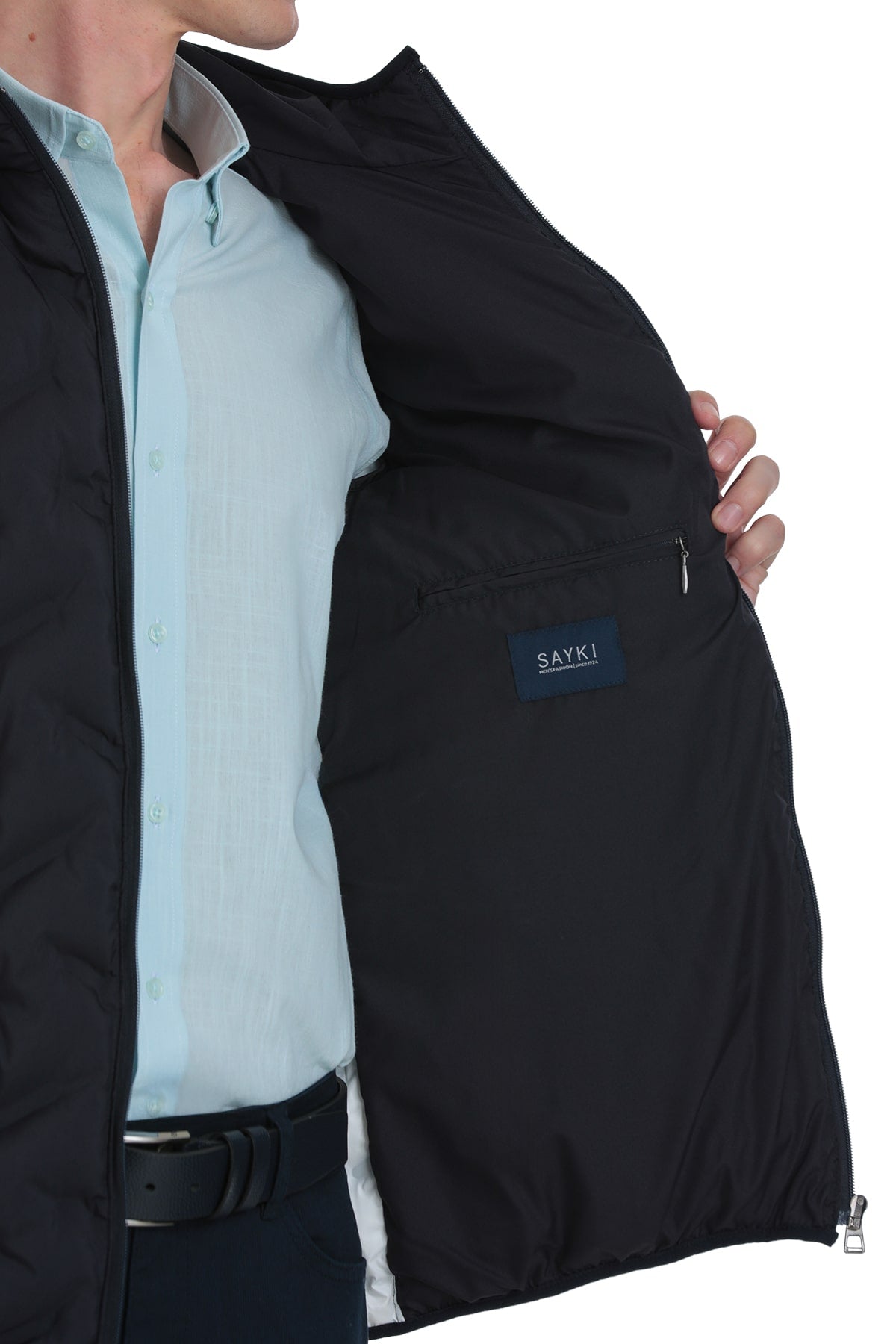
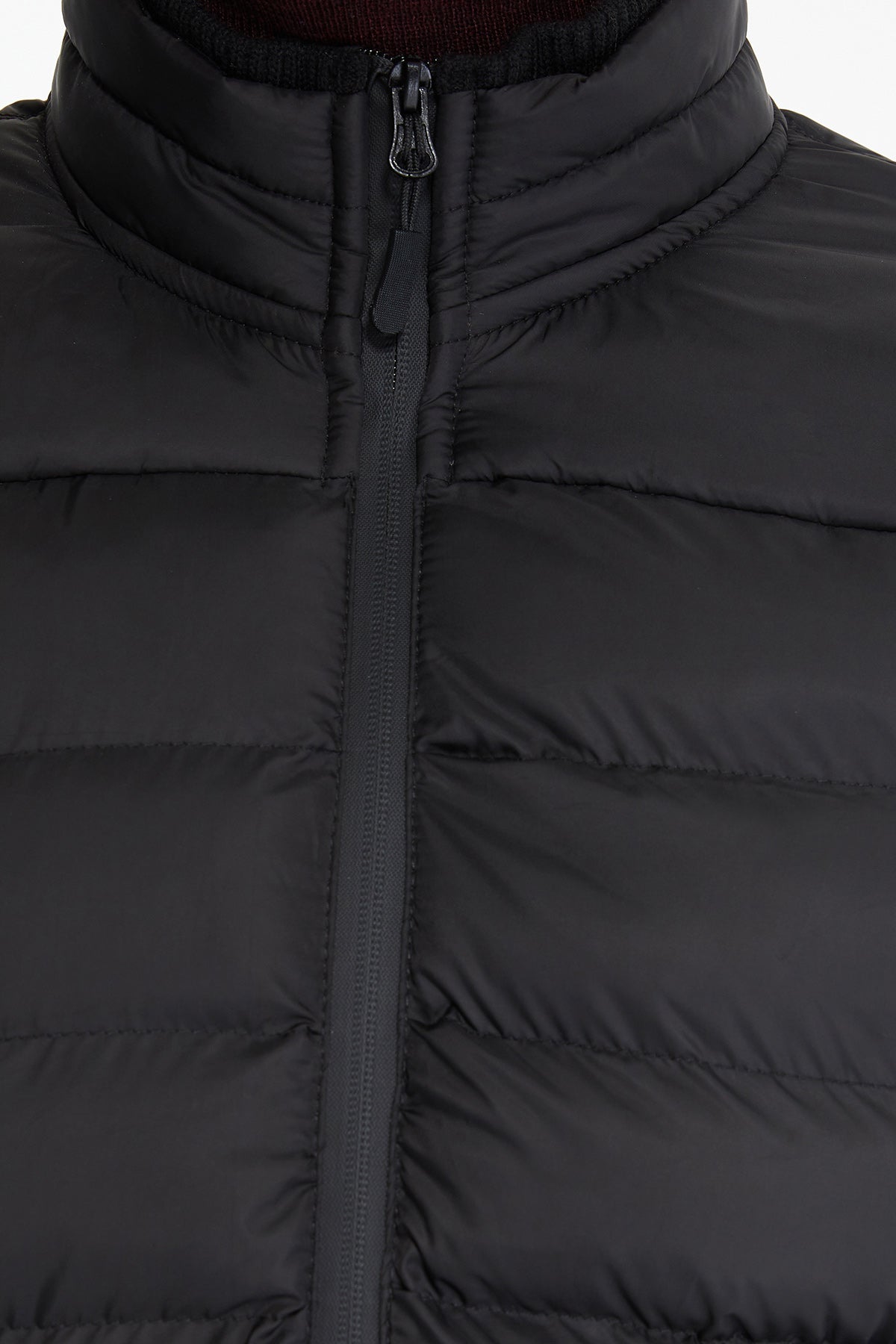
Beyond insulation weight, design details define how a puffer jacket functions. Hooded versions provide added protection against wind and rain, while stand-collar styles offer a cleaner profile for office-appropriate layering. For a sleeveless alternative that keeps your core warm without restricting arm movement, a padded vest is a practical option that layers well under or over other outerwear.
How to Choose the Right Puffer Jackets for Your Needs
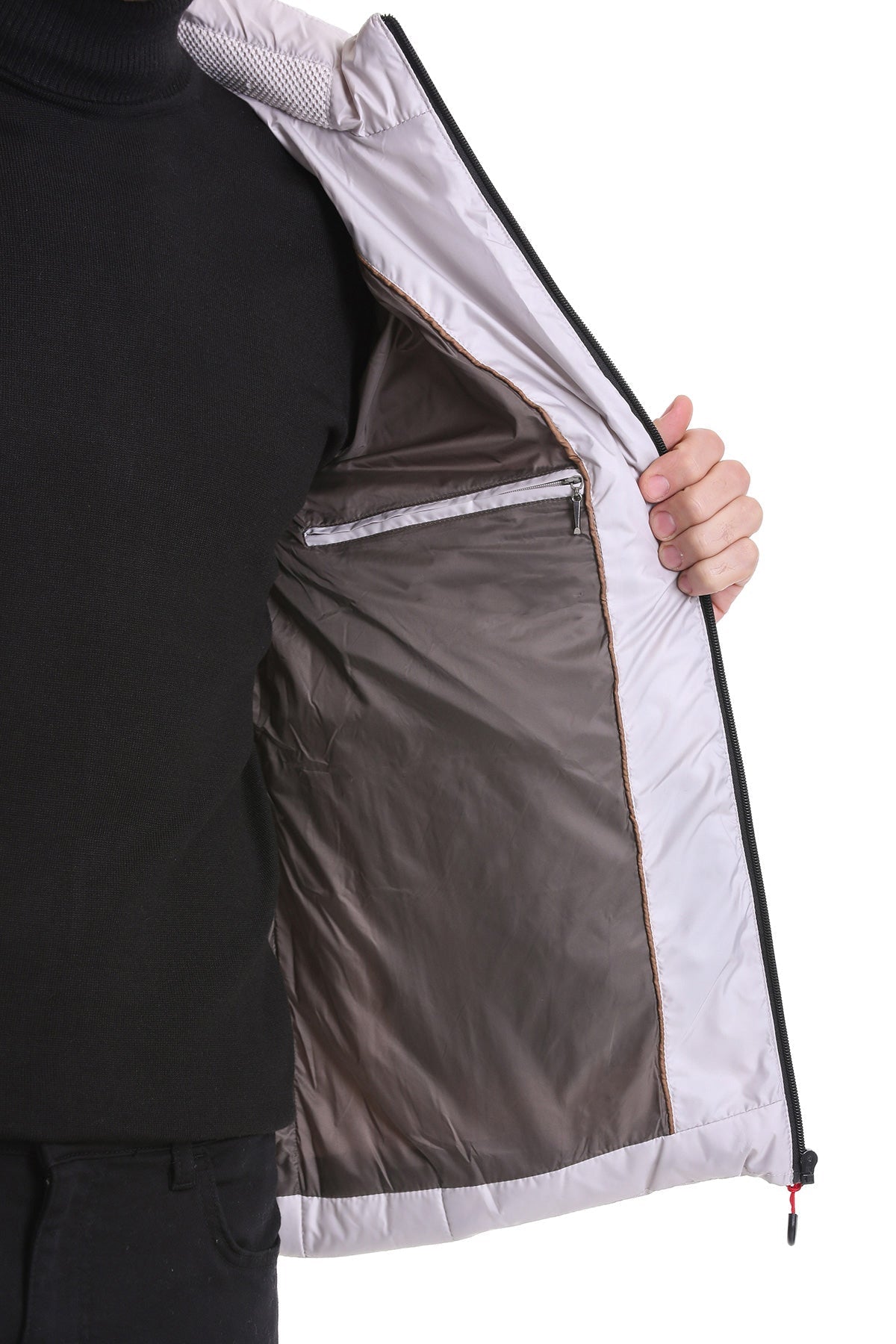
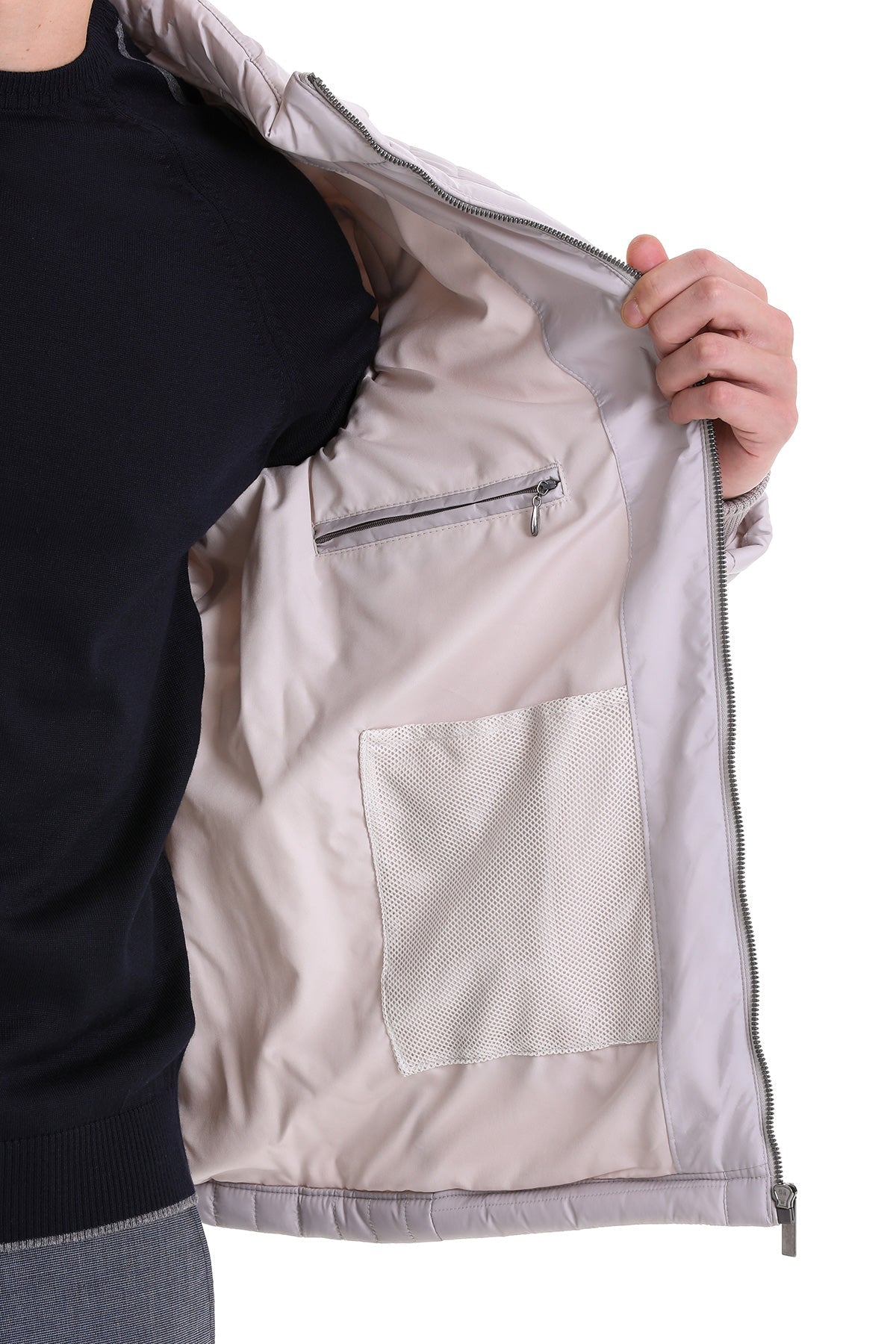
Choosing the right puffer jacket starts with understanding where and how you plan to wear it. If your primary need is a daily commuter jacket for mild to moderate cold, a slim-fit lightweight puffer with synthetic fill offers low-maintenance warmth that handles light rain without special care. For harsh winter conditions, look for higher fill power, wind-resistant outer shells, and features like interior storm cuffs and adjustable hems.
Fit is equally important. A puffer jacket should allow room for a sweater or blazer underneath without feeling tight across the chest and shoulders. SAYKI puffer jackets are cut with layering in mind, offering enough room through the torso for a knitwear layer while keeping the overall silhouette trim and intentional.
Styling Tips: Wearing Puffer Jackets in Different Seasons
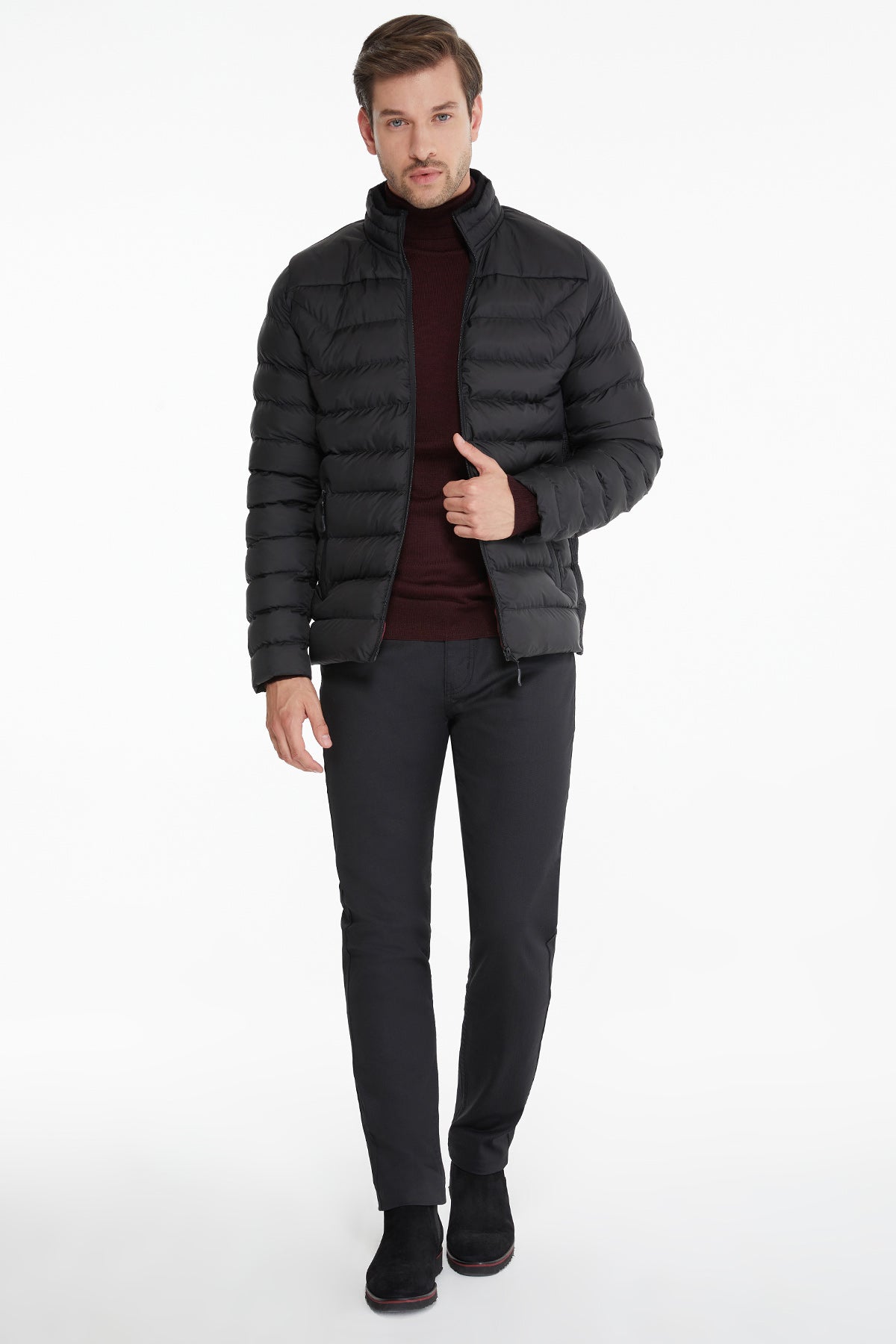
Puffer jackets are no longer confined to deep winter. Lightweight puffers work as ideal transitional layers in fall and early spring, worn over a t-shirt or a casual shirt when mornings are cold but afternoons warm up. In these milder months, pair a slim puffer with chinos and sneakers for a streamlined, put-together look. For the same season, lightweight jackets can also serve as an alternative when insulation is less of a priority and style takes the lead.
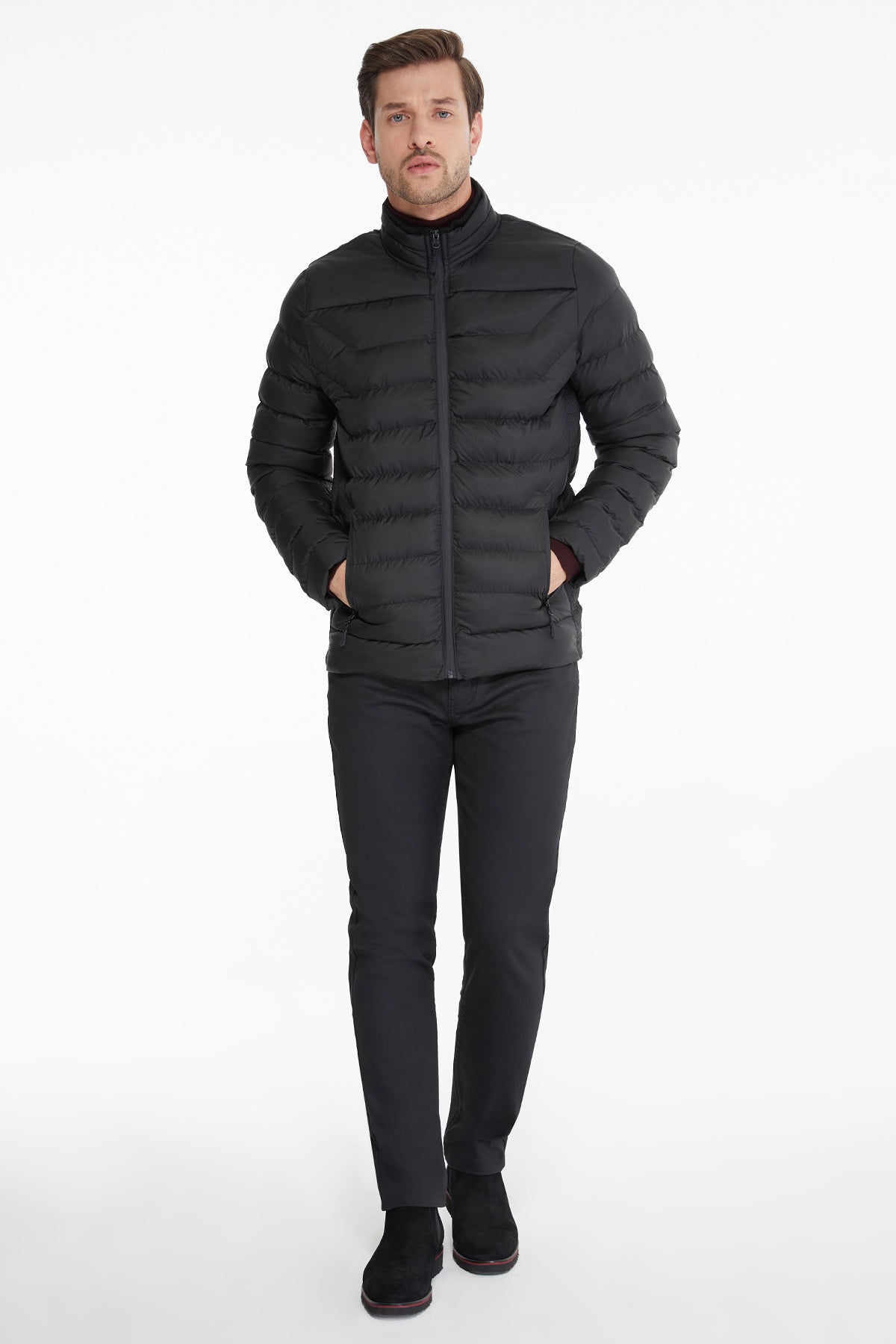
In winter, puffer jackets serve as the primary defense against cold. Layer a mid-weight puffer over a turtleneck sweater and wool pants for a refined cold-weather outfit that skips the heavy overcoat. For a rugged textured contrast, try wearing your puffer alongside a shearling jacket or swap to a leather coat when the occasion calls for something more structured. The key to styling a puffer jacket well is proportion: pair the volume of the jacket with slimmer bottoms to keep the silhouette balanced.
Caring for Your Puffer Jackets
Proper care extends the life and performance of a puffer jacket significantly. Most synthetic-fill puffers can be machine washed on a gentle cycle with cold water and a mild detergent, but always check the care label first. Avoid fabric softeners, which can coat the insulation fibers and reduce their ability to trap heat. After washing, tumble dry on low heat with two or three clean tennis balls to help redistribute the fill and restore loft.
Between washes, spot-clean small stains with a damp cloth and store your puffer jacket on a wide hanger or loosely folded rather than compressed for long periods. Compression over time can damage the insulation's loft and reduce warmth. If your jacket gets wet, shake out excess water and let it air dry completely before storing.
Discover SAYKI's Puffer Jackets Range
SAYKI puffer jackets combine functional insulation with the refined tailoring the brand has been known for since 1924. Each jacket is designed with attention to clean lines, quality hardware, and versatile colorways that complement both casual and dressed-up outfits. Browse the full collection to find a puffer jacket that fits your winter wardrobe and your personal style.