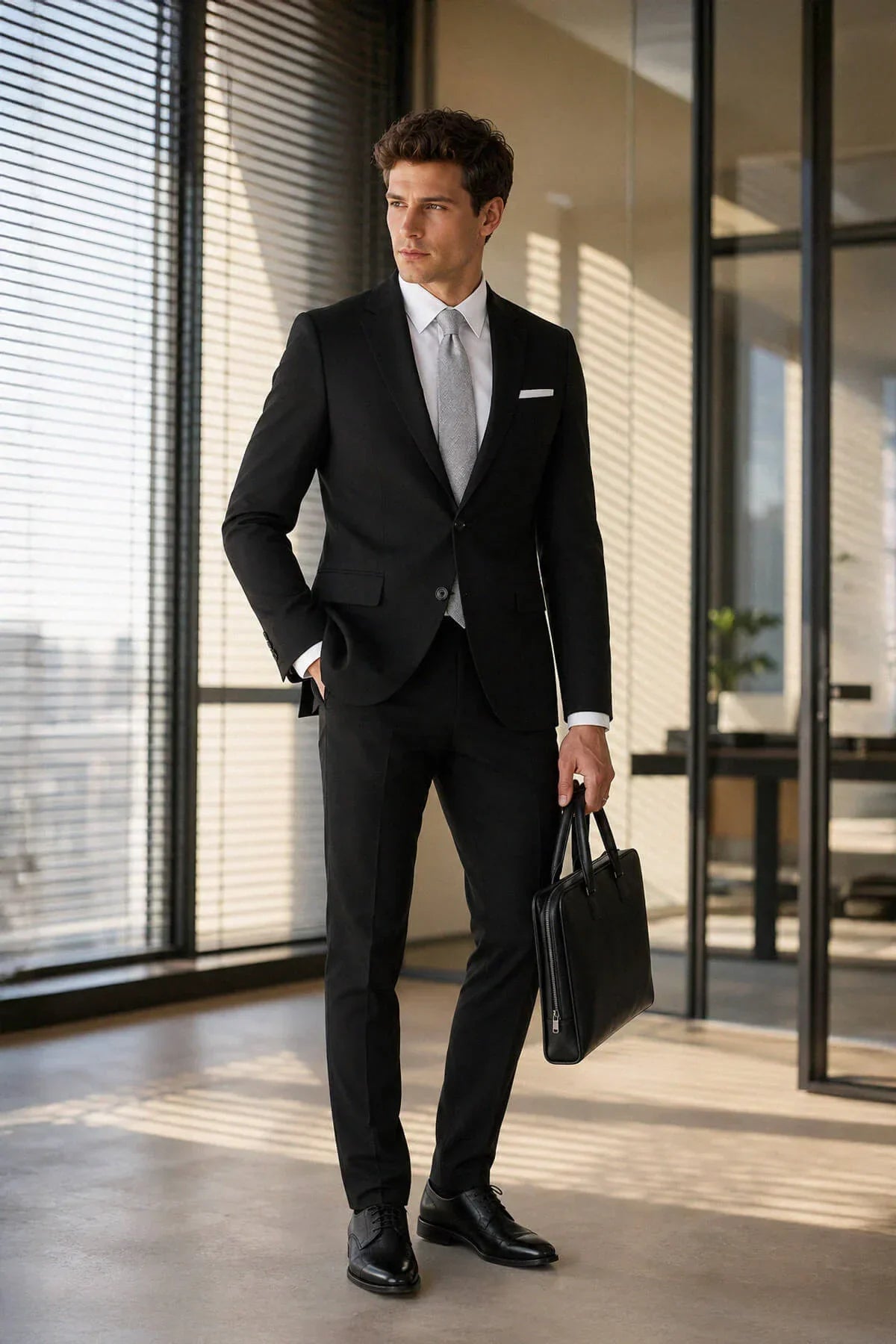
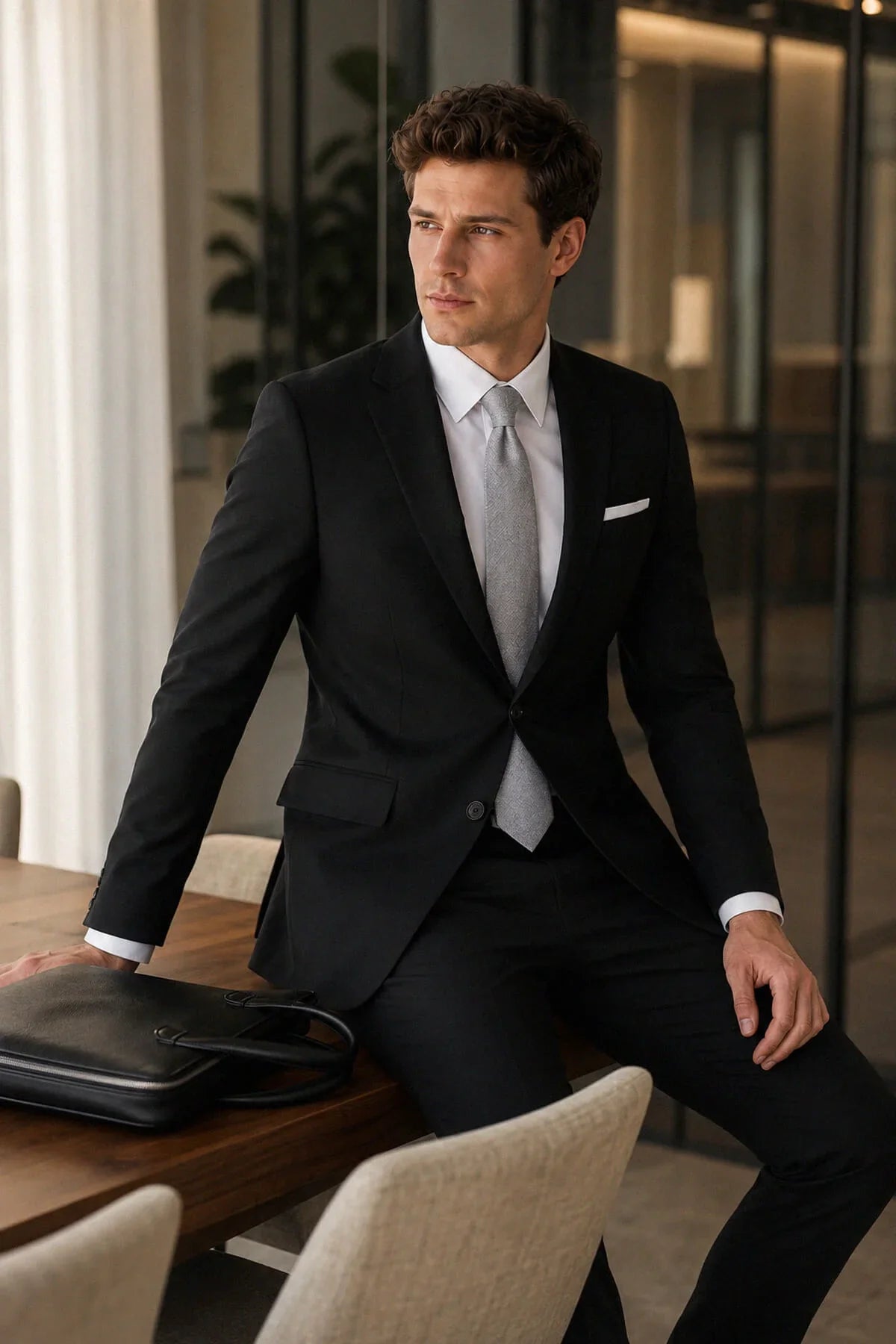
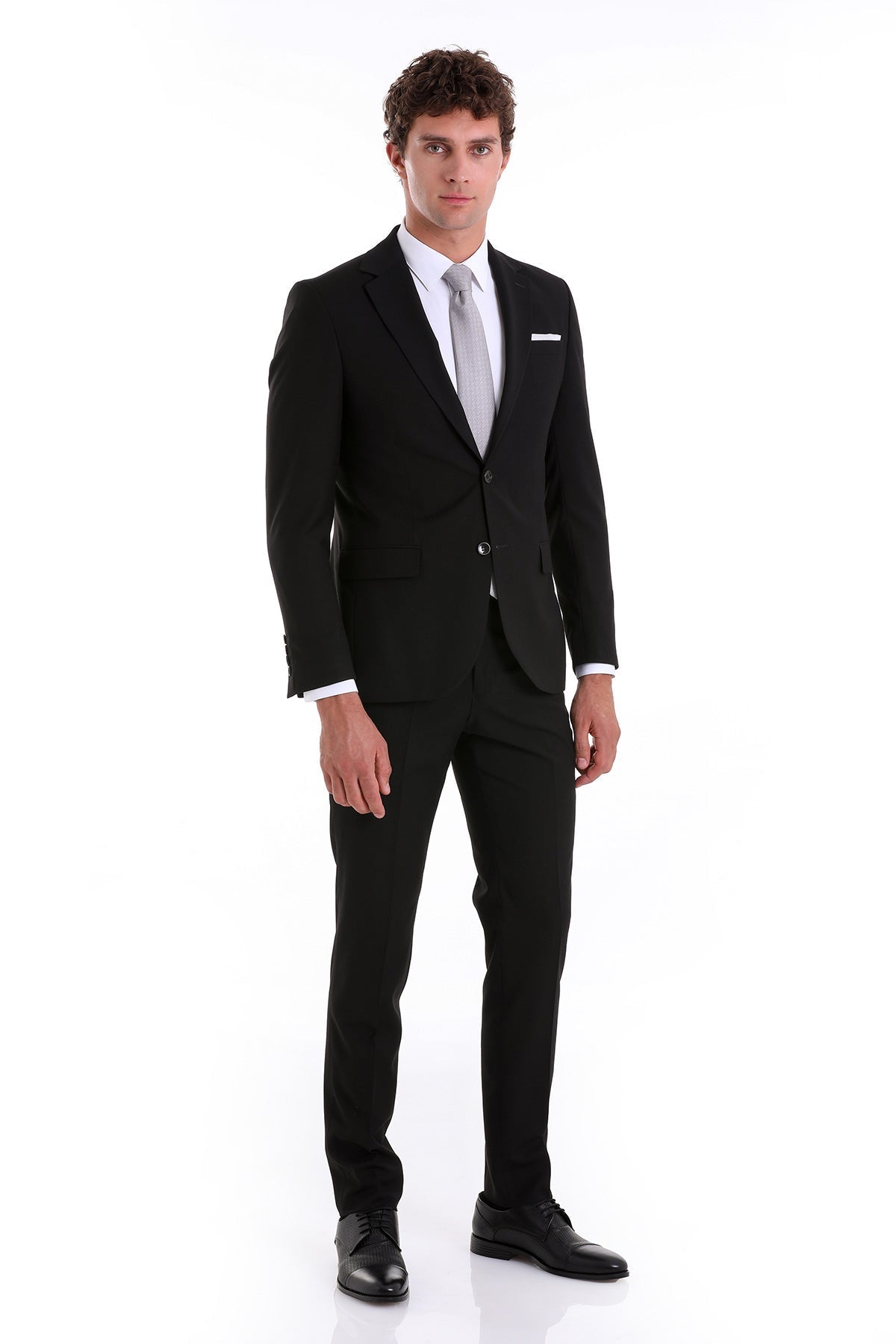
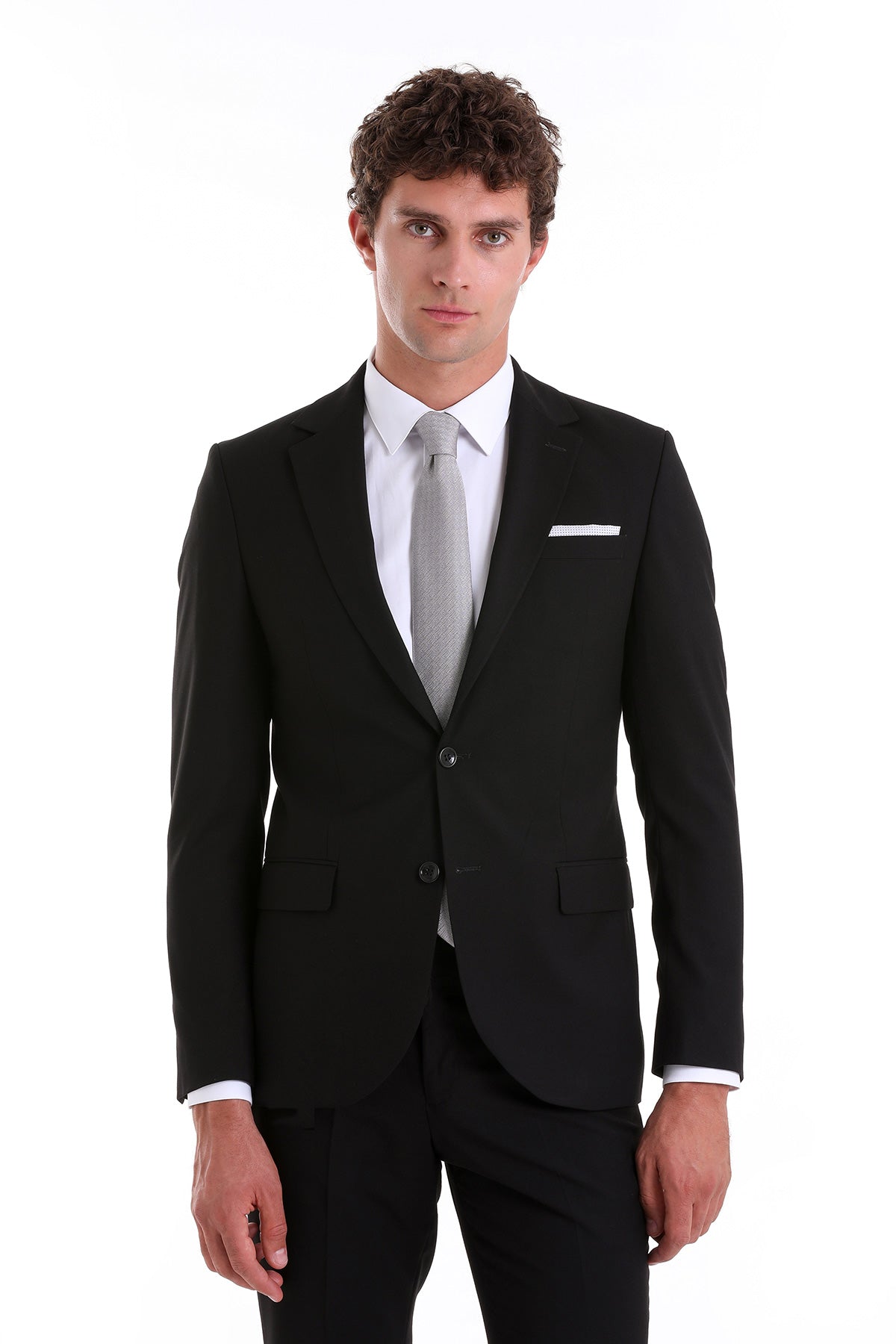
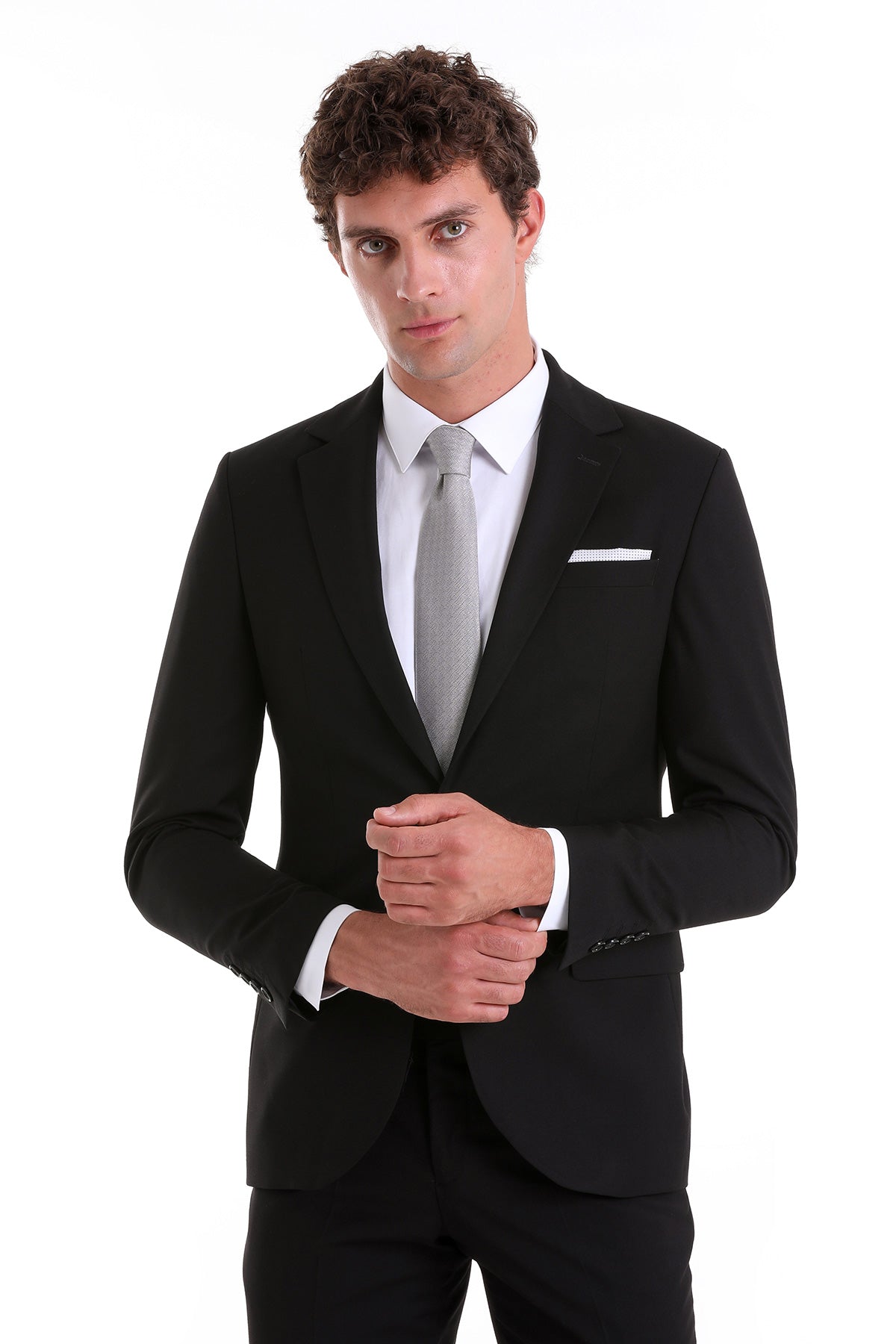
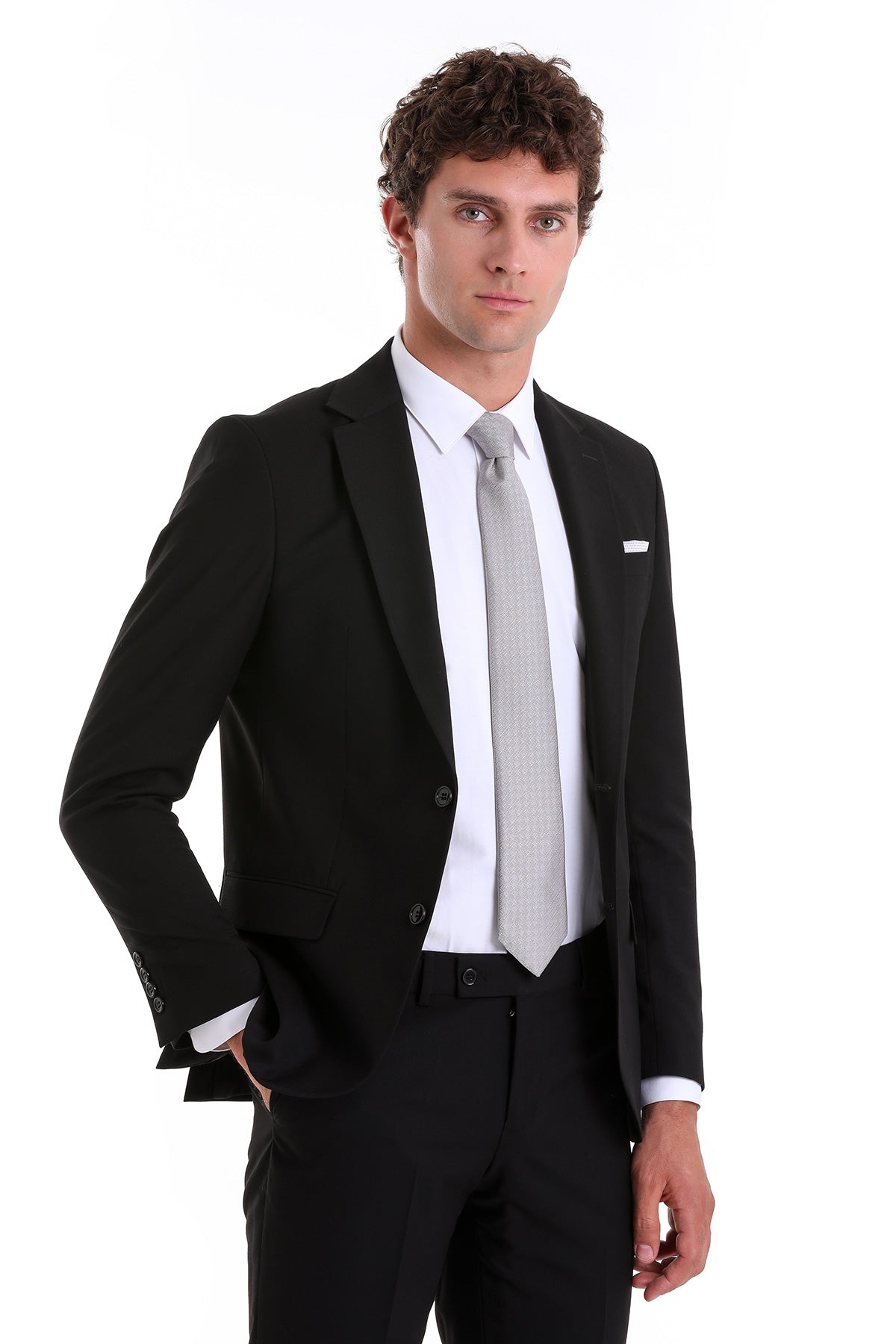
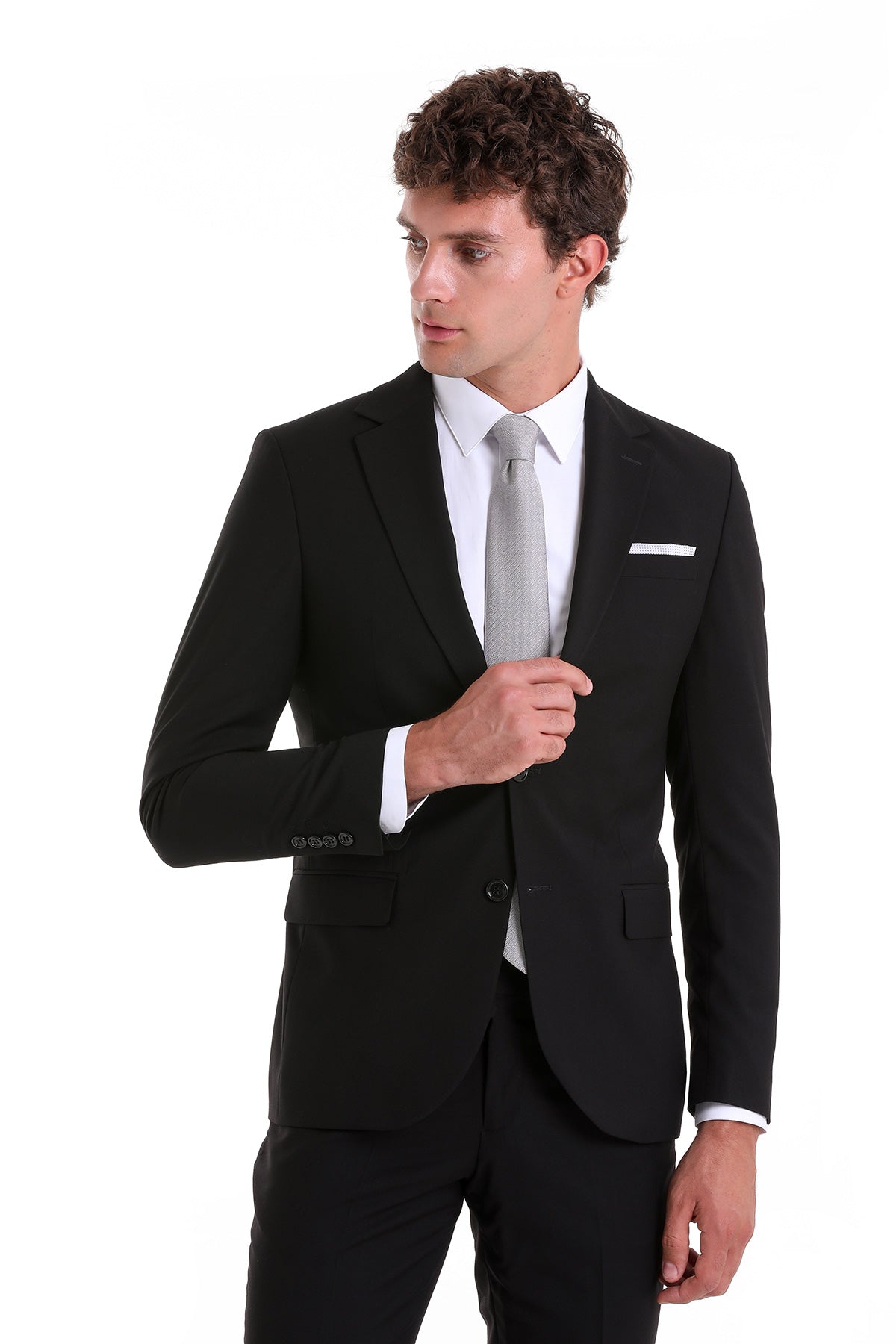
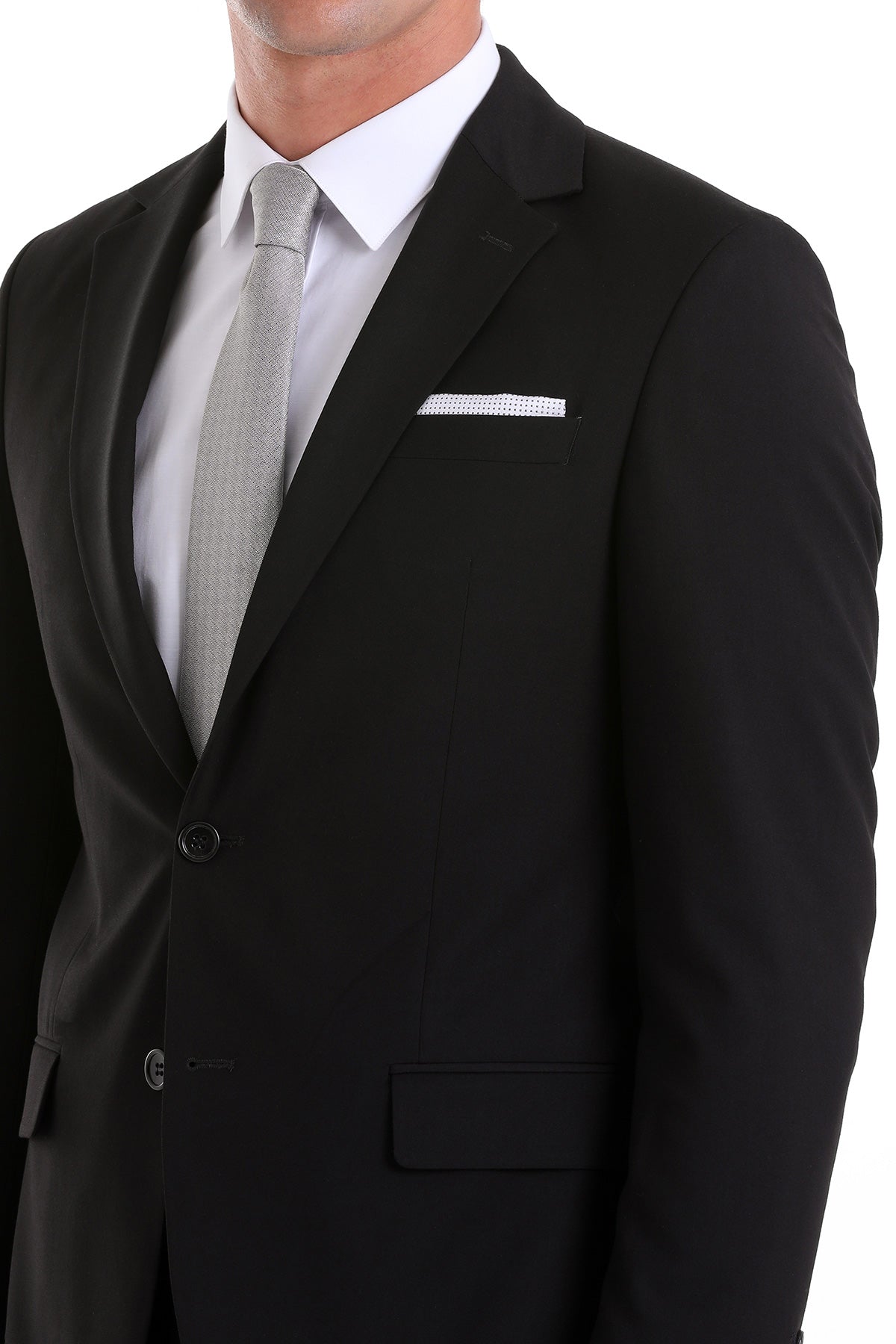
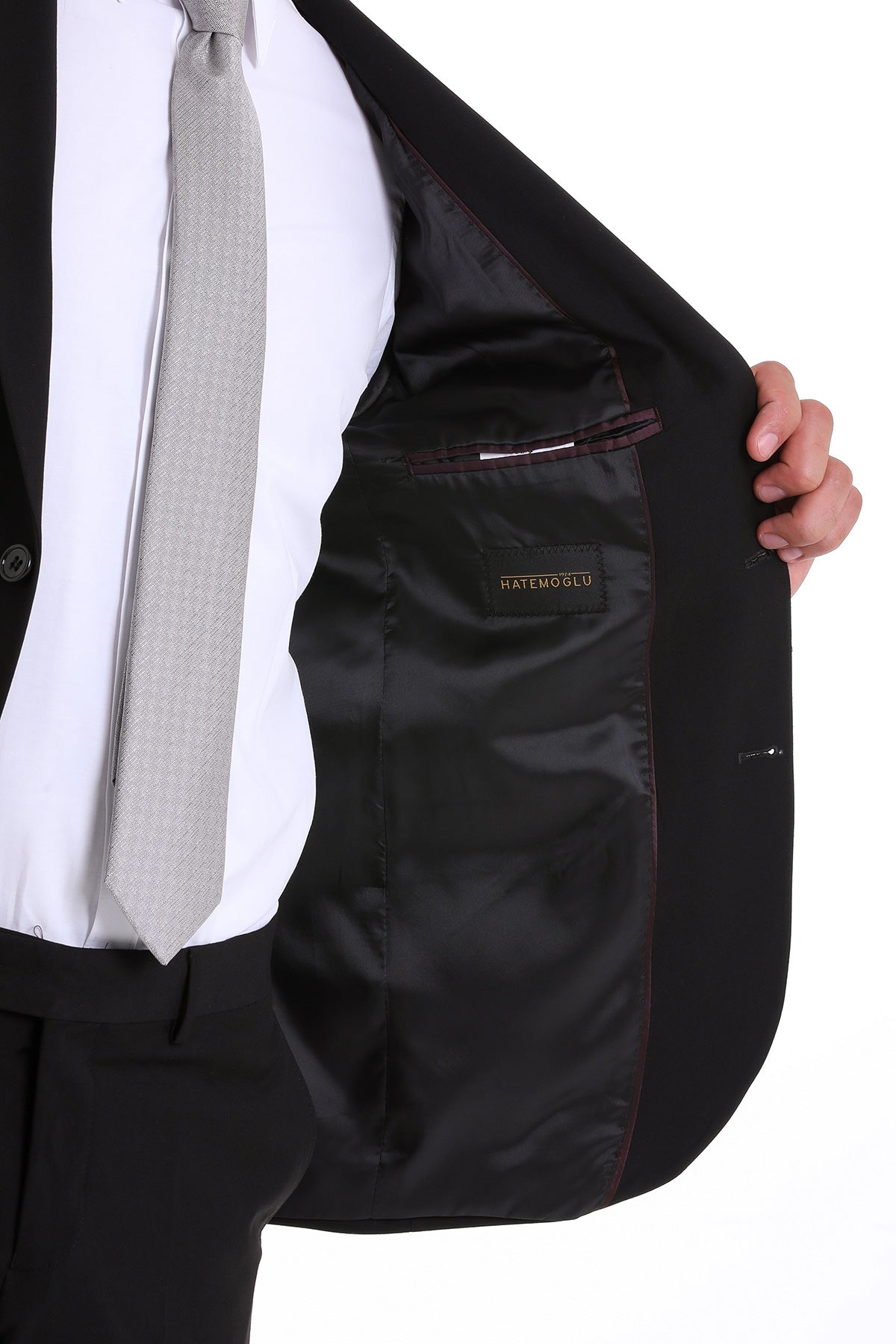
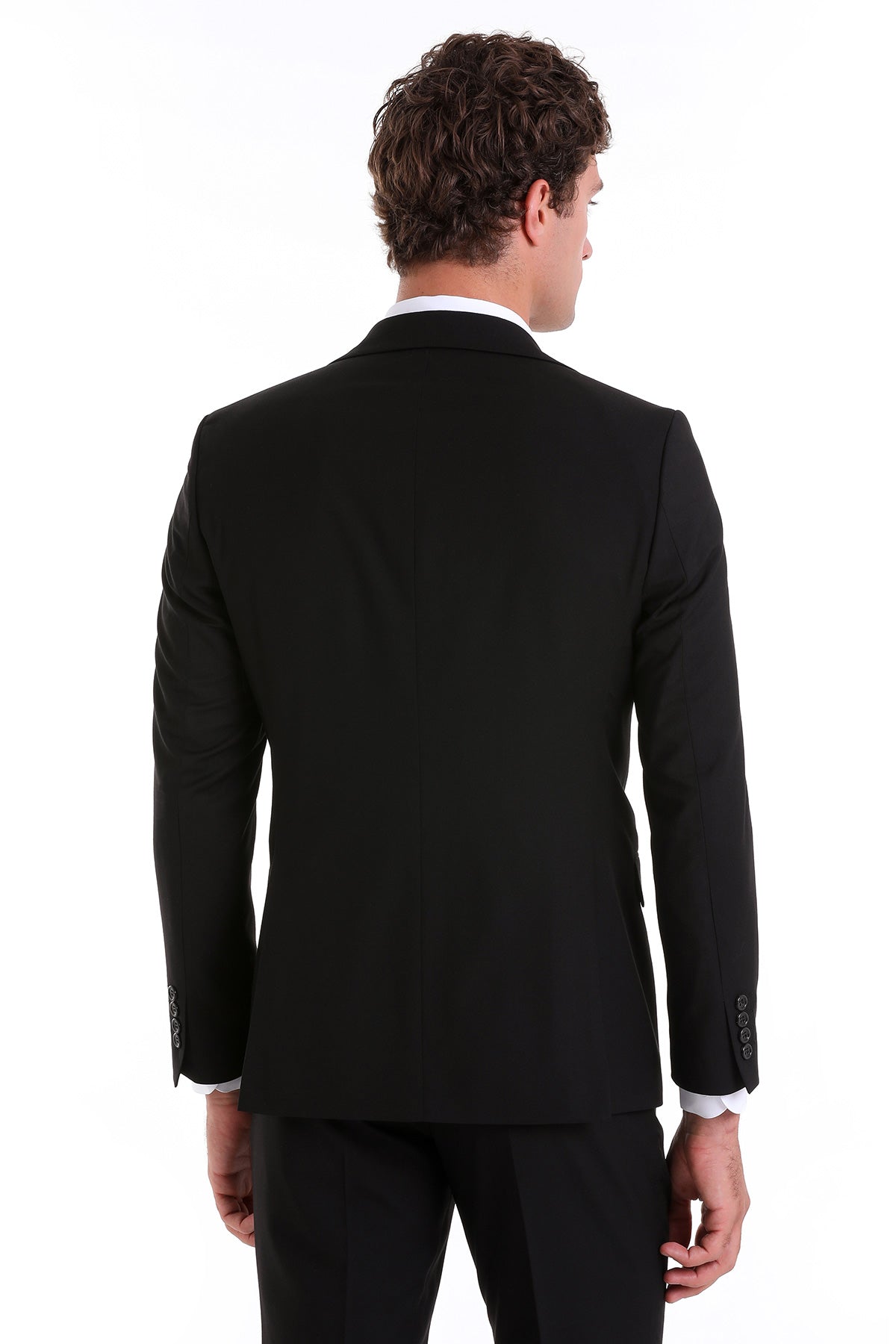
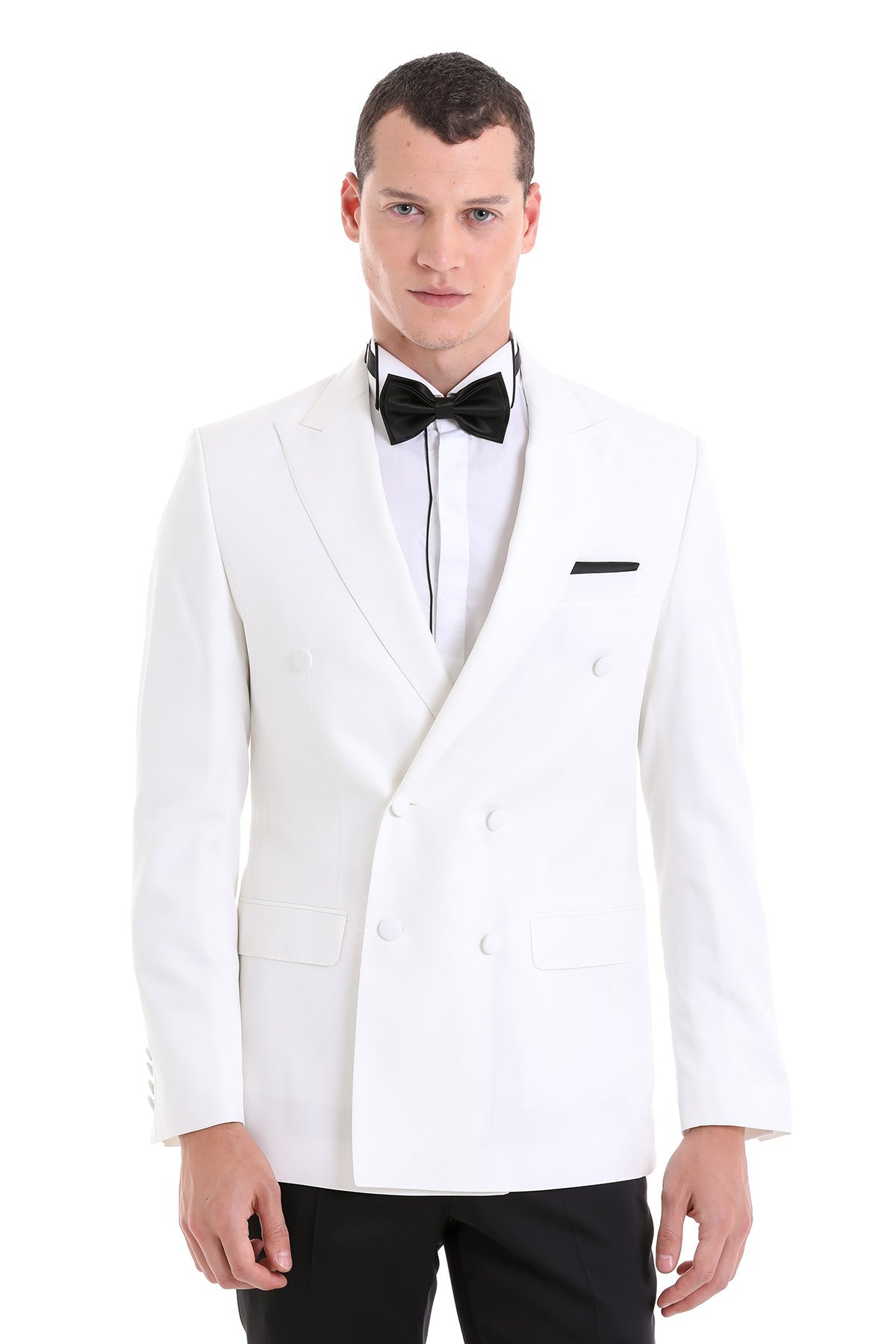
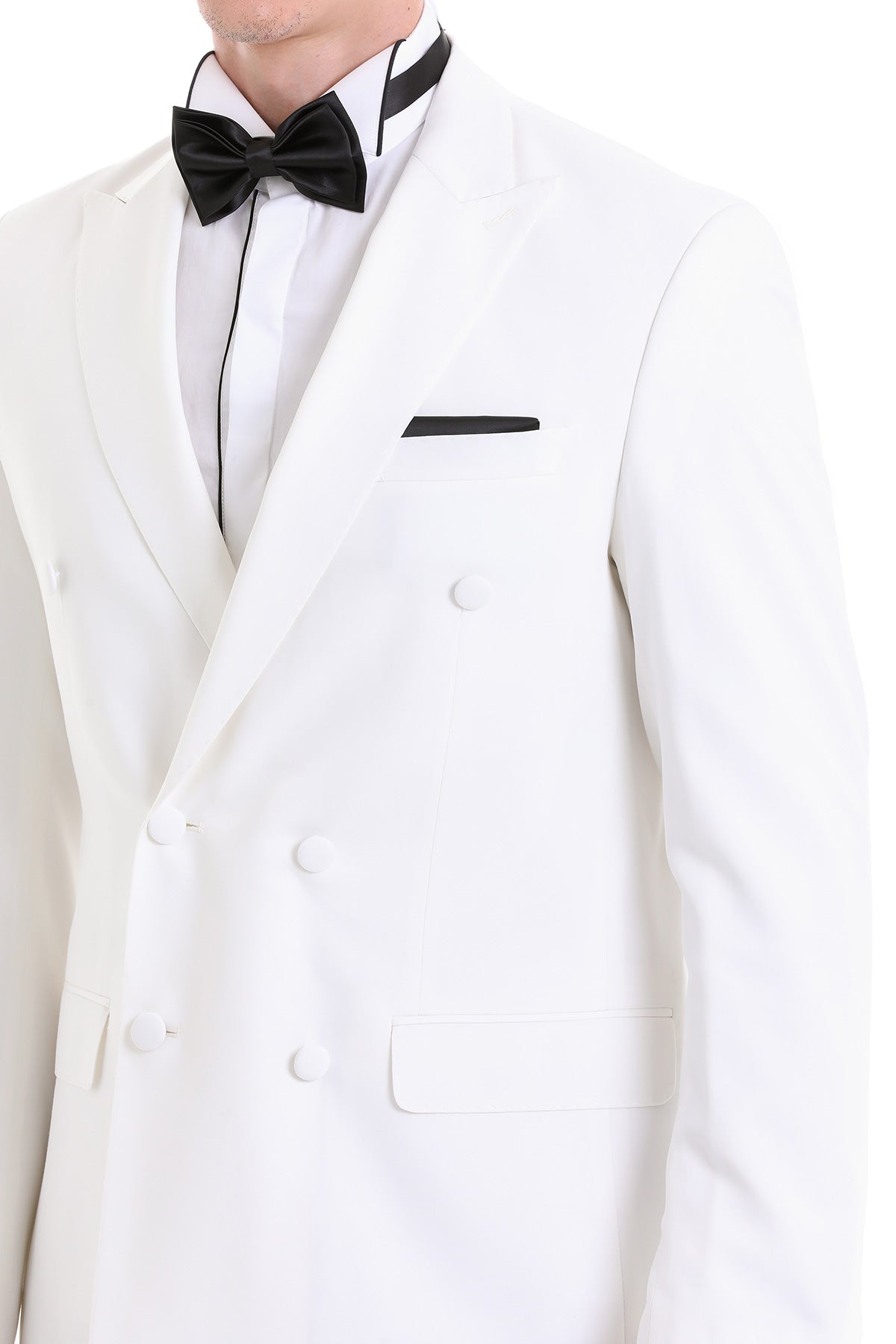
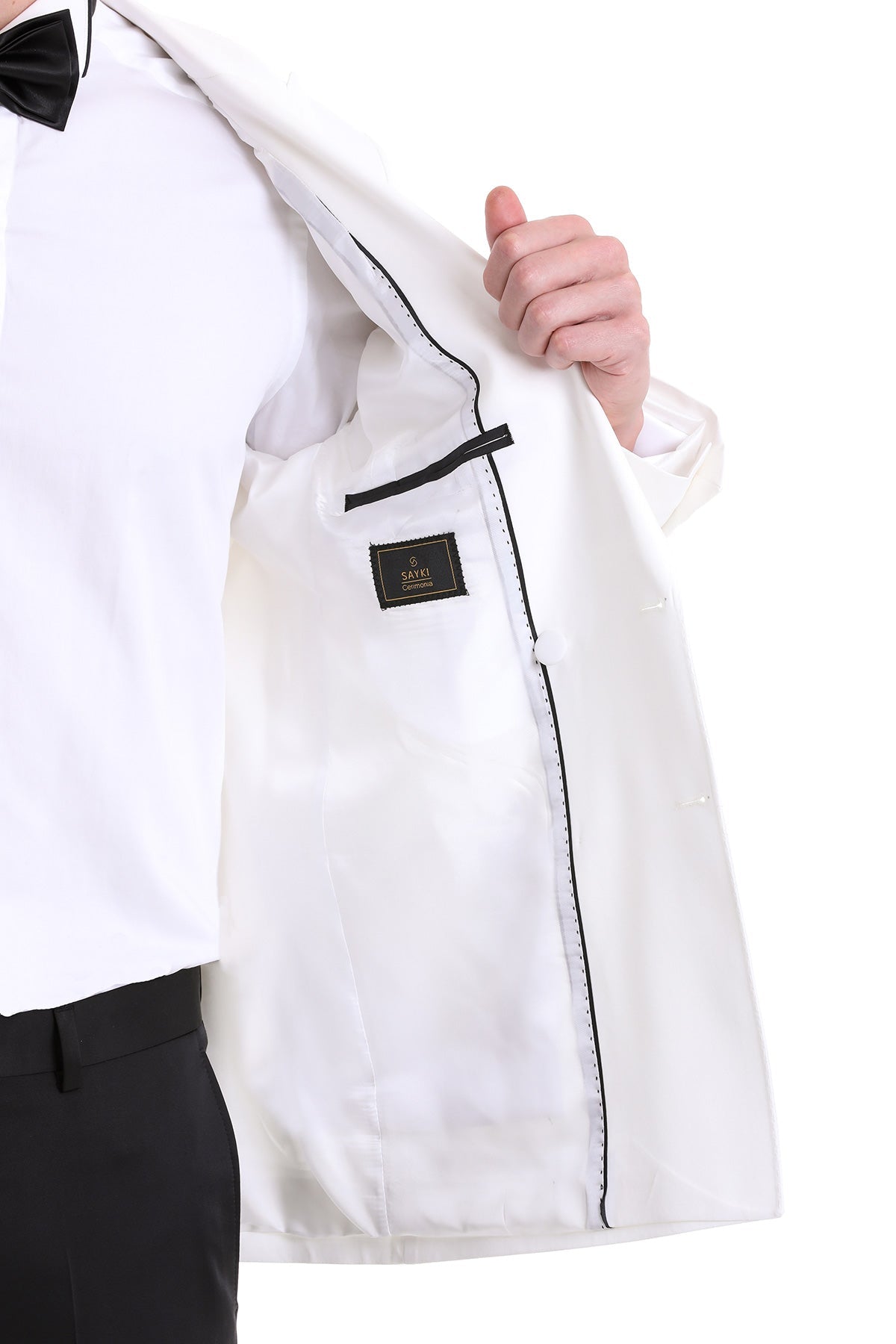
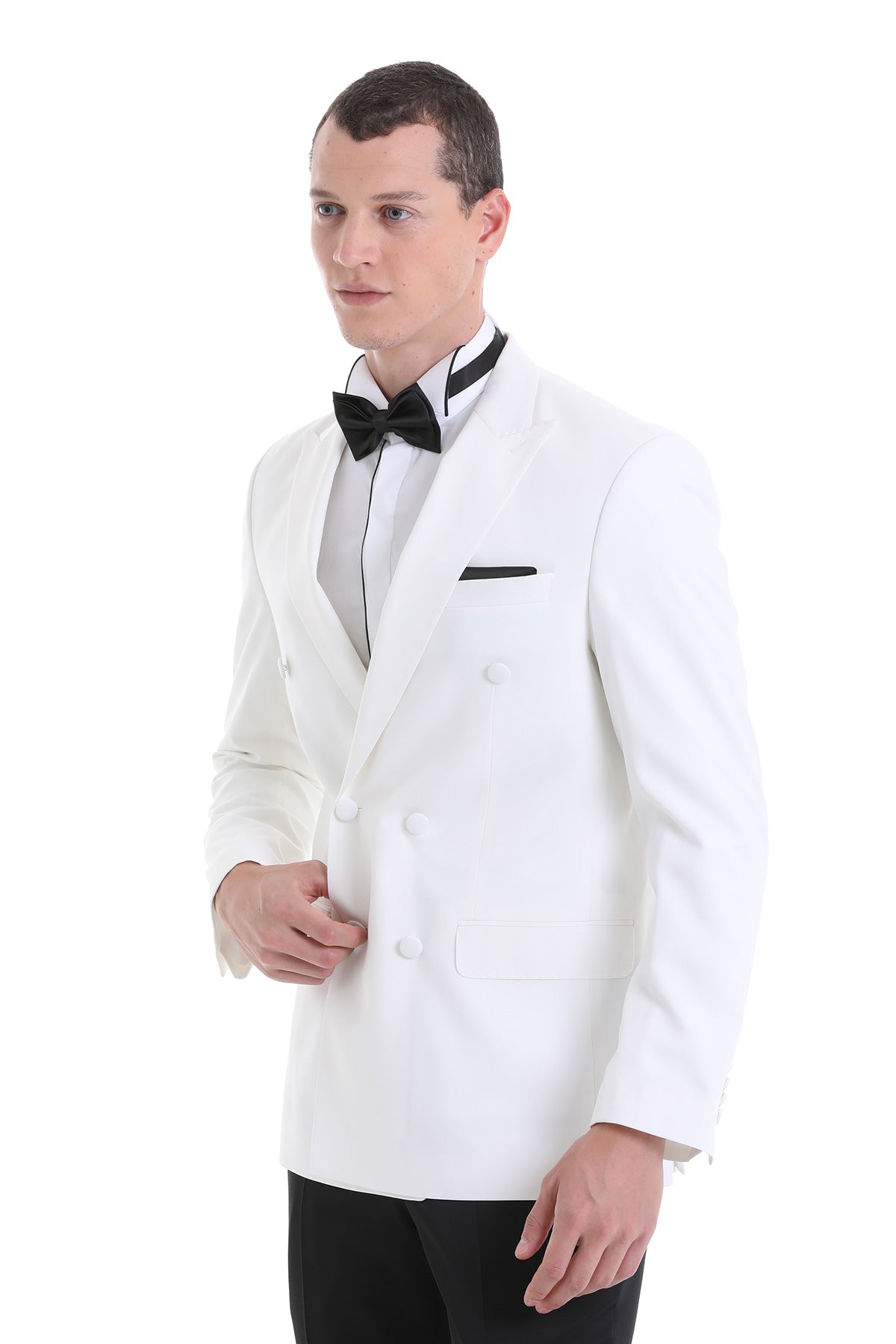
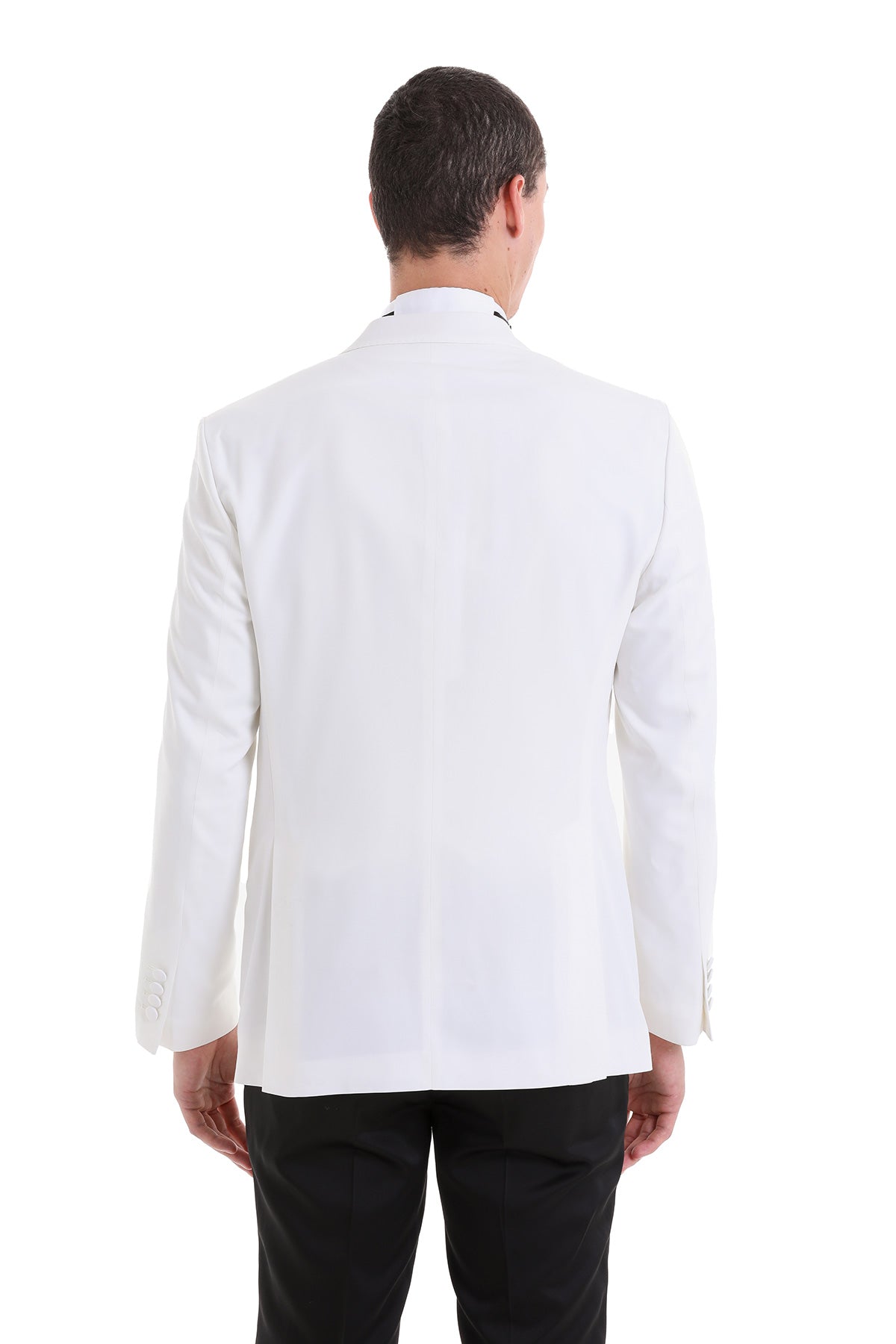
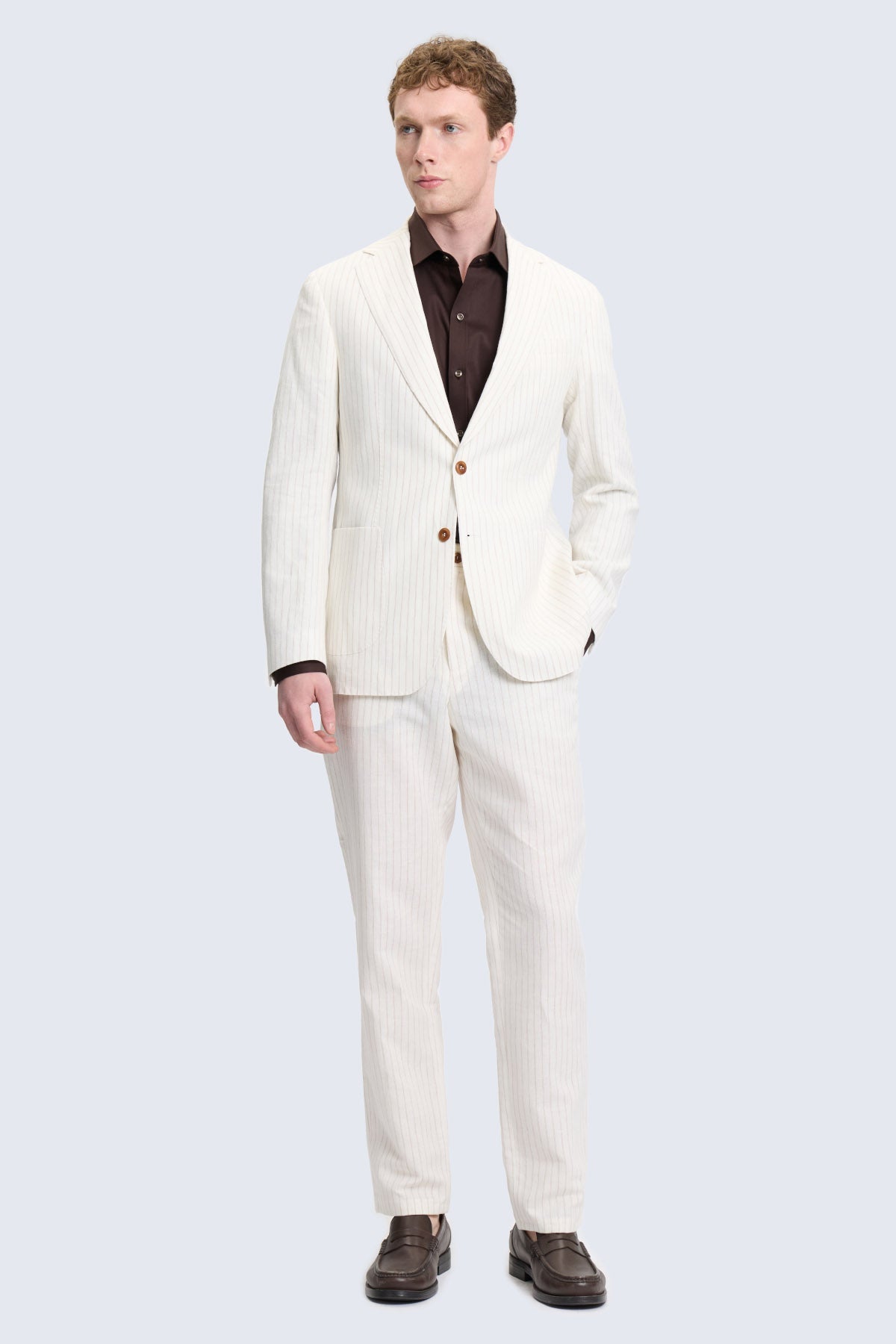
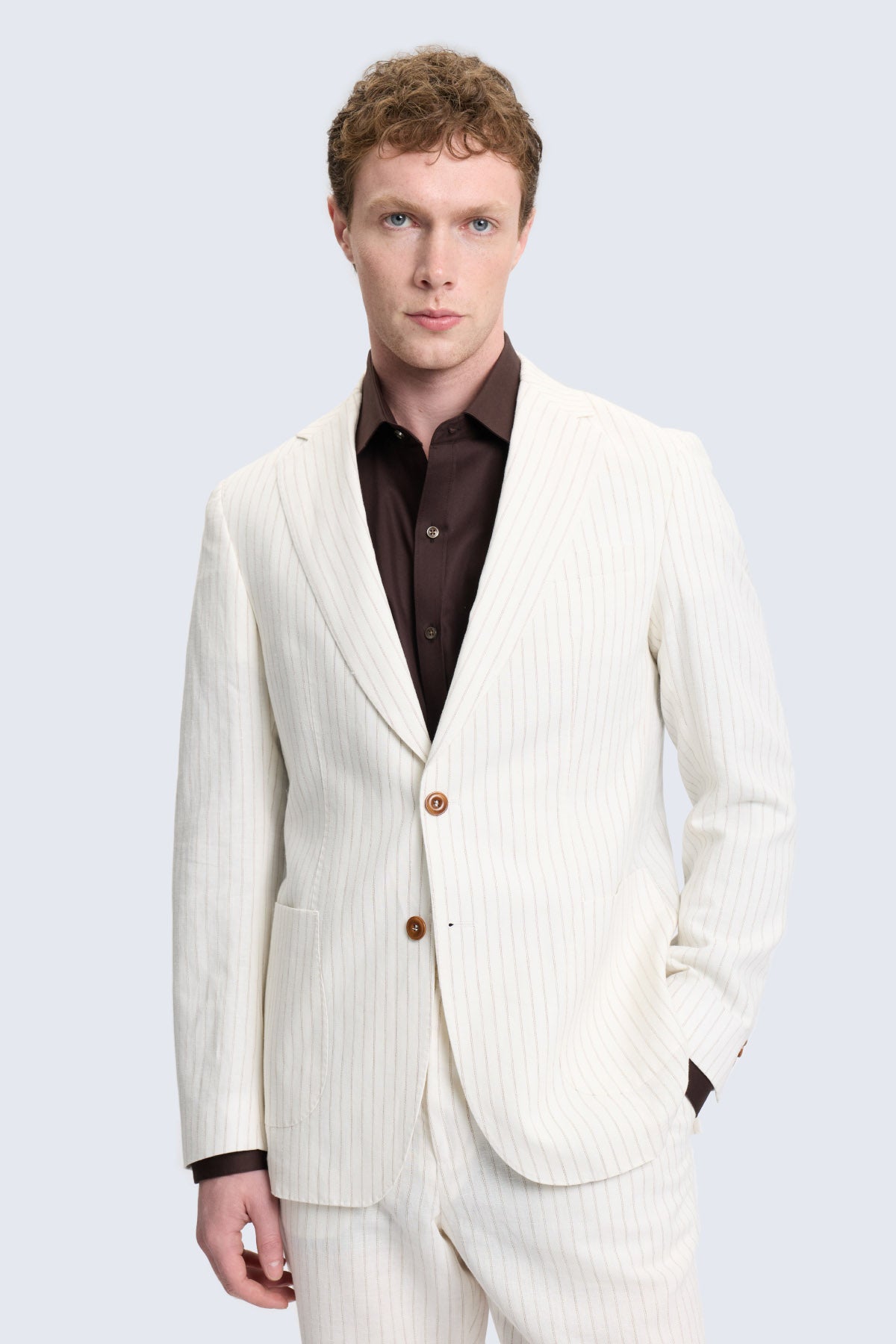
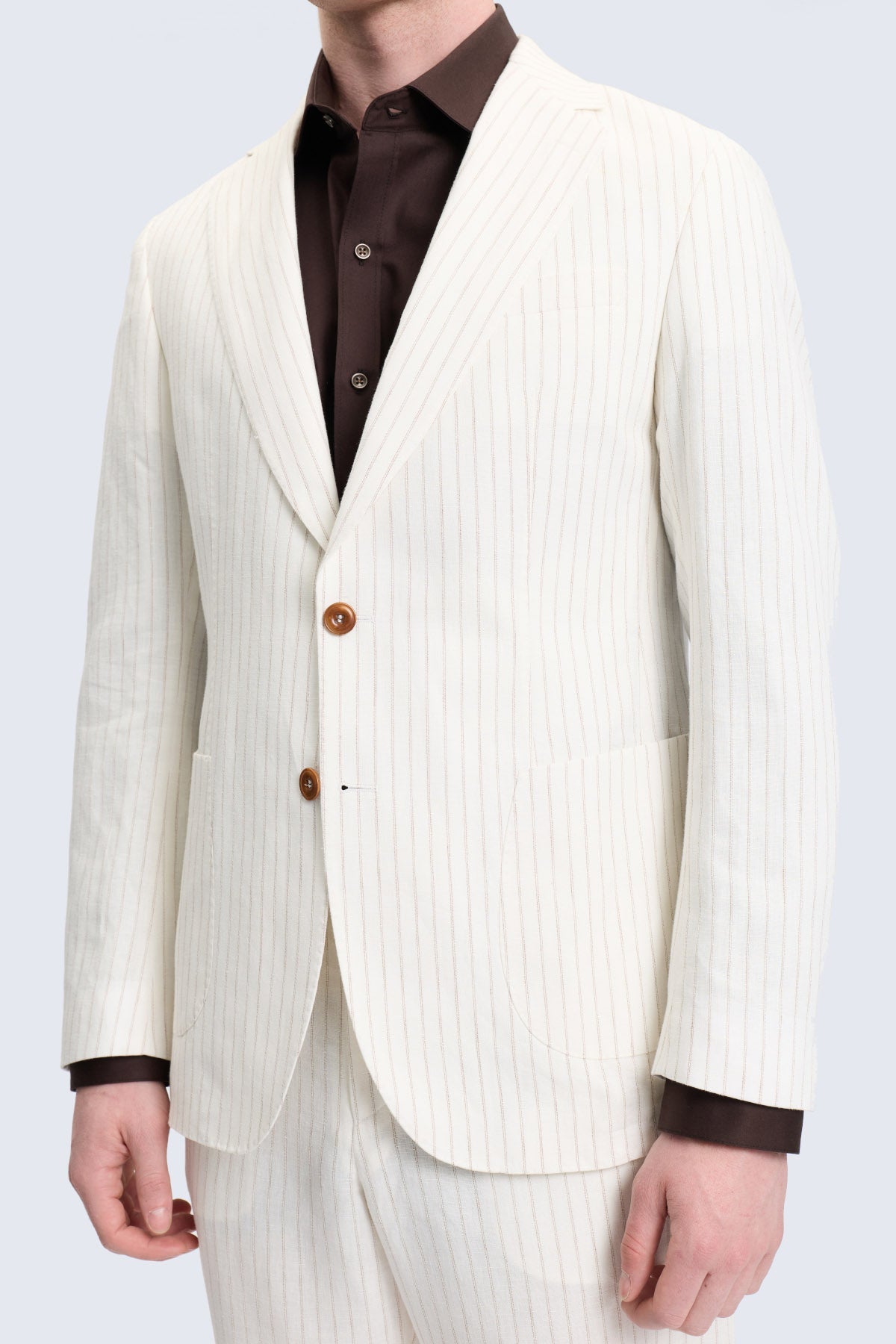
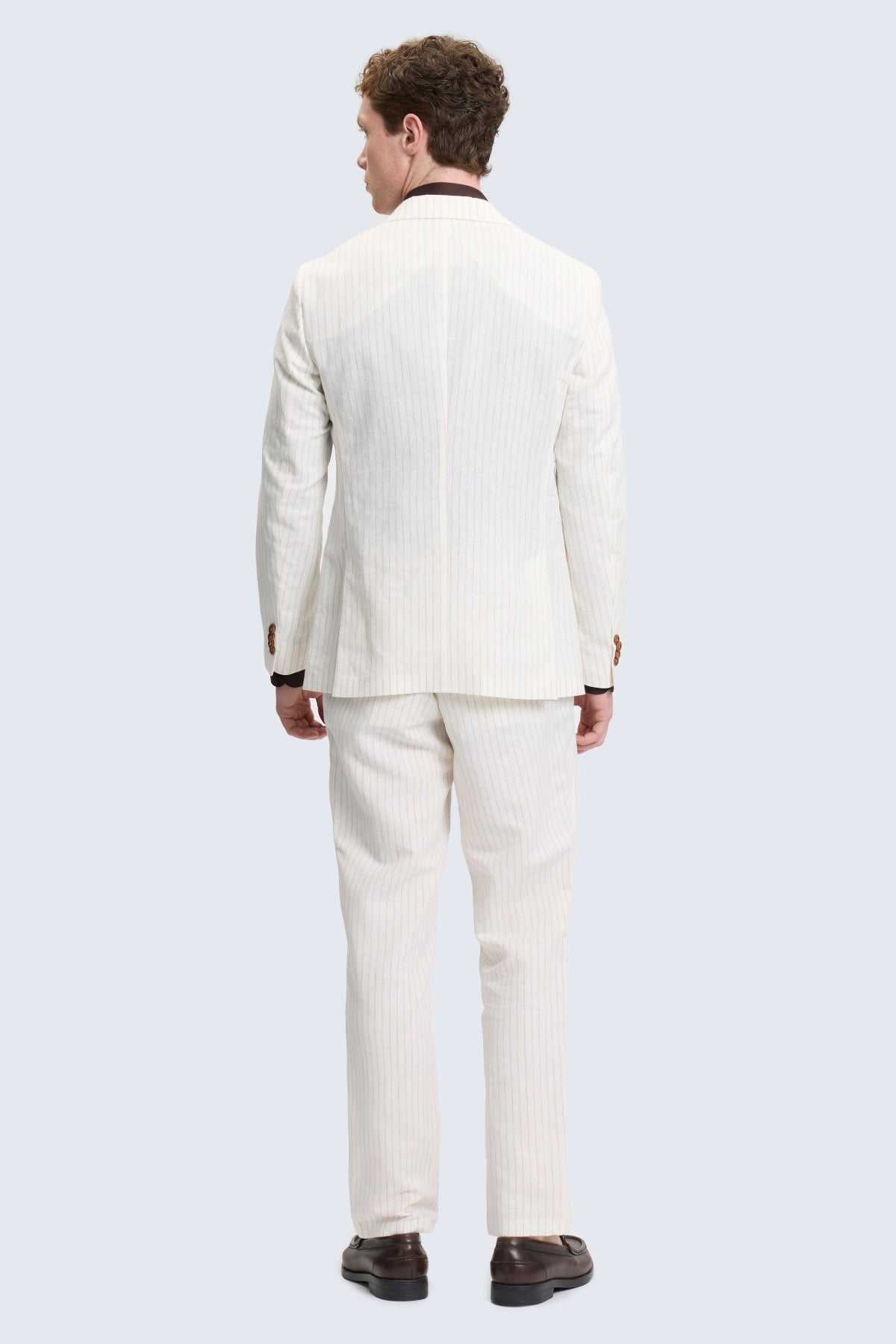
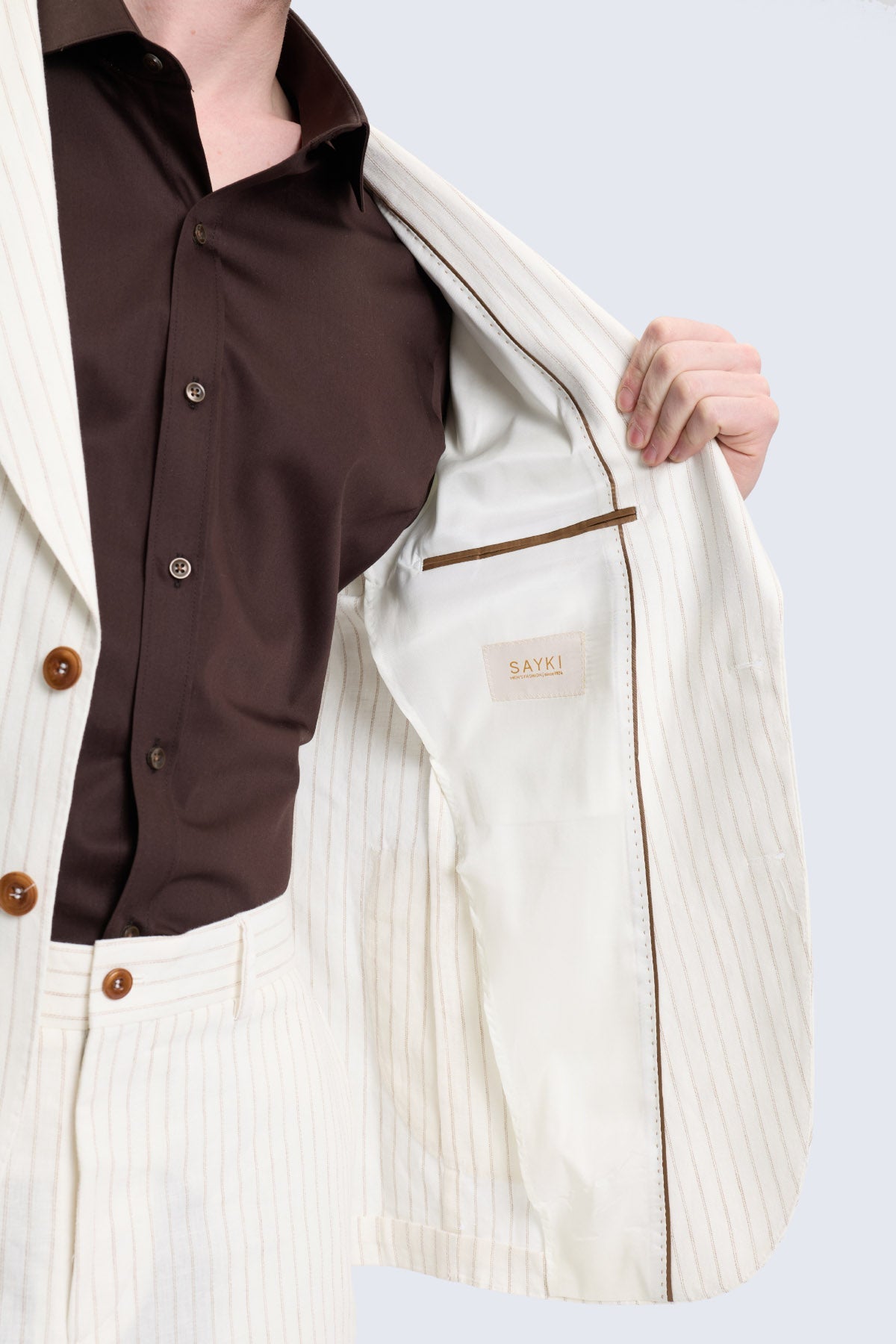
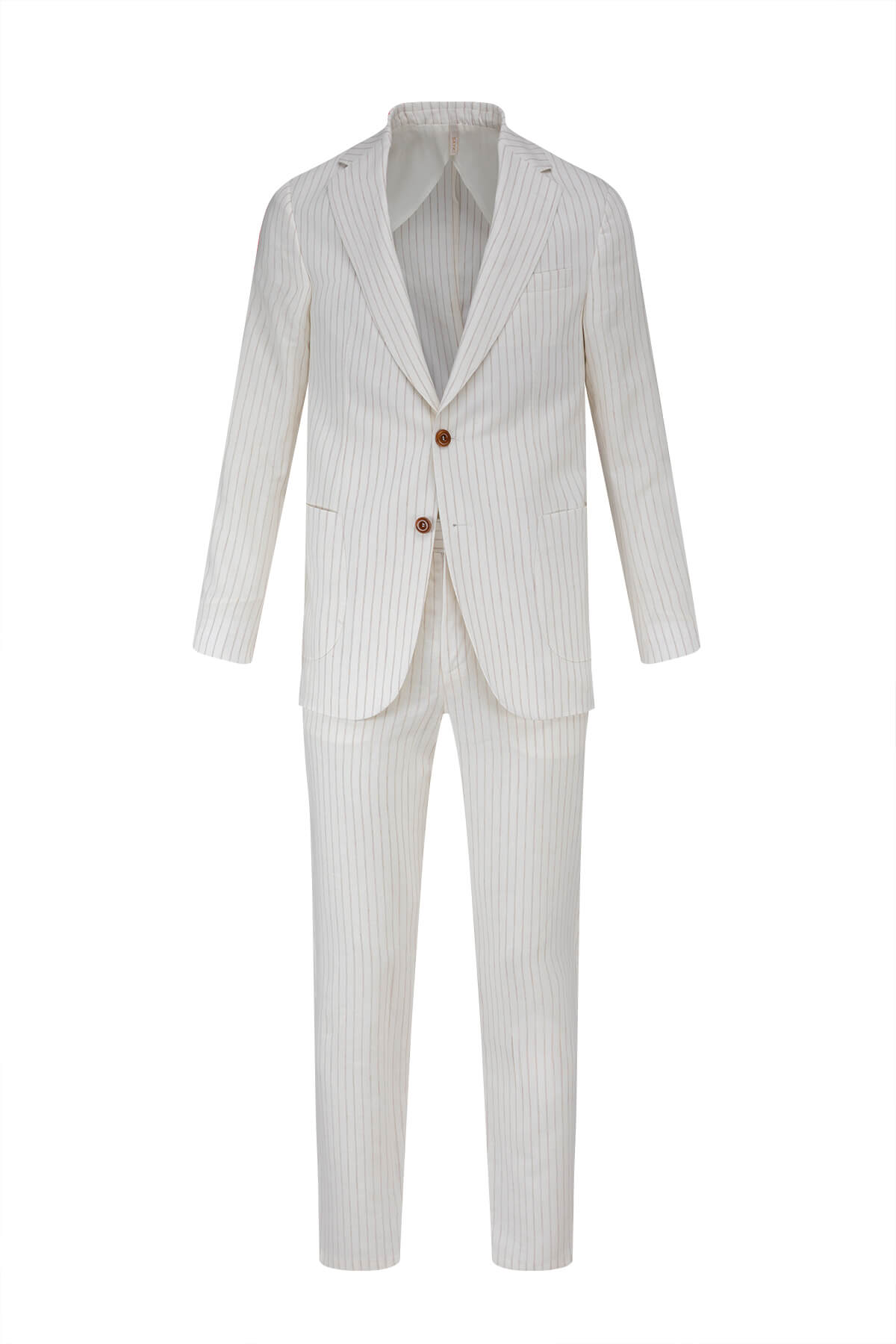
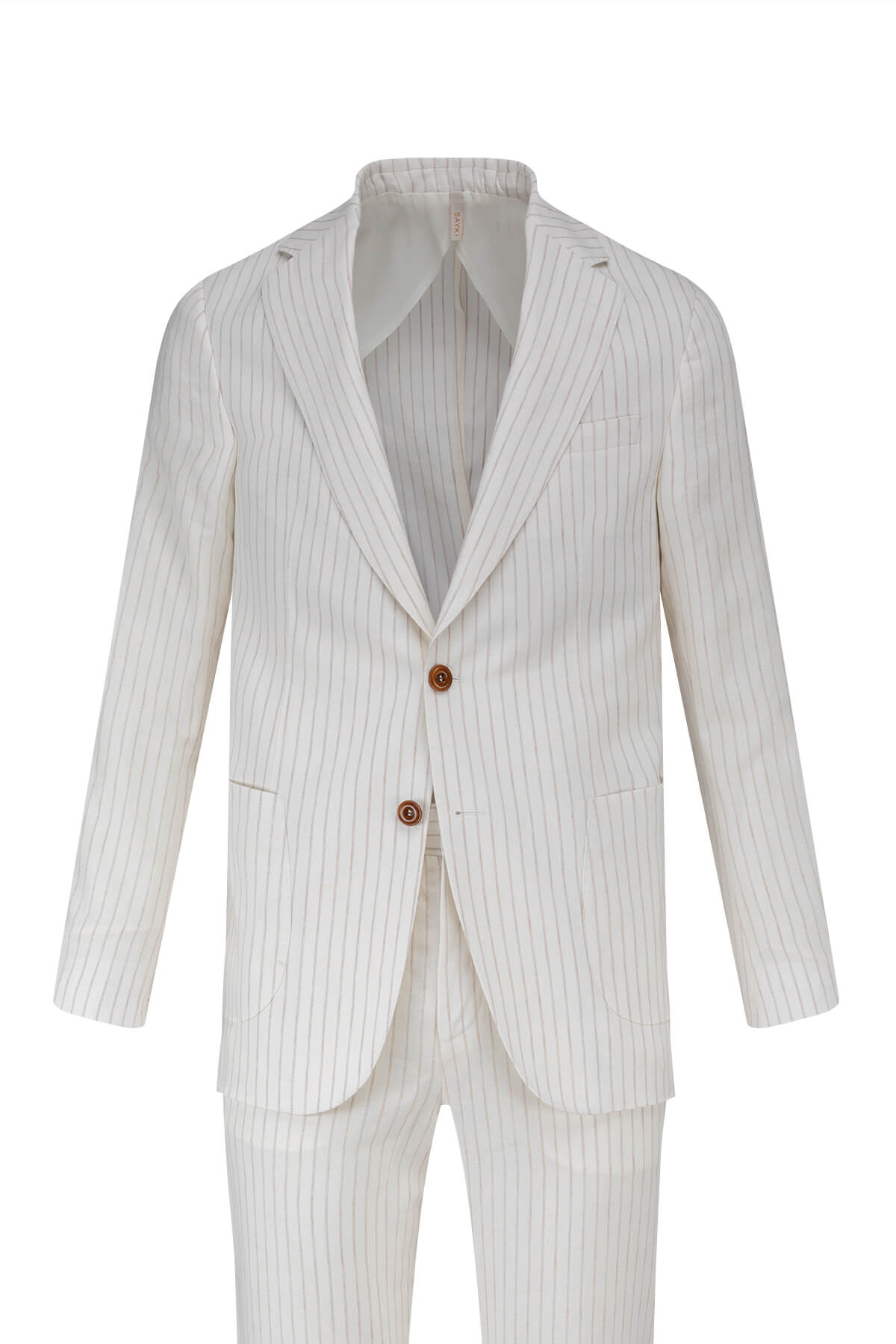
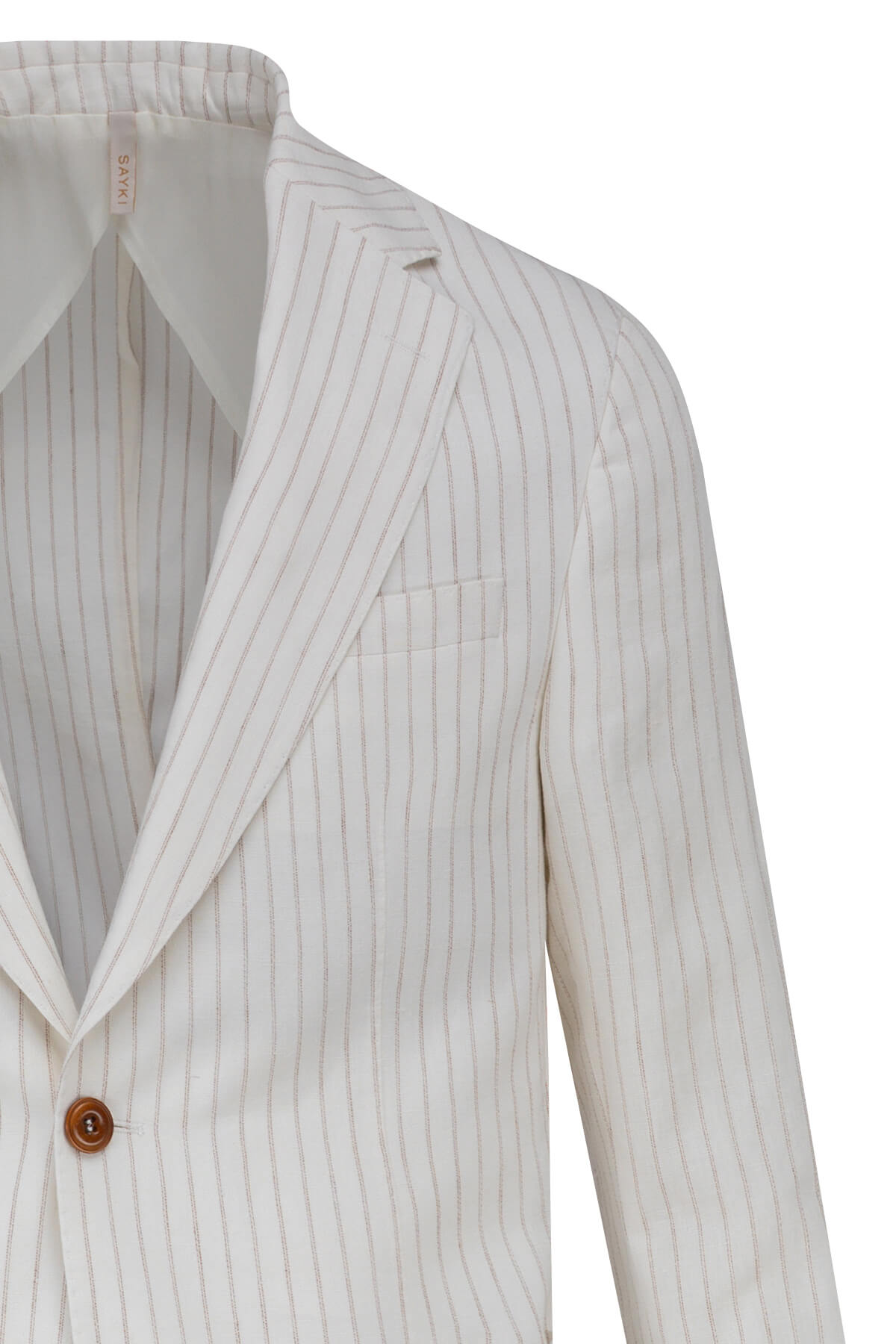
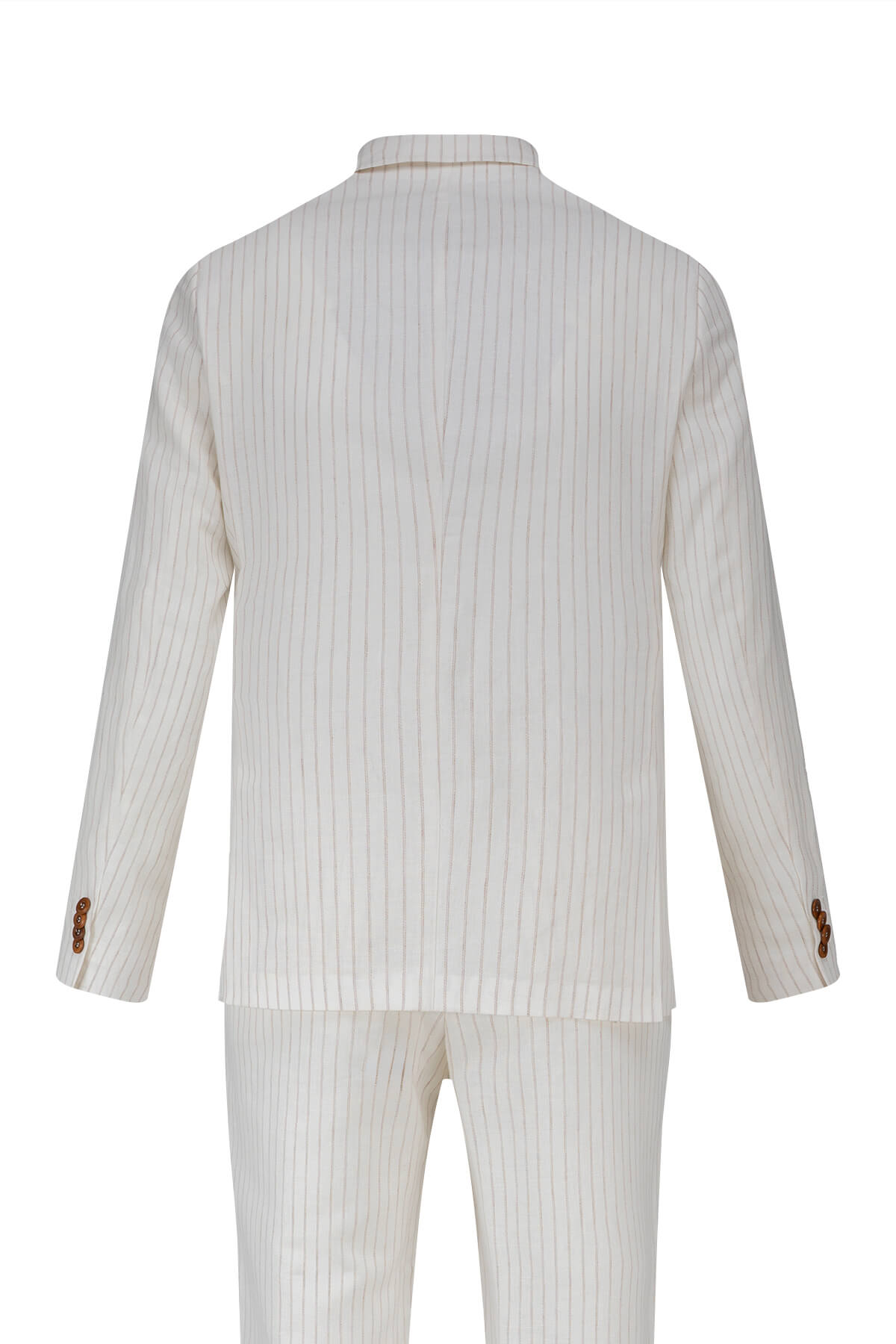
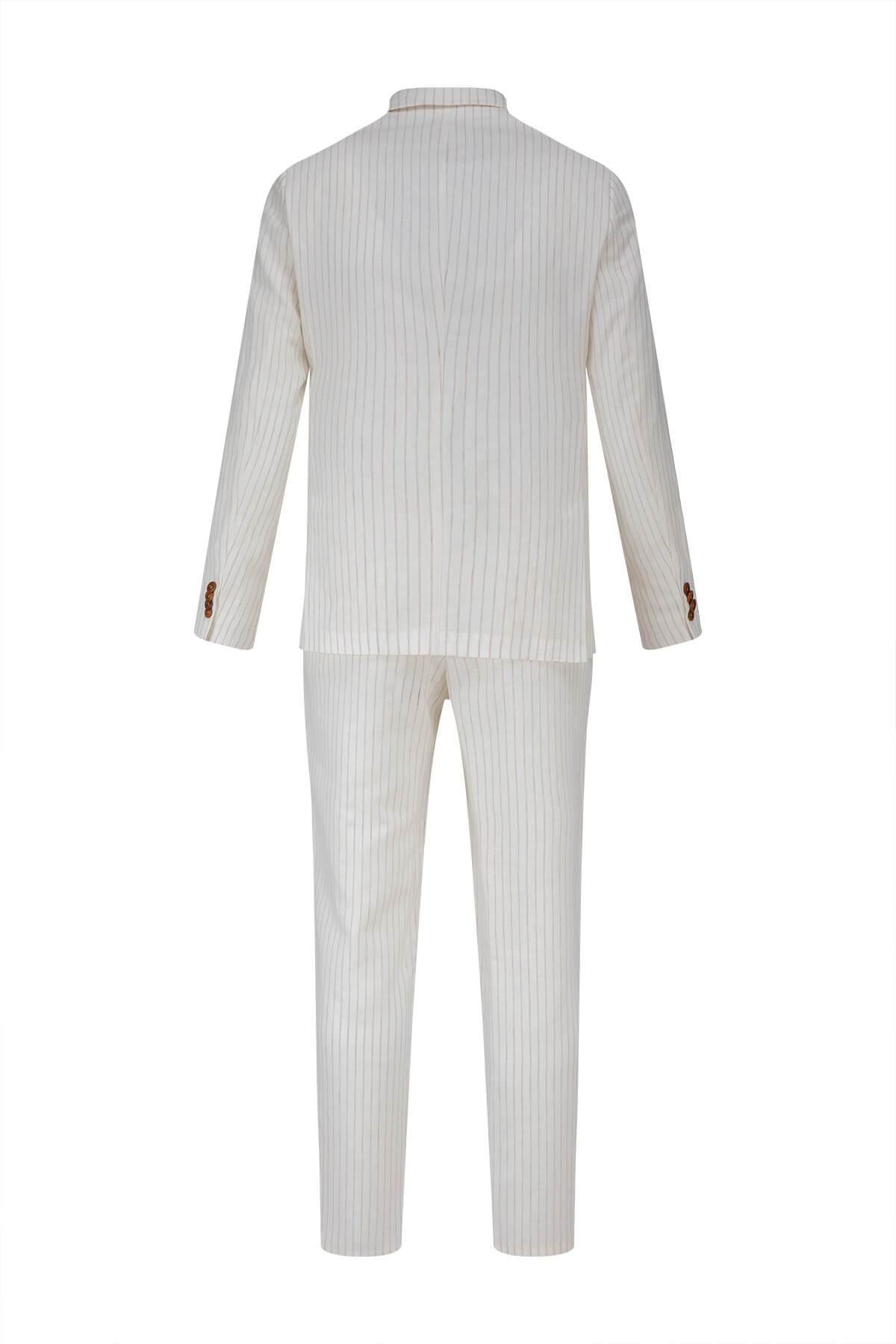
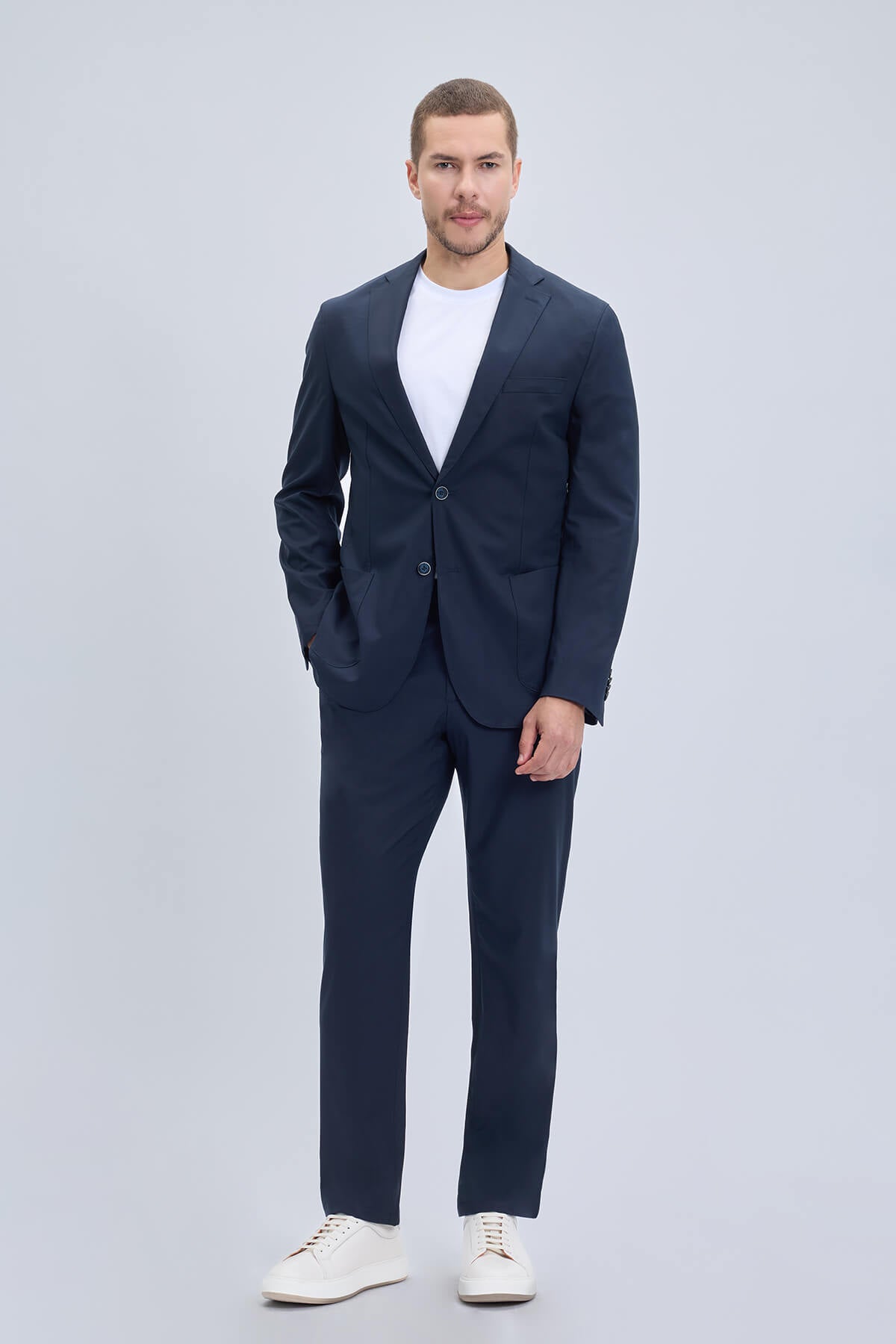
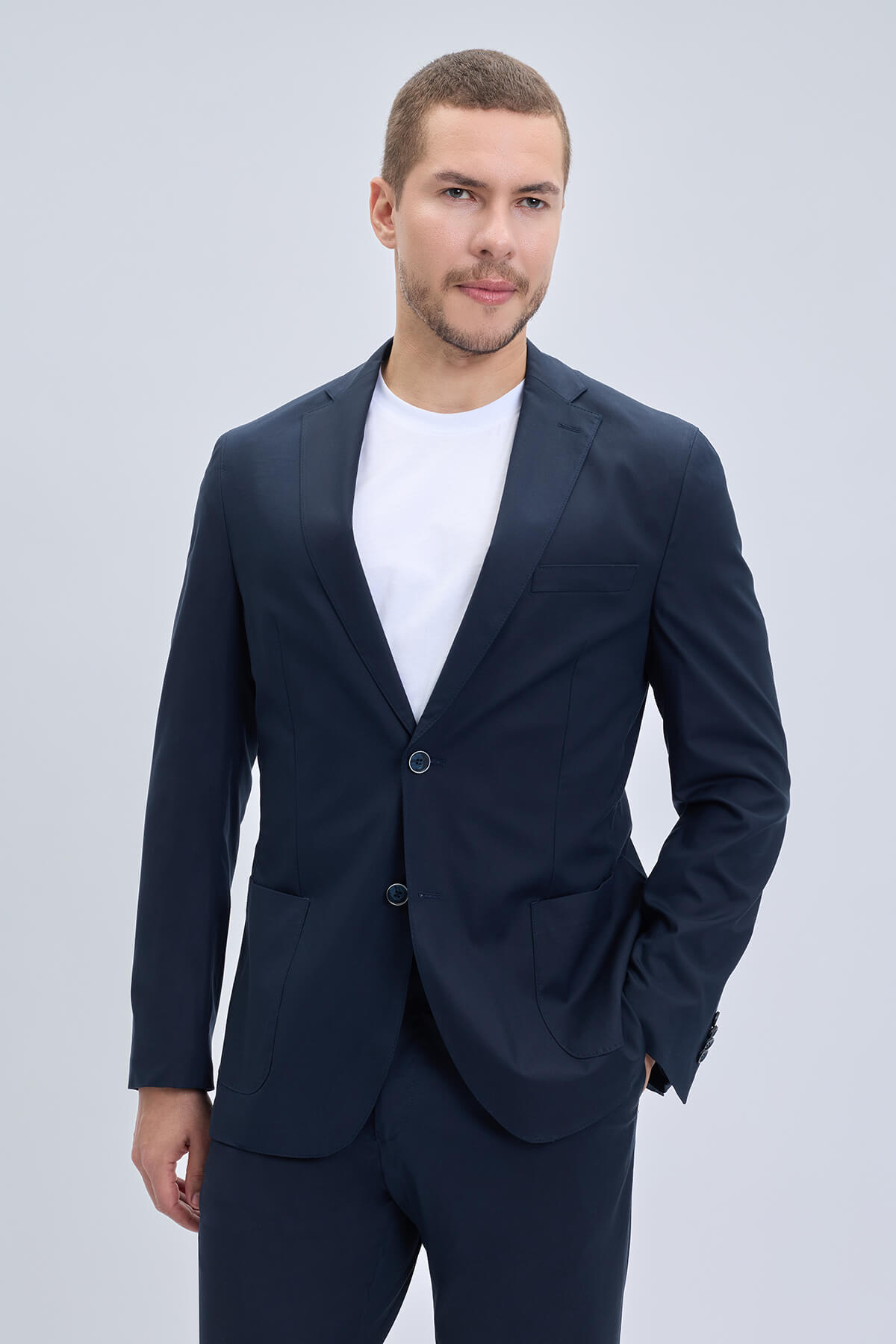
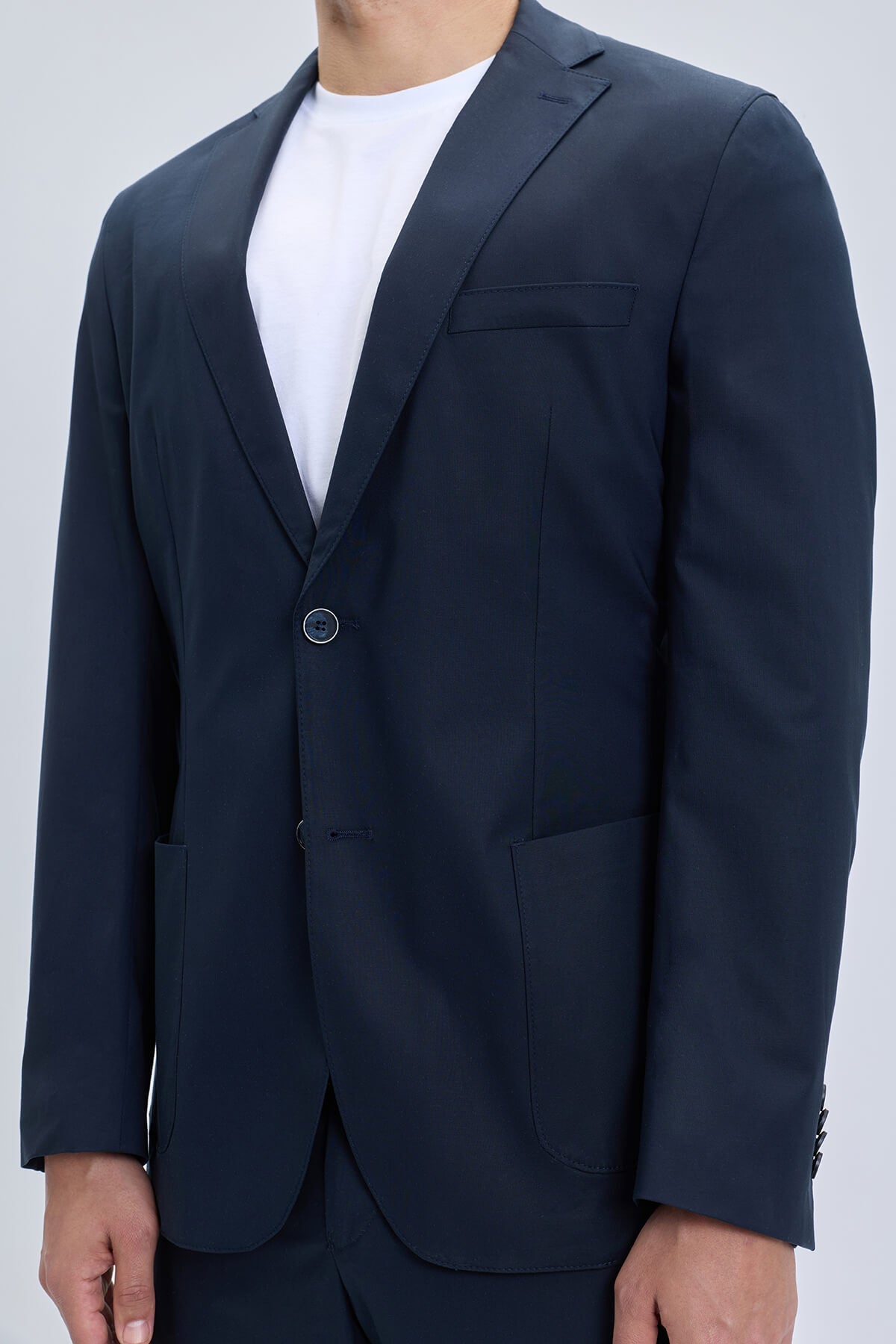
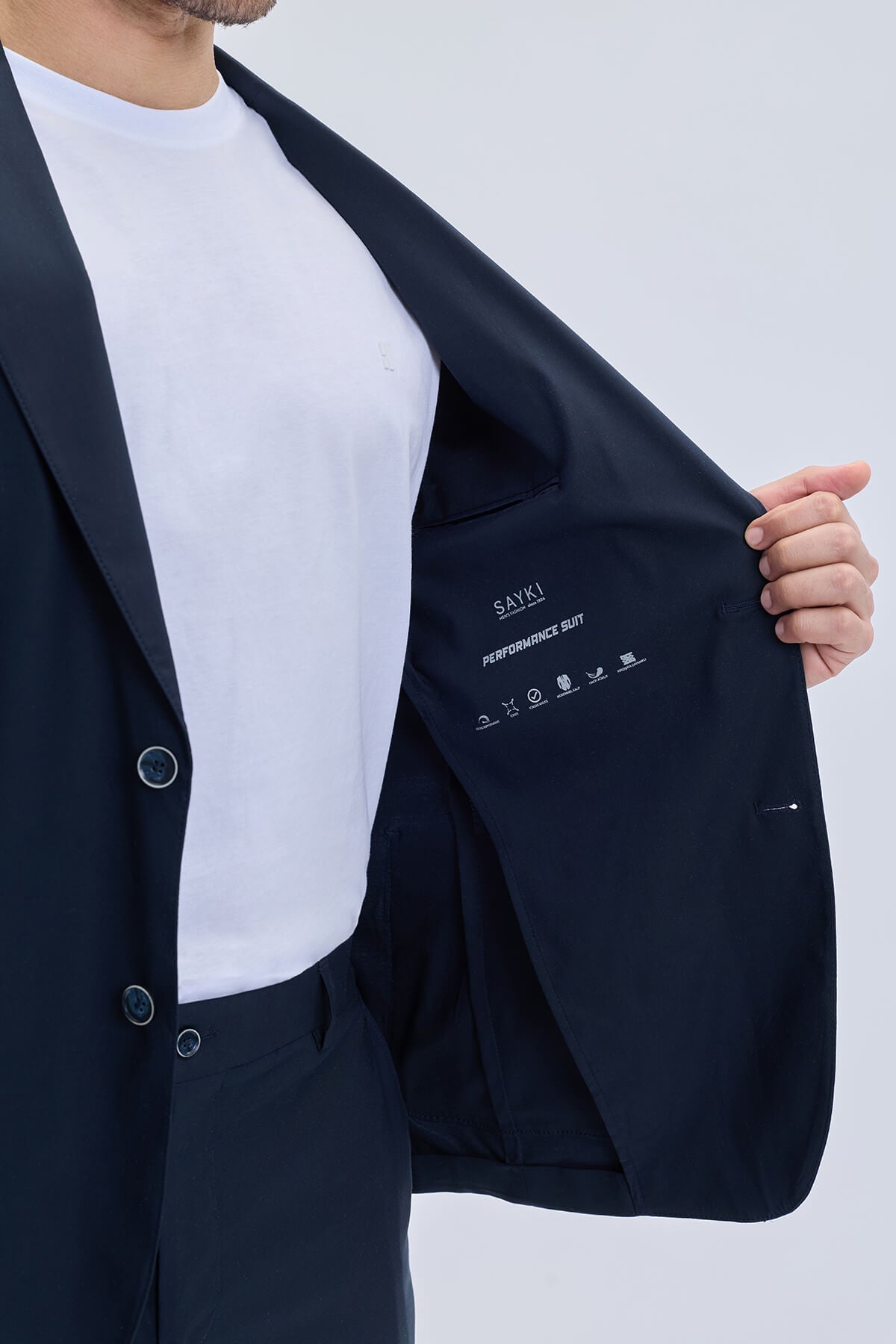
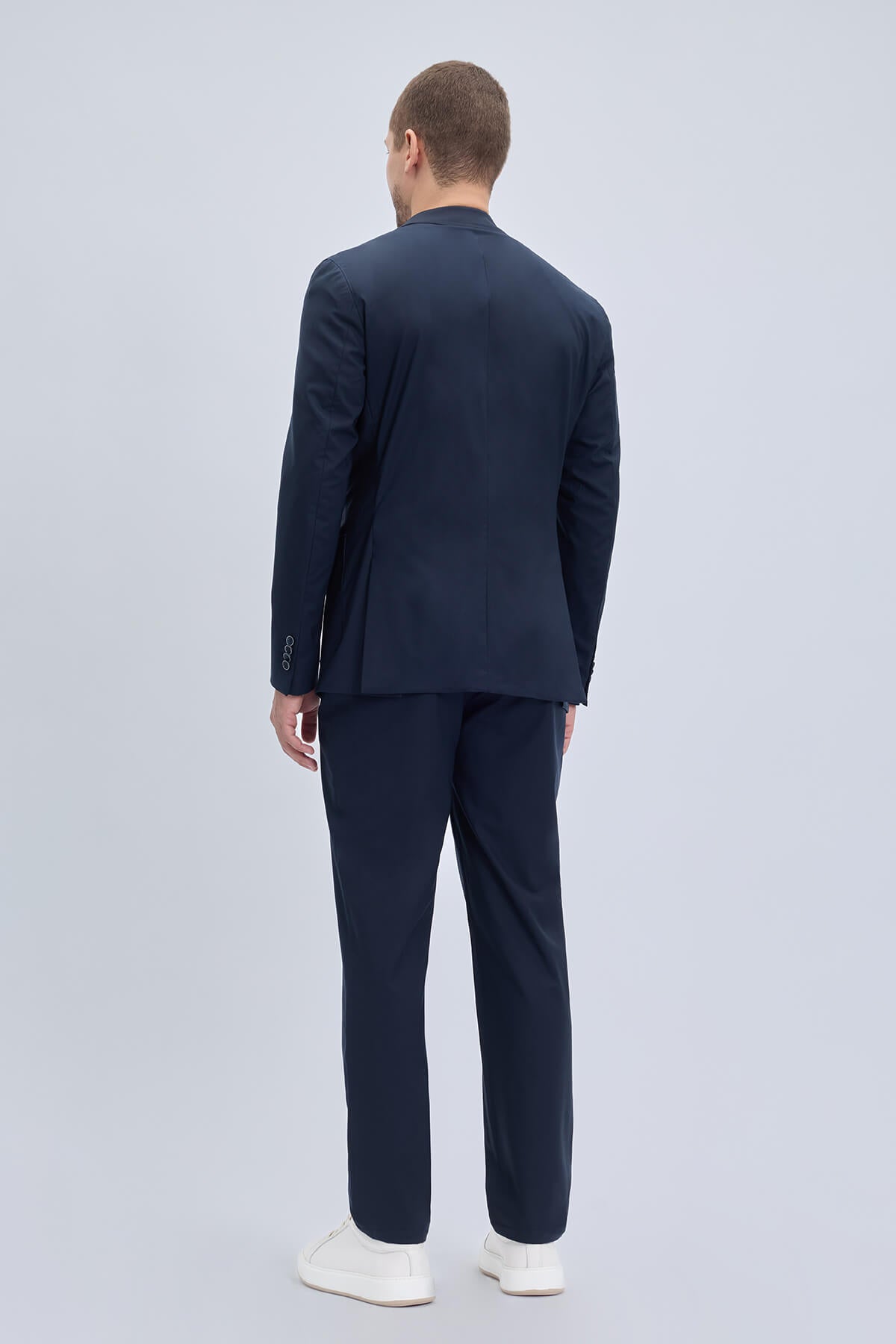
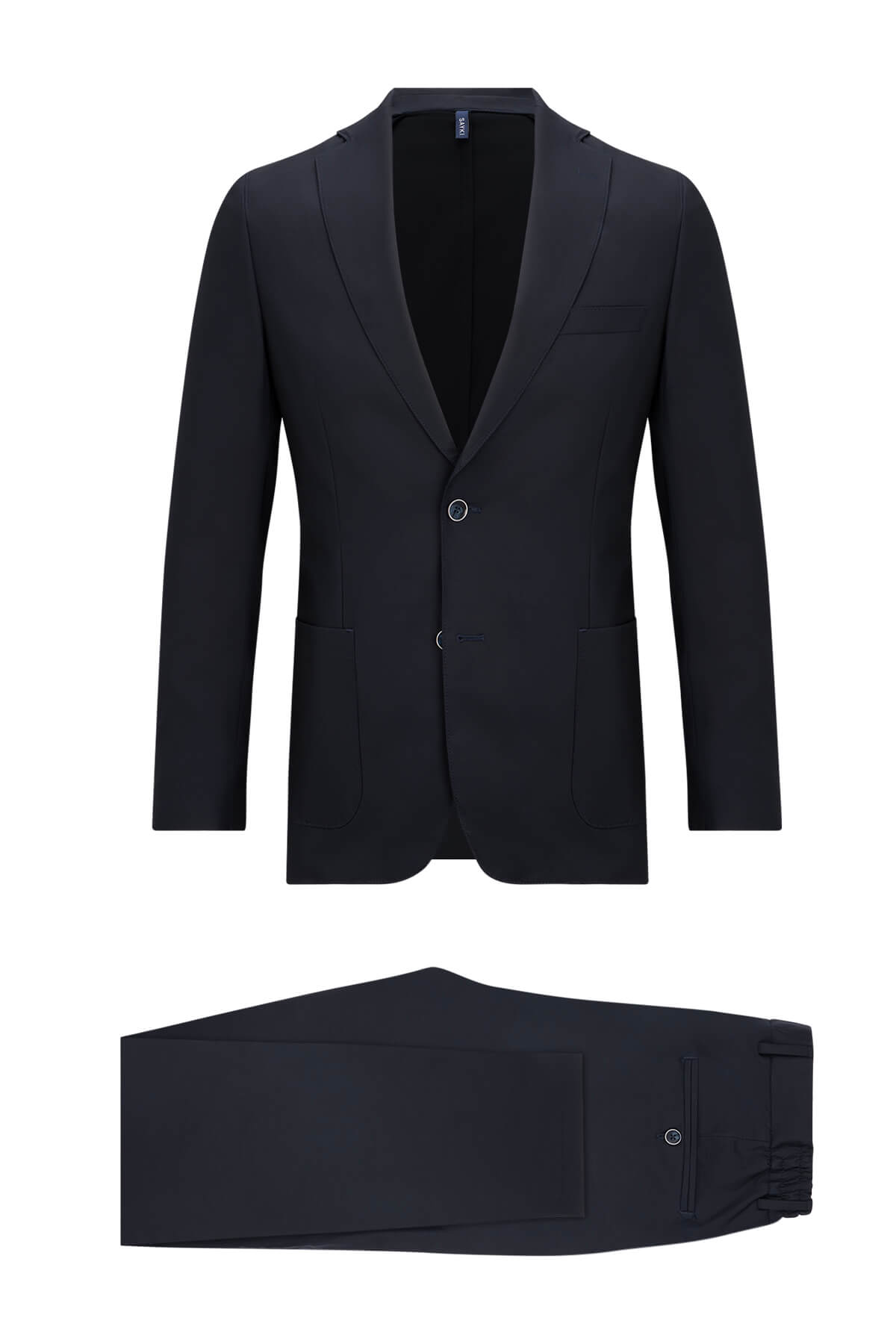
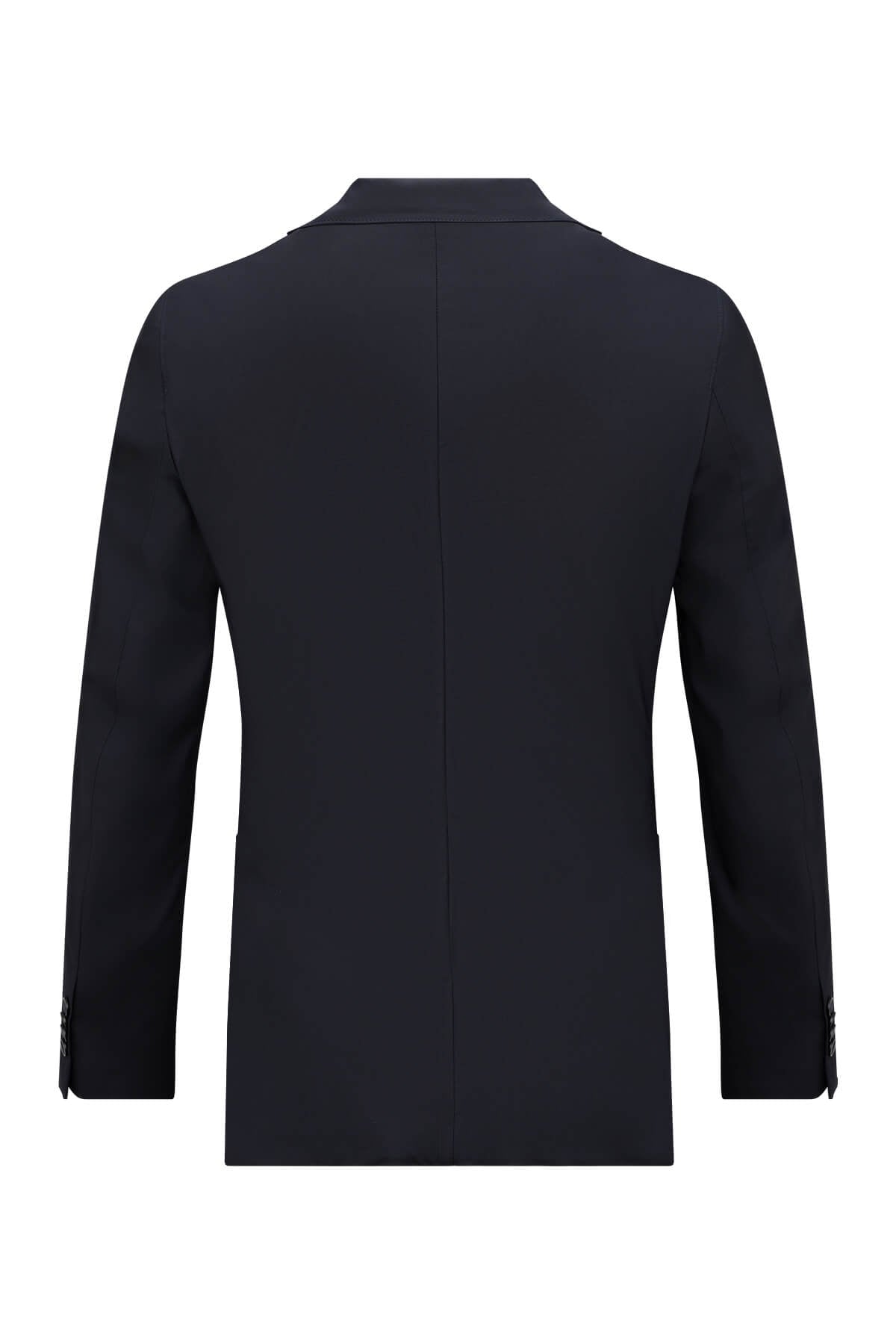
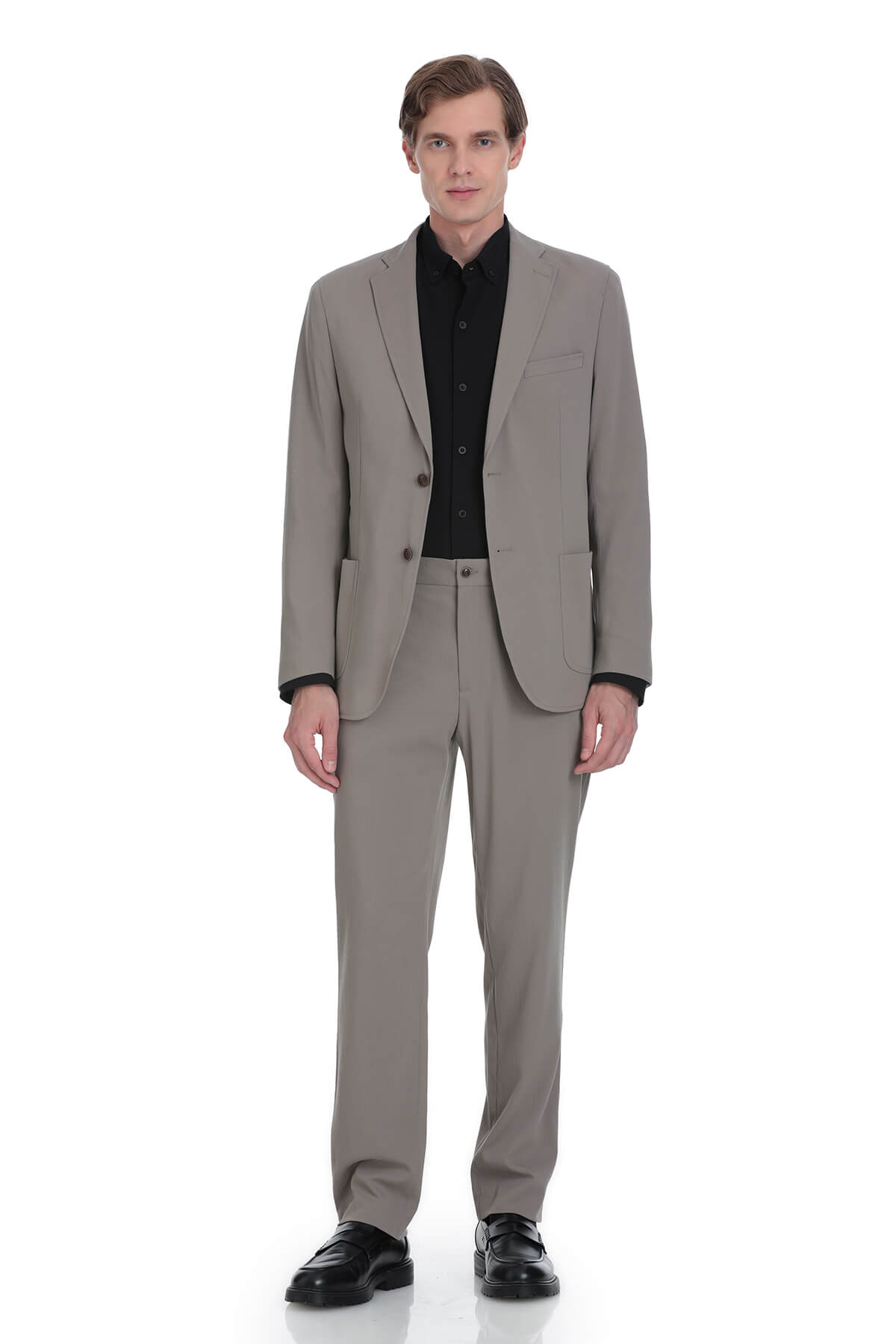
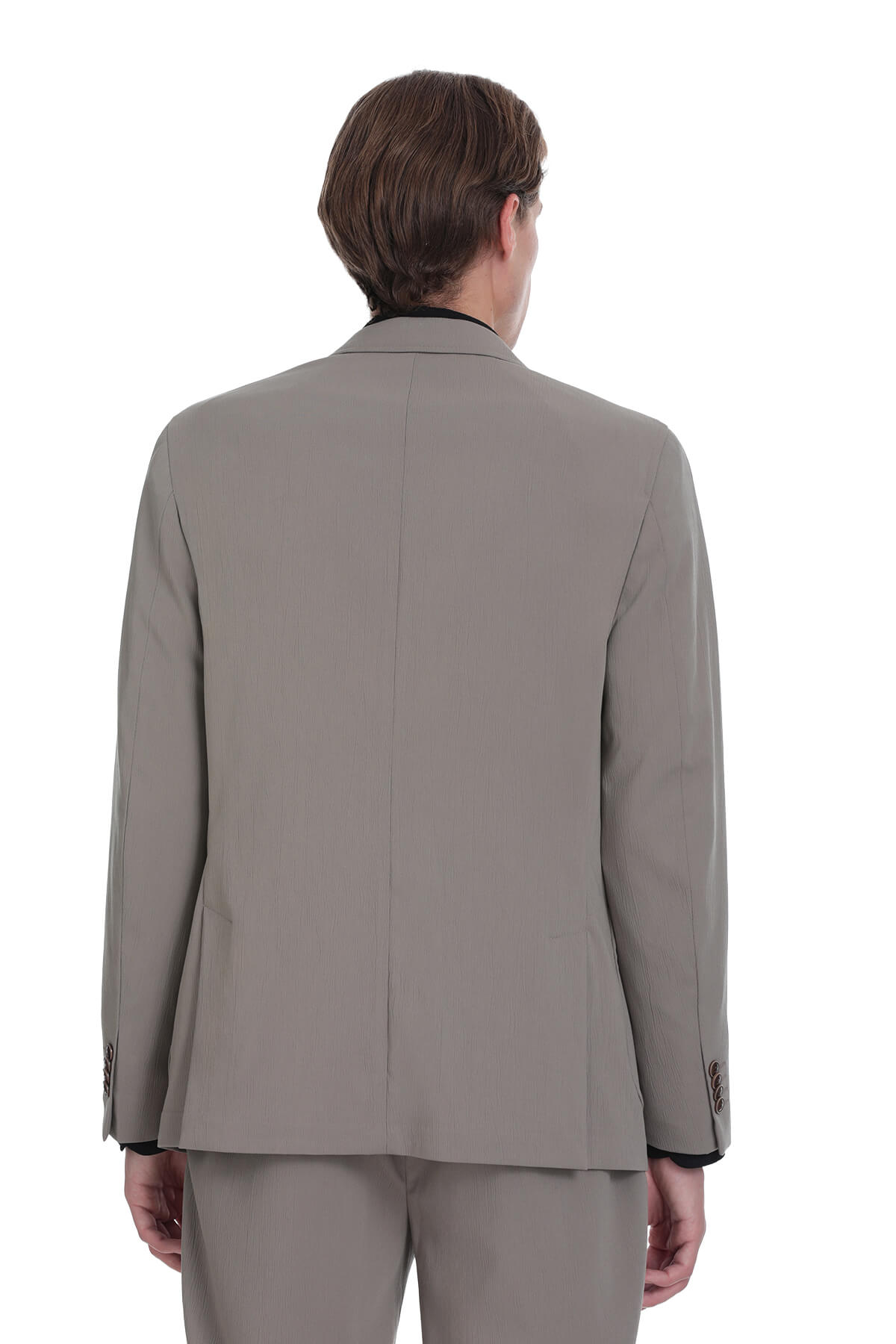
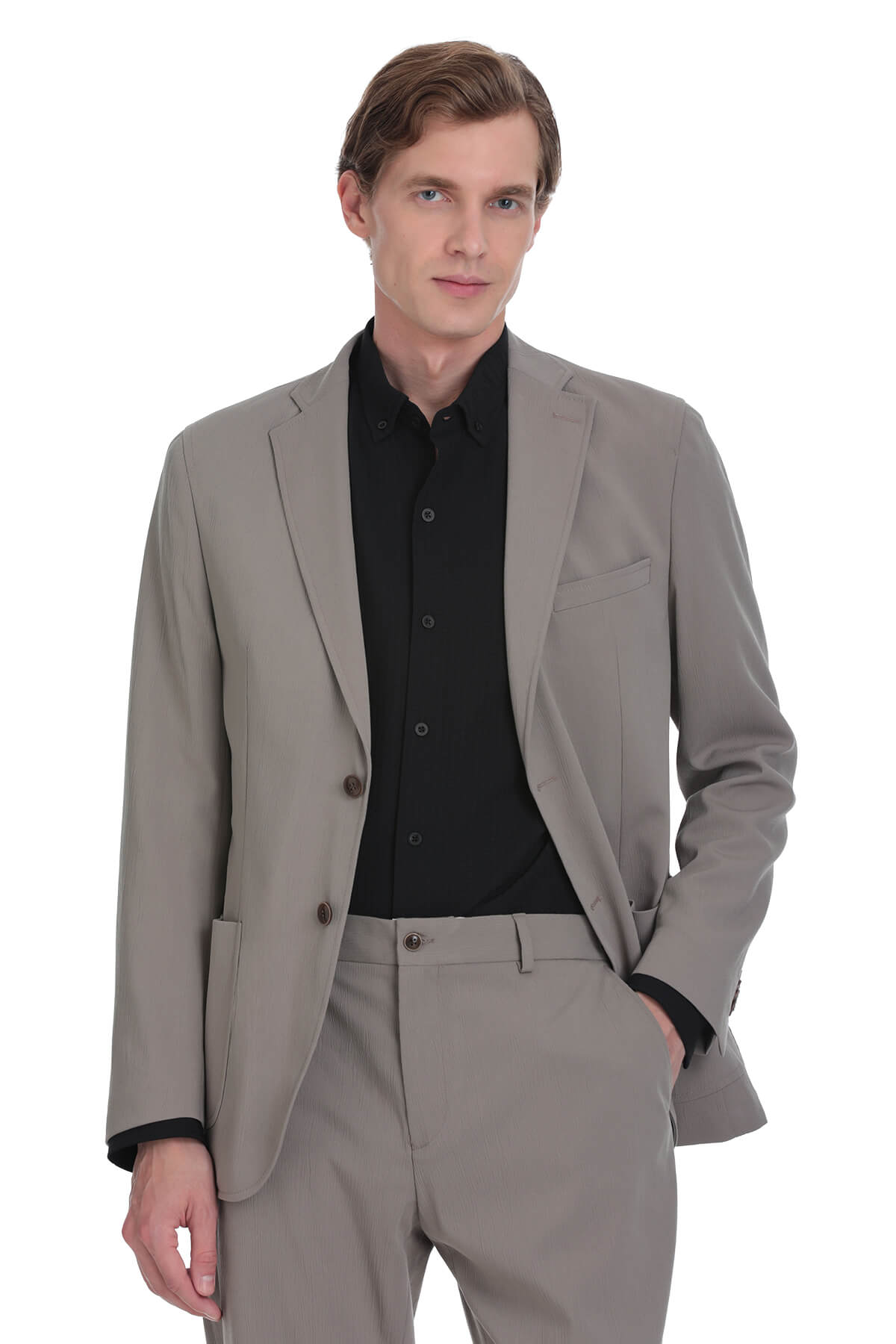
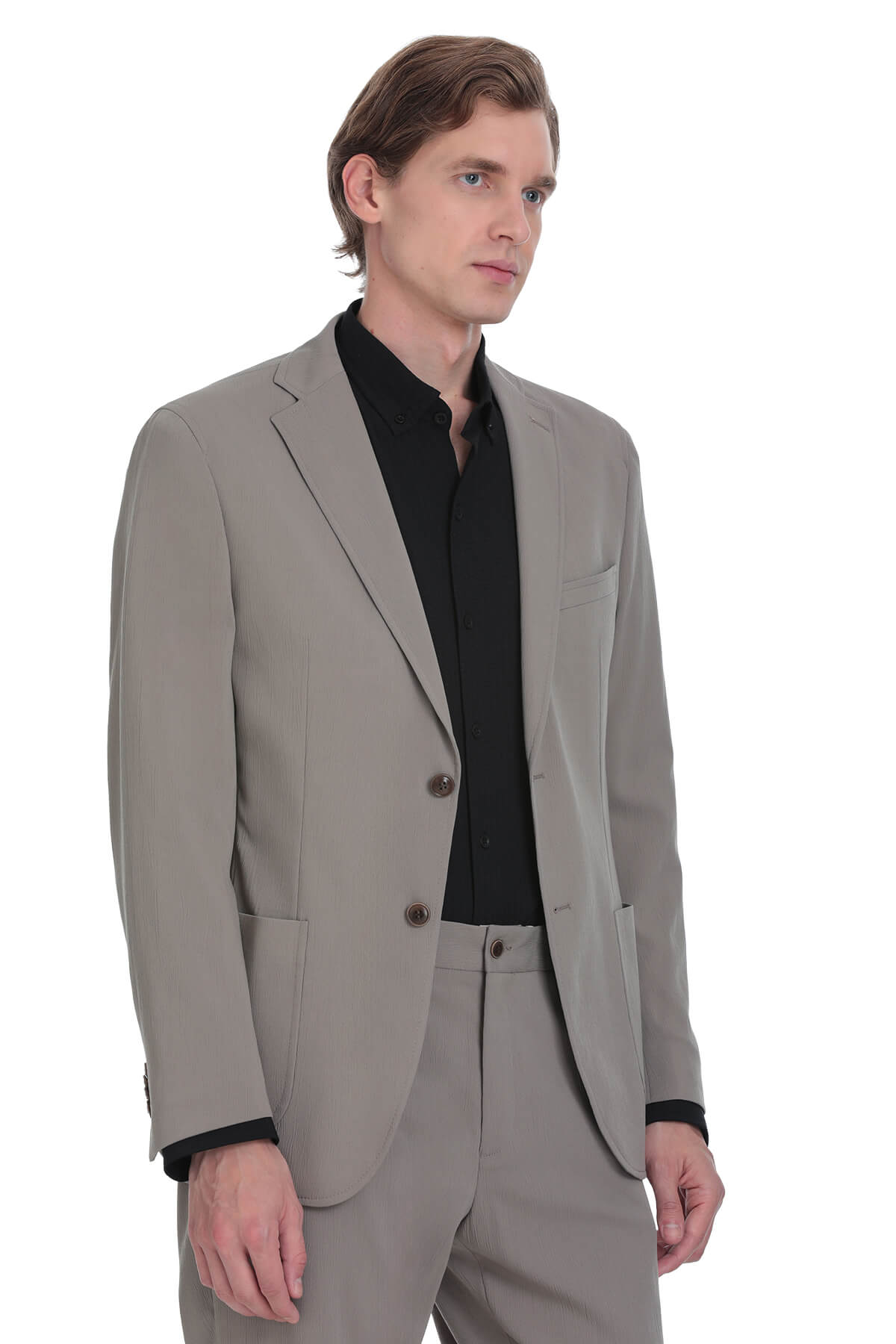
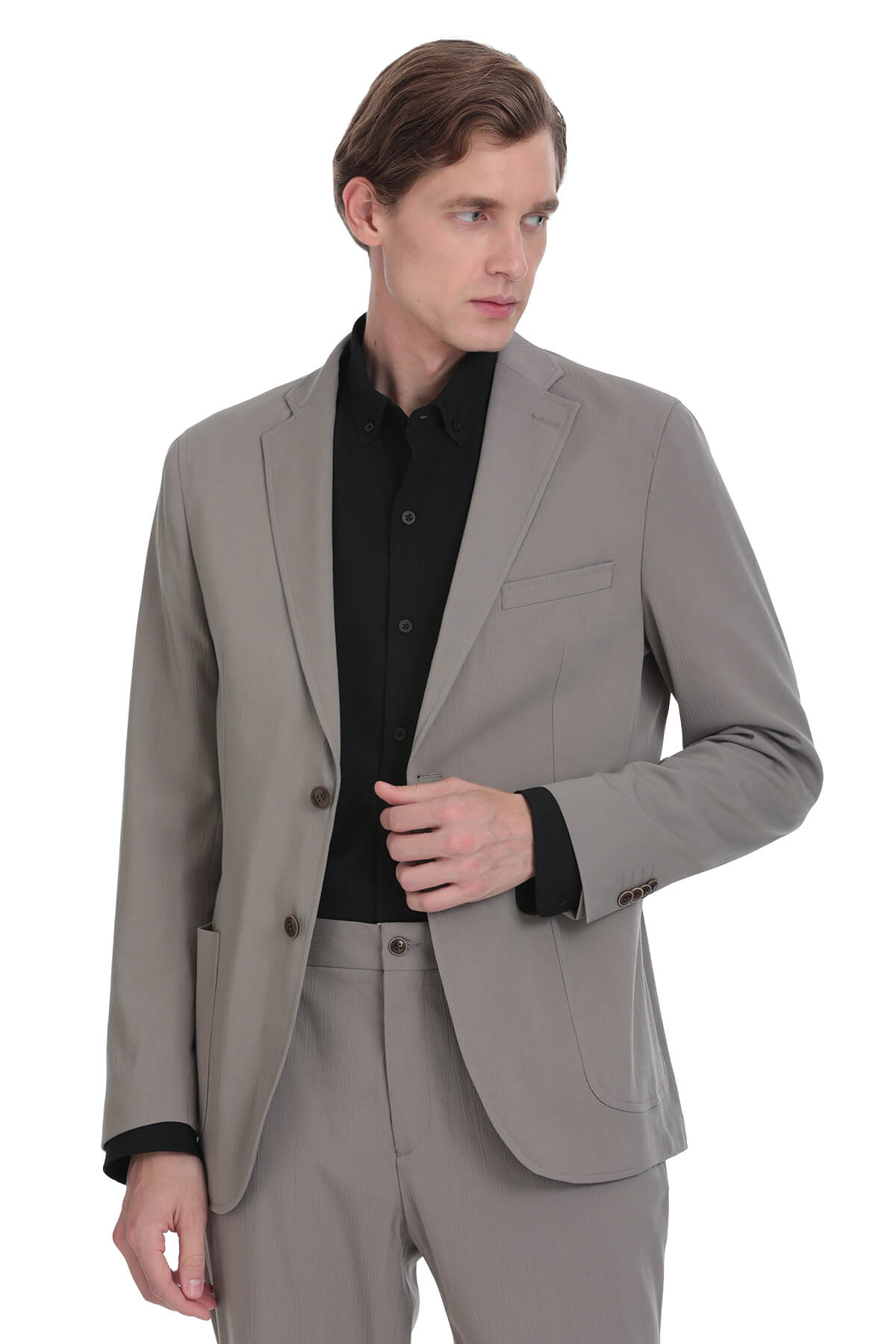
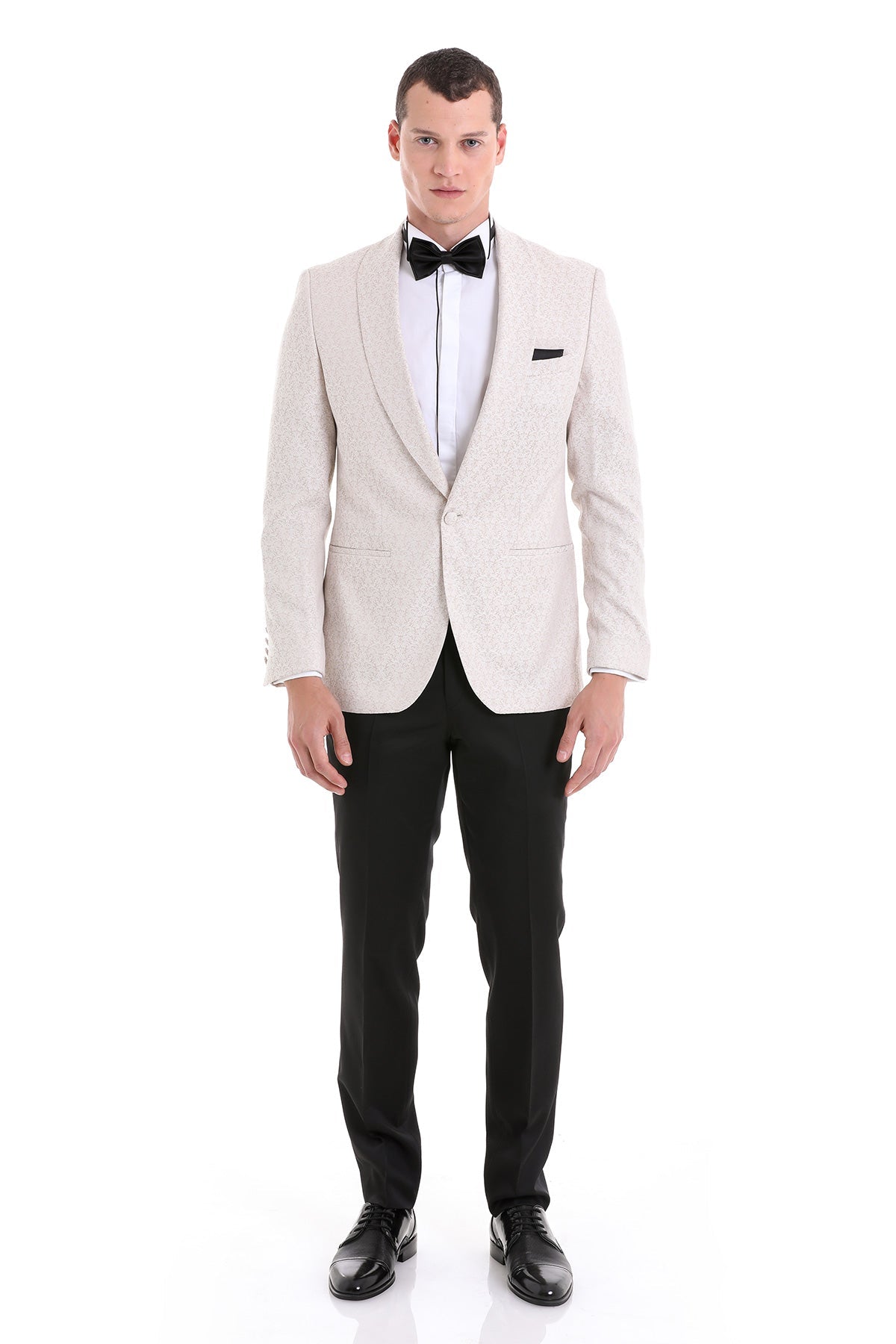
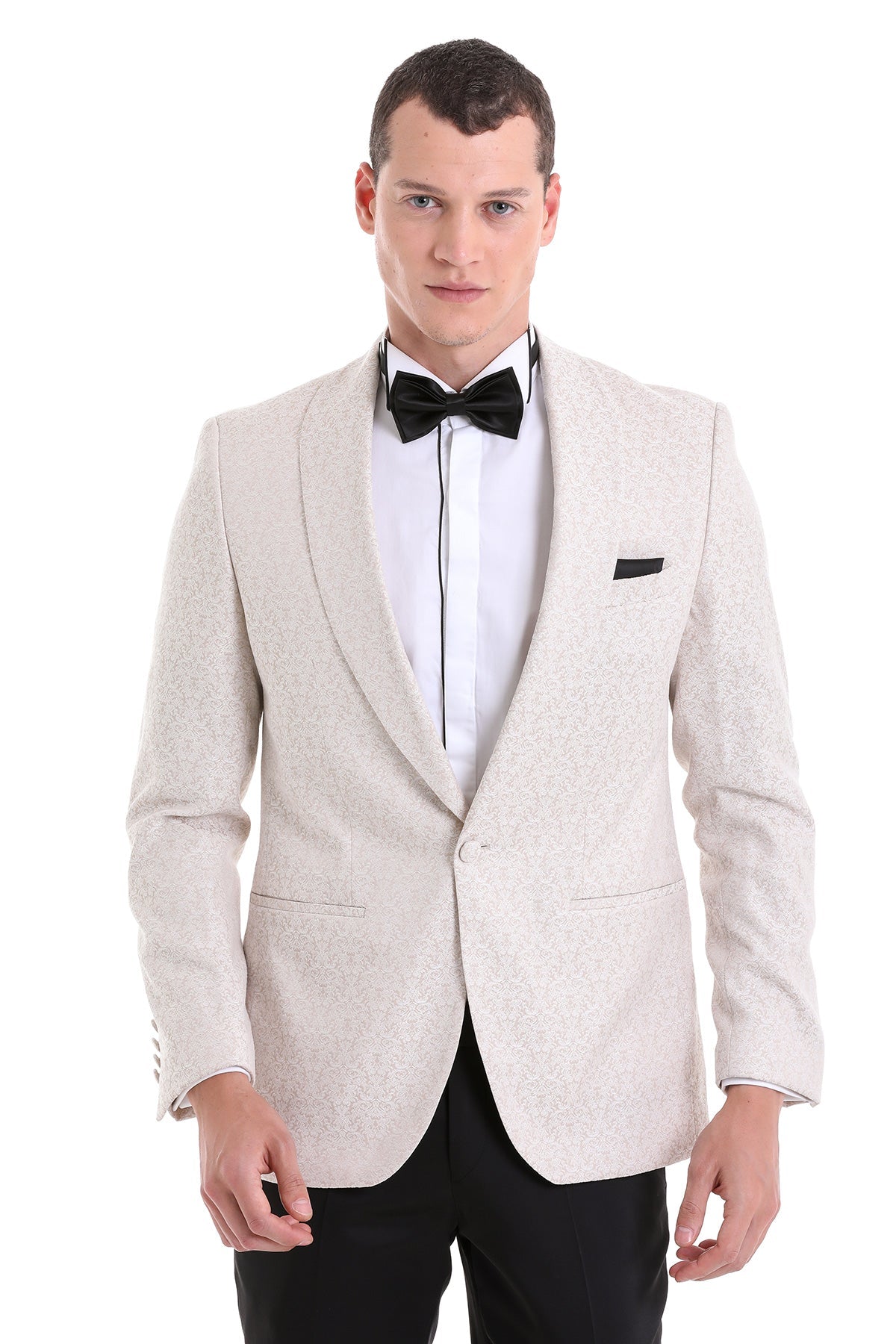
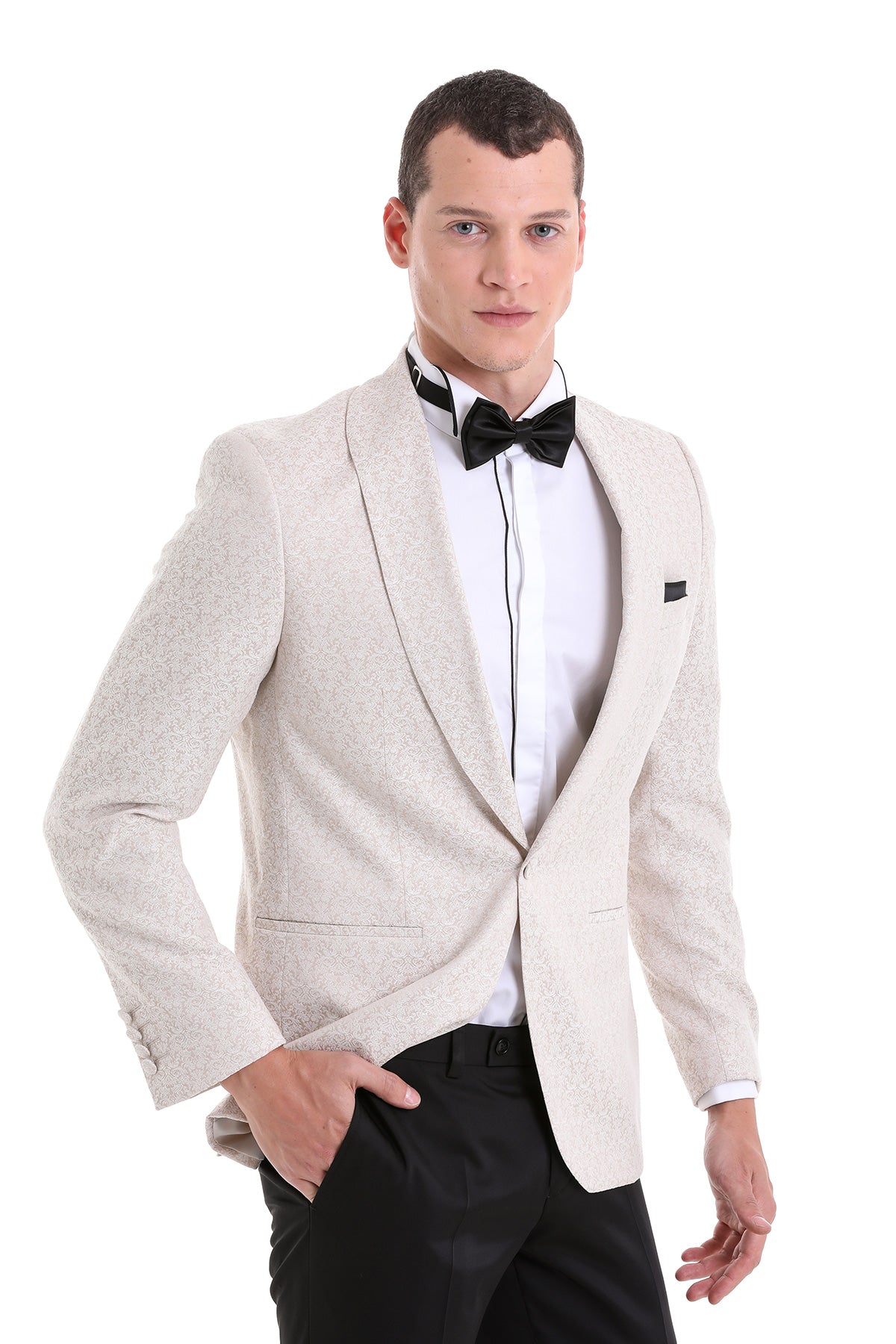
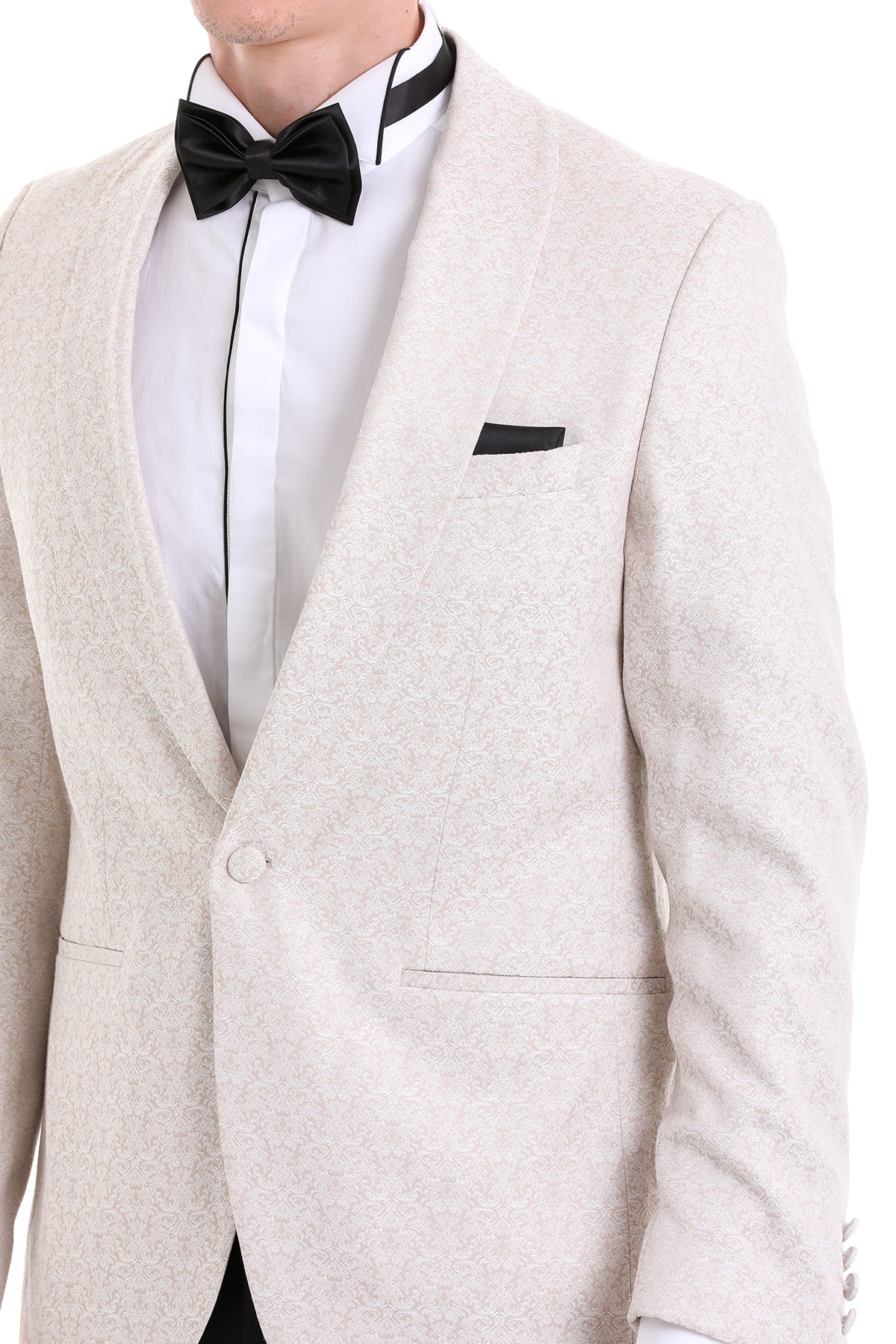
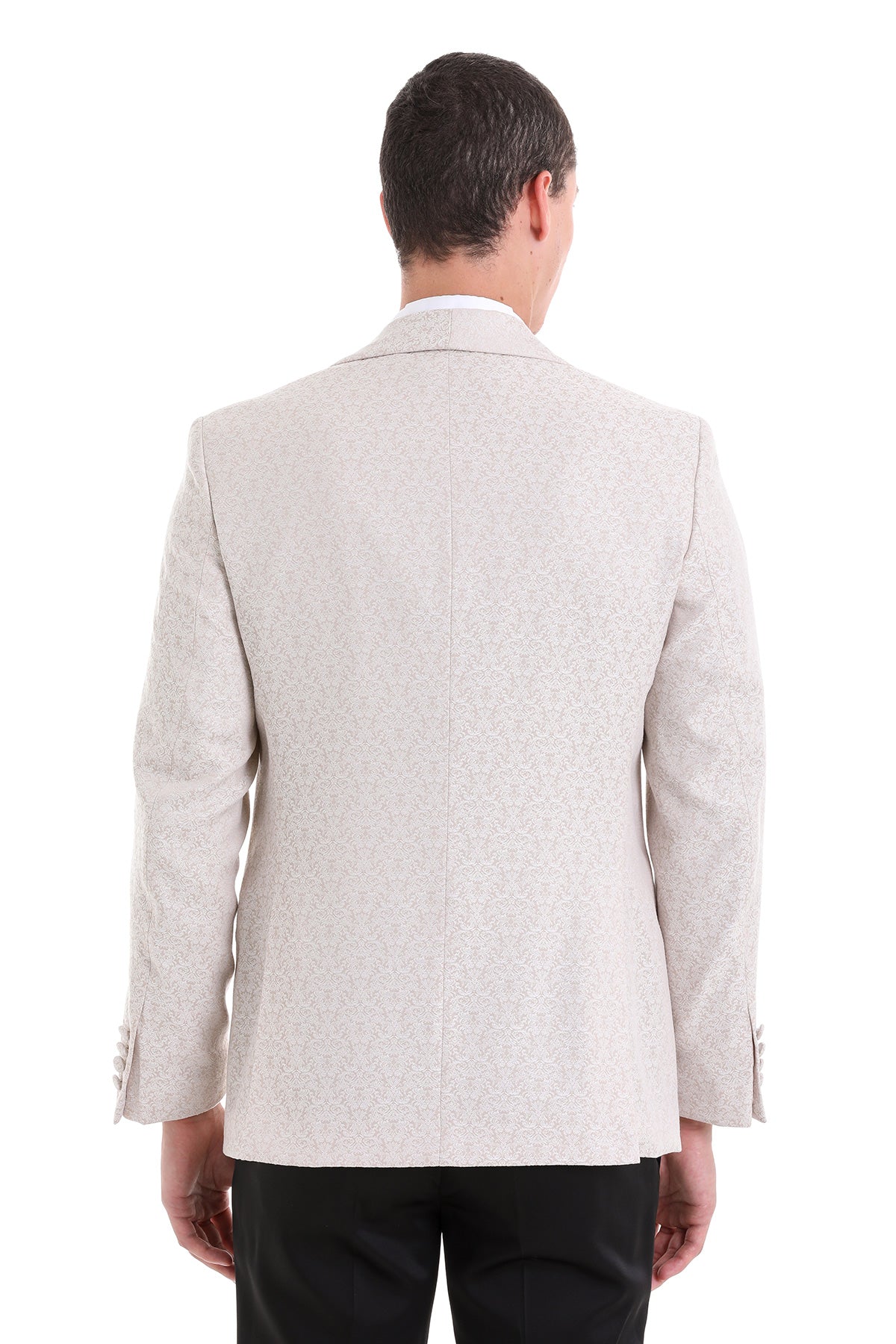
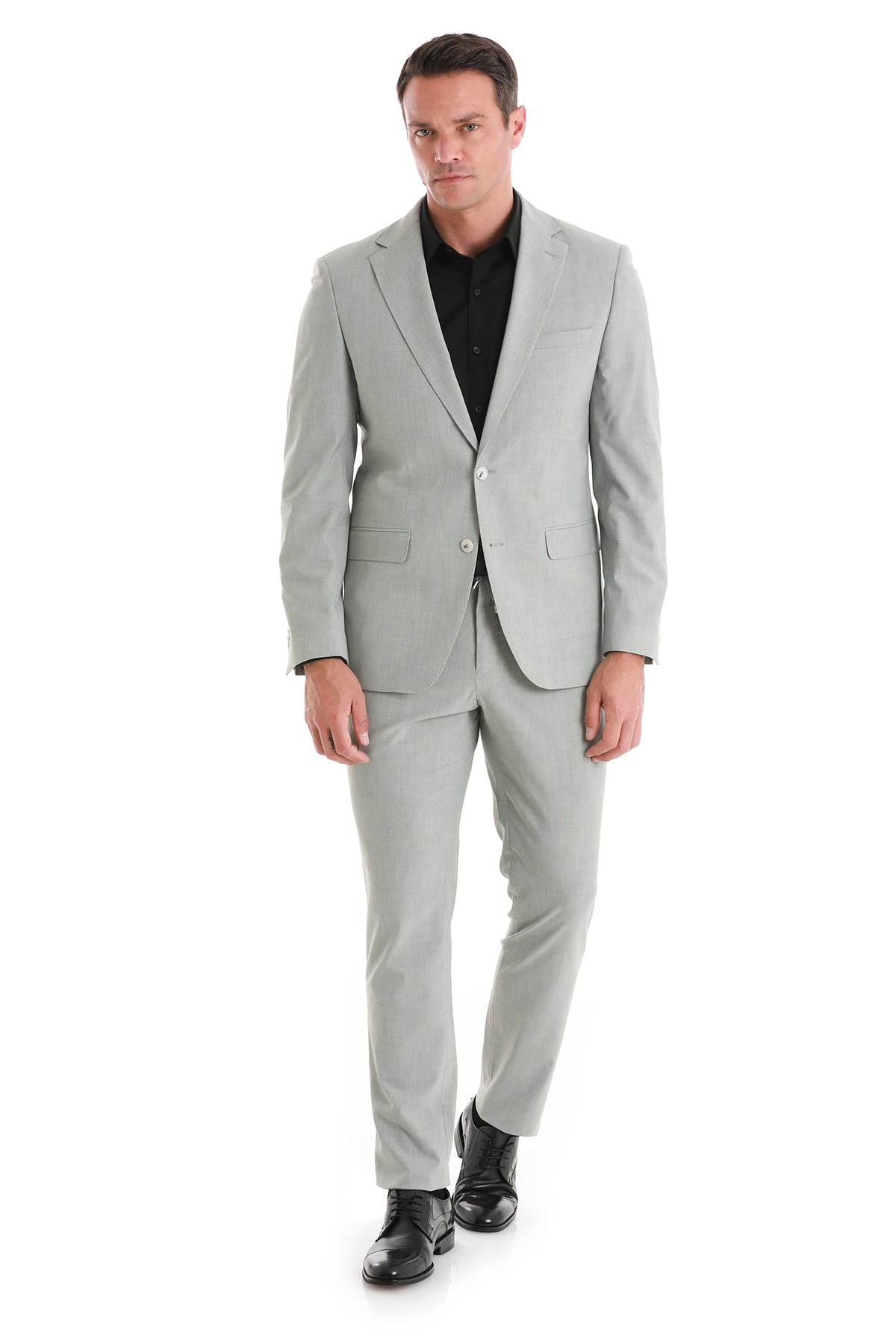
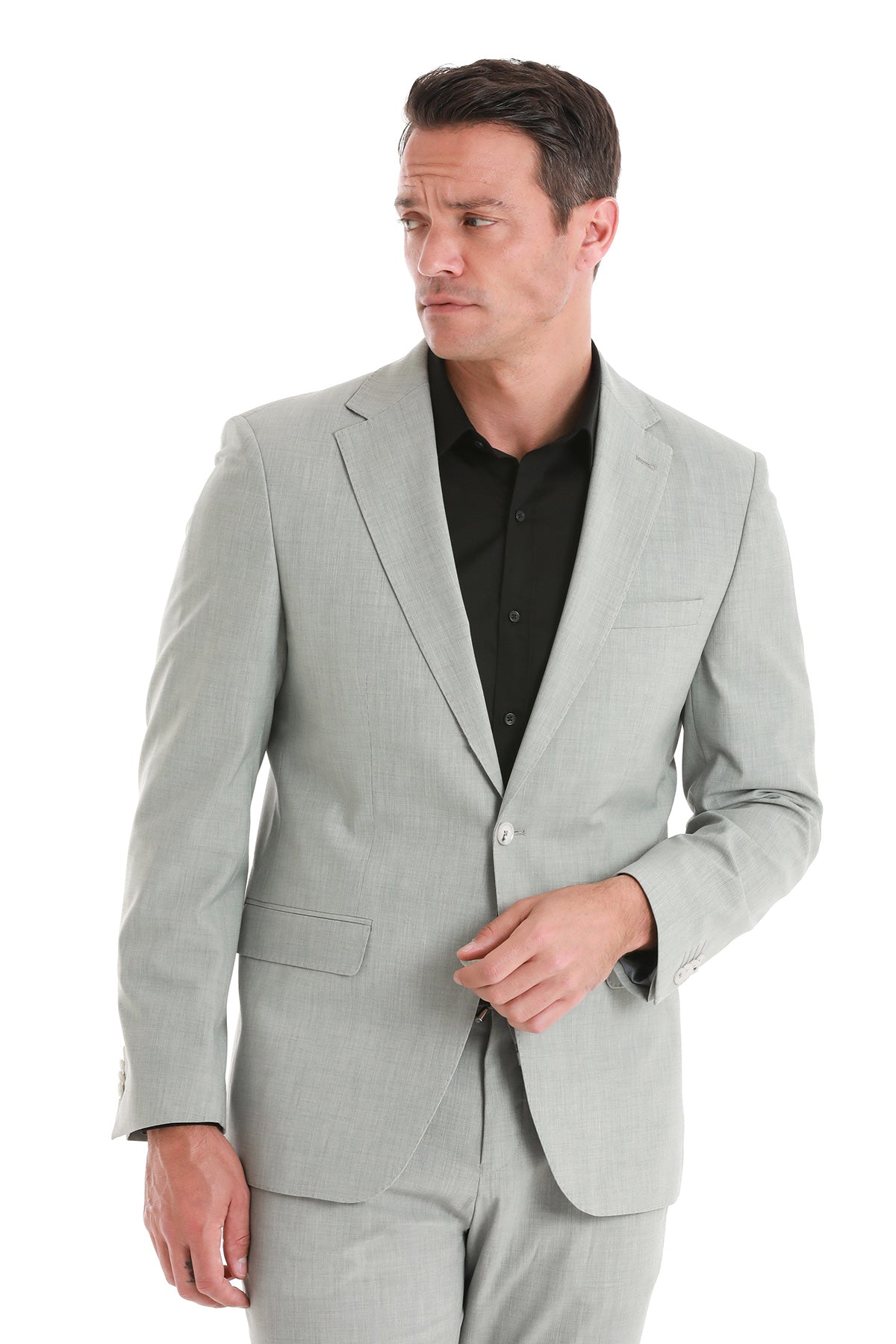
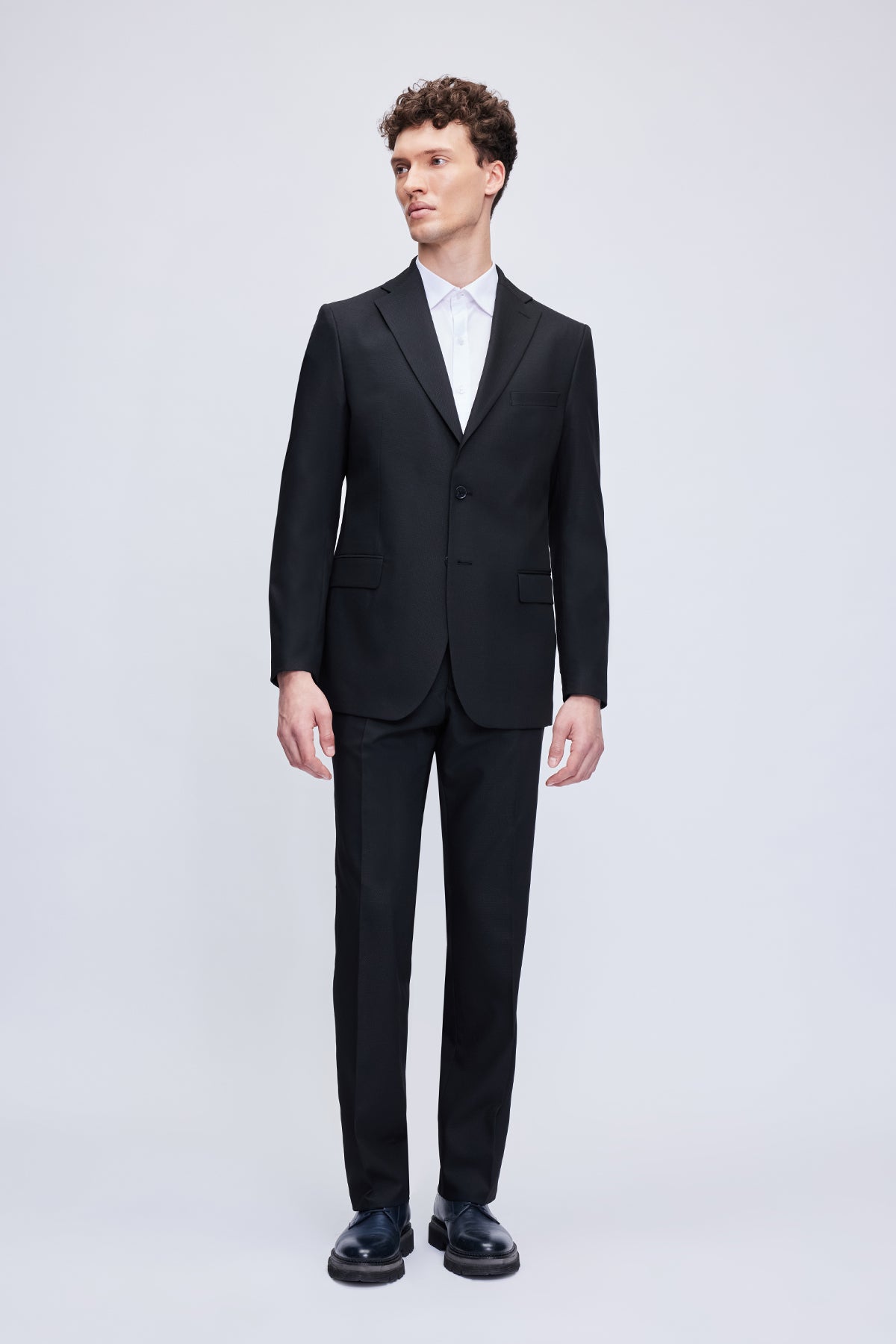
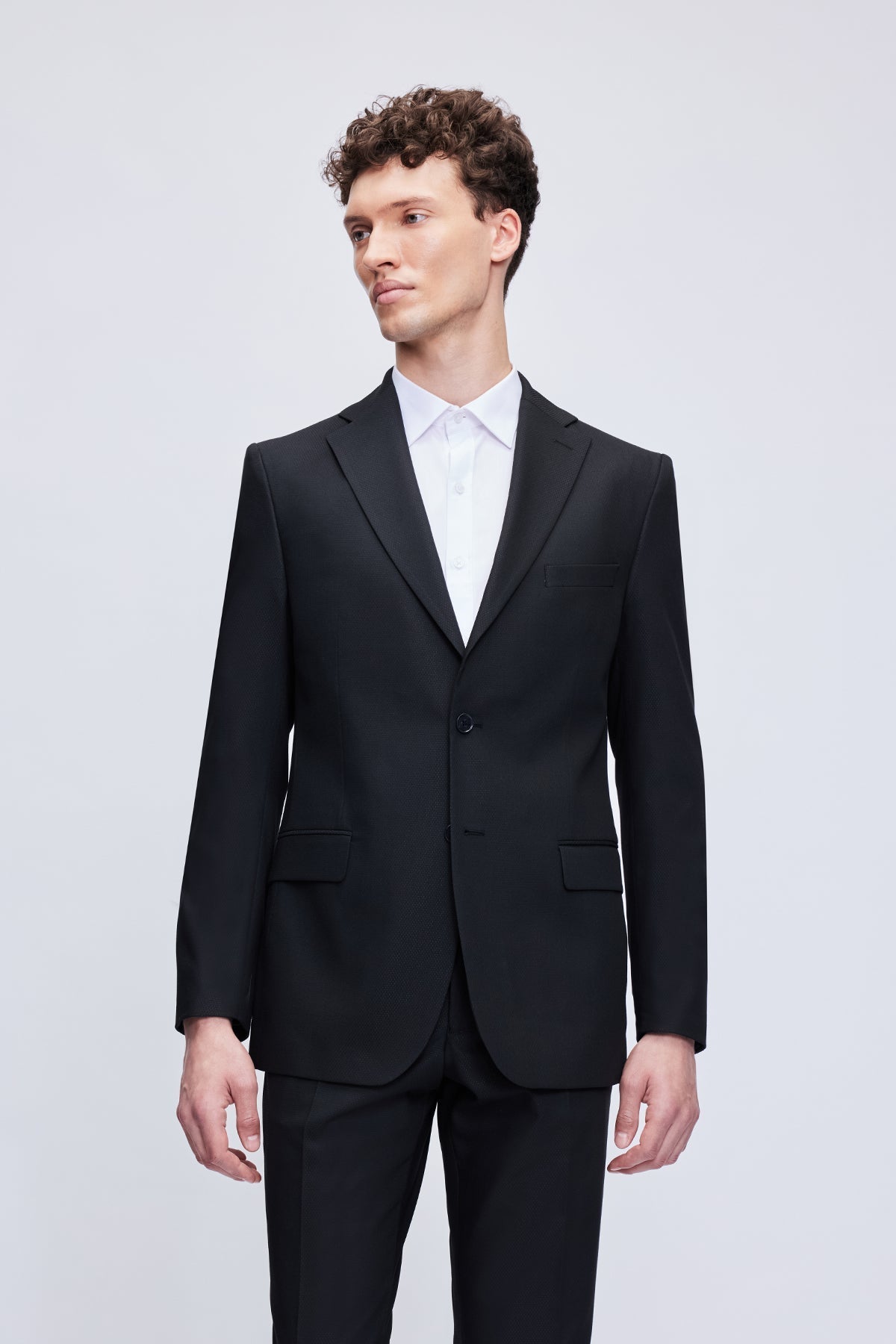
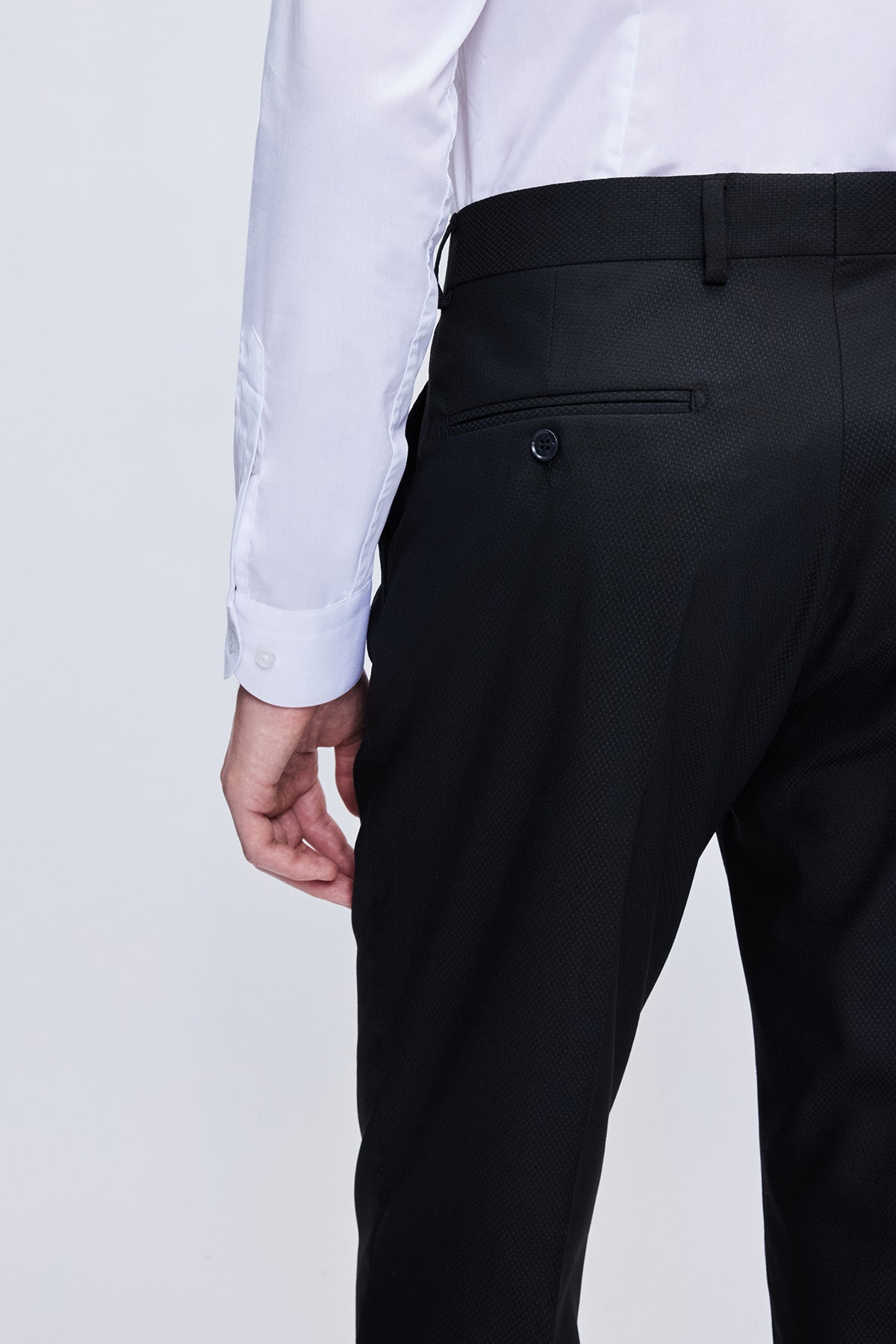
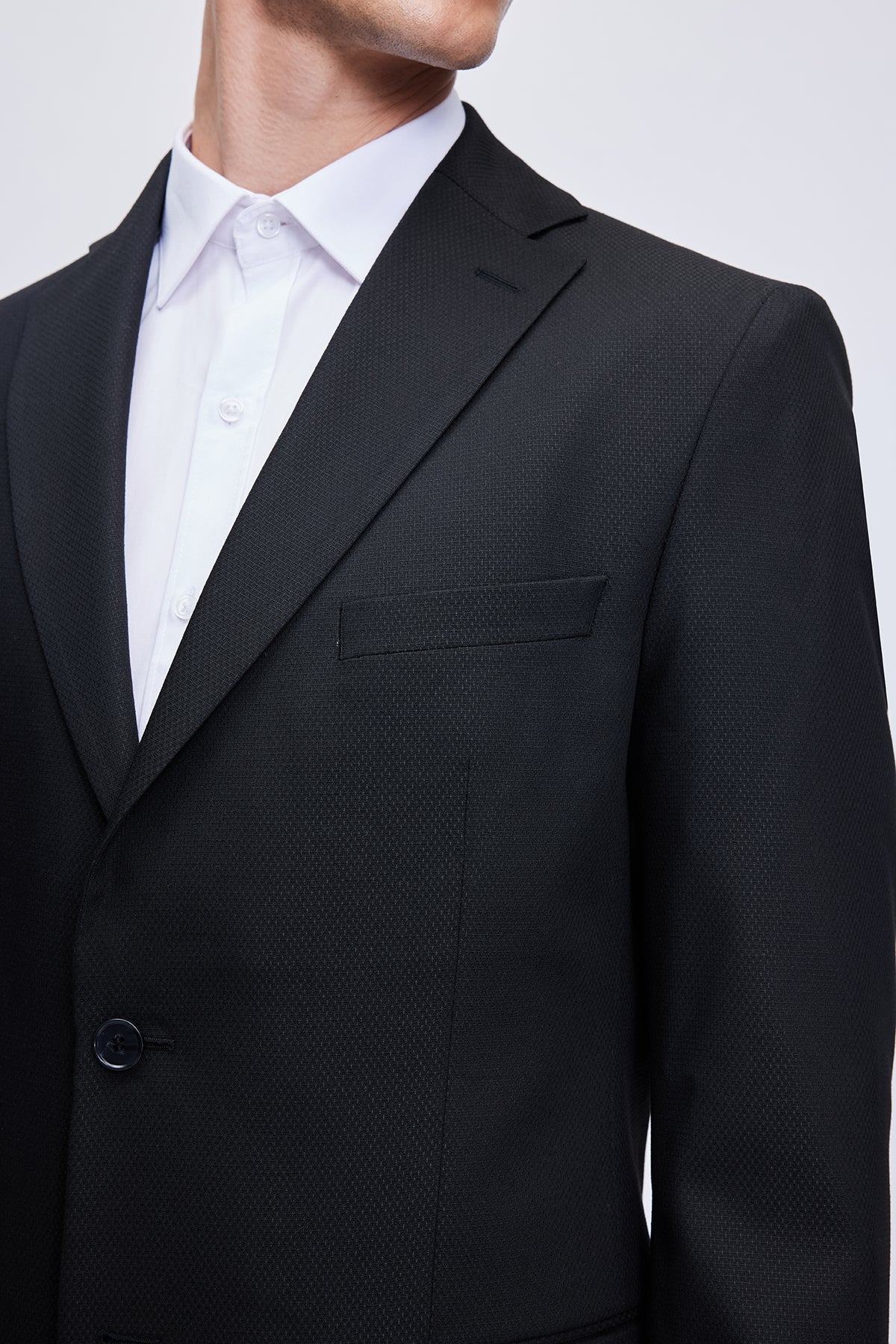
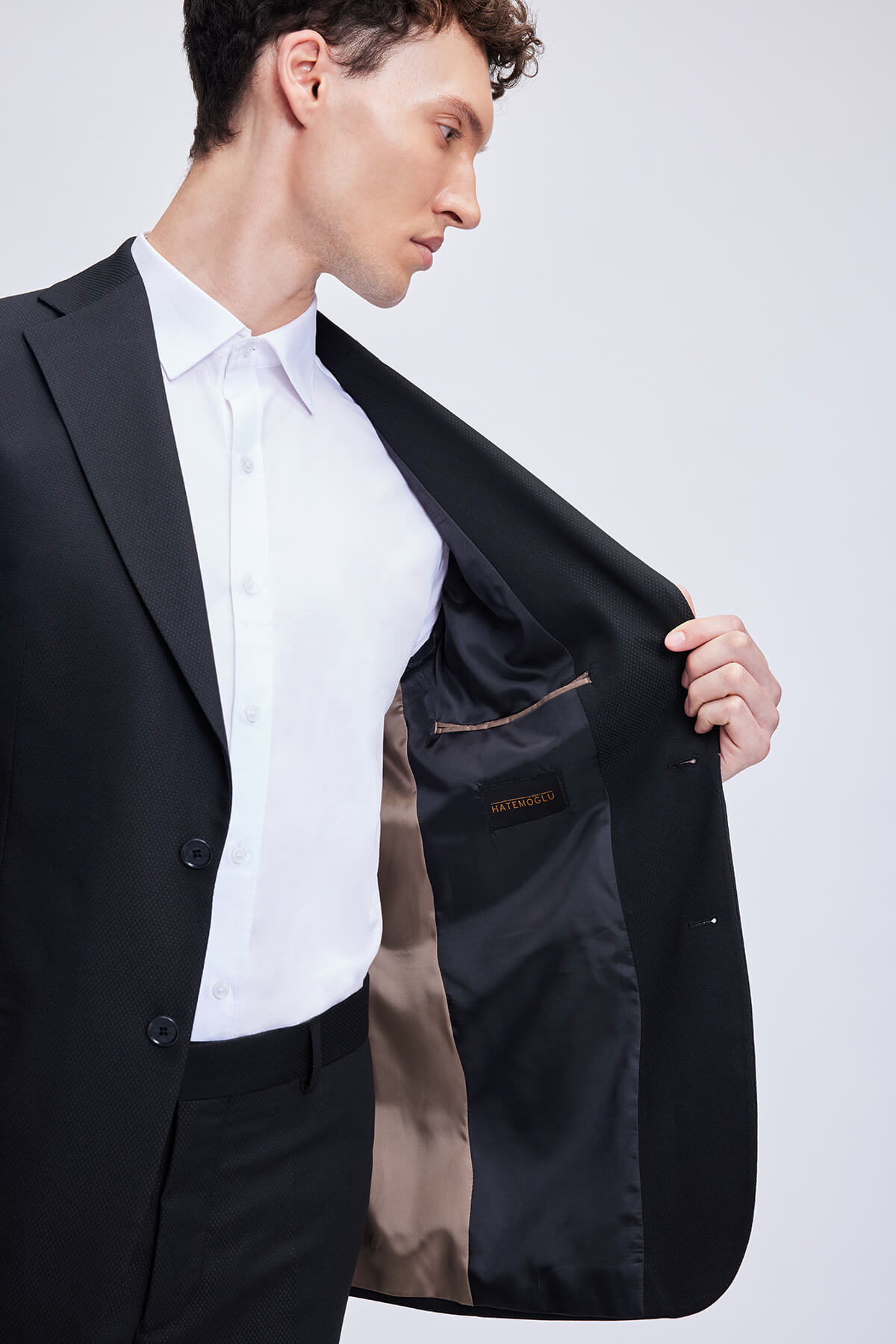
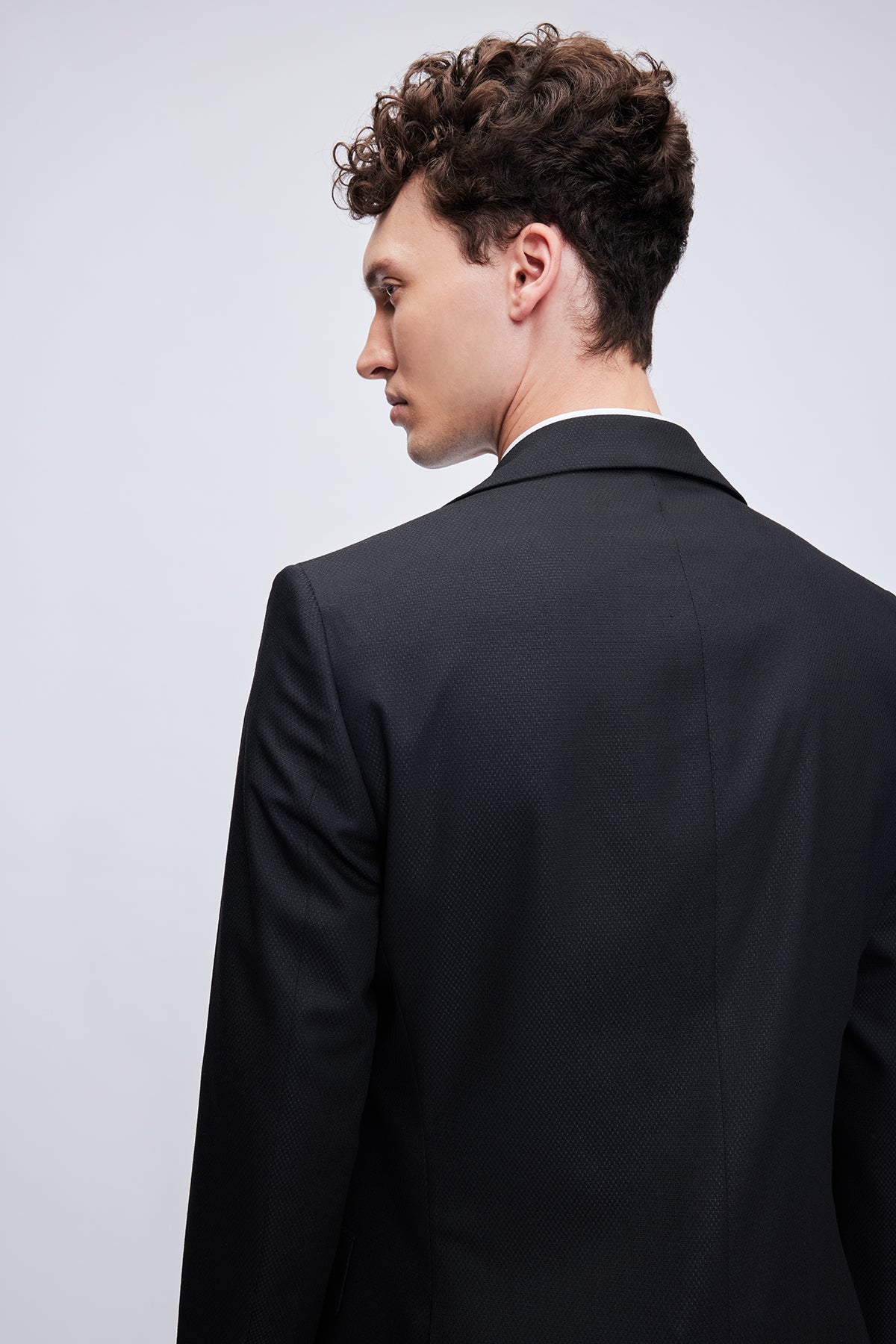
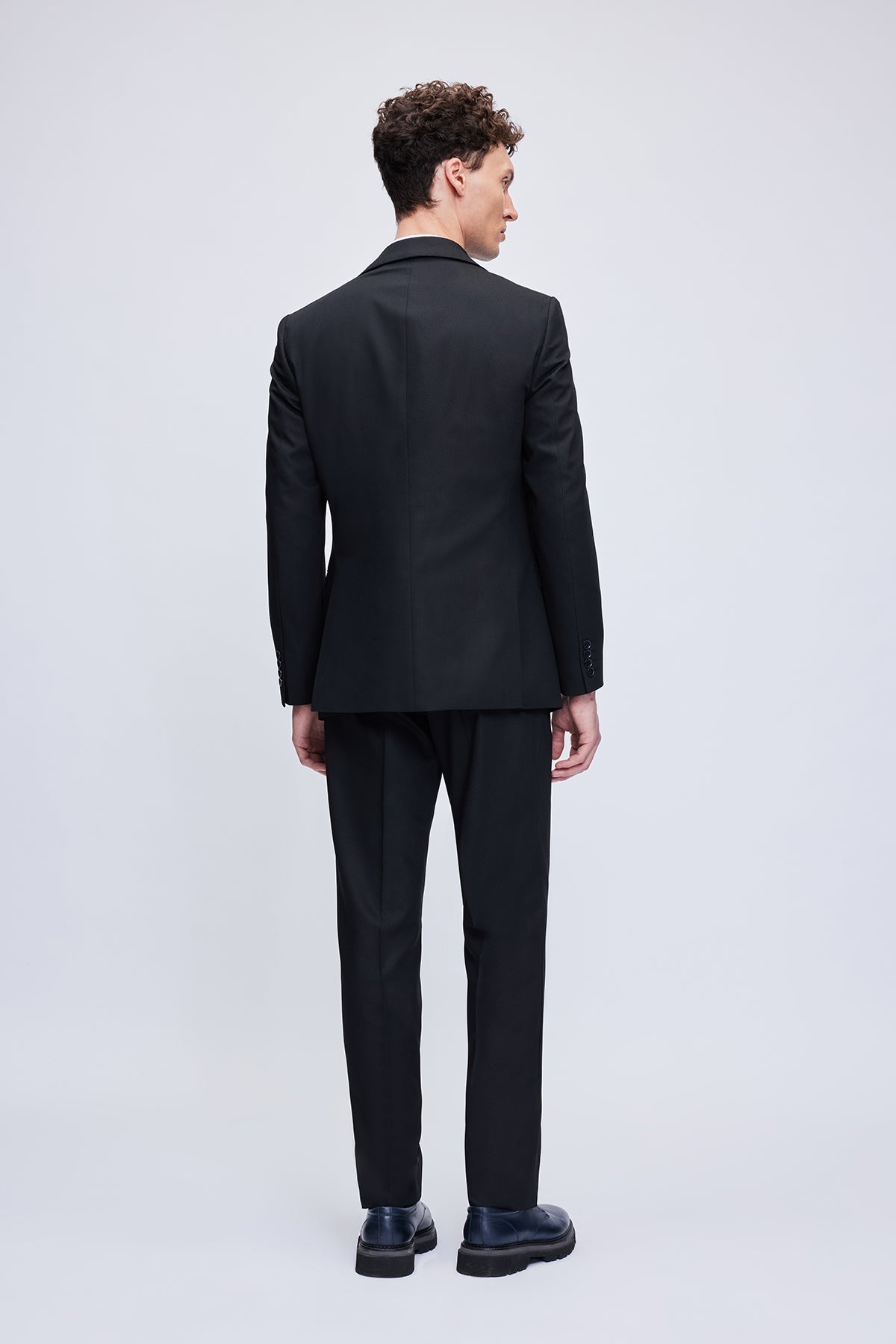
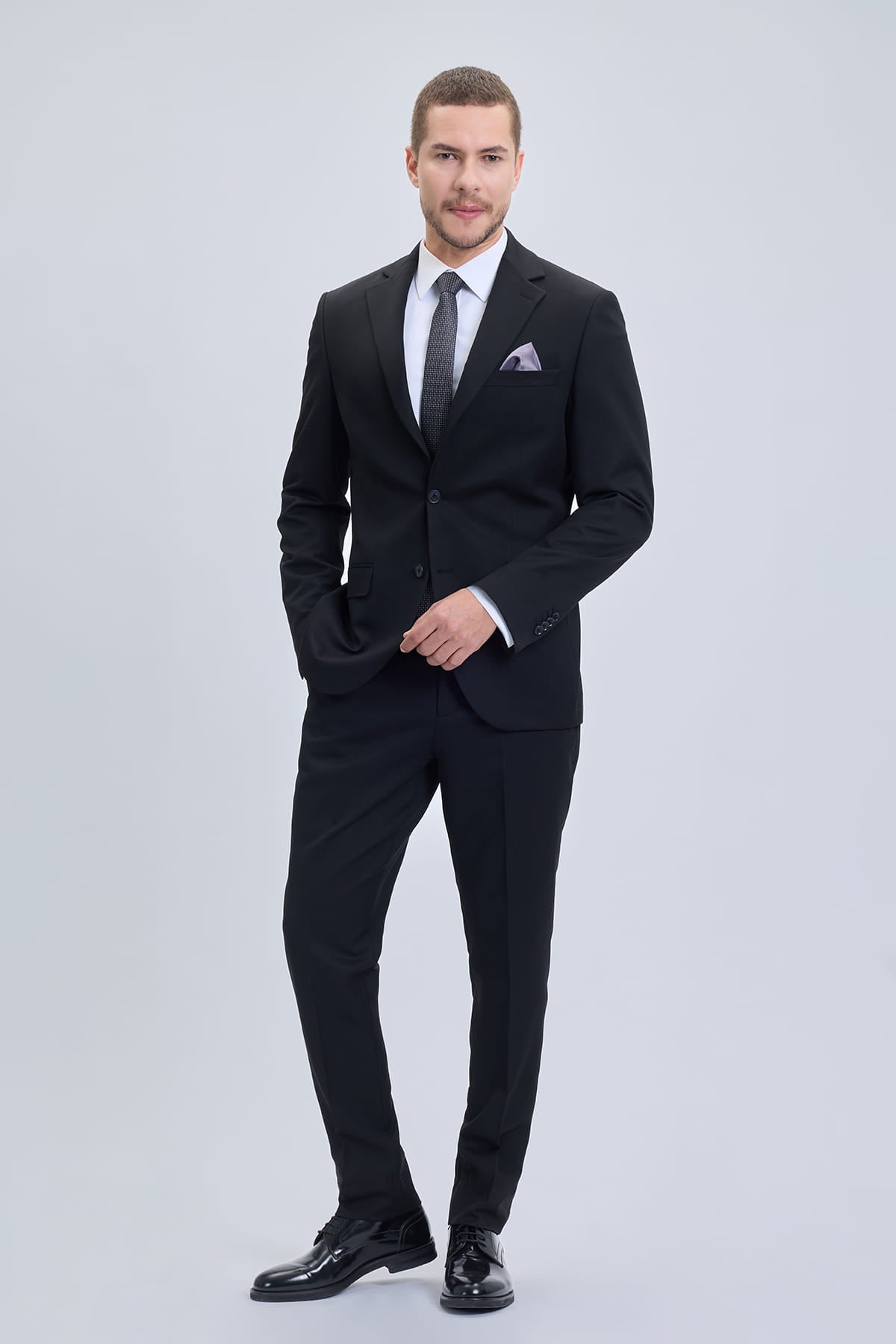
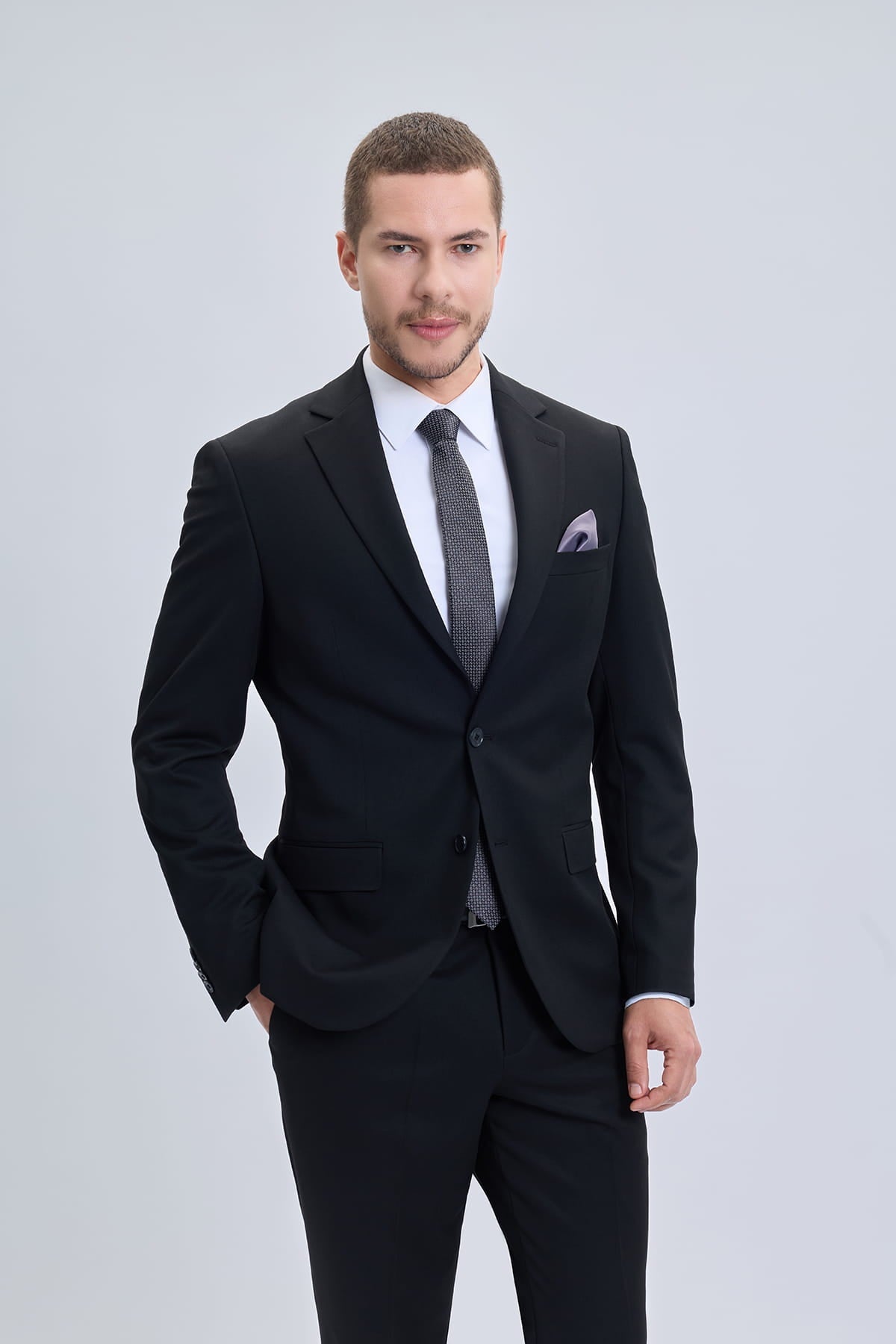
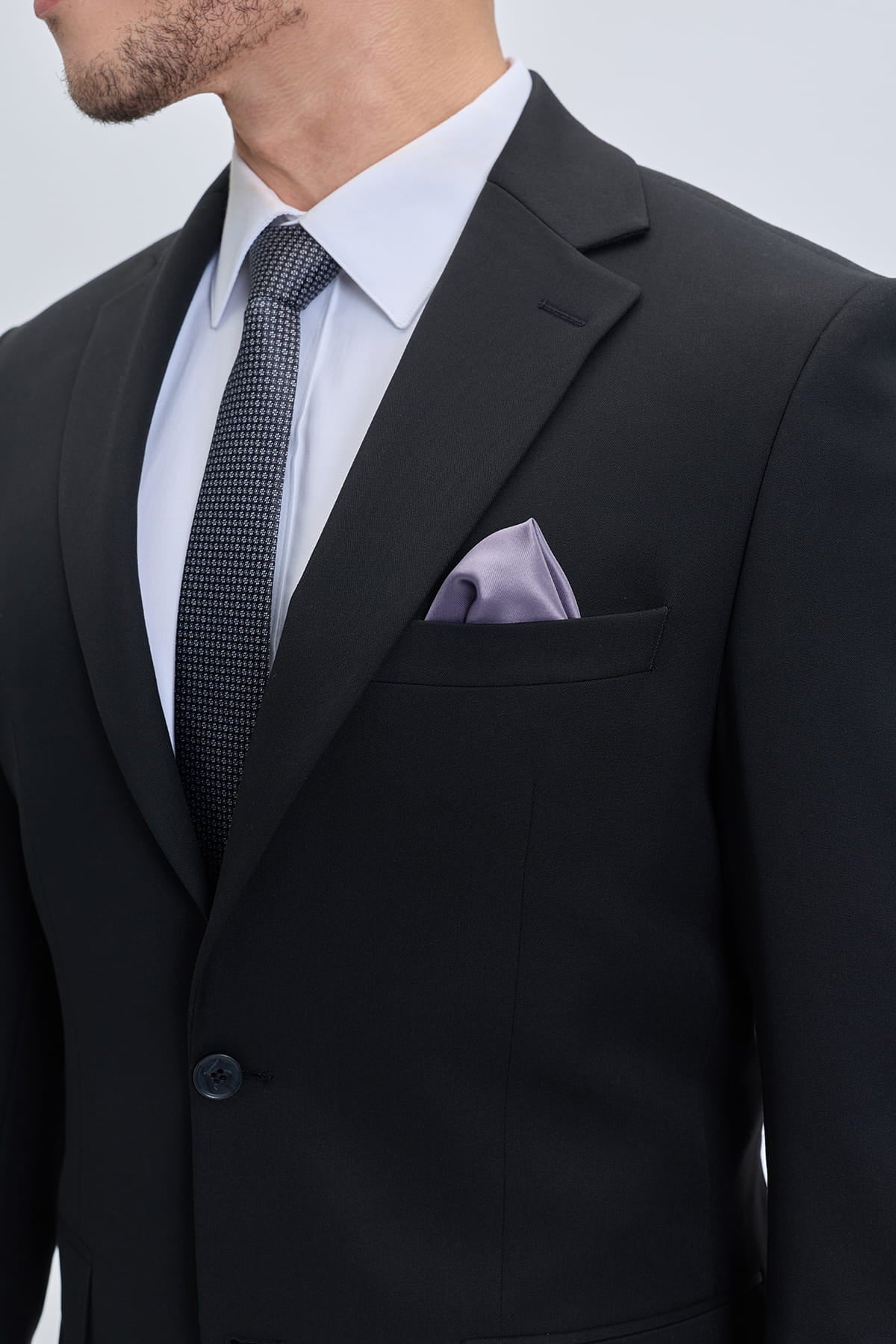
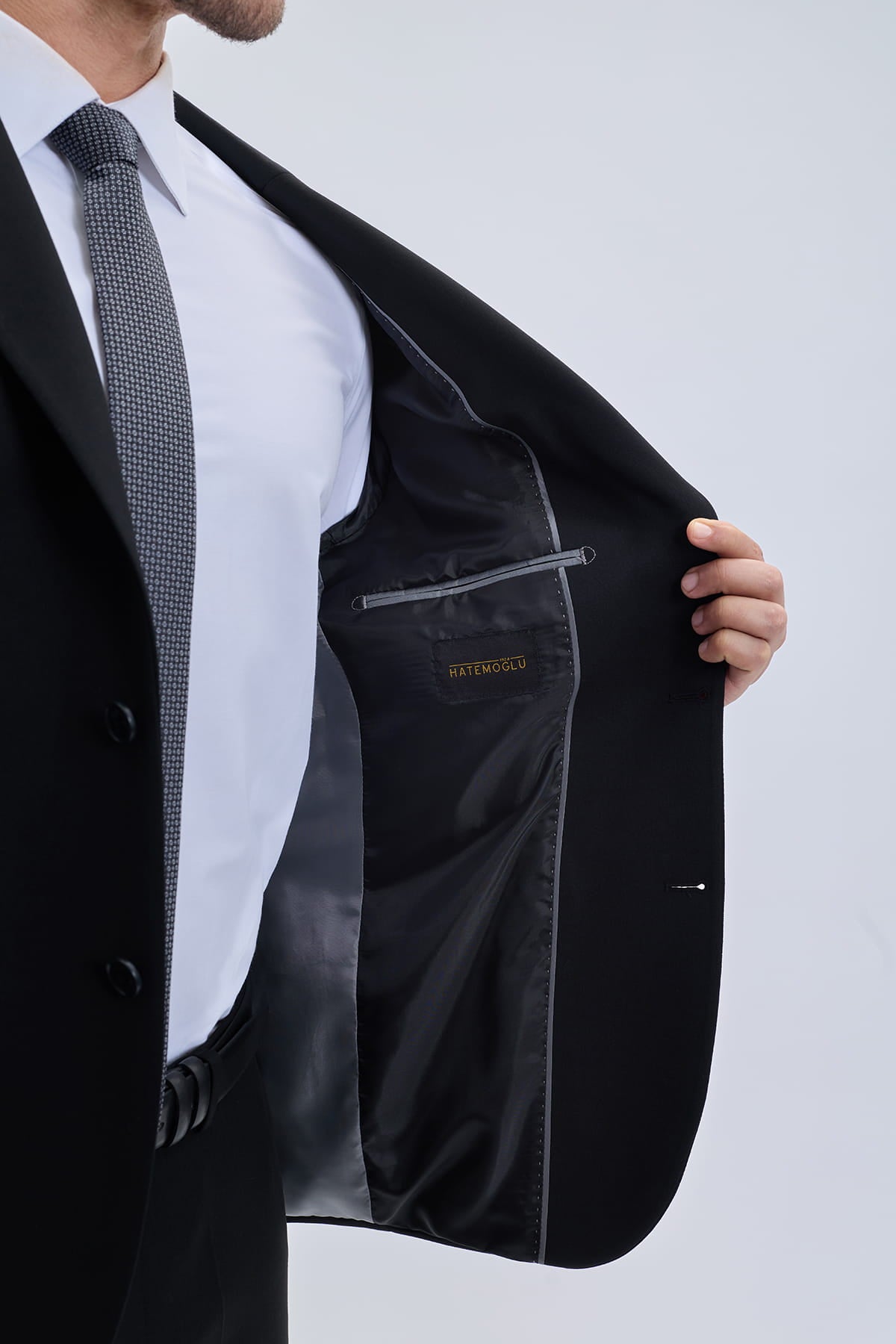
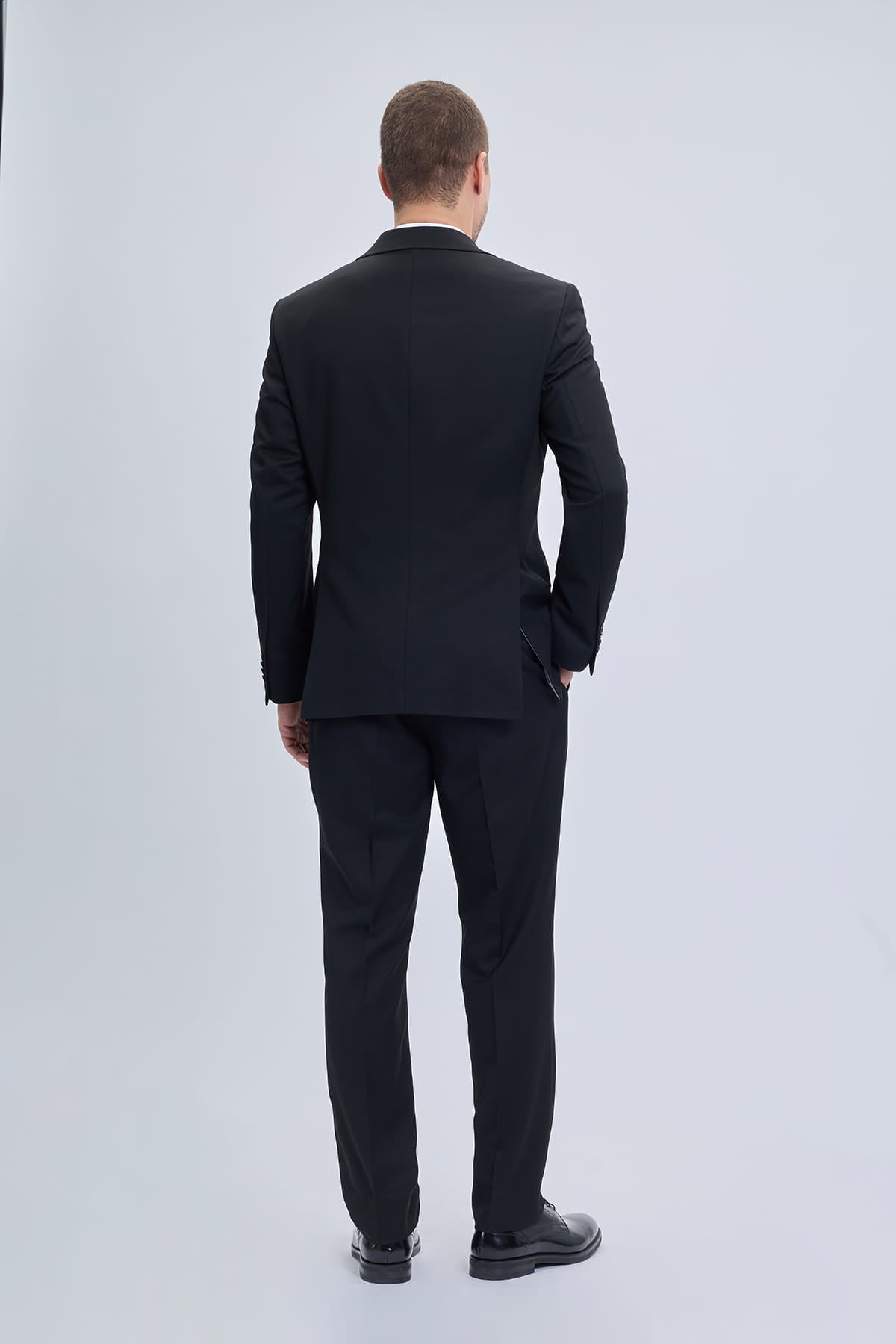
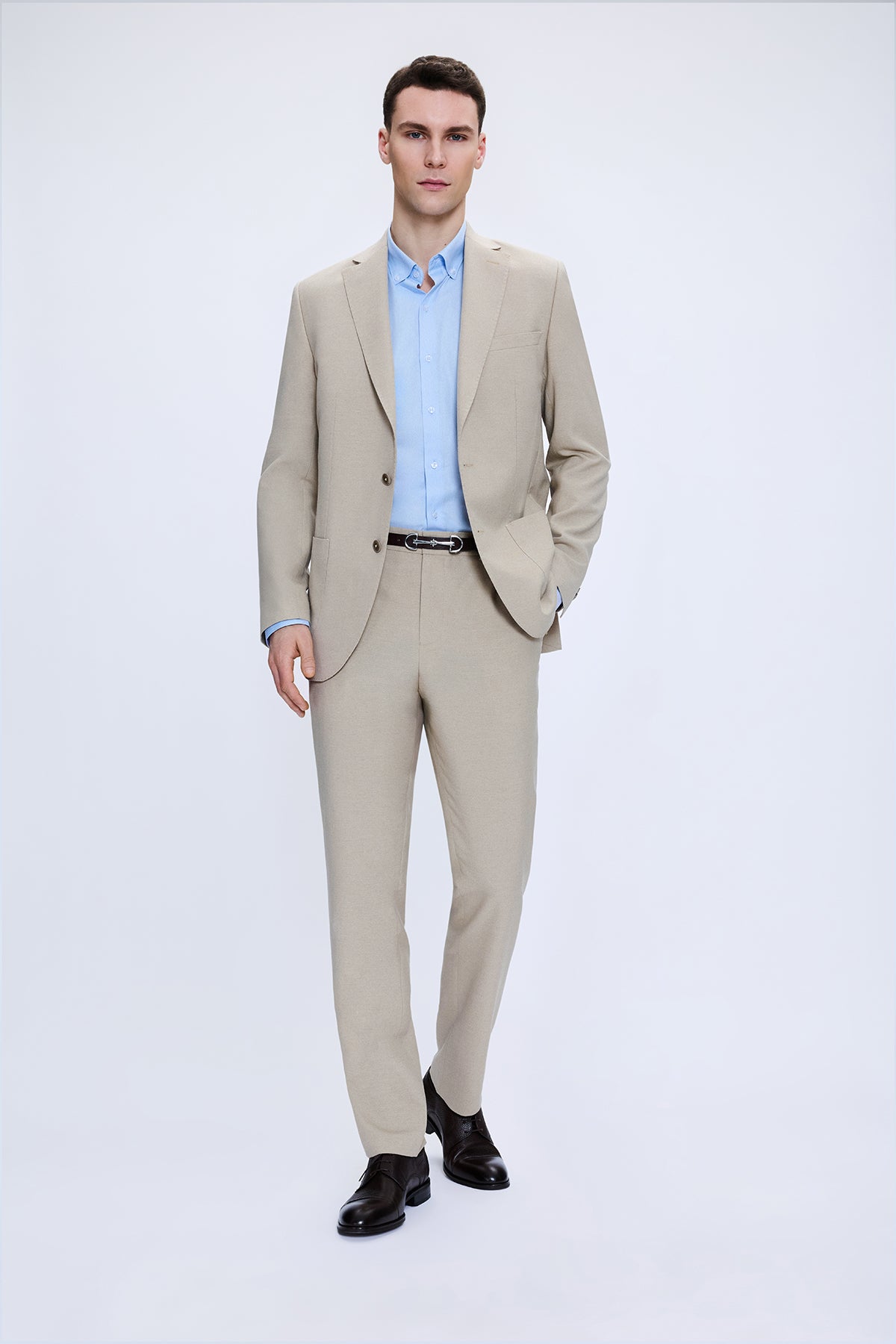
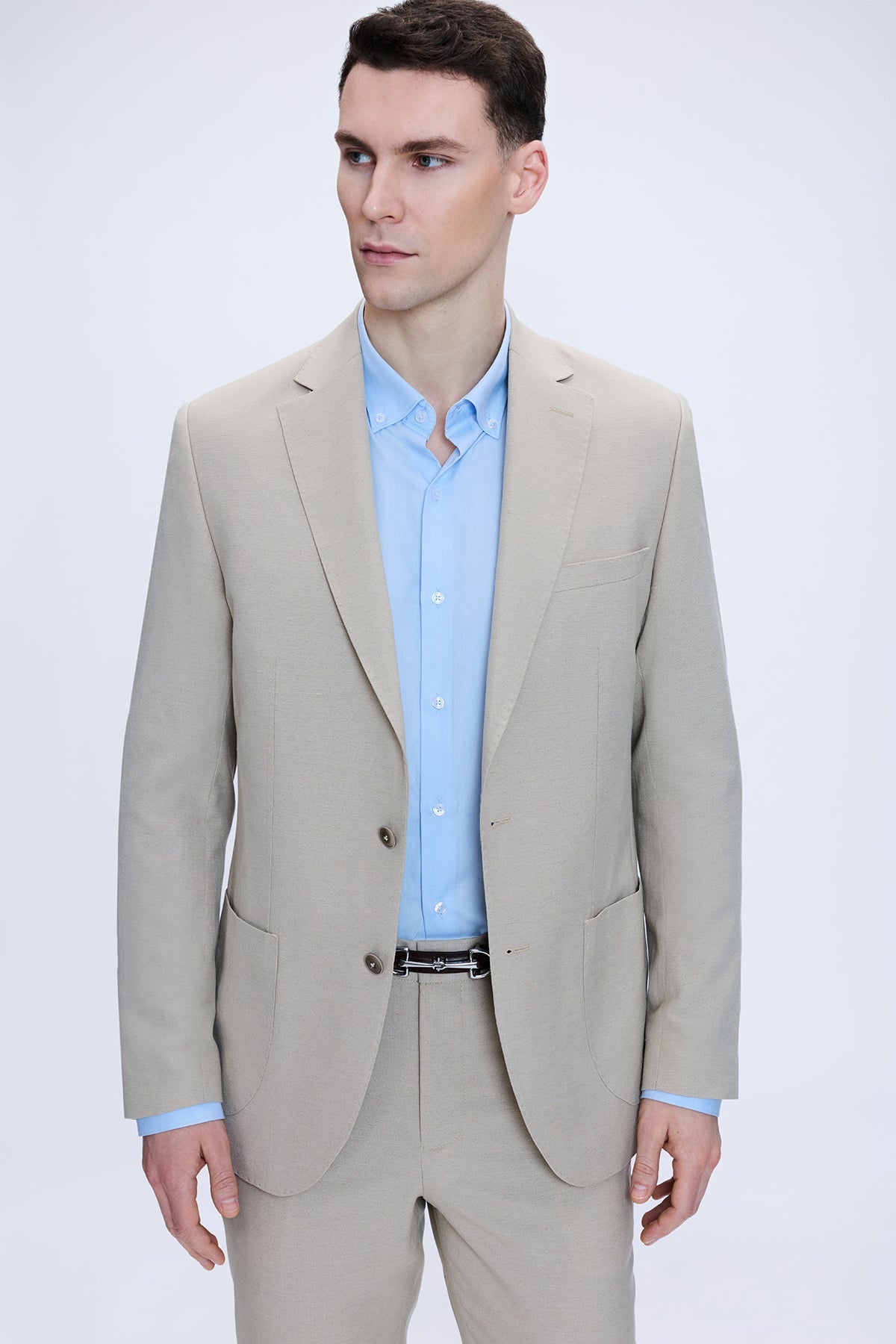
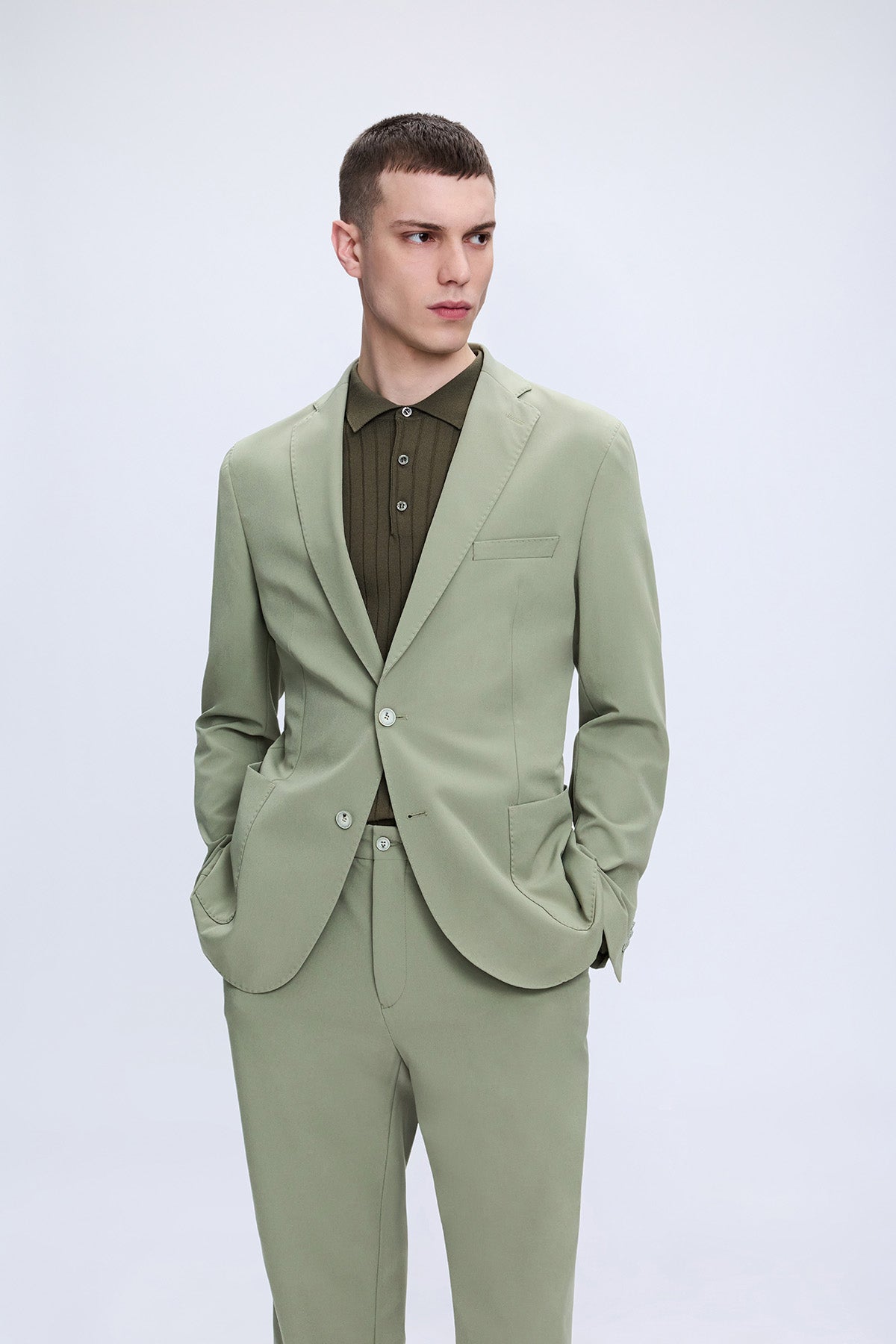
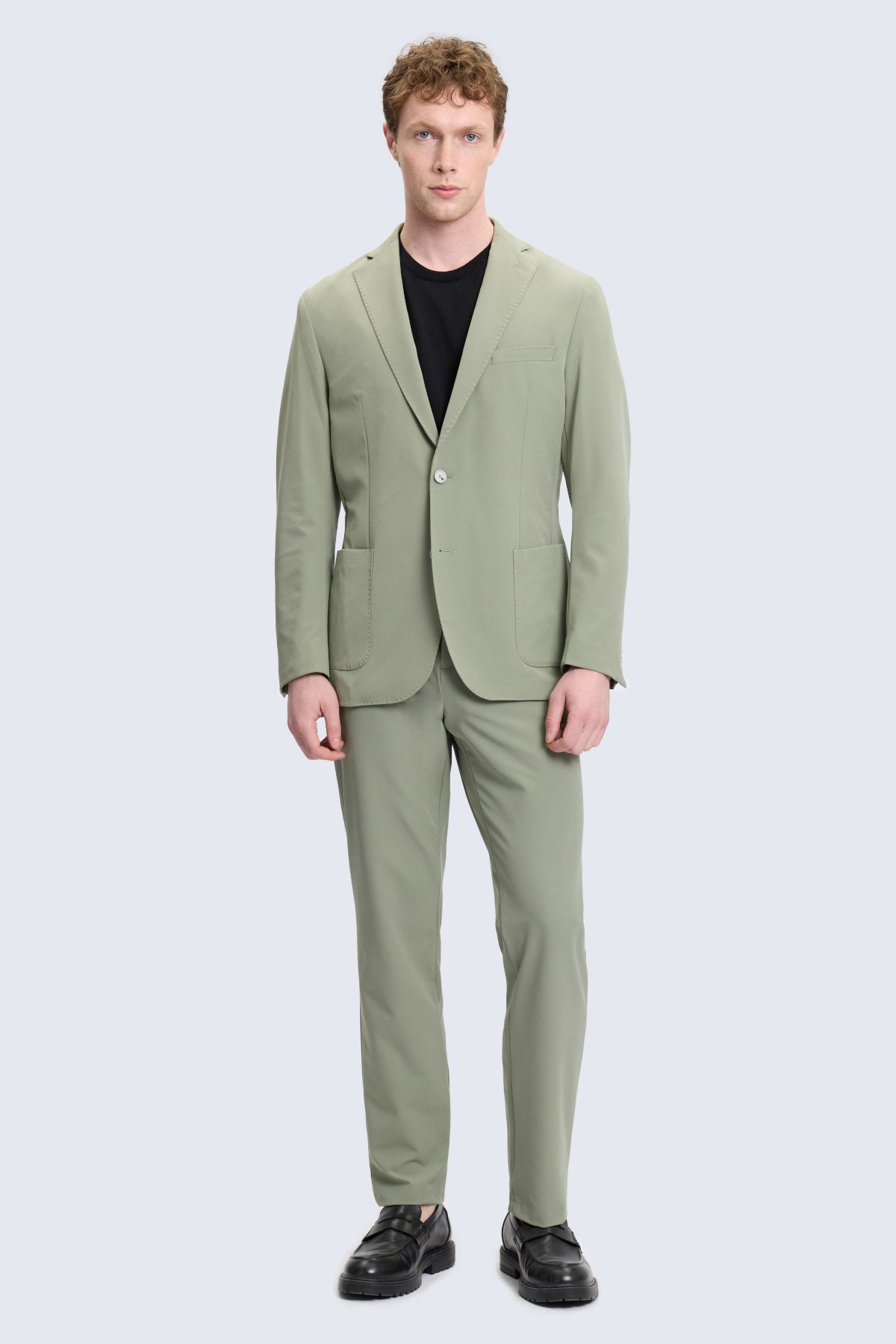
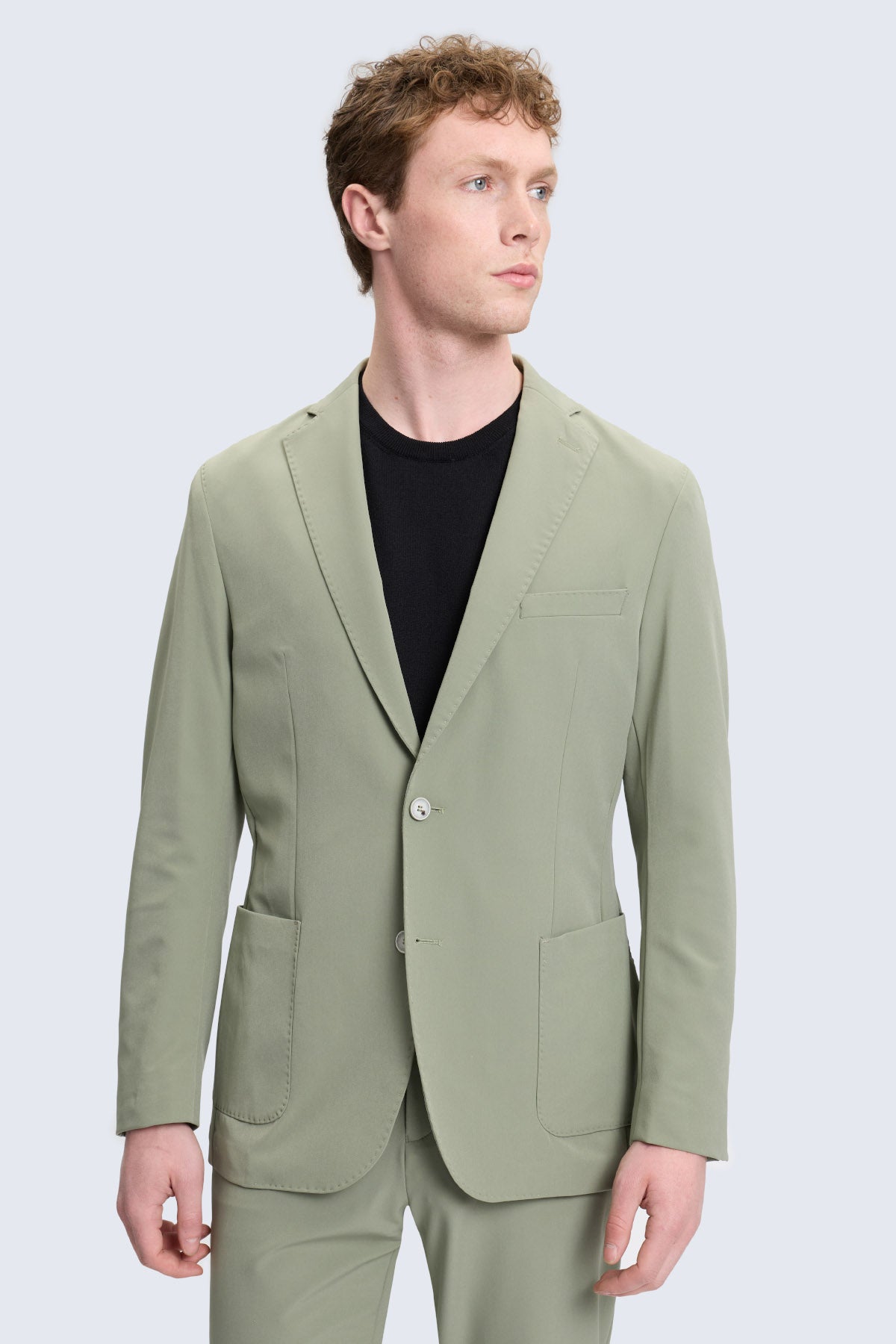
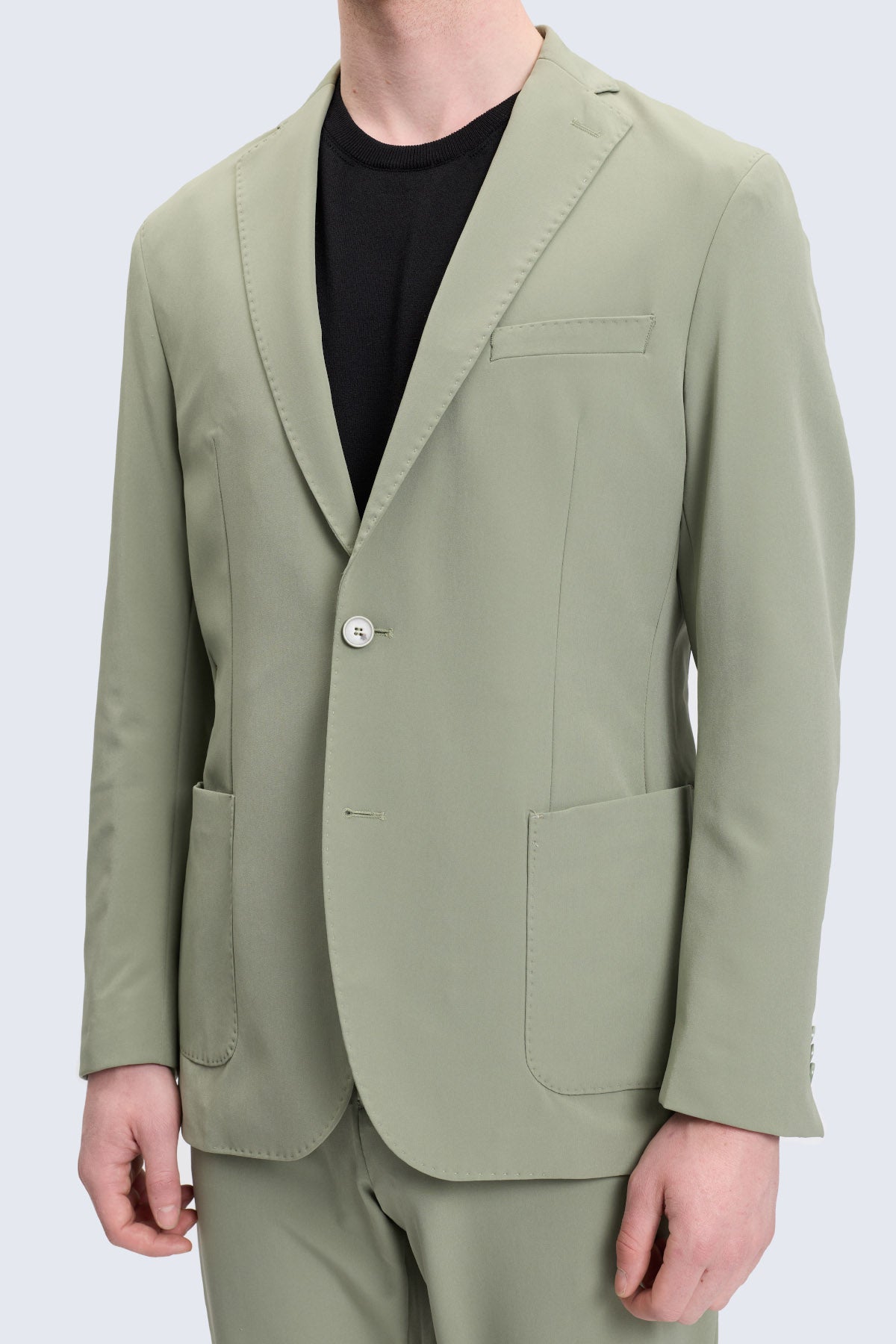
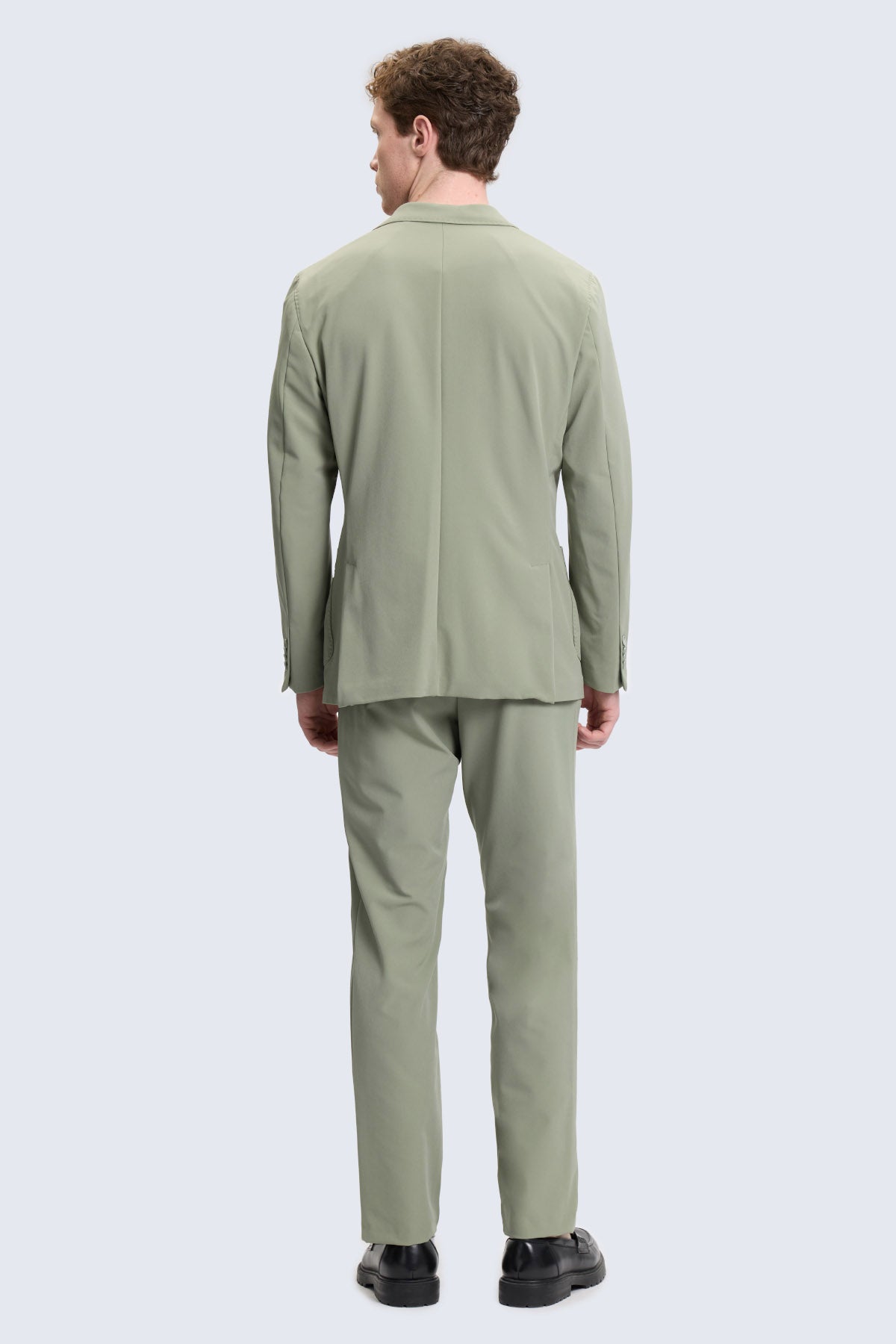
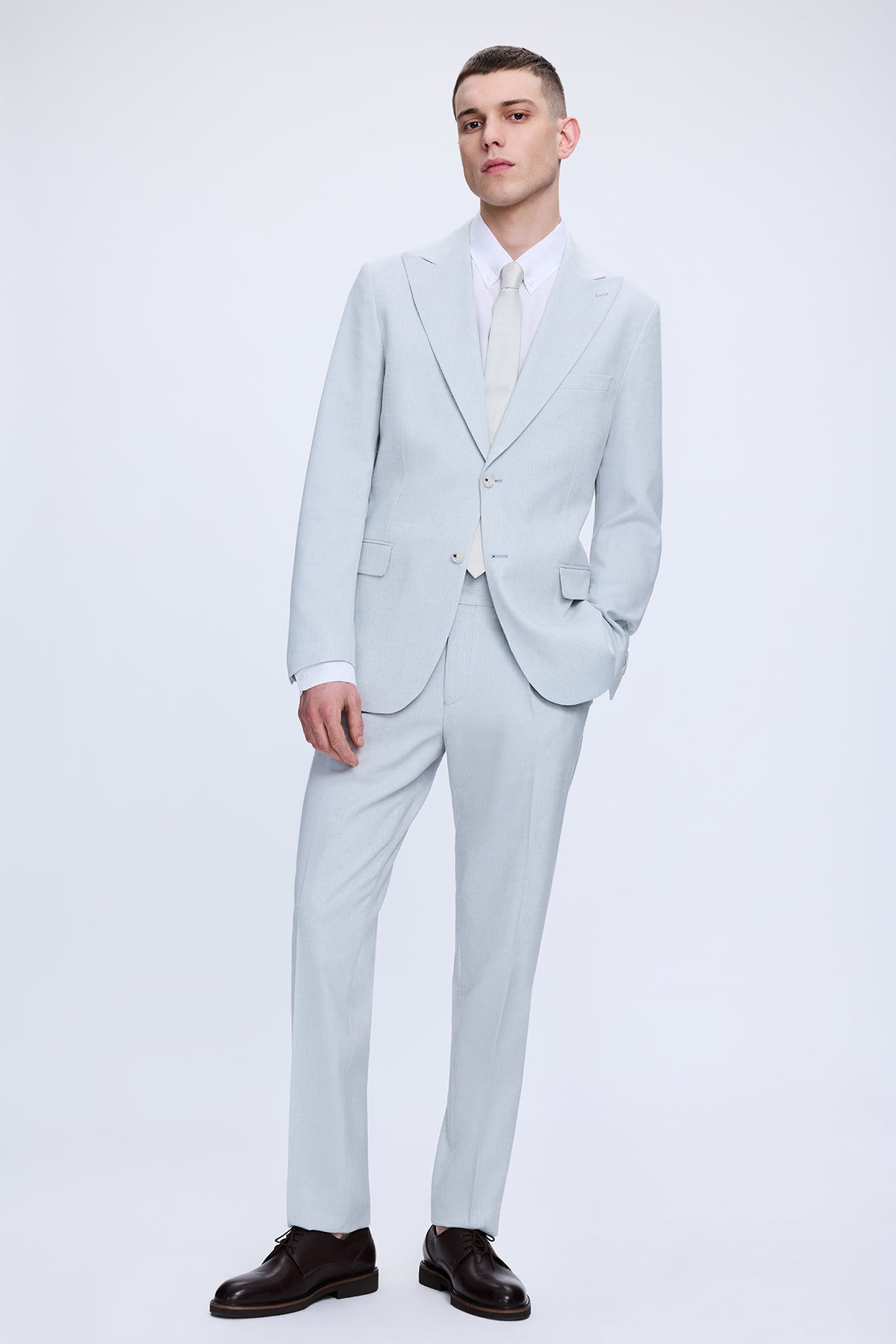
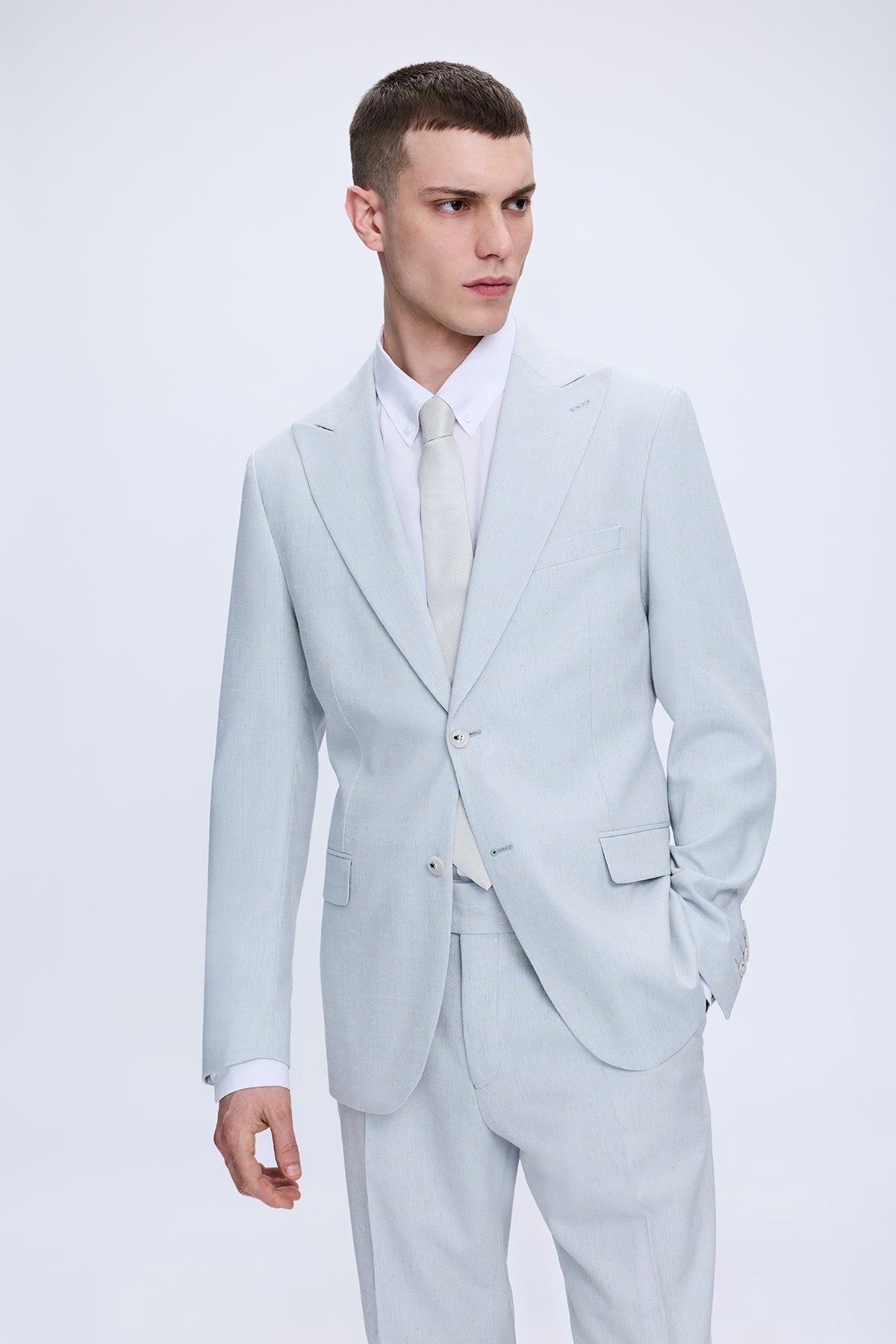
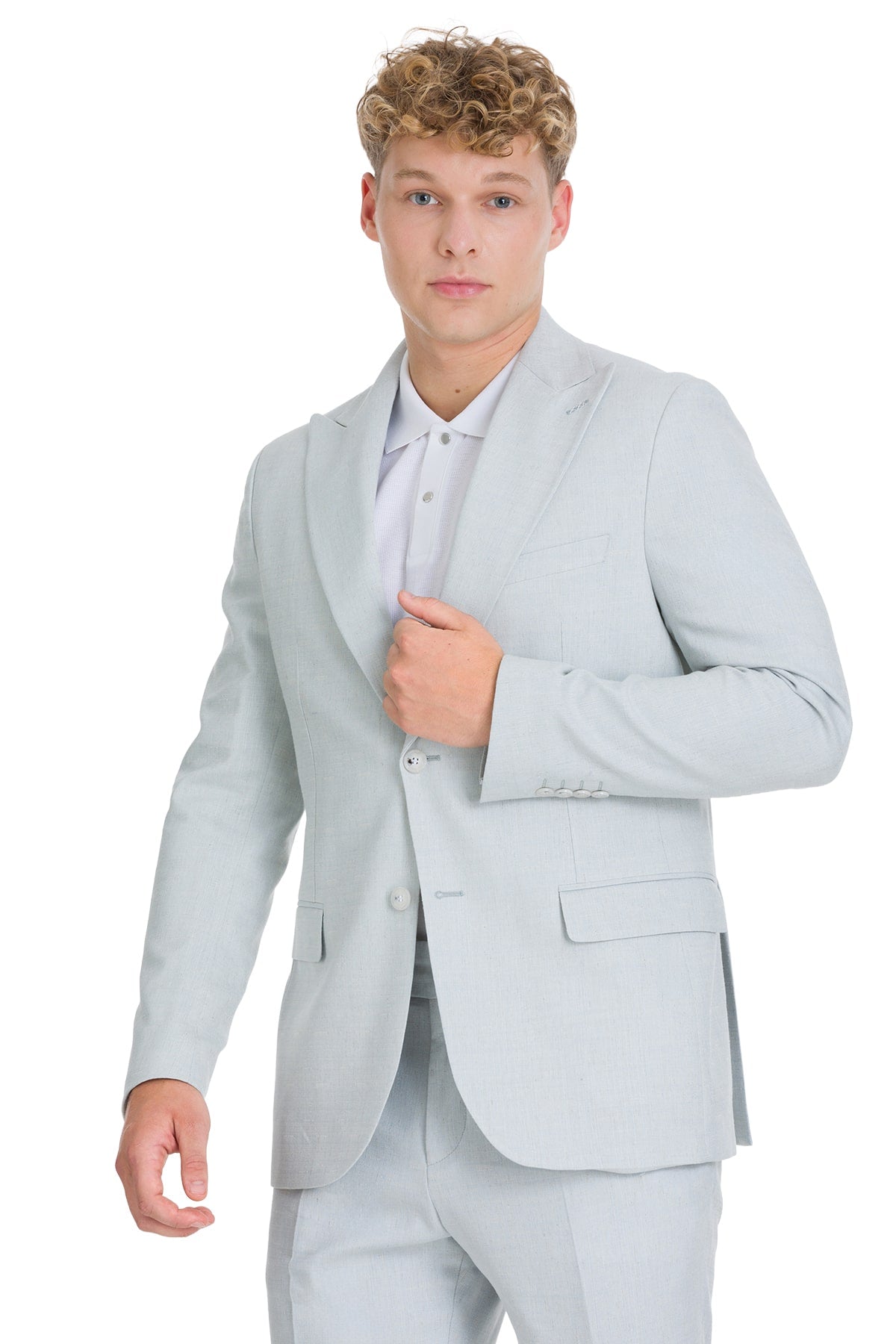
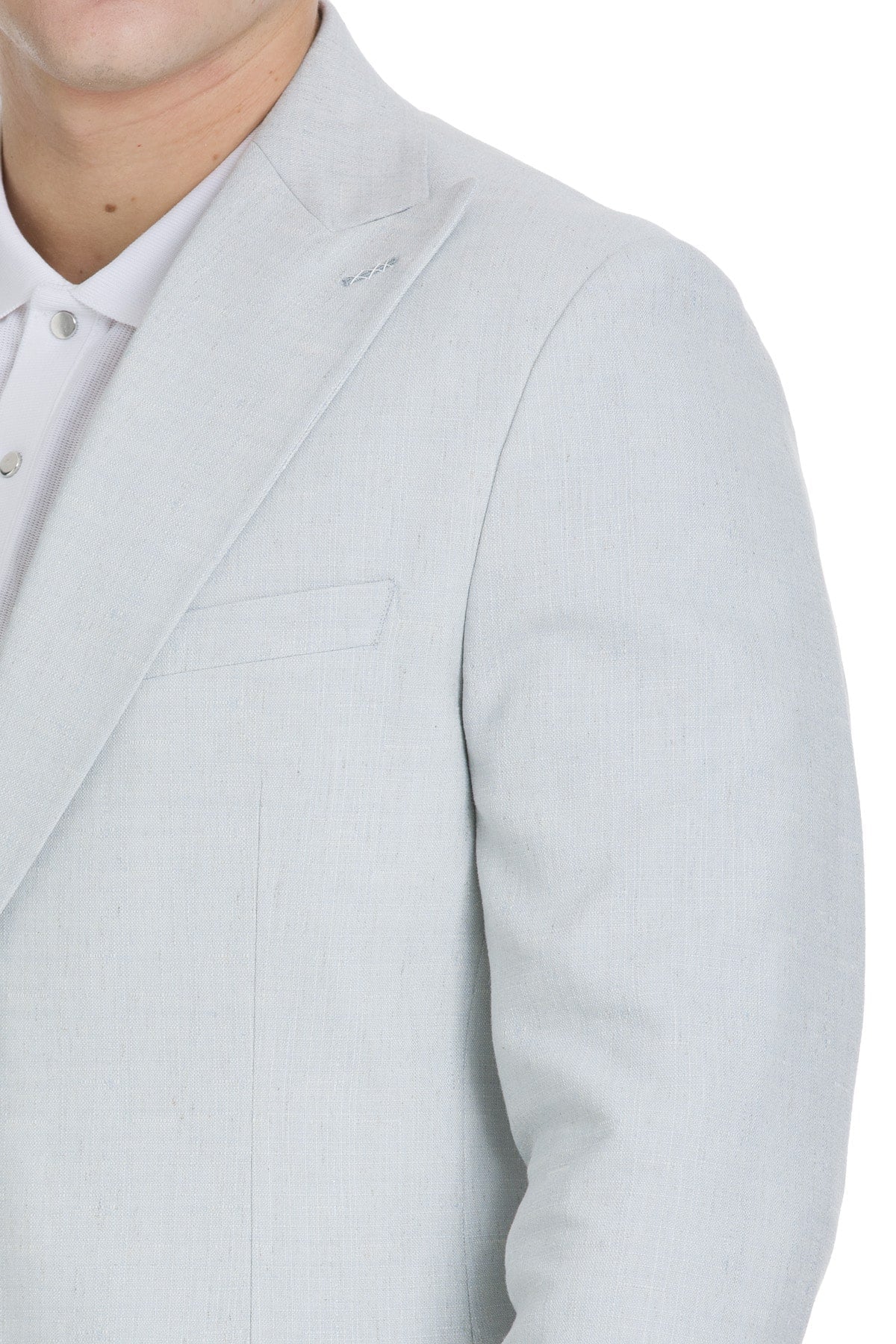
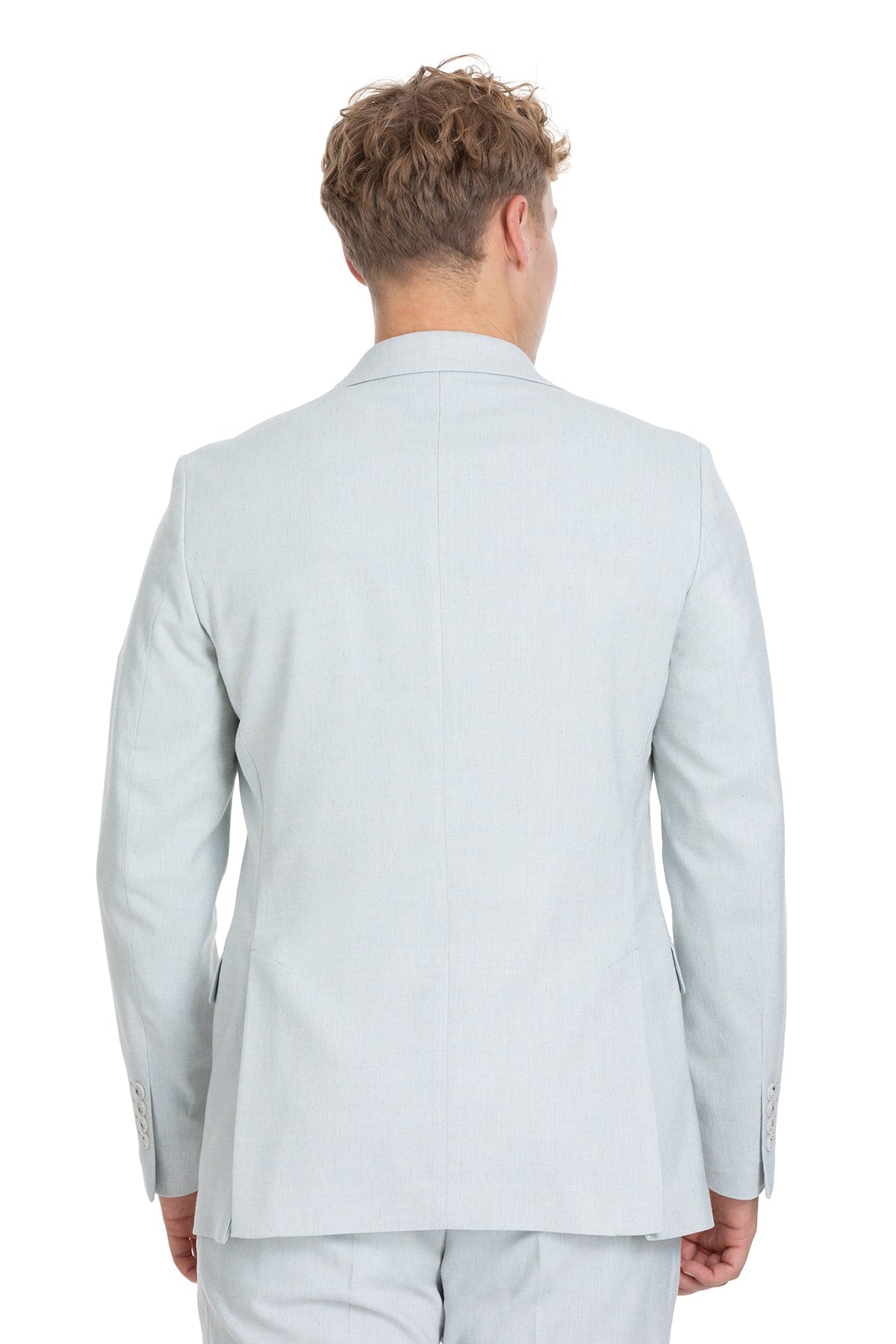
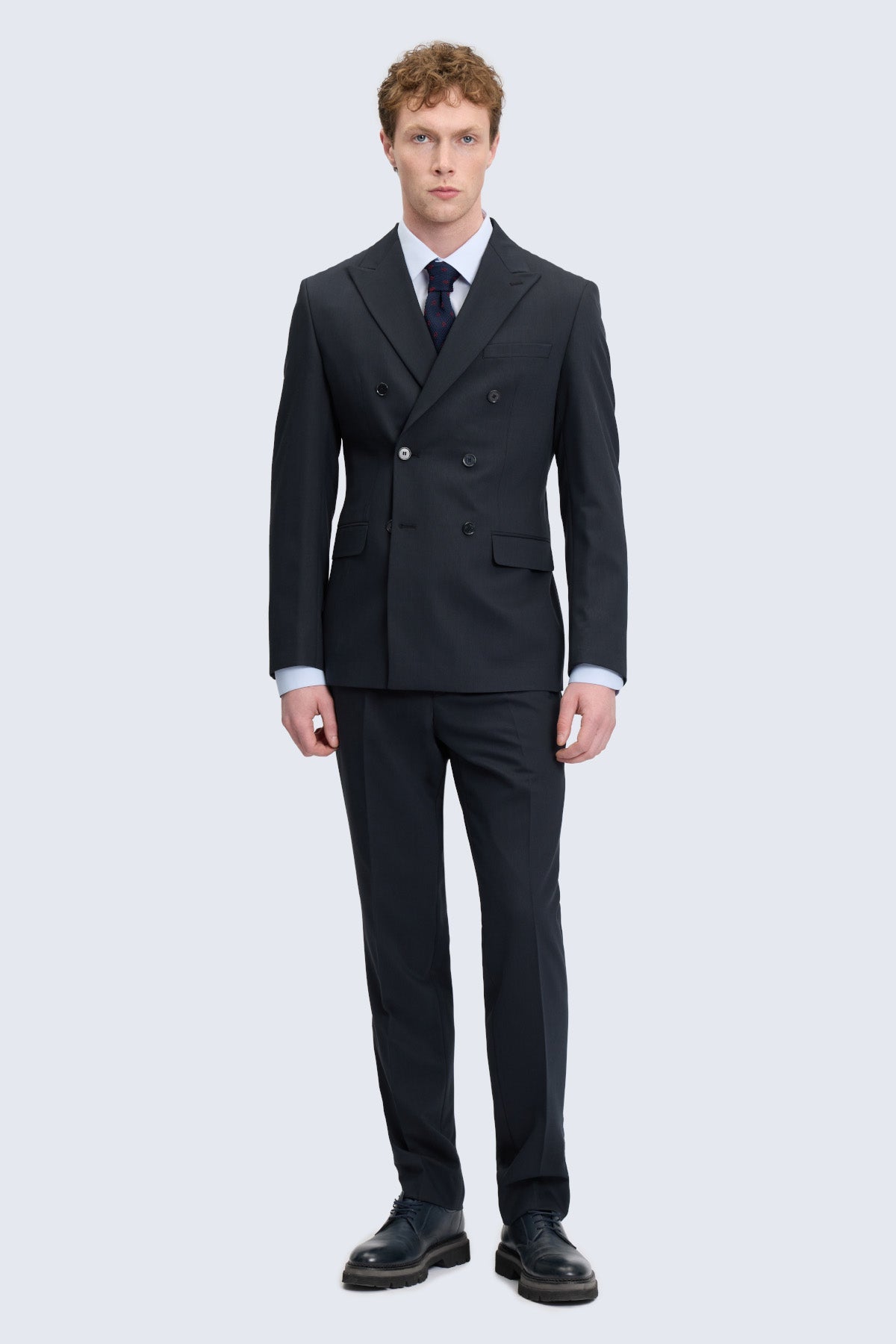
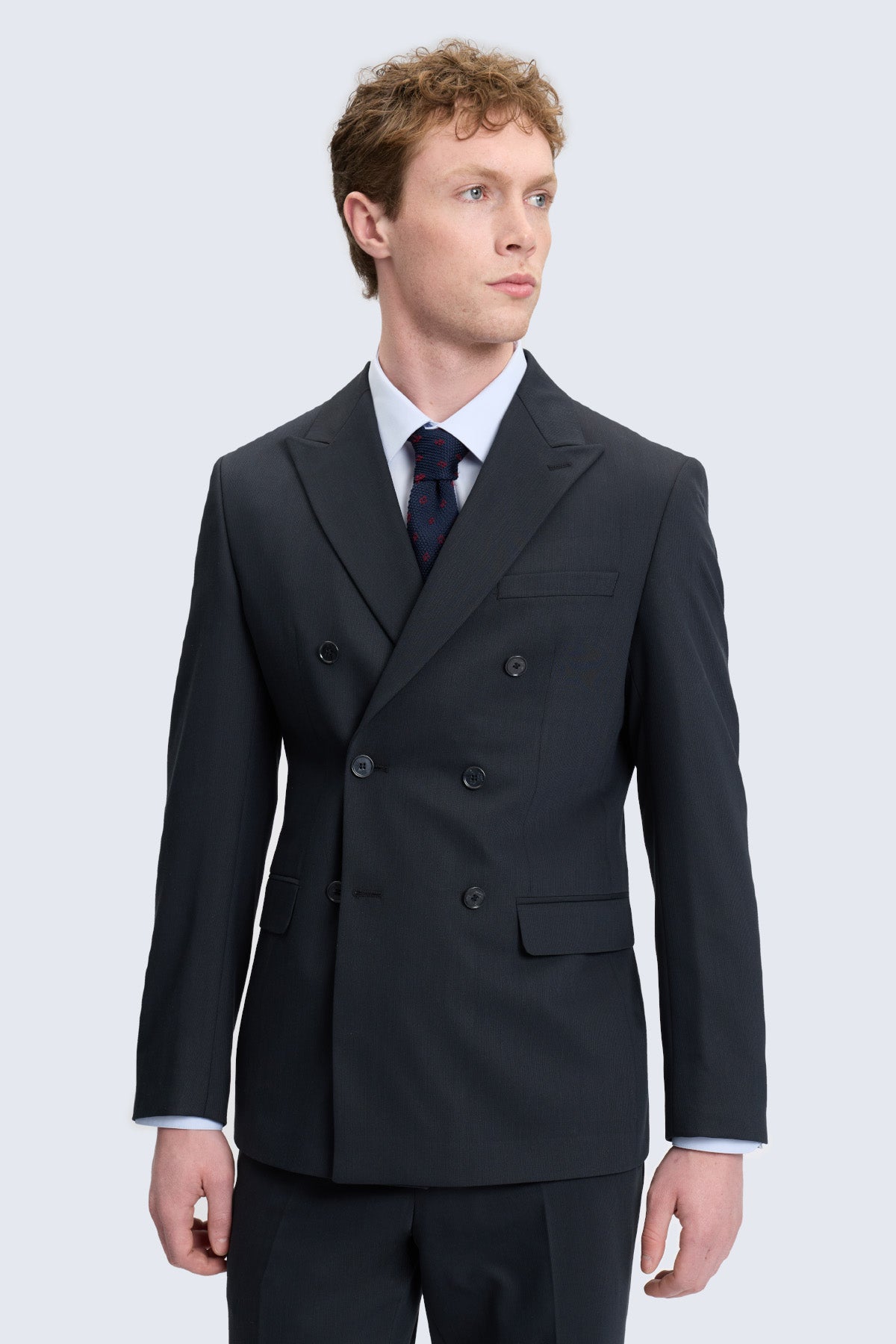
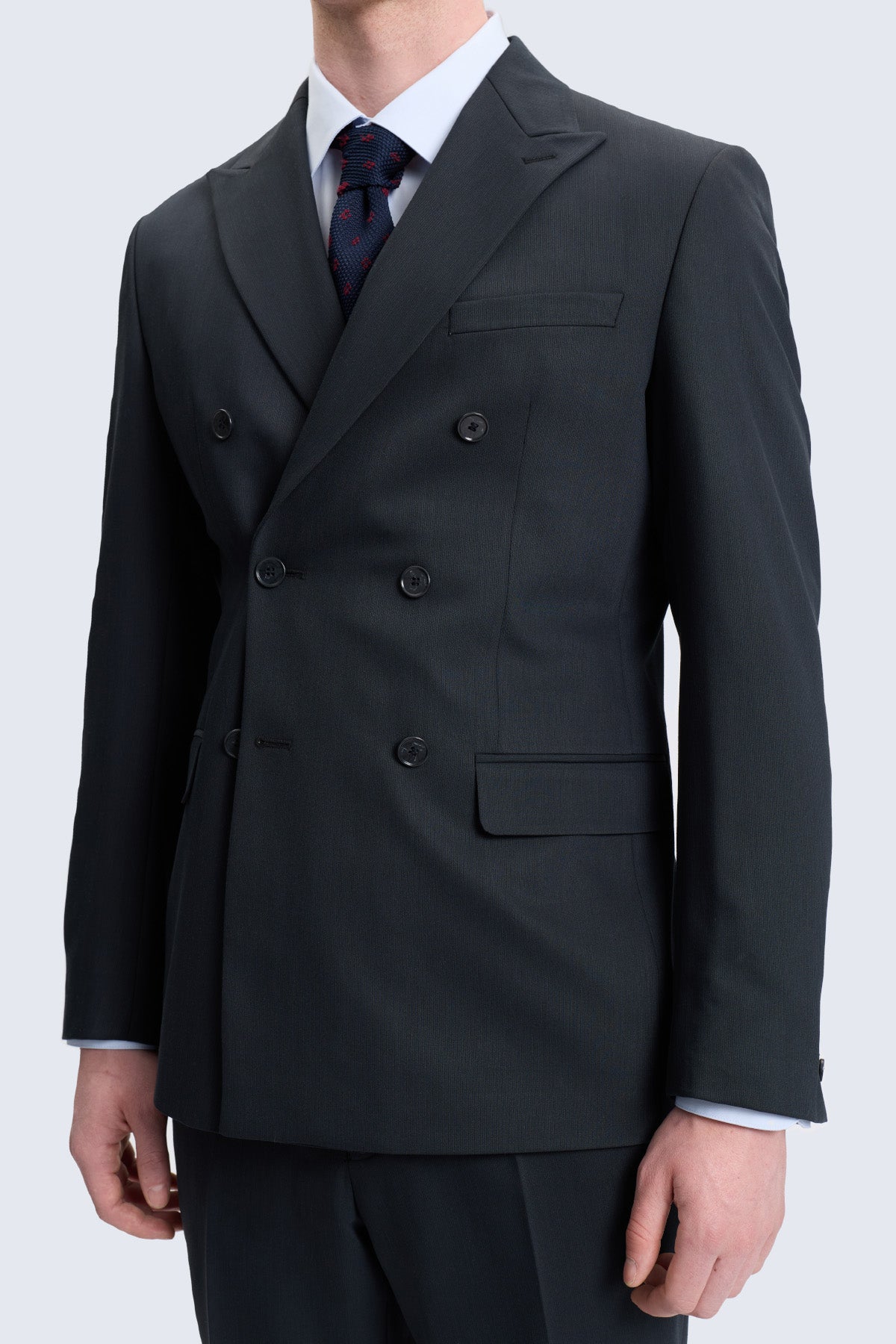
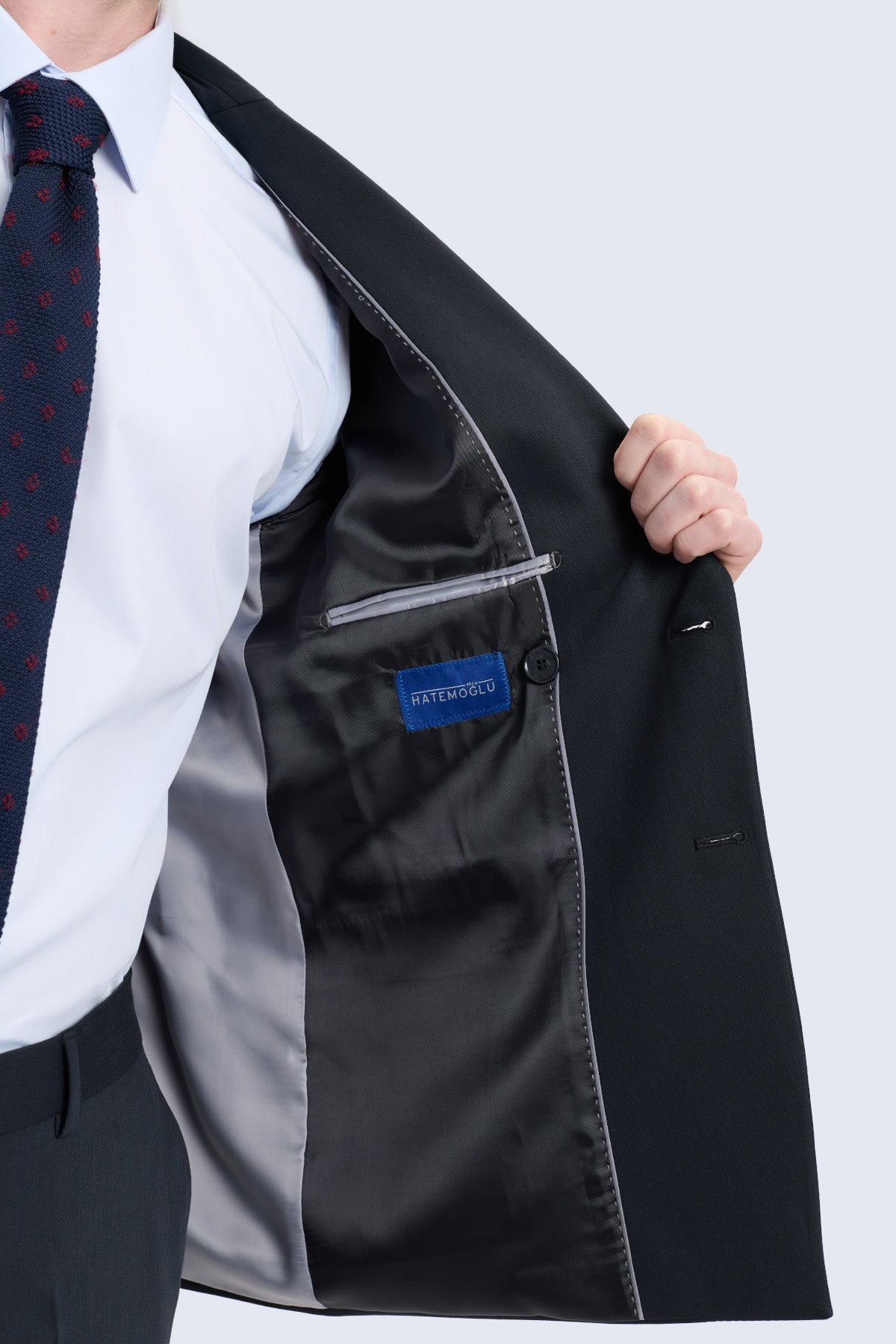
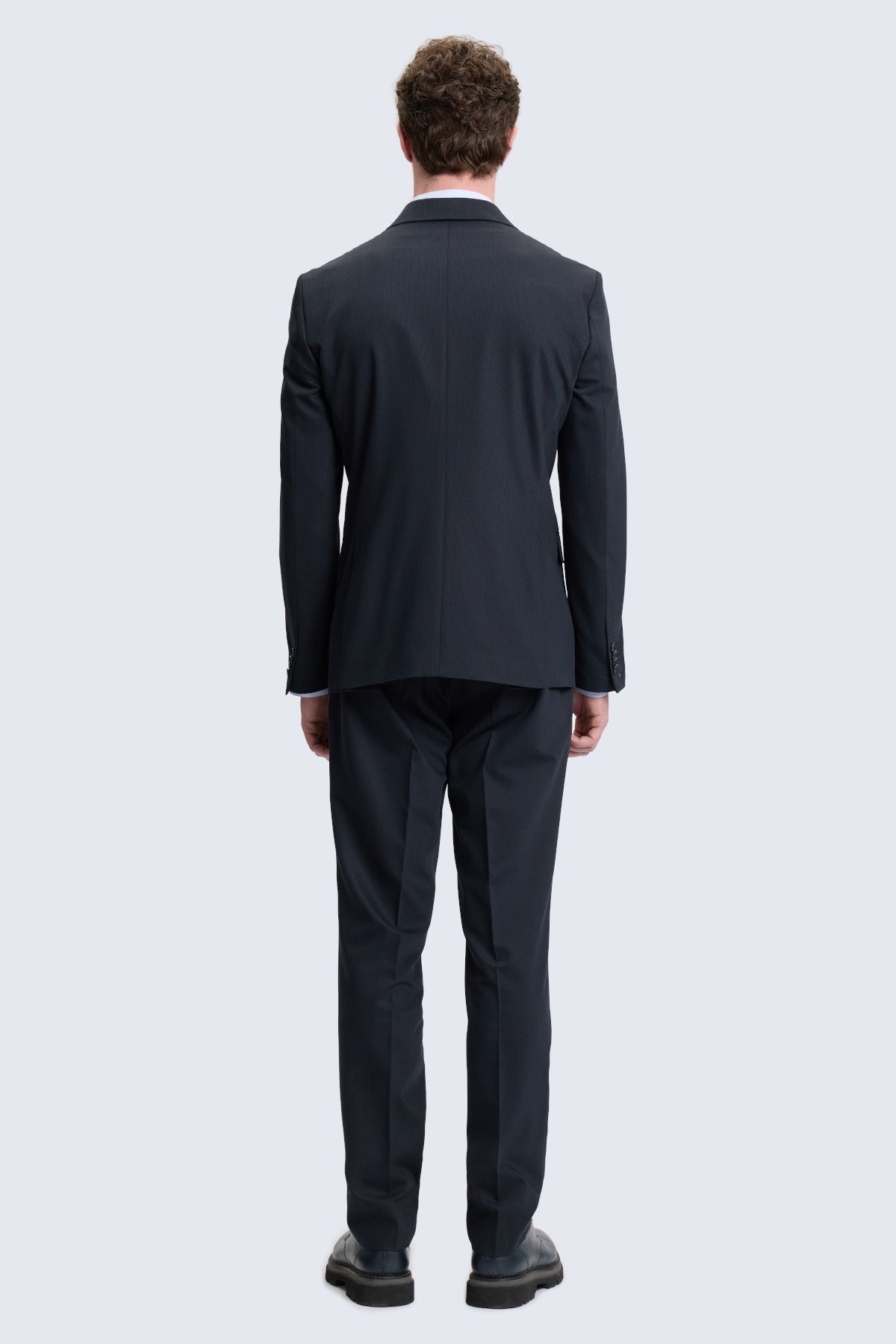
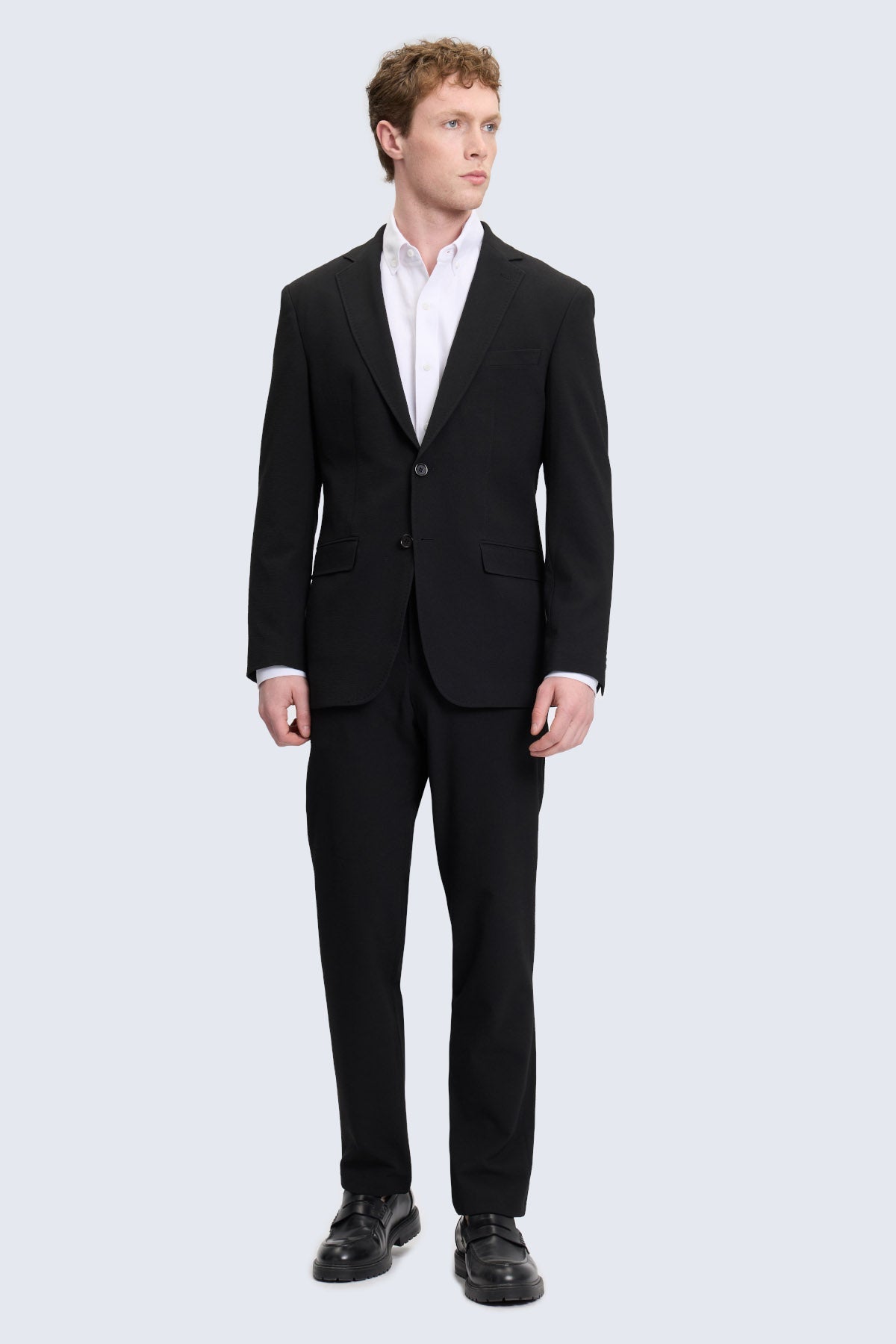
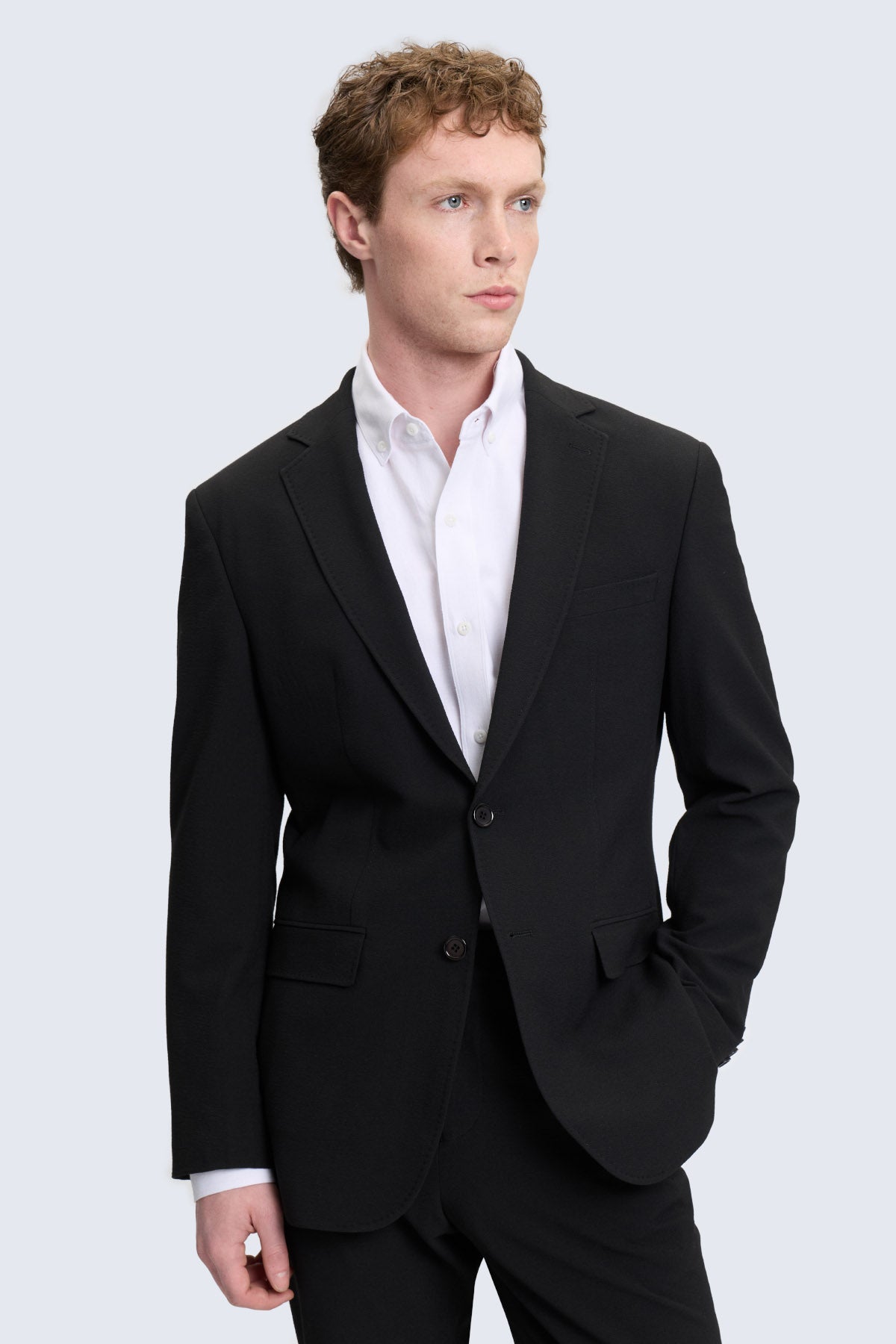
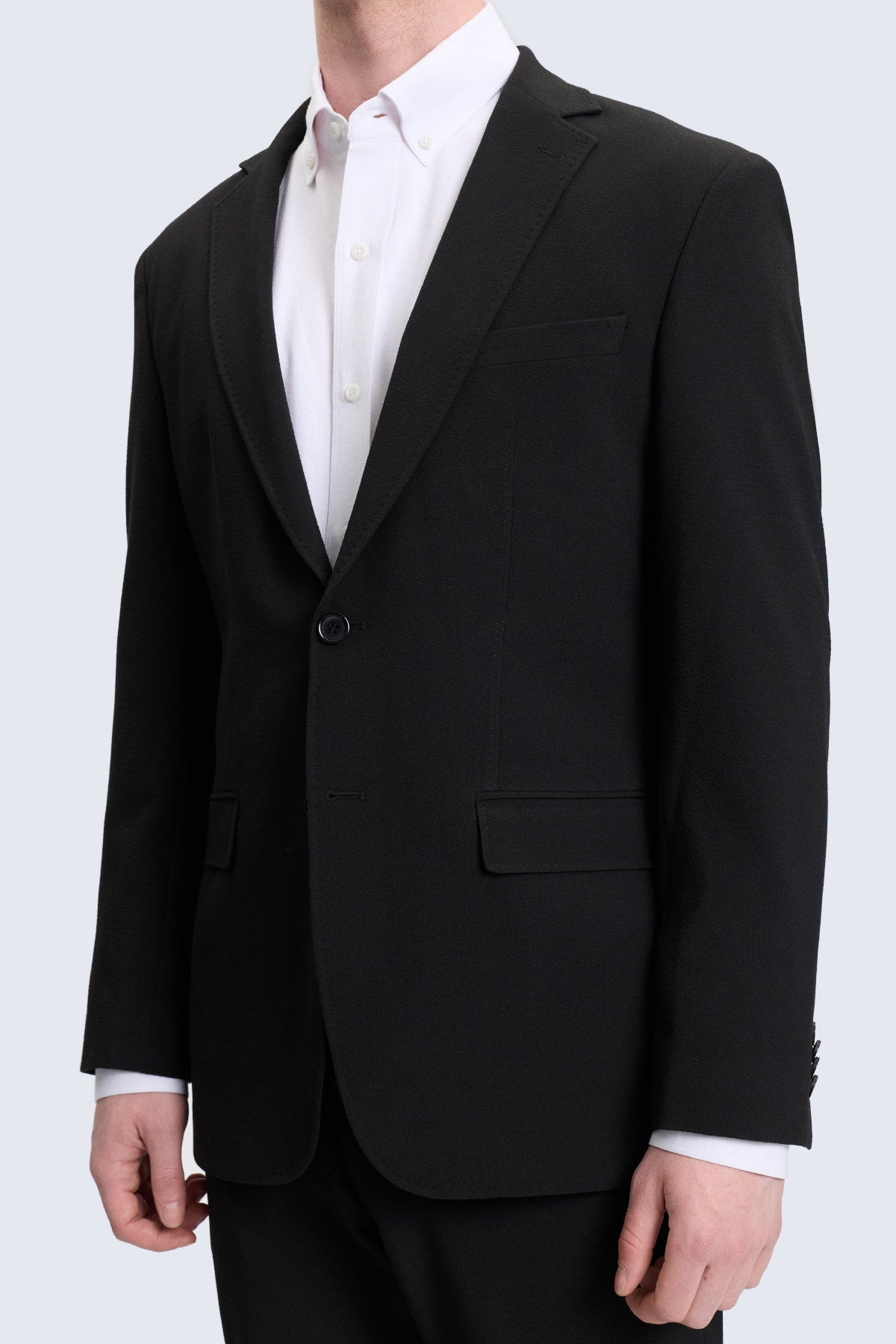
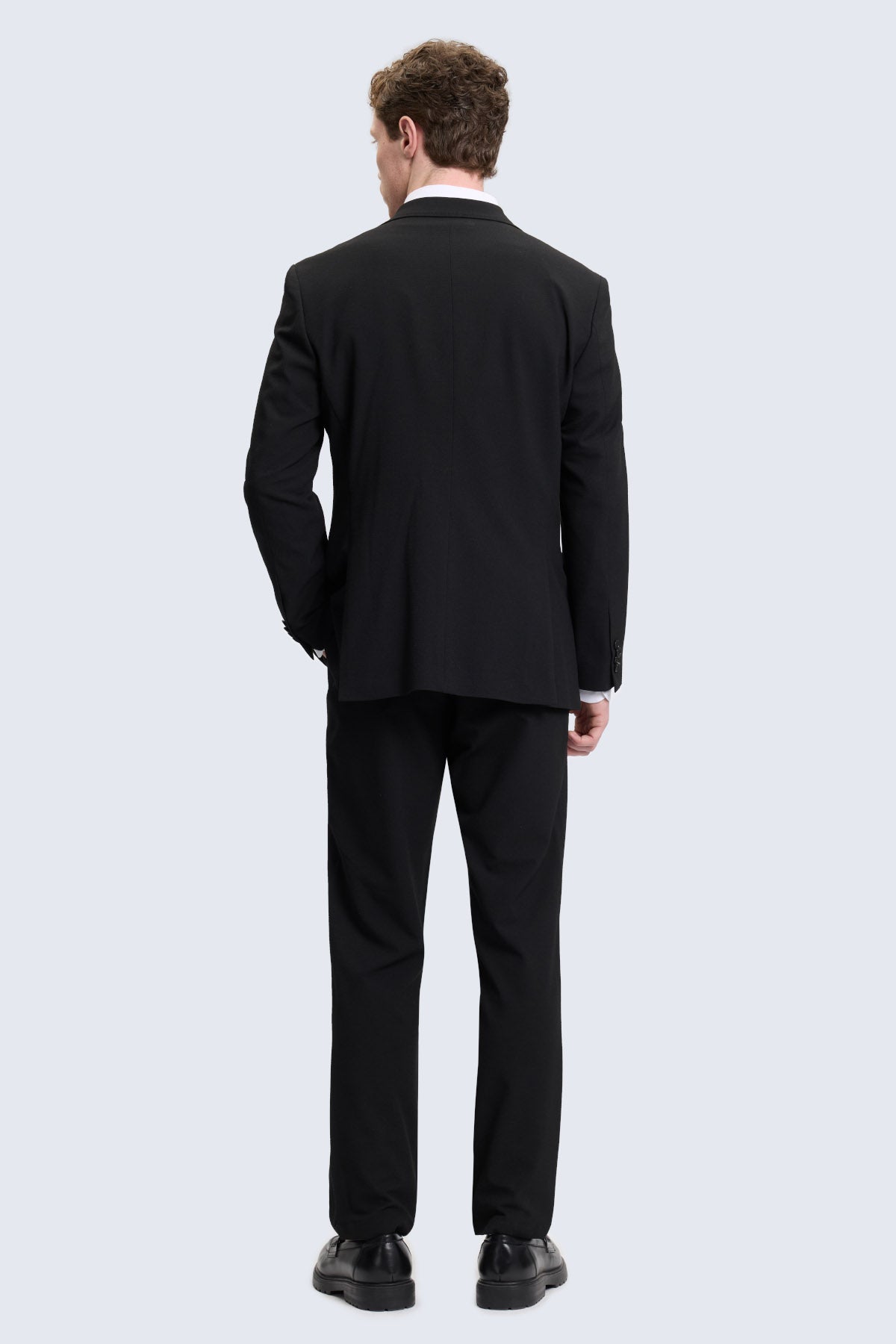
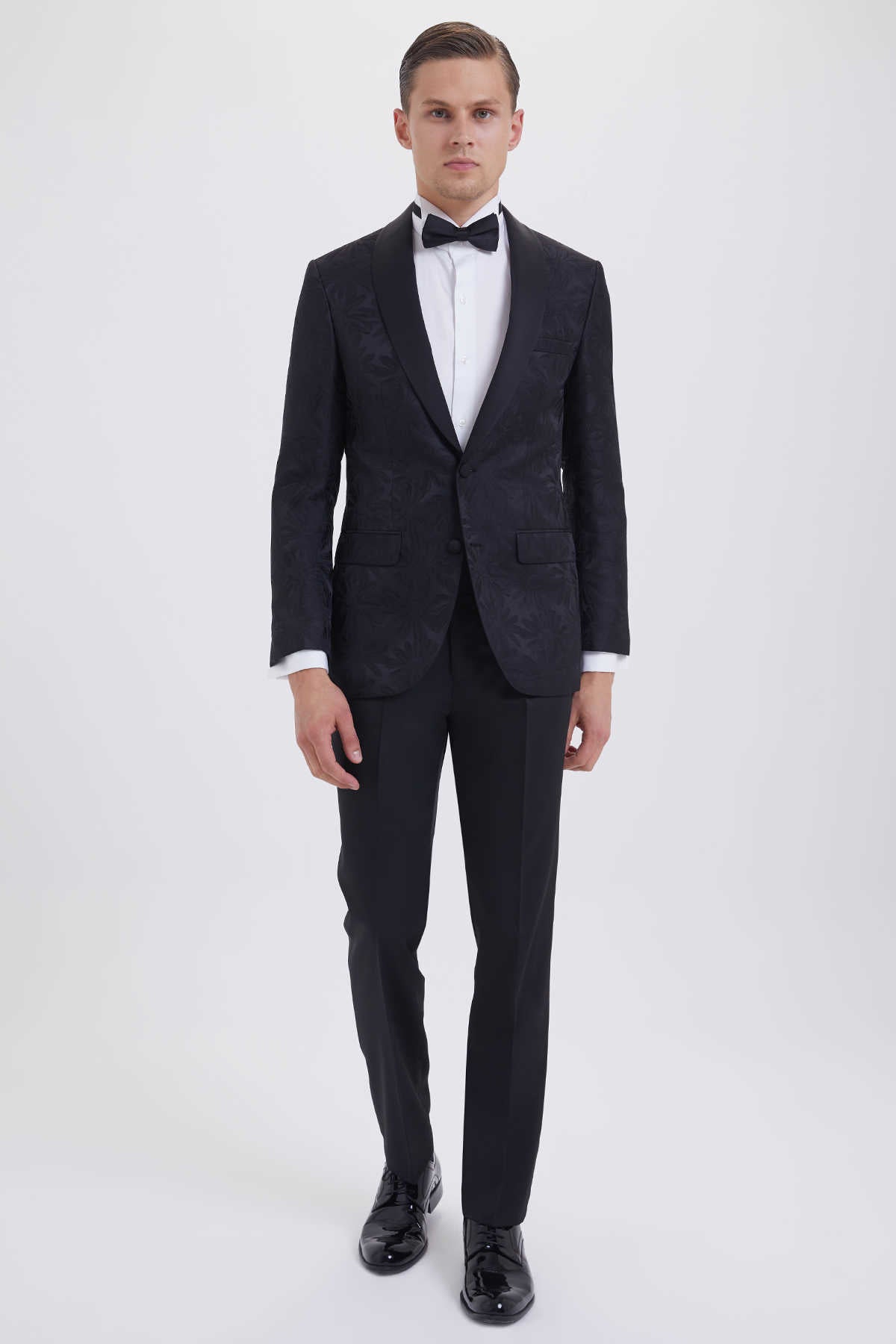
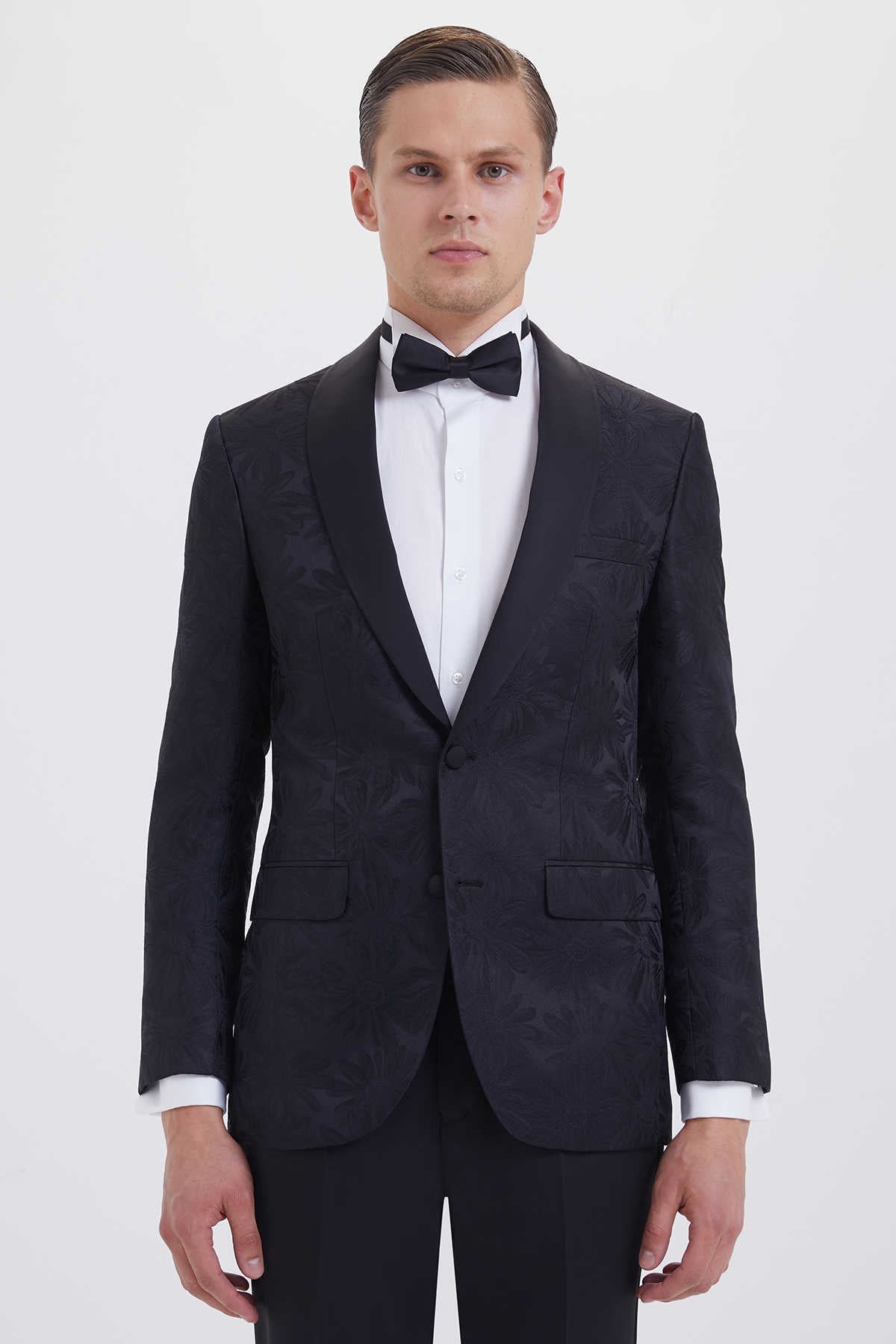
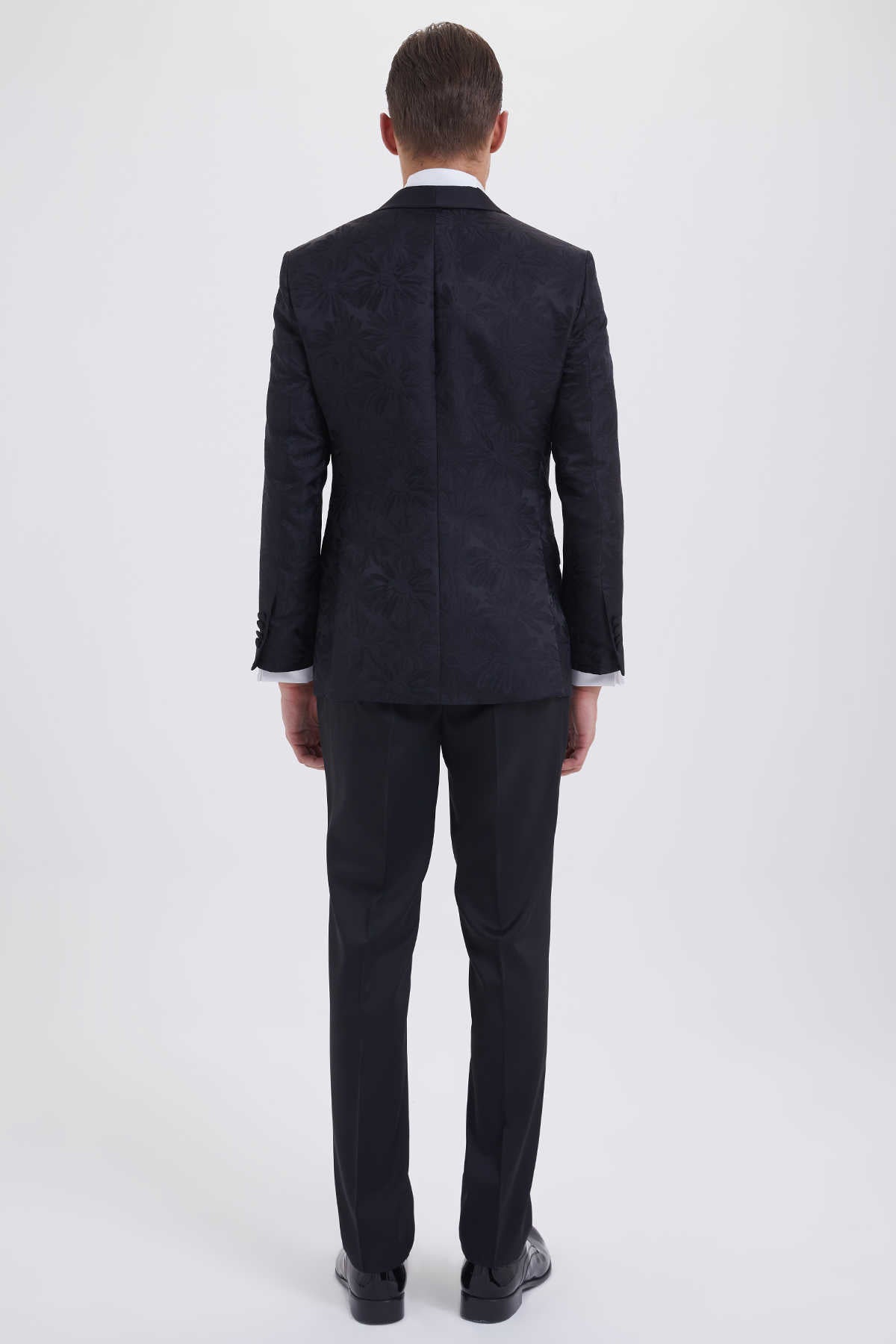
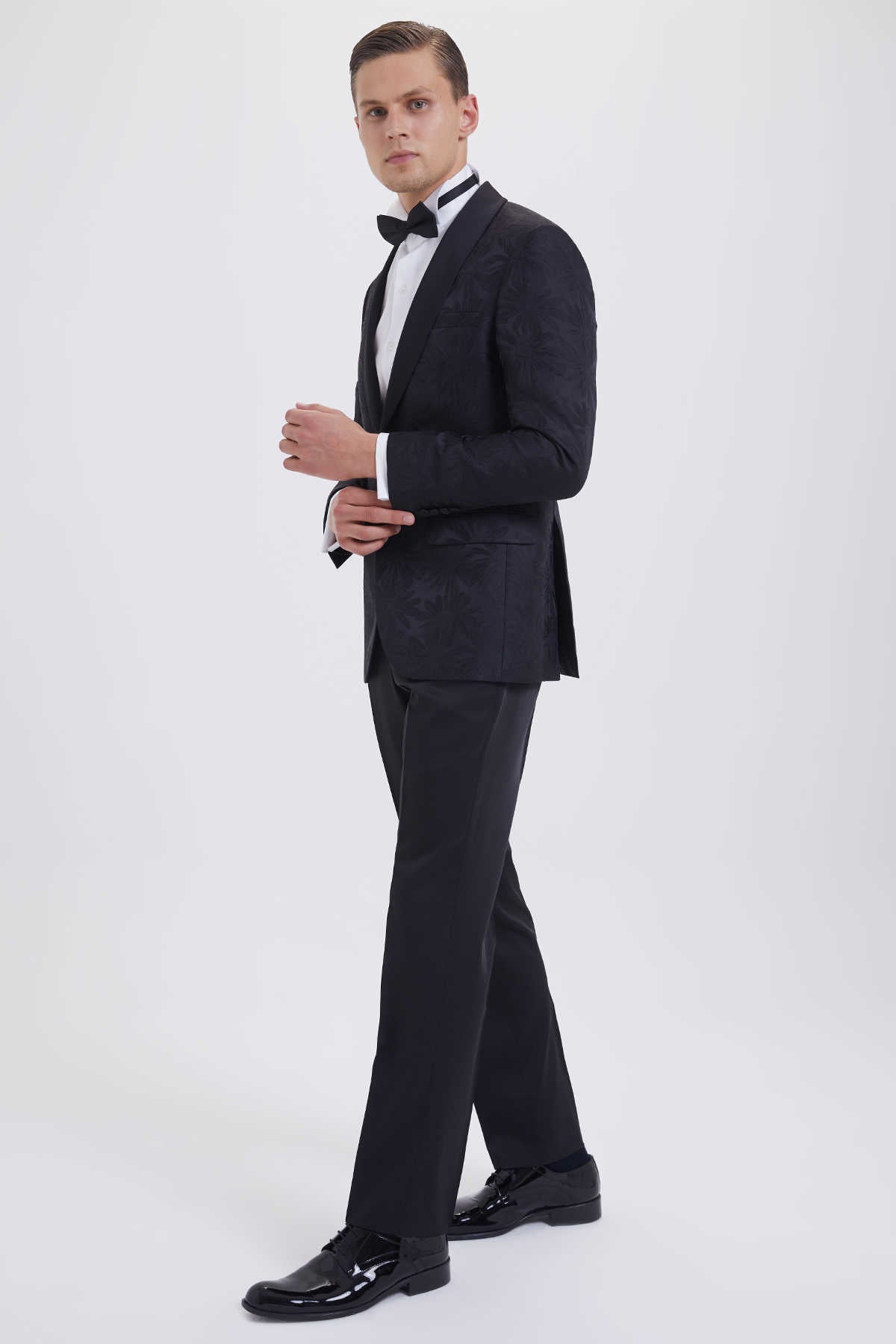
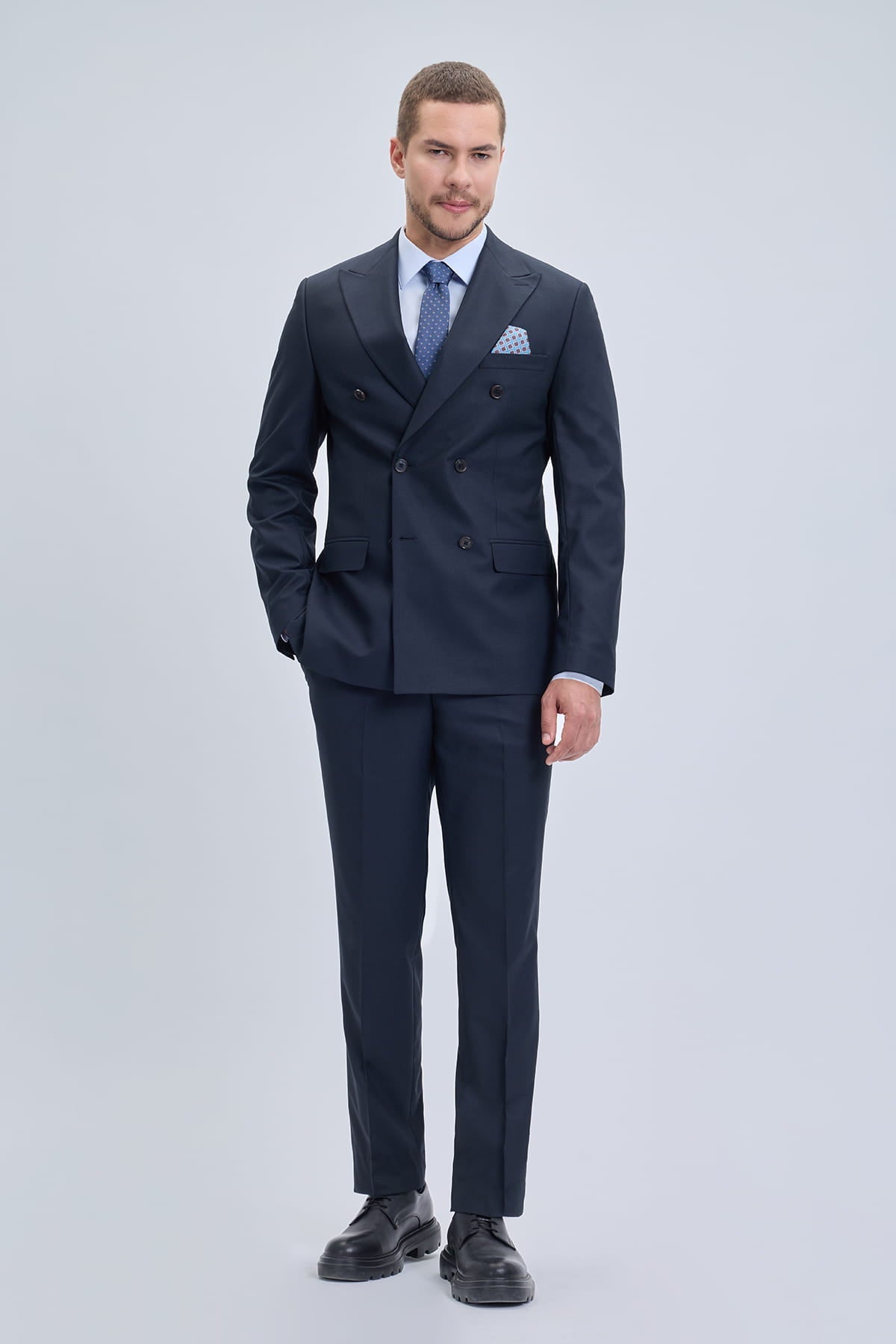
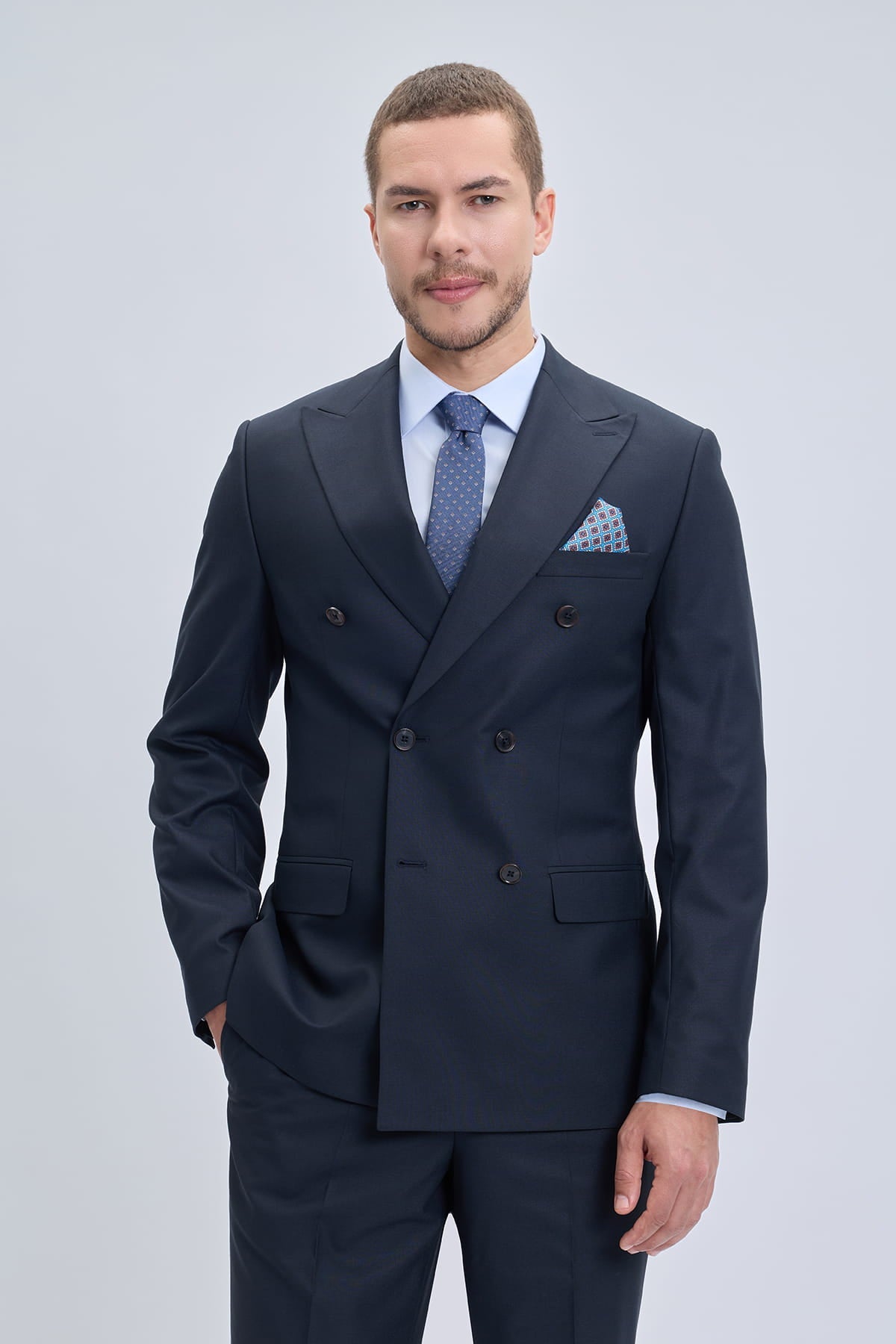
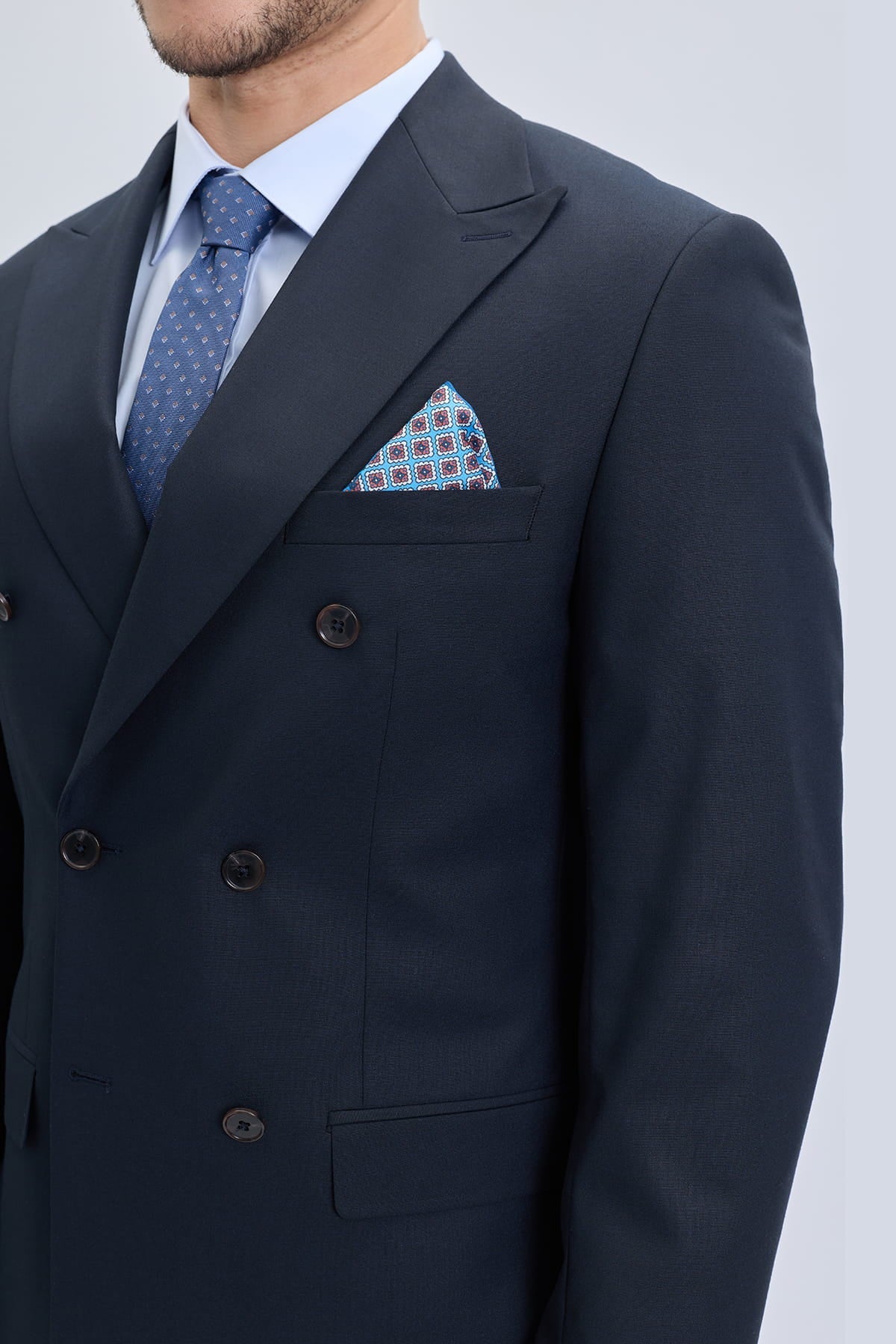
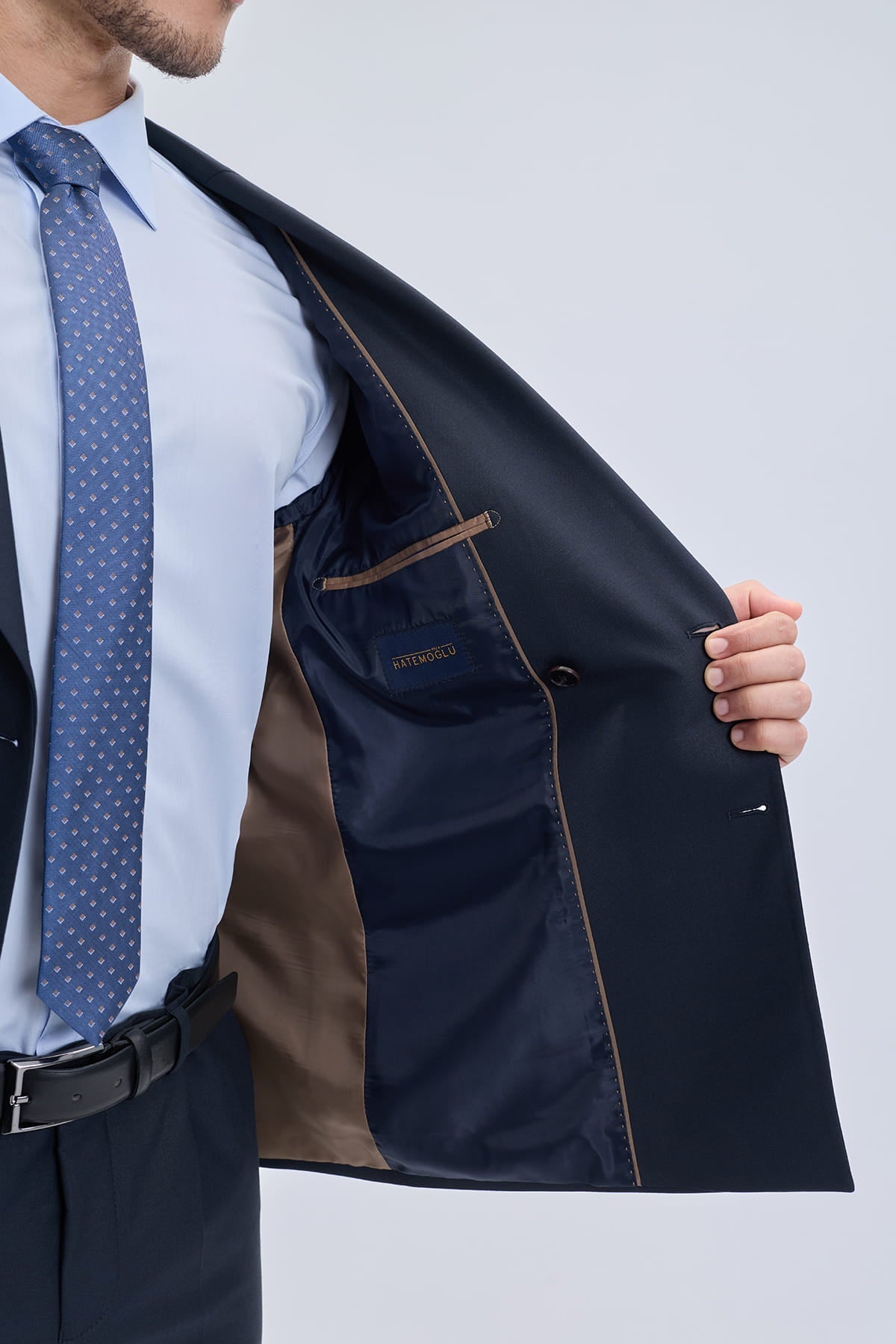
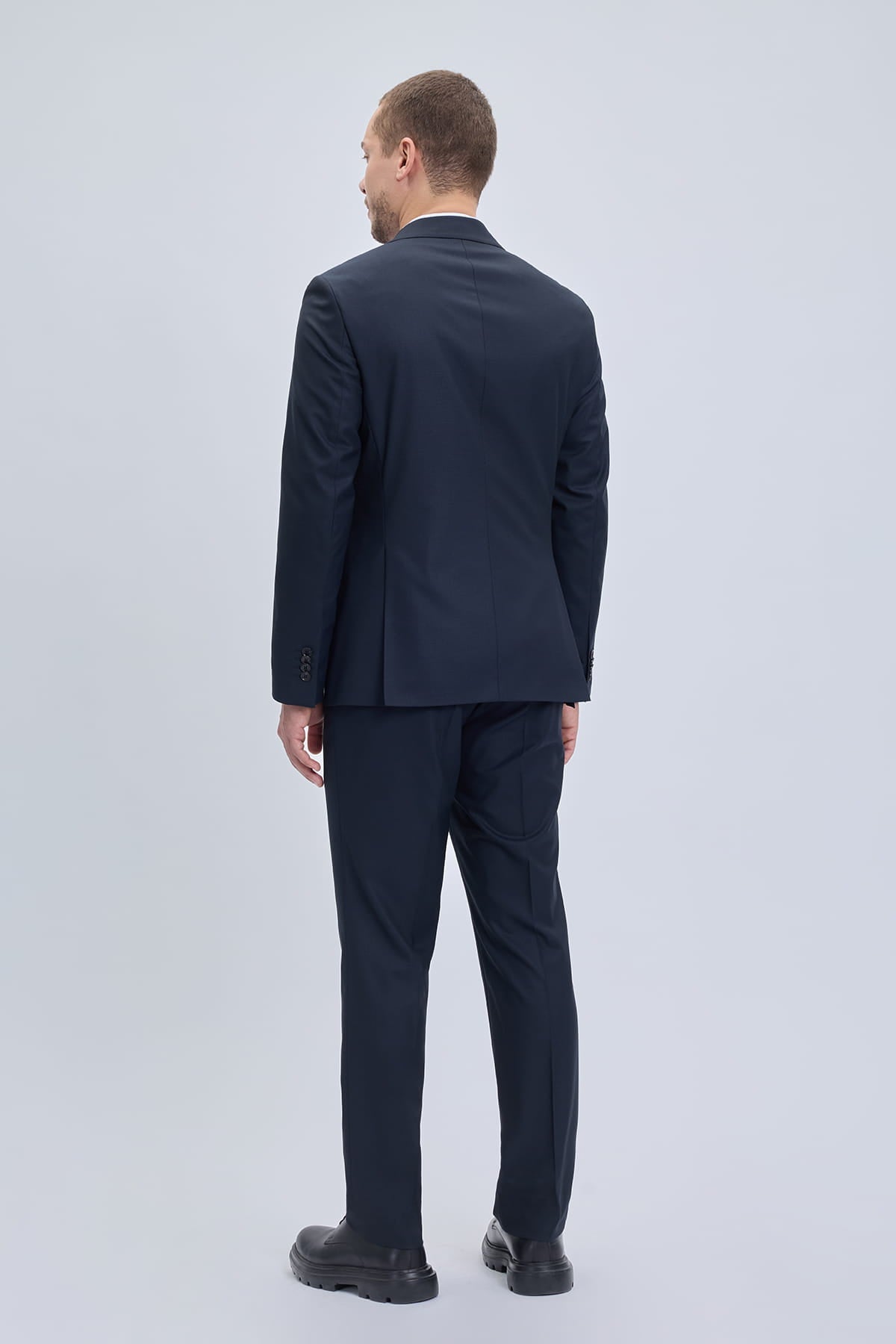
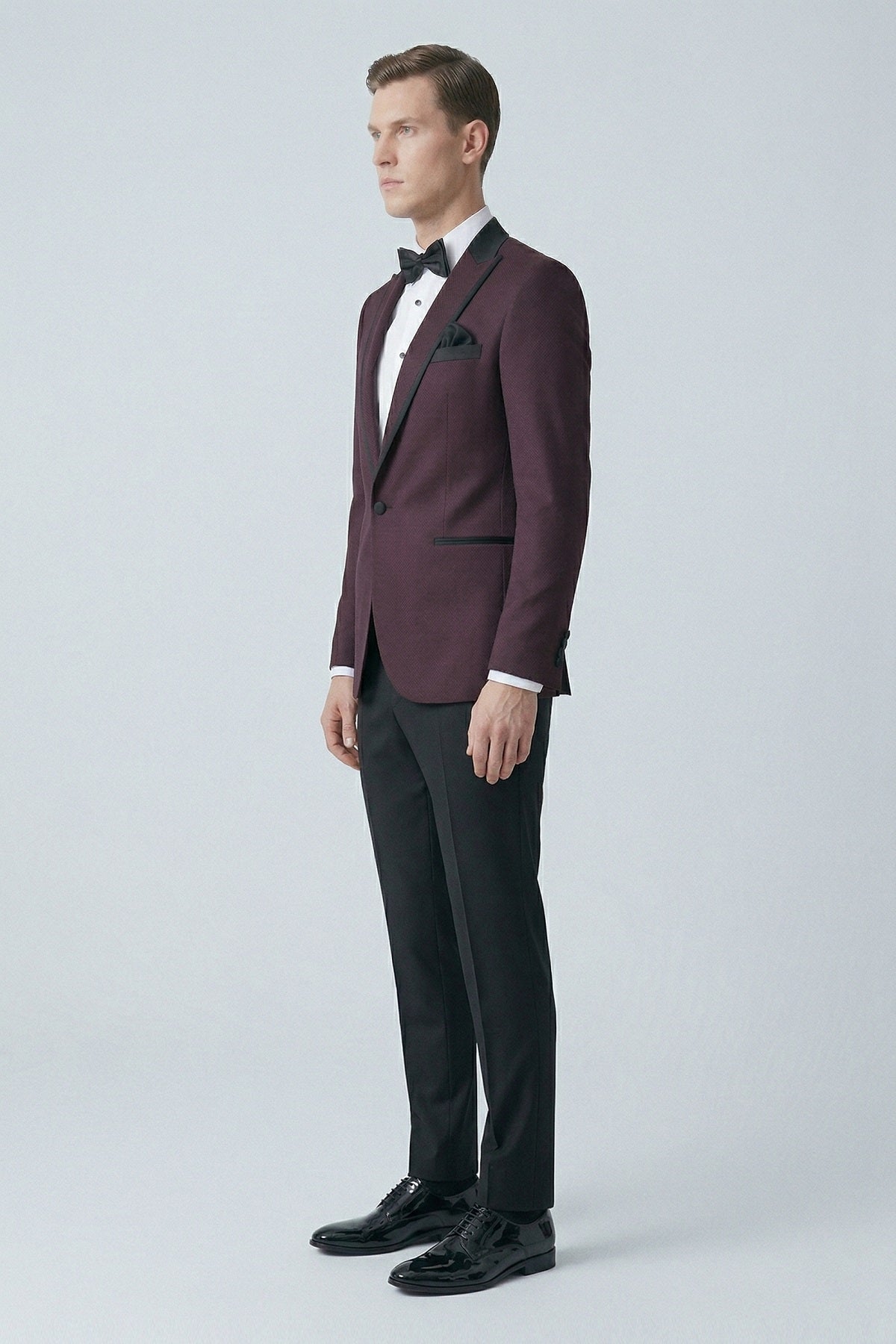
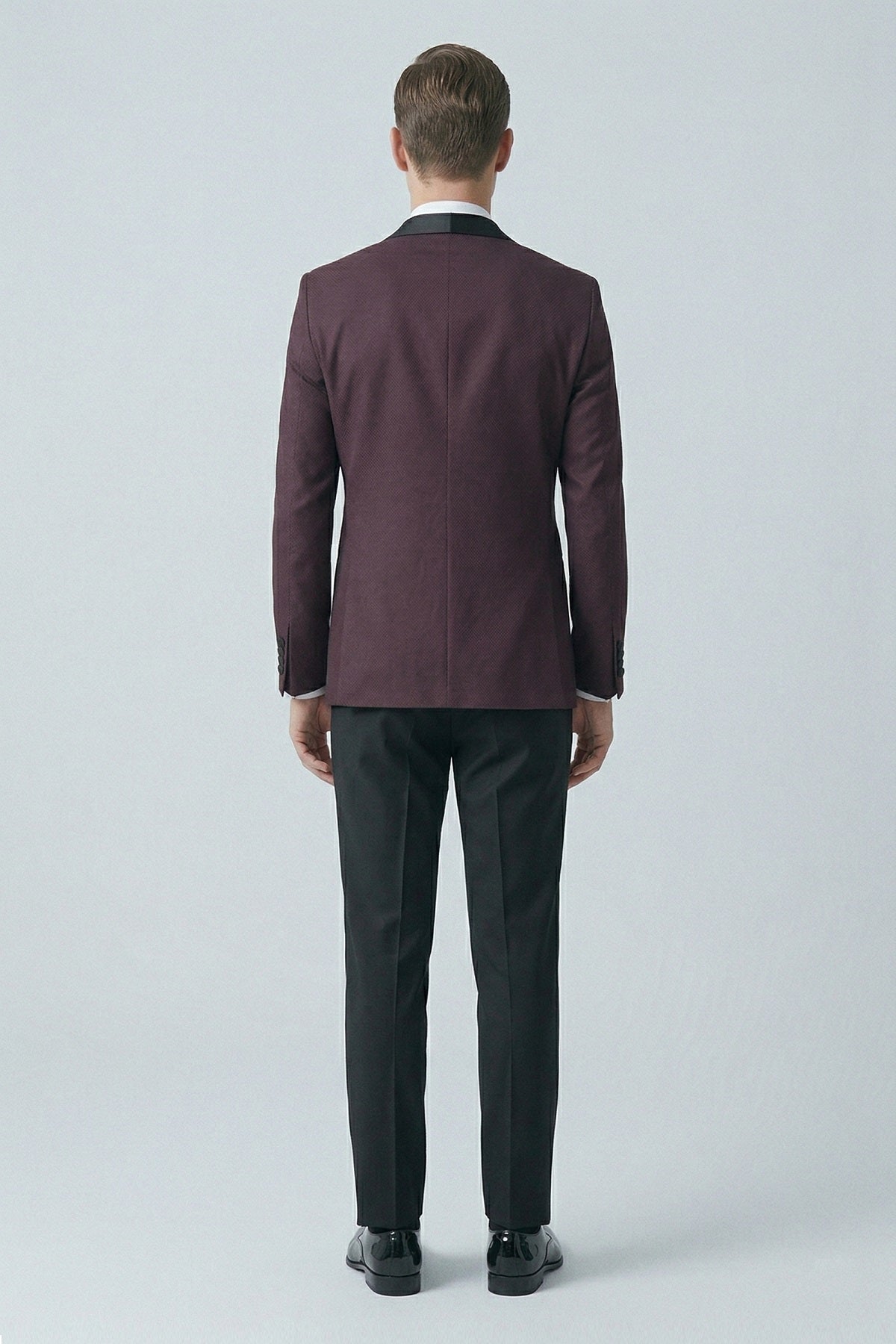
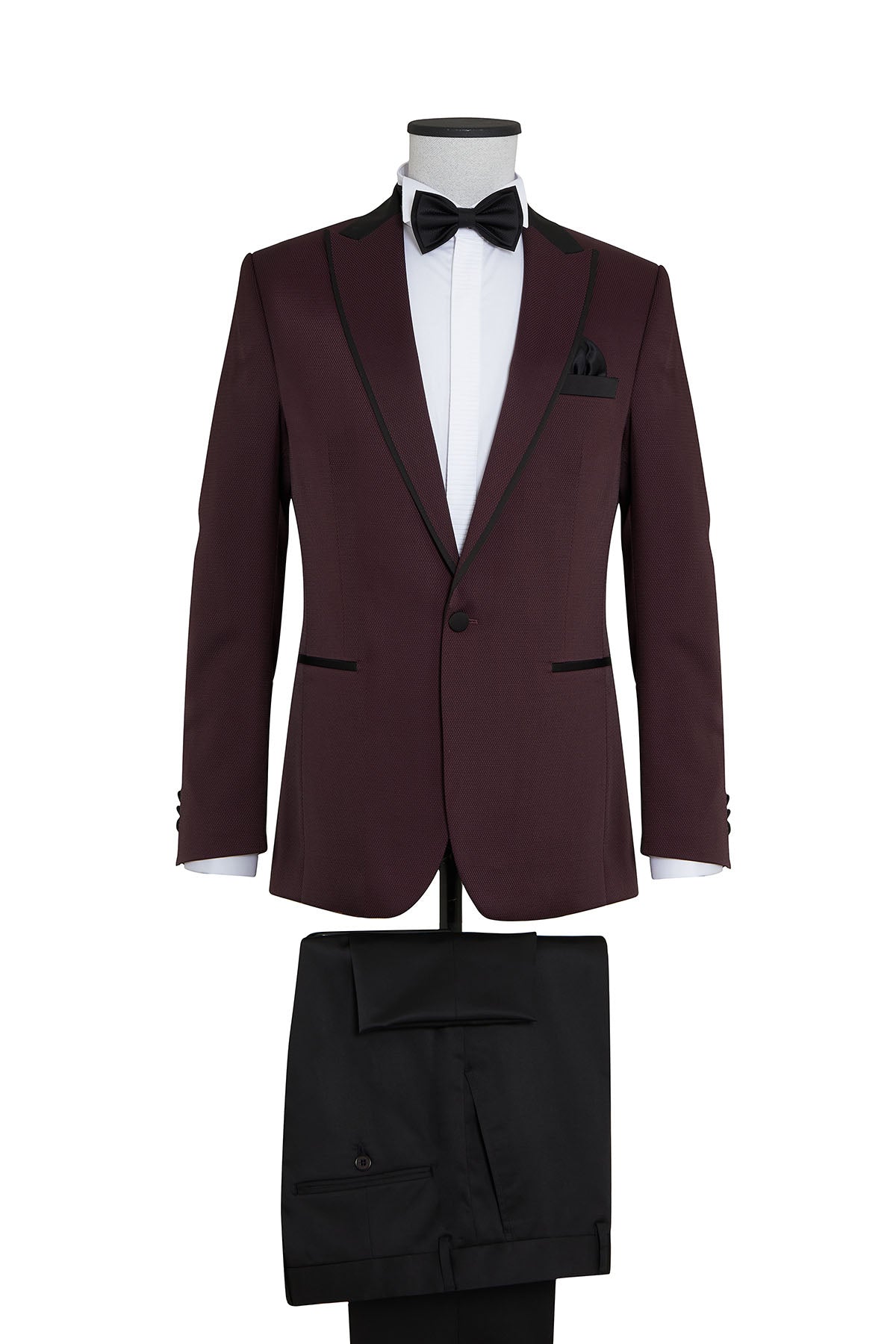
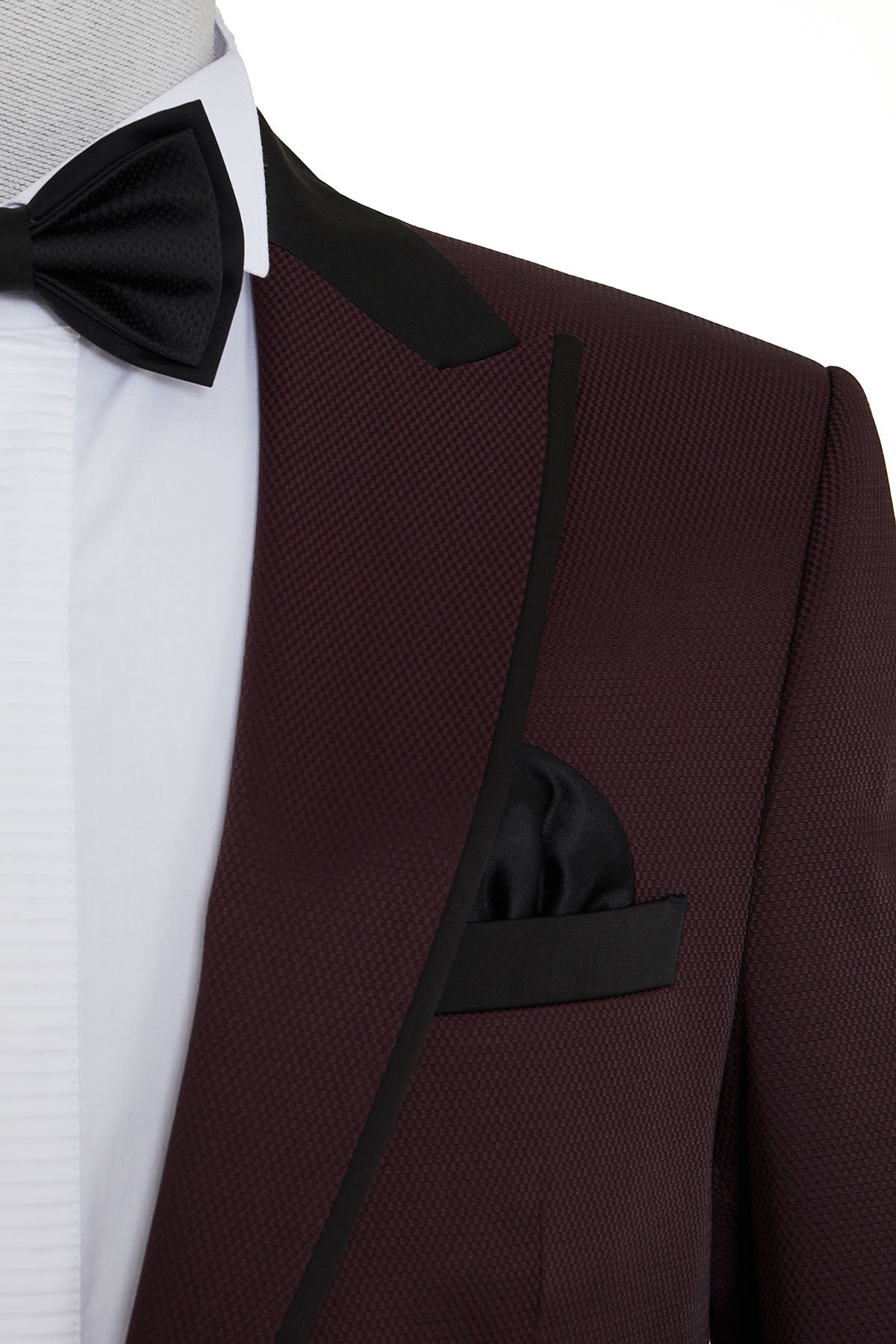
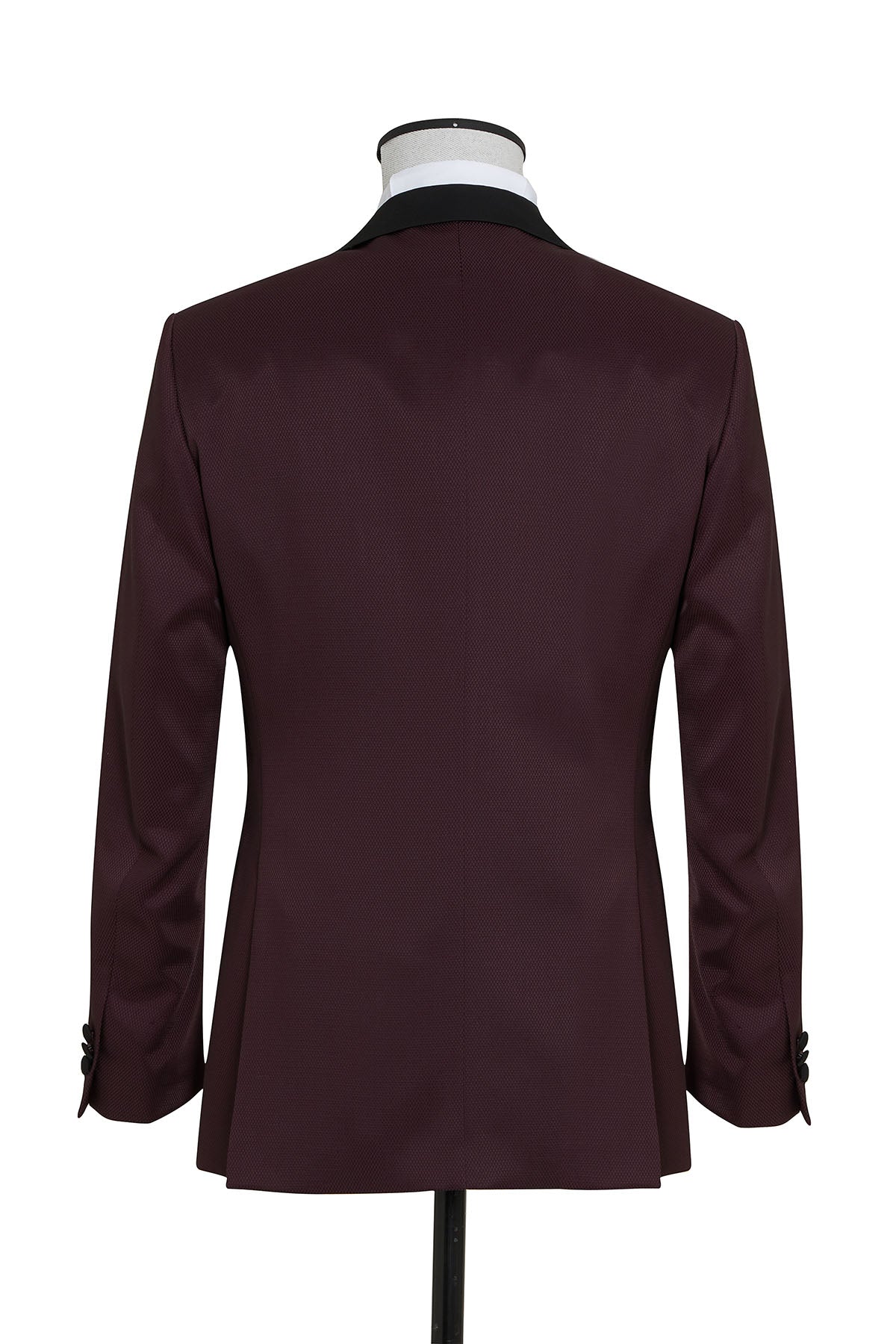
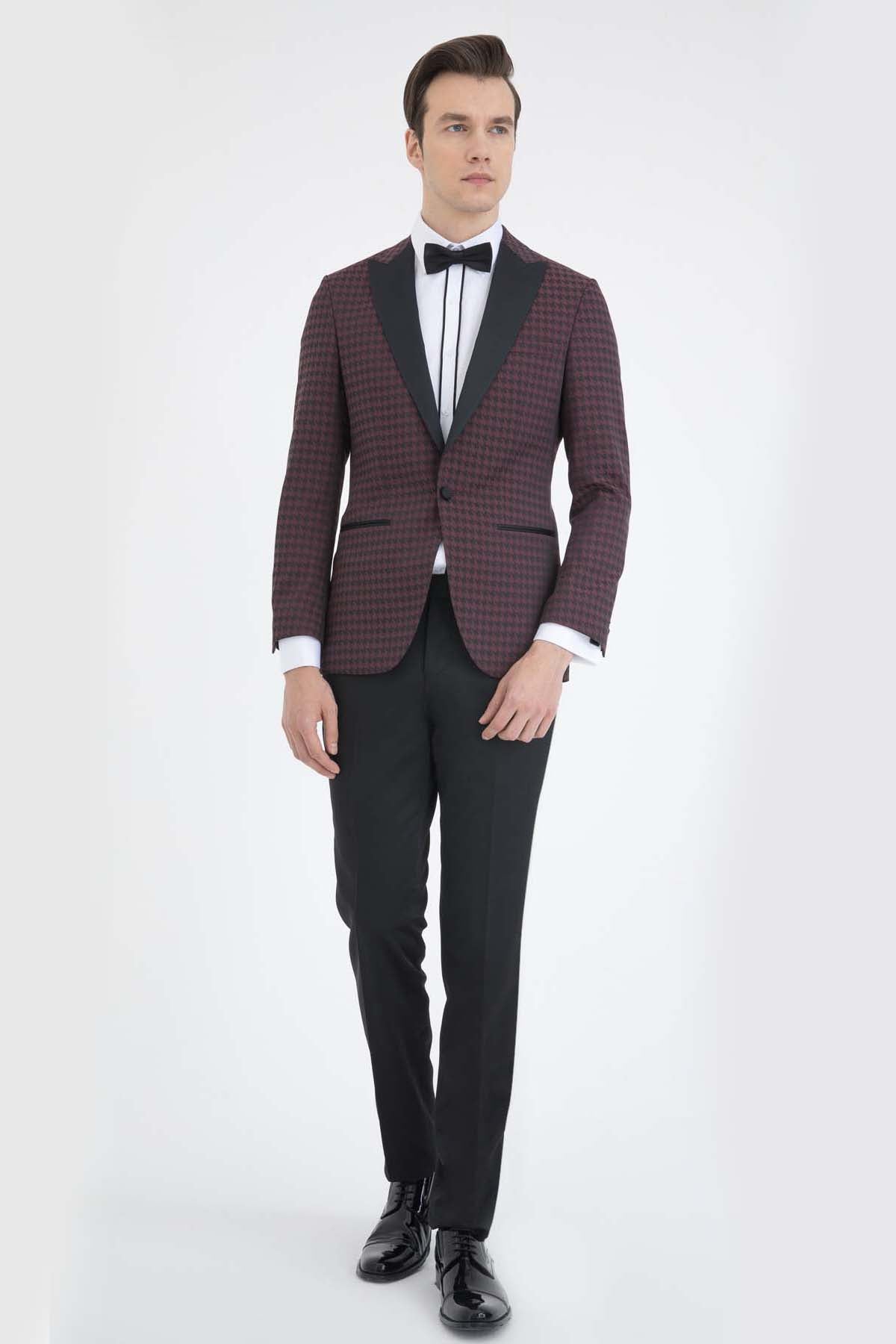
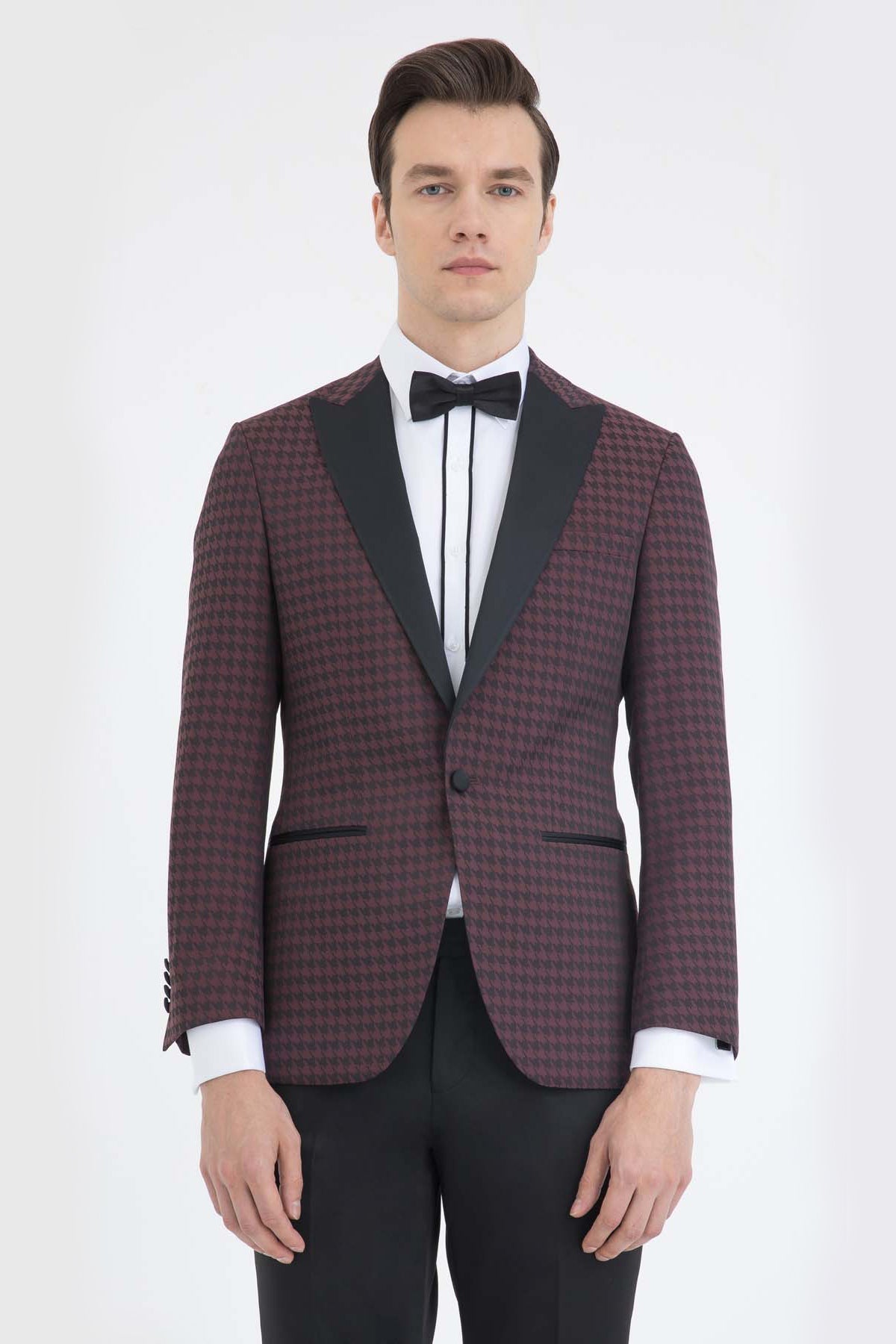
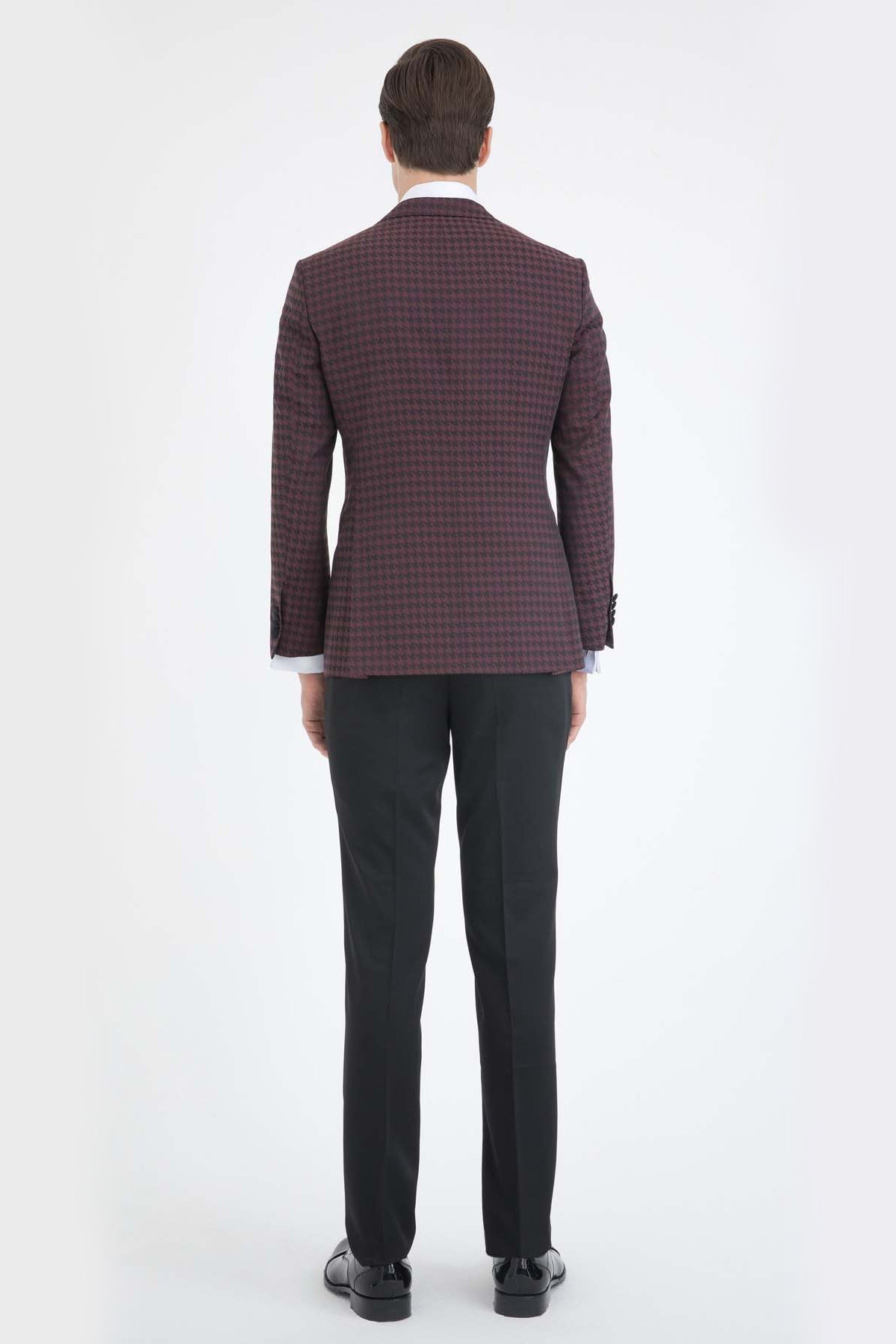
A suit is a matched jacket and trouser set built from wool, cotton, or blended fabrics, designed for business wear, weddings, and formal daytime events. A tuxedo is its more formal counterpart, distinguished by satin details on the lapel, buttons, and trouser side stripe, and traditionally worn with a bow tie rather than a necktie. Both categories share the same tailoring principles, structured shoulders, a defined waist, and a jacket length that follows the body, but they serve different occasions and dress codes.
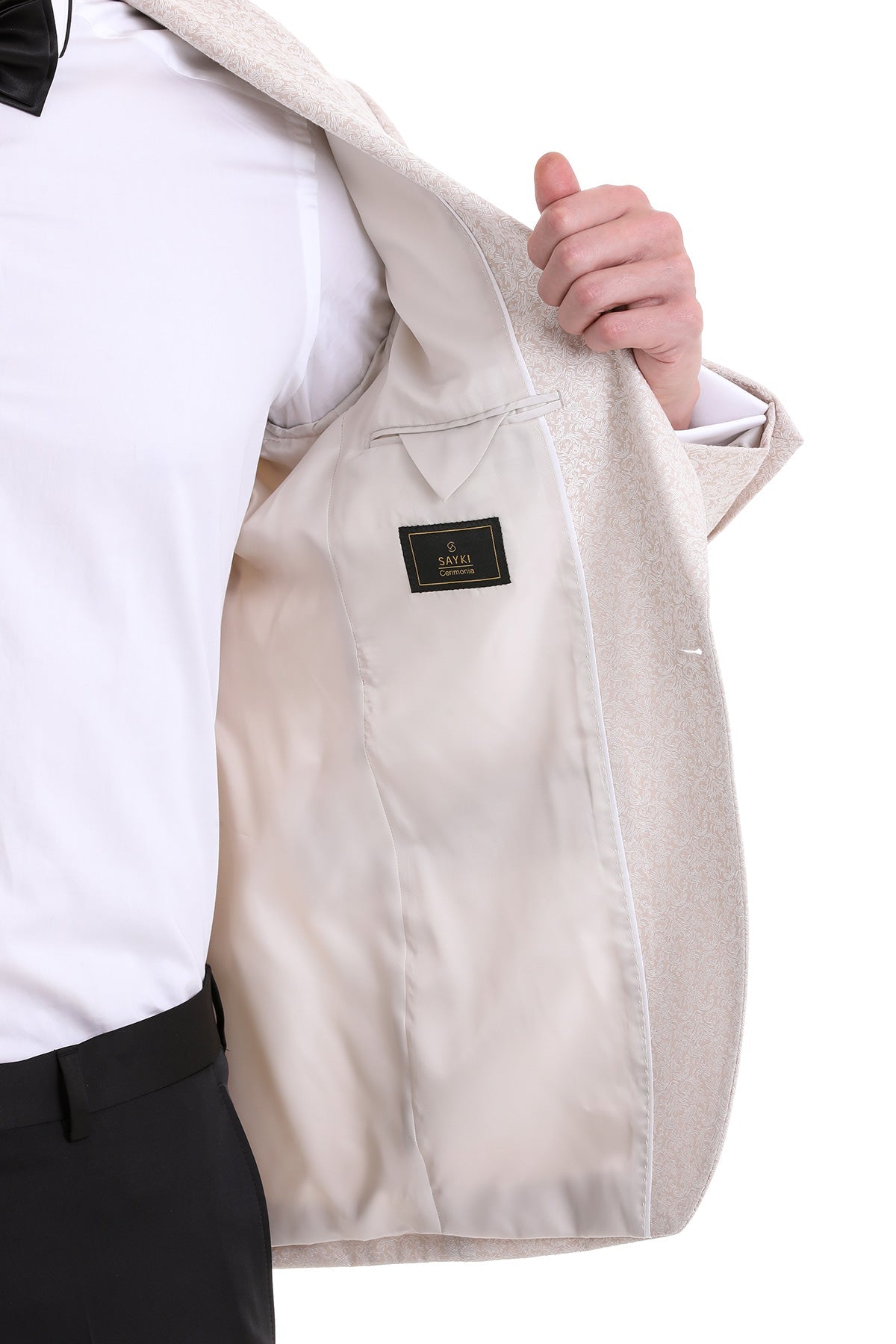
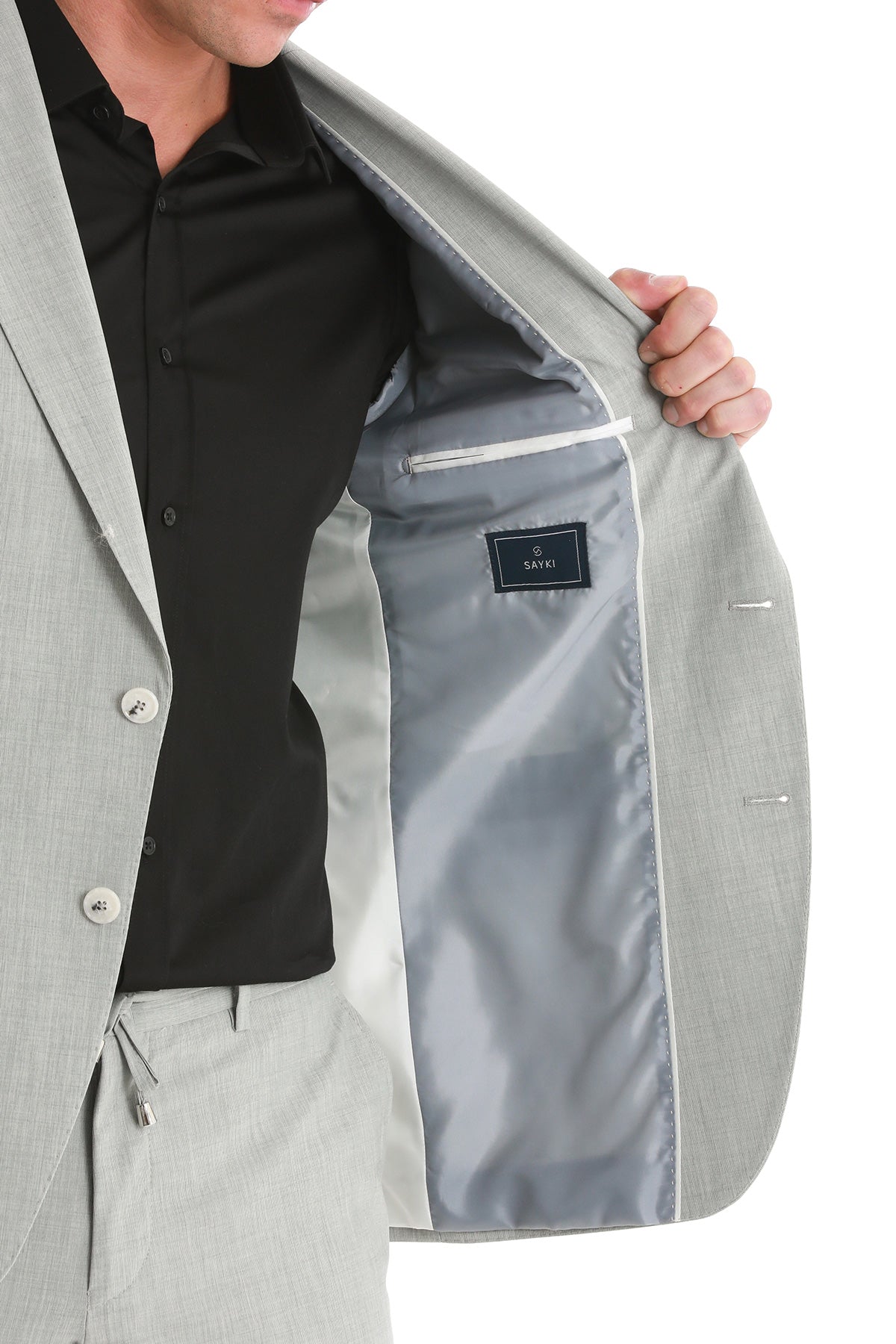
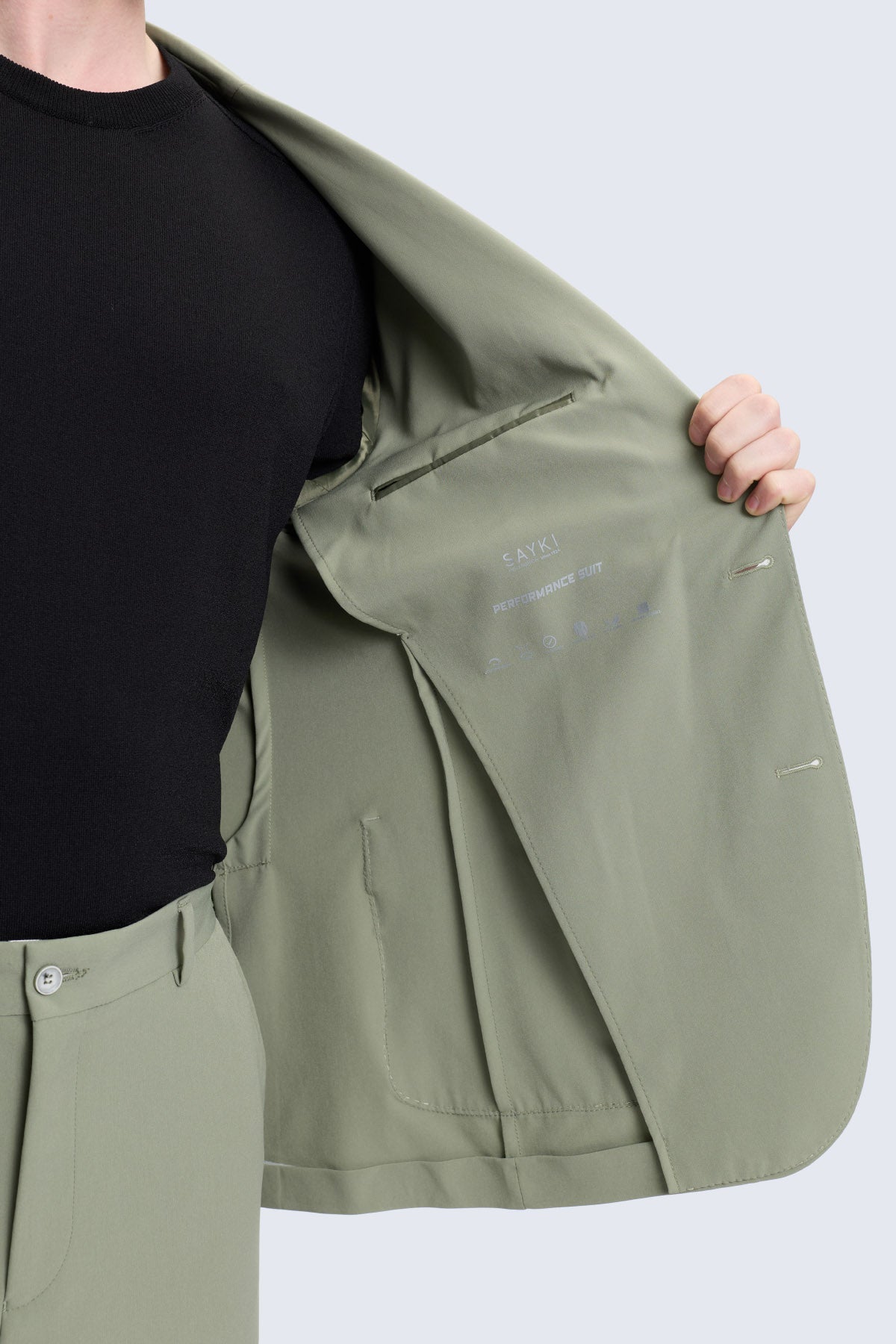
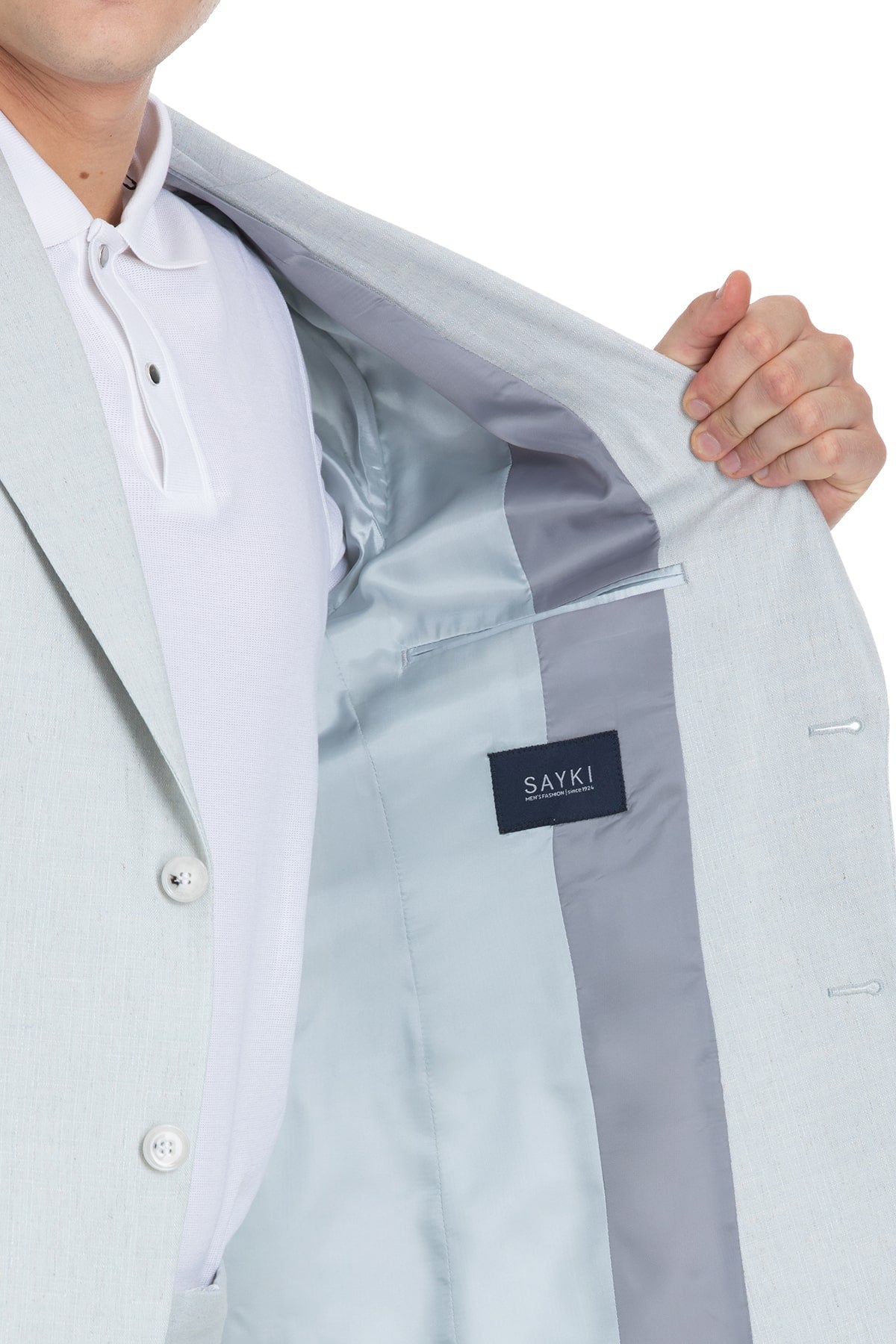
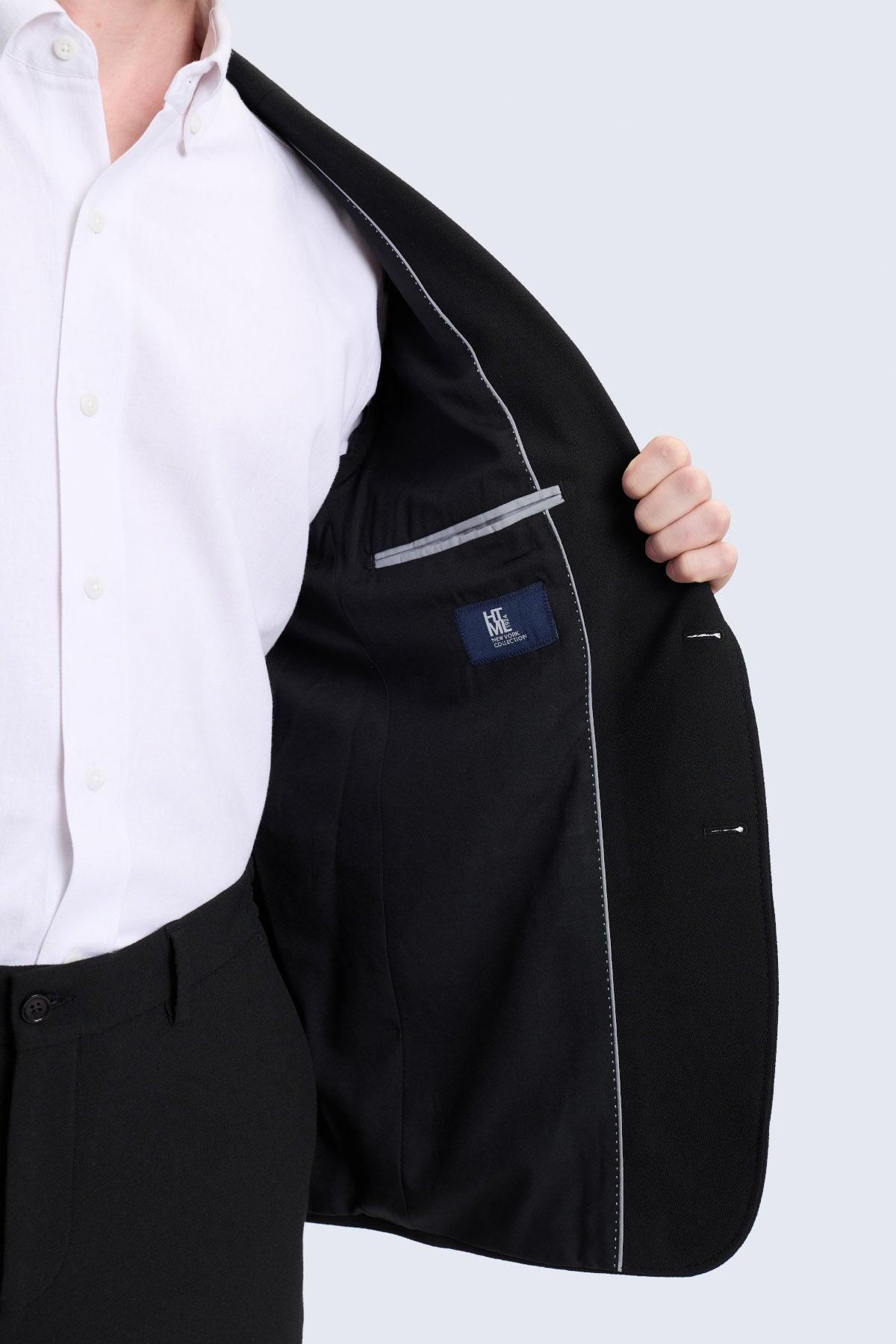
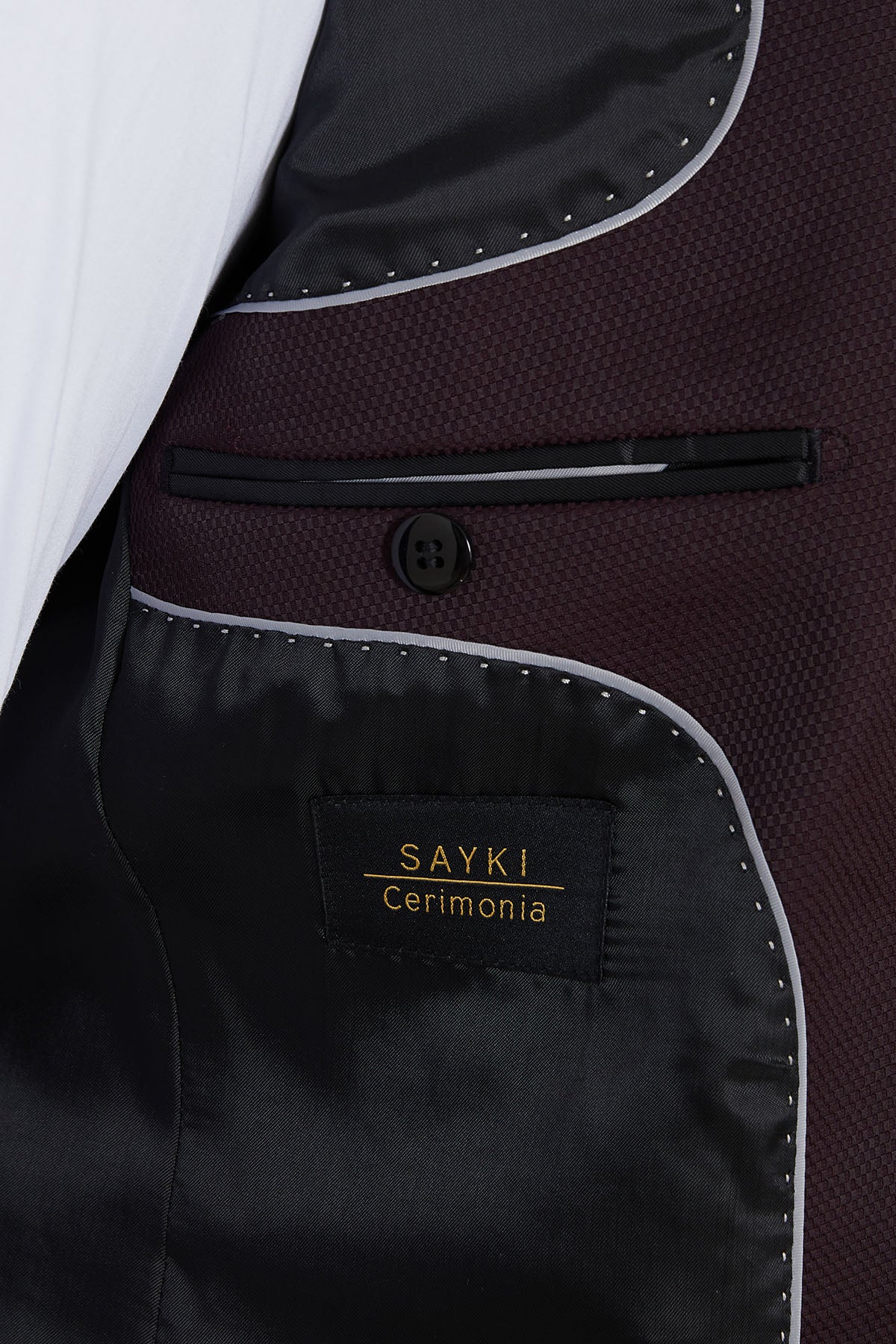
SAYKI's suits and tuxedos collection draws on nearly a century of tailoring experience, translating that heritage into pieces built for the American market. The range spans classic suits, casual suits, and formal tuxedos in notch, peak, and shawl lapel styles, cut primarily in a slim fit silhouette. Fabric choices include wool blends for structure and polyester blends for durability through repeated wear, in colors from black and navy to beige, mink, and burgundy. For anyone building an outfit around one of these pieces, pairing a tuxedo jacket with the right tuxedo shirt sets the formality level for the rest of the look.
Choosing Between a Suit and a Tuxedo
The dress code on the invitation usually answers this question directly. Black tie and formal events call for a tuxedo, typically in black with a peak or shawl lapel, paired with a bow tie and sometimes a cummerbund. Cocktail attire, business formal, and most daytime weddings call for a suit instead, where a notch lapel in navy, gray, or beige reads as polished without tipping into black-tie territory. If you are dressing for a wedding suit occasion where the ceremony is outdoors or in the afternoon, a suit is almost always the safer and more versatile choice over a tuxedo.
Beyond the dress code itself, consider reuse. A suit works for the wedding, then again for the office or a client dinner. A tuxedo is a single-purpose garment reserved for black-tie events, so it makes more sense once you attend these occasions with some regularity rather than as a one-time purchase.
Finding Your Fit
Slim fit is the dominant cut across the collection, following the natural line of the body with a tapered waist and a jacket that sits close through the chest and shoulders. The jacket should close with roughly one button's worth of room to spare, and the shoulder seam should sit right at the edge of your shoulder without pulling or drooping. Trousers in a slim fit taper from the thigh to the ankle without excess fabric bunching at the shoe.
For those who prefer more room through the midsection, select styles are available in comfort or regular fit, which loosen the waist and chest measurements while keeping the same jacket length and lapel proportions. Trying on both a slim and a comfort fit side by side is the fastest way to tell which silhouette matches your build, since the difference is most noticeable across the shoulders and midsection rather than in overall length.
Complete Your Look
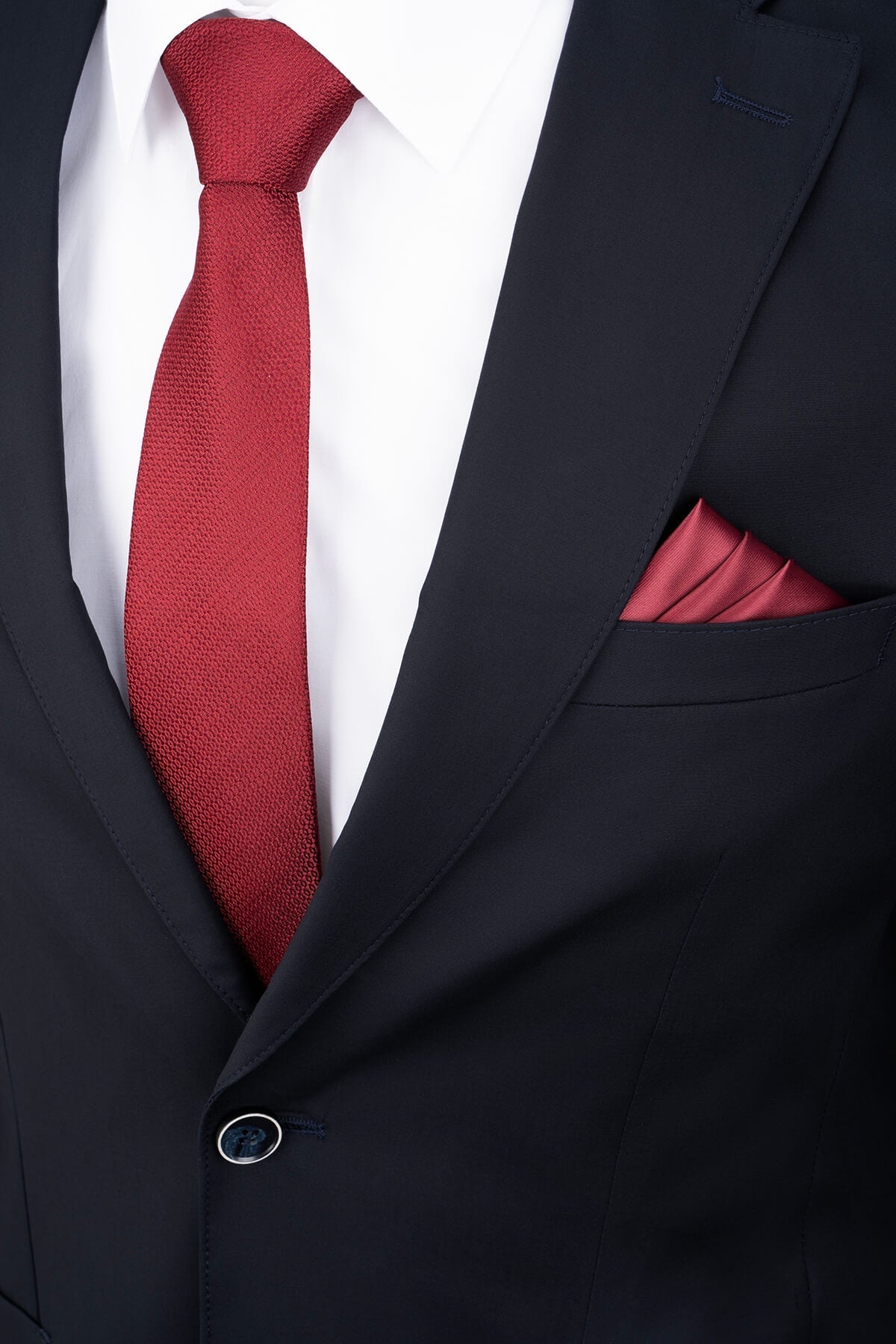
A full formal outfit extends beyond the jacket and trousers. Once the suit or tuxedo is set, tuxedo shoes in black patent or matte leather finish the look for black-tie events, while a simpler leather dress shoe works better under a business suit. Finishing details like ties, bow ties, pocket squares, and cufflinks are worth getting right too, and SAYKI's accessories and gift sets collection covers these smaller pieces that pull a formal outfit together.