


9 min read


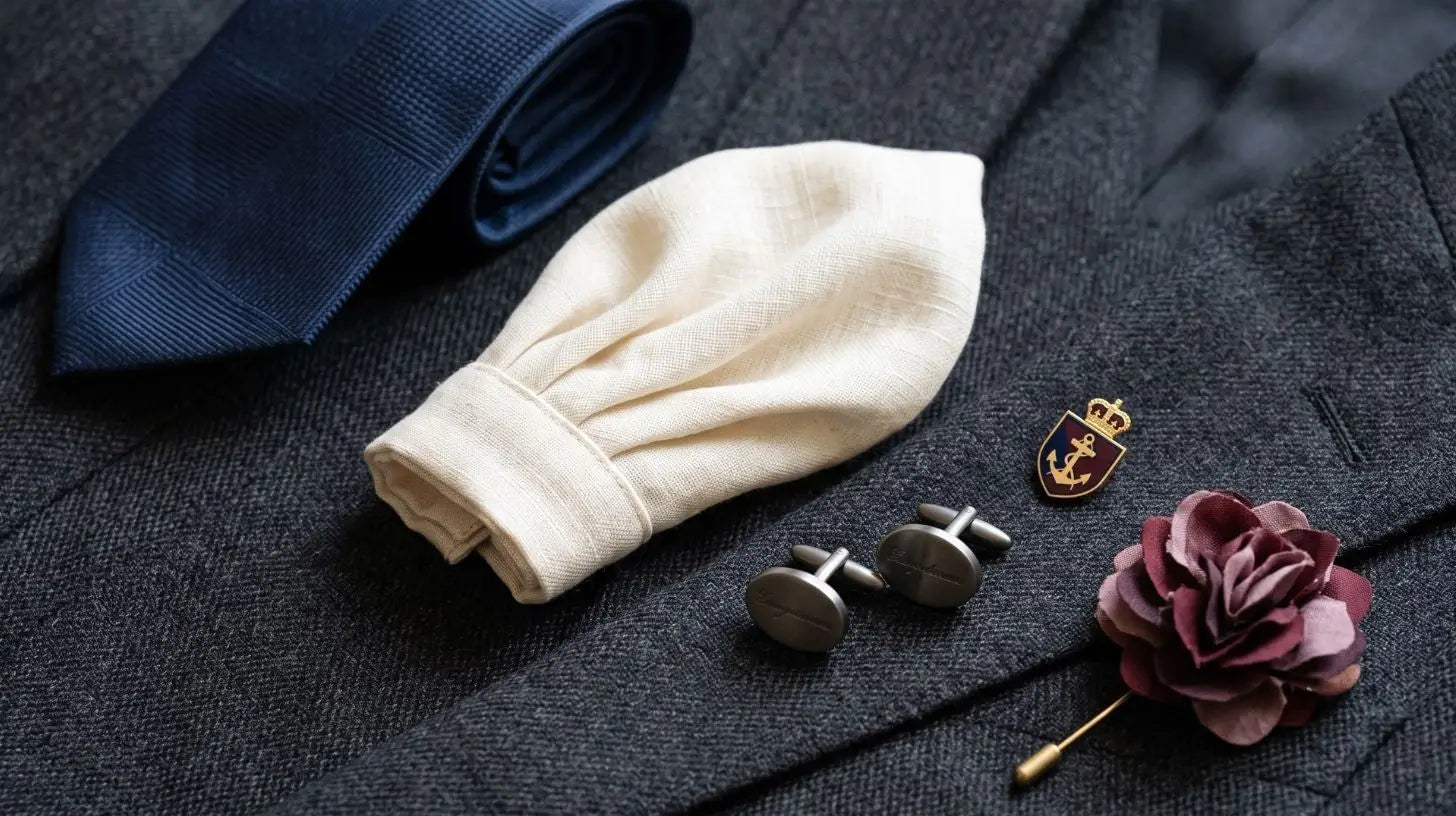
Men's formalwear accessories have quietly moved from afterthought to outfit anchor. In 2026, the pocket square, the cufflink, and the lapel pin are no longer reserved for black-tie events. They're showing up on business blazers, wedding suits, and even smart-casual looks, driven by a broader appetite for dressed-up detail.
TL;DR
- Pocket squares are resurging: Textured and patterned pocket squares are appearing across business and event dressing in 2026, moving away from the plain white fold.
- Cufflinks are back on dress shirts: Double-cuff shirts are selling alongside cufflink sets more than at any point in the past five years, signaling a broader return to formal detail.
- Tonal dressing is shifting accessory choices: Men building monochromatic outfits are choosing accessories in contrasting textures rather than contrasting colors.
- Sets are outselling singles: Tie, pocket square, and pin sets now account for a growing share of accessory purchases, partly because they remove the guesswork of pairing.
- Lapel accessories are expanding: Beyond the classic lapel pin, lapel flowers and decorative pins are appearing on blazers at weddings and formal events.
Contents
What is driving the 2026 men's accessories shift
Post-pandemic dressing has matured. Men who returned to offices and events in 2022 and 2023 wearing deliberately relaxed clothing are, by 2026, moving in the opposite direction. There's a visible appetite for polish, and accessories are the quickest, lowest-cost route to it.
Three forces are running at the same time. First, the suits and tuxedos category has grown its average transaction value as buyers opt for 3-piece suits over 2-piece suits, and a vest naturally invites a pocket square and tie. Second, social media has made outfit detail visible in a way that rewards finishing touches. A cufflink or a folded pocket square reads well at close range, which matters on any platform built on portrait-format photos. Third, gifting has become a meaningful driver. Sets that combine a tie, pocket square, and pin sell well because they solve a real problem for gift-buyers who want to give something complete.
Key 2026 men's accessories developments
Pocket squares: texture over color
The plain white pocket square folded in a straight presidential fold isn't gone, but it's no longer the only option in the conversation. In 2026, the movement is toward texture: linen, silk with visible weave, and jacquard patterns. Color is secondary. A man wearing a grey suit with a charcoal tie is more likely to reach for a textured ivory pocket square than a bright contrast one. The fold itself has also relaxed. Puff folds and casual crumples appear on business blazers, not just at weddings.
This matters because the pocket square is the easiest and cheapest accessory swap. A suit that's been worn twenty times reads differently with a new pocket square in it.
Cufflinks: the return of the double cuff
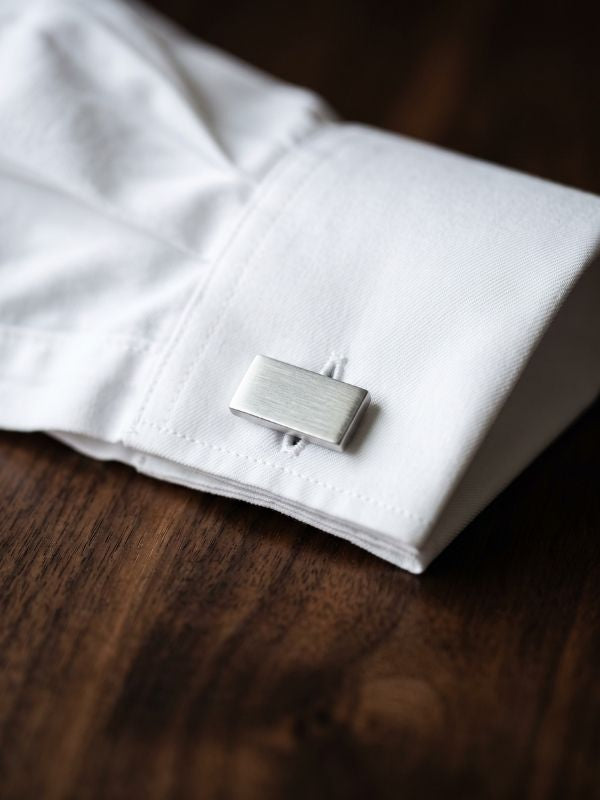
Cufflinks require a double-cuff (French-cuff) shirt, and for years that combination felt overly formal for anything short of a board meeting. That perception has shifted. In 2026, double-cuff shirts are appearing at weddings, dinners, and upscale events as men lean into the detail rather than away from it.
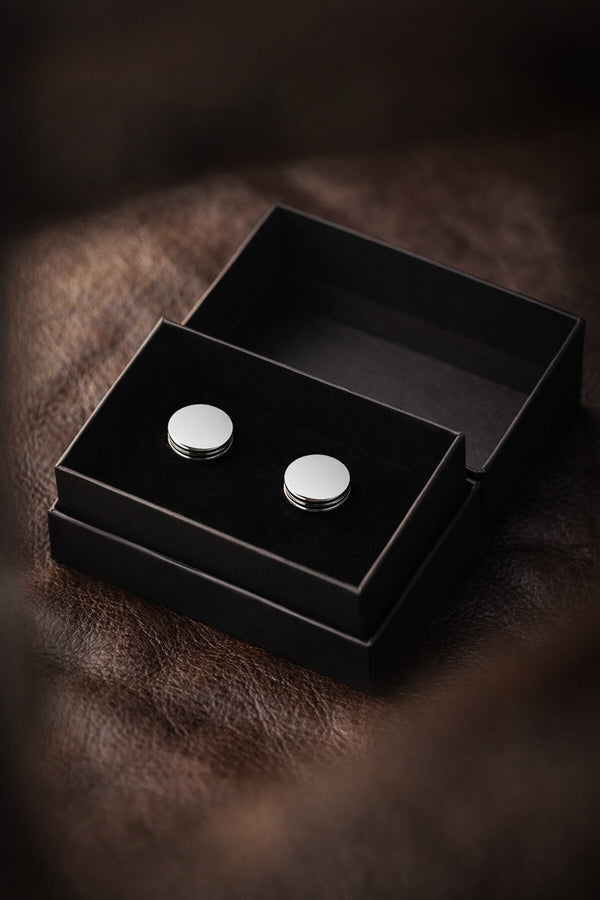
The cufflinks themselves have changed too. Novelty and enamel designs are popular as gifts. Brushed metal in silver or gunmetal sits well with navy and charcoal suits. Gold-toned cufflinks, which felt dated five years ago, are appearing again on tuxedo configurations. If you're building a look around a tuxedo or dinner suit, cufflinks are no longer optional finishing detail. They're expected.
Lapel flowers and pins: beyond black tie
Lapel flowers were, until recently, a wedding-only accessory for the groom and groomsmen. That boundary has blurred. Fabric lapel flowers in neutral tones appear on blazers at parties, dinners, and creative-industry events. Enamel lapel pins, which crossed over from streetwear years ago, are now common on business blazers too. The detail is small, but it signals intentionality.

Bow ties and cummerbunds: event formality is up
Black-tie events are more frequent in 2026 than they were in 2021 or 2022. That recovery is pushing bow ties and cummerbunds back into regular rotation. The self-tie bow tie is preferred over pre-tied for anyone who attends formal events more than twice a year because the slight imperfection of a hand-tied bow reads as considered rather than lazy. Cummerbund-and-bow-tie sets remove the matching problem entirely.
Accessory sets: buying complete looks
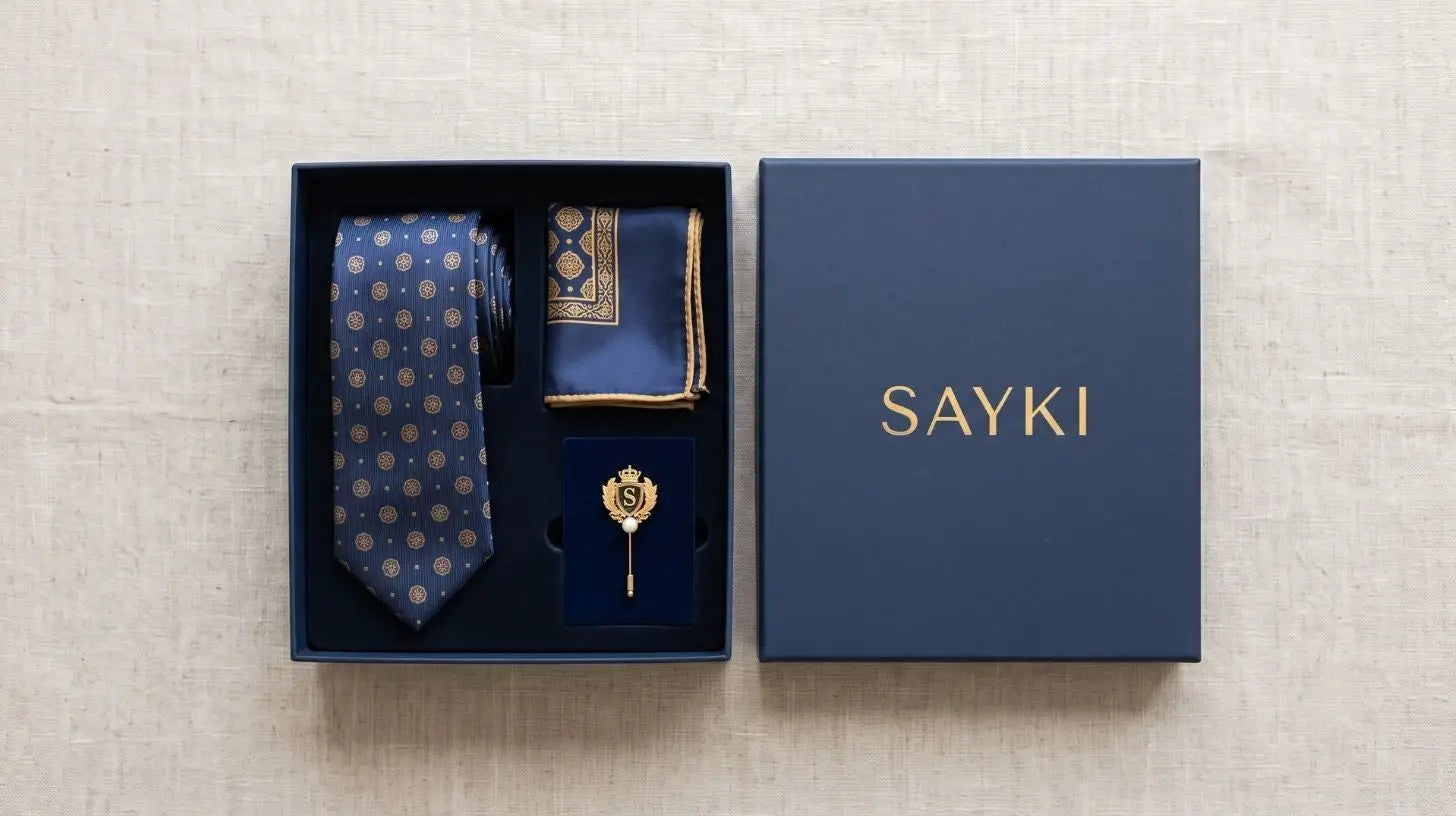
Sets are growing because they solve a real friction point. Pairing a tie, pocket square, and pin independently requires either confidence or research. A curated set does that work. Retailers that offer tie, pocket square, and pin sets are converting browsers who would otherwise leave with just a tie. The same logic applies to bow tie and pocket square sets and to cummerbund combinations for black-tie events.
Data and signals: what the numbers suggest
- Search interest in "men's pocket square" trends upward each spring and before wedding season, which falls between April and October in most markets.
- Double-cuff dress shirts have appeared more frequently in menswear editorial content since 2024, suggesting a styling shift that typically precedes wider consumer adoption.
- Gift set purchases spike sharply in November and December, making accessory sets the highest-velocity category during the holiday quarter.
- Lapel pin searches have grown steadily since 2020, with the category now broad enough to span novelty, enamel, and classic floral.
- Men buying a first suit are more likely to add one accessory to their order when the product page suggests a pairing, which points to accessories as a cross-sell category with straightforward conversion logic.
Impact by segment
Business dressing
The business category gains the most from the pocket square resurgence. A blazer or suit with a folded pocket square immediately reads as deliberate, even if every other element stays the same. Cufflinks are less common in business contexts than at events, but they appear in client-facing or senior roles where presentation matters. Ties remain the primary accessory for business, but they're increasingly worn with a matching or coordinated pocket square rather than alone.
Wedding and event wear
Weddings drive the majority of first-time accessory purchases for men. Grooms and groomsmen who might never buy a lapel flower or a cummerbund outside that context are buying complete sets for the occasion. In 2026, the expectation at most weddings is that the groom's party will be accessorized, not just suited. That means pocket squares, boutonnieres or lapel flowers, and coordinated ties or bow ties as a baseline.
Smart-casual occasions
Smart-casual is the hardest segment to accessorize because the rules are loose. The safest move in 2026 is a textured pocket square in a blazer breast pocket with no tie. That one addition moves an outfit from dressed down to dressed up without crossing into formal. Lapel pins work the same way on a navy or charcoal blazer.
What might come next (speculative)
If the return-to-formality trend continues at its current pace, double-cuff shirts may move from event-specific to office-appropriate in the next two years. That would expand the cufflinks market beyond its current event-driven peak. There's also a plausible shift toward personalized accessories, including monogrammed pocket squares and custom enamel lapel pins, as men look for ways to individualize standardized suit configurations. Whether that becomes mainstream or stays niche depends on price accessibility and how widely retailers support customization at entry-level price points.
Evergreen context: why accessories define a suit
A suit is, at its base level, a repeatable garment. Most men own two or three at most, and they wear each one across multiple occasions. Accessories are what make the same suit read differently at a job interview versus a wedding versus a dinner. That function hasn't changed in a century.
The pocket square exists because a well-cut suit jacket has a breast pocket that looks incomplete without something in it. Cufflinks exist because double-cuff shirts leave the sleeve open at the wrist and need a fastening that isn't a button. Lapel flowers and pins exist because the lapel buttonhole, a feature carried over from when men actually used it to vent the jacket, creates a natural placement point for decorative detail.
None of these accessories require a large investment. A pocket square costs less than a shirt. A good pair of cufflinks lasts indefinitely. The accessories category rewards small, deliberate purchases that compound over time into a wardrobe that can handle any occasion.
Editor's Picks
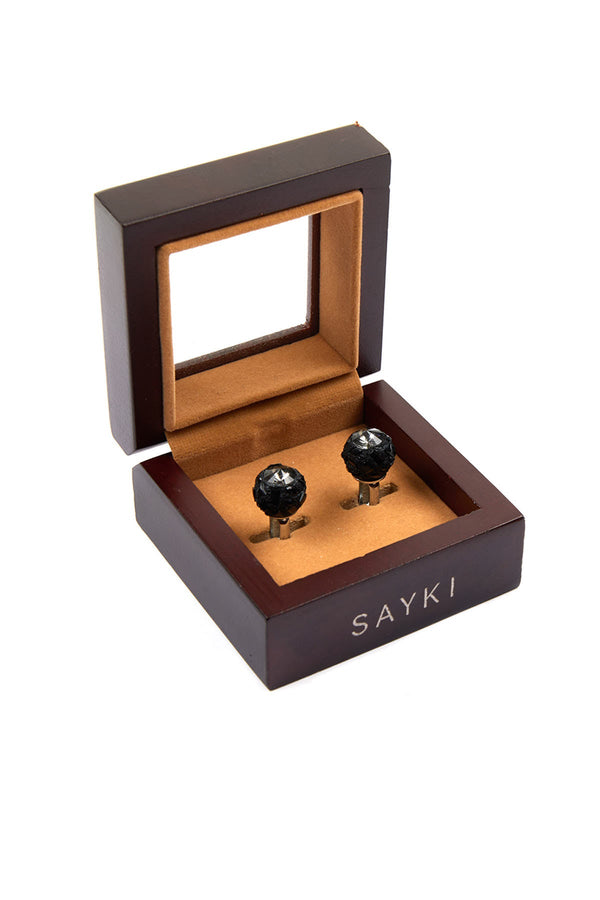
Complete Your Look with SAYKI Accessories
Suits and tuxedos, plus the full accessories range, starting from $199.90.
Shop Suits & TuxedosFAQ
A presidential fold (flat, straight across) is the most reliable for business. It's clean, legible, and works with any suit color.
Cufflinks only work on double-cuff or French-cuff shirts. A standard button-cuff shirt doesn't have the extra fabric for them.
Yes. Fabric lapel flowers in neutral tones work on blazers at dinners and parties. Enamel lapel pins are even more versatile and suit business blazers too.
Sets guarantee that the pieces coordinate. A tie, pocket square, and pin set removes the risk of mismatched textures or tones when you're new to accessorizing.
Pair a textured or patterned pocket square with a solid bow tie, or a solid pocket square with a patterned bow tie. Matching both to each other exactly looks deliberate in the wrong direction.
Strictly, a cummerbund or waistcoat covers the waistband of tuxedo trousers, which is a traditional expectation at black-tie events. For white-tie, it's required. For most formal dinners and weddings, it depends on the dress code on the invitation.