


14 min read


Contents
Entry-Level Job Attire: Dressing for the Role You Want
Most entry-level dress codes boil down to a few simple choices. The confusion comes from terms like business professional, business casual, and smart casual. This page clears up that confusion with practical, no-guesswork advice built around real first-job situations.
- Learn the exact dress code before you buy anything. Reach out to your recruiter or check the company's Instagram for visual clues.
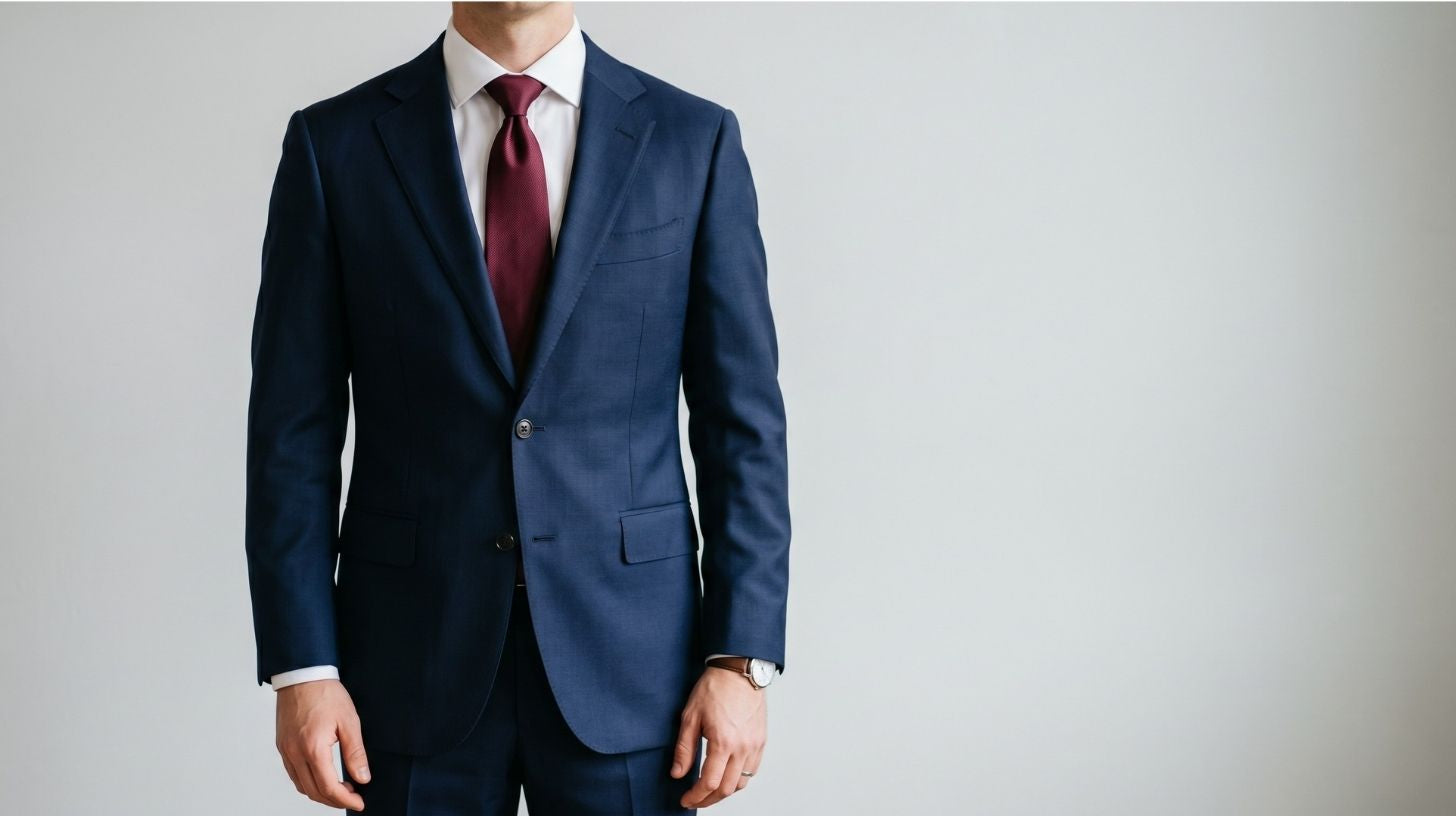
- Start with one versatile suit in navy or charcoal. It works for interviews, first days, and any meeting where you need to look sharp.
- Buy the suit instead of renting. You can get a quality suit for $199.90, the same price as a few rentals, and own it forever.
- Focus on fit first. Choose from Slim Fit, Regular Fit, Dynamic Fit, or Comfort Fit so the jacket and trousers move with you, not against you.
- Your shoes, belt, and socks finish the story. A polished shoe-and-belt combination instantly lifts even a simple chino-and-blazer look.
- Build a five-minute morning system. Two suits, three dress shirts, one blazer, and two pairs of shoes can get you through two weeks without repeats or panic.
If you are stepping into your first corporate job, a startup with a relaxed vibe, or a client-facing role that sits somewhere in between, this guide is meant for you. After reading, you will know exactly how to put together a wardrobe that fits the culture, fits your body, and fits a starting-out budget.
Why a Polished First Impression Can Set Your Career Trajectory
You have about seven seconds before a hiring manager, new manager, or colleague forms a lasting opinion. Wearing the wrong thing, or even wearing the right thing poorly, can make you seem careless before you have said a word. The stakes are real: a misread dress code can label you as immature or out of touch on a day when you need to be seen as a serious hire.
- You show up too casual because nobody told you the office is still jacket-and-tie. That mismatch reads as lack of preparation. The fix: always err on the side of slightly more formal for a first interview or first week, then adjust down once you observe the norm.
- You wear a newly bought suit without tailoring the sleeves or hemming the pants. The jacket rides up, the breaks puddle at your shoes, and suddenly you look swallowed. The fix: set aside $30 for basic alterations immediately.
- You rent a suit for every big meeting, hoping it will fit well enough. Rental cuts are generic; something always feels off. The fix: own a suit that starts at $199.90, the same as two or three rentals, so it shapes to you over time.
- Your shirt collar gapes because the fit is off. That gap kills the clean silhouette a suit is supposed to deliver. The fix: check collar fit by sliding one finger between collar and neck, if two fit, it is too loose.
- You wear dress shoes that pinch by noon. Pain shows on your face. The fix: invest in a single pair of well-made leather oxfords or derbies that mold to your feet; they will last years.
- You try to save money by wearing a mismatched jacket and trouser as a suit. In daylight, a navy blazer and black pants do not pass as a matched suit, they just look thrown together. The fix: own at least one proper suit, then use a separate blazer with contrasting chinos for a smart casual day.
Taking control of your outfit now removes friction from every first encounter. That quiet confidence carries through the handshake, the interview, and every project afterward.
How to Build Your Entry-Level Job Wardrobe Without the Guesswork
It is easy to feel overwhelmed when a dress code policy sounds like a foreign language. The steps below walk you through researching, selecting, and assembling pieces that work together, without requiring a fashion degree or a maxed-out credit card.
Step 1: Get the actual dress code in writing
Email your recruiter or hiring contact with a casual but respectful "I am looking forward to starting and want to make sure I am dressed appropriately, could you share a few tips on what most people wear day-to-day?" That question gives you clarity while showing you care. If that is not an option, scroll through the company's LinkedIn or Instagram for photos of team events. Count the jackets and ties: if nine out of ten men are in a suit and tie, you have your answer.
Step 2: Buy a suit you can wear to any interview or meeting
A navy or charcoal wool-blend suit is the single most useful piece you will own. It is appropriate for business professional offices, yet can be dressed down with an open collar and no tie for business casual. Starting at $199.90, a suit like this costs what you would spend on three prom rentals, but it stays in your closet for years. Choose a two-button, notch-lapel jacket with medium-width lapels; it looks current today and will still look current in five years.
Step 3: Pick the right fit for your frame
Fit transforms how the fabric sits on you. SAYKI offers four fits built for different physiques: Slim Fit for a tapered, close-to-body silhouette; Regular Fit for a classic, straighter cut; Dynamic Fit that blends a roomier chest with a sculpted waist for athletic builds; and Comfort Fit for more ease through the chest and midsection without losing shape.
Step 4: Build a core collection of dress shirts and ties
Start with two white and two light blue spread-collar shirts. They match every suit and practically every tie. Add one subtle stripe or micro-check pattern only after the basics are covered. For ties, choose silk in grenadine or repp weaves; a navy pin dot and a burgundy solid will cover you from presentation to networking drinks.
Step 5: Get the shoe-and-belt equation right
Dark brown or black leather oxfords with a goodyear welt can be resoled over and over. Match your belt leather color to your shoes, and pay attention to trouser break, a straight hem resting lightly on the top of the shoe looks intentional, not sloppy.
Step 6: Add a blazer for smart casual days
When the office is business casual, a navy blazer worn over a white shirt with beige chinos hits the sweet spot between too serious and too relaxed. The blazer signals "I made an effort" without the formality of a full suit.
Step 7: Layer knitwear for comfort and polish
A thin merino wool v-neck or crewneck sweater layered over a button-down shirt works under a blazer or on its own. Stick to neutral tones, charcoal, navy, camel, that blend with the trousers you already own.
Step 8: Do a five-minute visual check the night before
Hang your full outfit on a hanger: suit, shirt, tie, shoes. Check for wrinkles, loose threads, and deodorant marks. Press or steam if needed. That small habit eliminates morning panic and ensures you walk out looking put together.
By following these steps, you will own a system, not just a scattered collection of clothes. Getting dressed becomes automatic, so you can focus on doing great work.
Editor's Picks

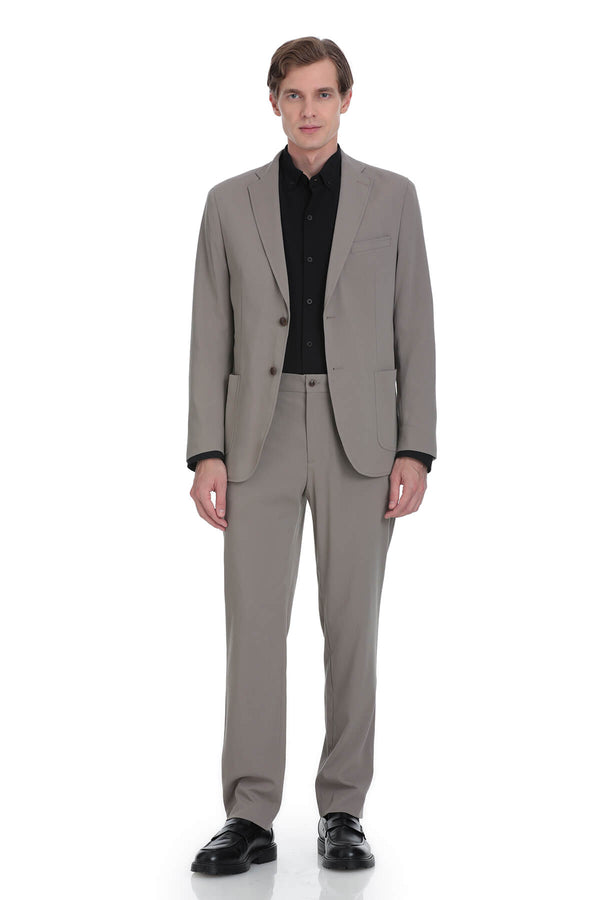
Start Your Career in the Right Suit
A navy or charcoal suit in four fits, ready for interviews and first days, starting at $199.90.
Shop SuitsEntry-Level Dress Code Blunders (and How to Sidestep Them)
Most new professionals make at least one of these mistakes during their first month, not because they do not care, but because the rules can feel invisible until you have broken them. Here is what goes wrong and exactly how to avoid it.
- Buying a suit and wearing it the next day without tailoring. Sleeves that cover your thumb or trousers puddling at the heel undermine an otherwise sharp look. Hem pants and shorten sleeves, most dry cleaners can do it in 24 hours for a small fee.
- Attempting to fake a suit with mismatched separates. A black trouser plus a blue blazer in different fabrics and textures is not a suit. If the dress code says suit, wear a matched jacket and trouser made from the same fabric.
- Choosing a novelty tie or statement belt buckle. That superhero tie or oversized rodeo buckle distracts everyone from what you are saying. Keep it classic: a simple silk knit or repp stripe tie and a modest leather belt with a small metal buckle.
- Wearing a visible undershirt with a dress shirt. A white crew neck peeking out from the collar looks unintentional. Choose a low-cut V-neck undershirt or go without on days when you will keep the jacket on.
- Forgetting the power of a pocket square. You do not need one, but a plain white cotton square folded flat adds a touch of polish that says "detail-oriented" without trying too hard.
- Over-applying fragrance. In a close meeting, strong cologne can overpower and even trigger allergies. One spray on the chest under your shirt is enough.
- Thinking business casual means shorts and canvas sneakers. In most professional settings, it still means long trousers, a collared shirt, and closed-toe leather shoes. When in doubt, chinos and a blazer are safer than chinos and a polo.
- Not rotating your shoes. Wearing the same leather shoes every day without shoe trees leads to deep creases and trapped moisture that shortens their life. Give them a day off between wears.
Knowing these common traps turns "what not to do" into "what you now control." Each avoided misstep makes your presence a little more polished.
How to Keep Your Work Clothes Looking Crisp Week After Week
A modest investment in daily habits protects the fit, color, and fabric of the suit you just bought. You do not need an elaborate routine, just a few small actions that add up to years of sharp looks.
- Air out your suit after every wear. Hang the jacket on a wide, contoured wooden hanger and let it breathe for at least a few hours before putting it back into the closet. This releases moisture and prevents odors from setting in.
- Dry clean only twice a season. Over-cleaning strips natural oils from wool and shortens a suit's lifespan. Spot-clean small marks with a damp cloth and brush away surface dust with a garment brush between cleanings.
- Steam instead of ironing. A handheld garment steamer relaxes wrinkles without the risk of shine or scorch marks on delicate wool and cotton shirting. Hold the steamer a few inches away and let gravity do the work.
- Use shoe trees and polish regularly. Cedar shoe trees absorb moisture and hold shape; leather cream or wax polish every two to three weeks keeps the finish nourished and prevents cracking.
- Store knitwear folded, not hung. Hanging a merino sweater or cardigan distorts the shoulders and stretches the body. Fold them in a drawer or shelf, ideally with cedar blocks nearby to deter moths.
- Rotate your suits and blazers. If you can afford a second suit or an extra blazer, alternate them. Spreading wear across two pieces triples the time before either needs replacement.
- Check buttons and seams weekly. Loose buttons and pulled seams are quick to fix if caught early. A small sewing kit at your desk or at home takes care of them in minutes.
Ten minutes of care every Sunday evening means every morning you pull on clothes that look and feel as confident as you do.
A Suit That Works as Hard as You Do, Starting at $199.90
When you are launching your career, an expensive suit can feel out of reach, and renting one over and over drains cash without ever giving you a garment that feels like yours. That is where a century of tailoring experience quietly tips the balance. SAYKI, the U.S. arm of Hatemoğlu, has been making menswear since 1924. Our flagship on Madison Avenue opened at 375 Madison Ave, New York, NY 10017, and today nine stores across NY, NJ, IL, MD, MA, VA, and PA bring that same craft to American shoppers.
Our suits start at $199.90. That is the price of a handful of rentals, except you keep it. Every suit we design comes in four fits, Slim, Regular, Dynamic, and Comfort, so you can match the cut to your shoulders, chest, and waist rather than forcing your body into a generic template. Use our store locator to find the location nearest you, where experts can help you check sleeve length, trouser break, and shoulder fit in minutes.
A job-ready wardrobe does not need to break the bank. When your suit costs what a few rentals cost, you can step into any room knowing you own the look, and that every wear after the first pays for itself.
Frequently Asked Questions
Business casual generally means a collared shirt, chinos or dress trousers, and leather shoes, no jacket required, but a blazer can be added for client-facing days. It is a step down from a full suit and tie, but still polished. Always check your office's interpretation by observing colleagues before going too relaxed. Many offices now lean toward a smarter version of business casual that blends a knit quarter-zip or merino sweater with wool trousers and loafers.
The shoulder seam should end exactly where your shoulder bone ends, no overhang. When buttoned, the jacket should lie flat without pulling at the button, and you should be able to slide one hand easily between your shirt and the chest fabric. Sleeves need to show about a quarter-inch of shirt cuff. The length should cover your seat and allow your hands to cup the hem naturally.
Measure your chest at the widest point under your arms, keeping the tape level. That number in inches is your suit jacket size; if you fall between sizes, round up. For trousers, measure around your natural waist, typically an inch below your navel, and check the brand's size chart. A quick in-store measurement by a specialist takes two minutes and removes the guesswork, especially if you are between fits like Slim Fit and Regular Fit.
A dependable entry-level wool or wool-blend suit starts around $199.90 to $350. At that price, you get a tailored garment that will last several years of regular wear if cared for properly. Above $500 you often pay for designer labels or higher-grade fabric that matters more for daily suits. For a first job, the sub-$250 range delivers outstanding value, especially when you buy instead of rent.
SAYKI offers suits starting at $199.90 in all nine U.S. stores and online. That includes classic navy, charcoal, and mid-gray wool blends. You get the same entry price whether you shop at the Madison Avenue flagship or an outlet like Woodbury Commons. It is a full suit, not separates, built with 100 years of tailoring heritage behind it.
Dry clean a suit no more than twice a year. Between cleanings, hang it on a wooden hanger to air out, brush off dust with a soft garment brush, and spot-clean small stains with a damp cloth. Over-cleaning strips wool fibers and causes limp, shiny fabric. A well-maintained suit that is worn once or twice a week needs only occasional professional cleaning.
With proper rotation and care, a sub-$250 wool-blend suit should serve you for three to five years of regular wear. Higher-quality pure wool suits often last a decade or more. The biggest factors are fit, dry cleaning frequency, and storage. Hanging on proper hangers and rotating with a second suit dramatically extends the usable life of your first investment piece.