


13 min read


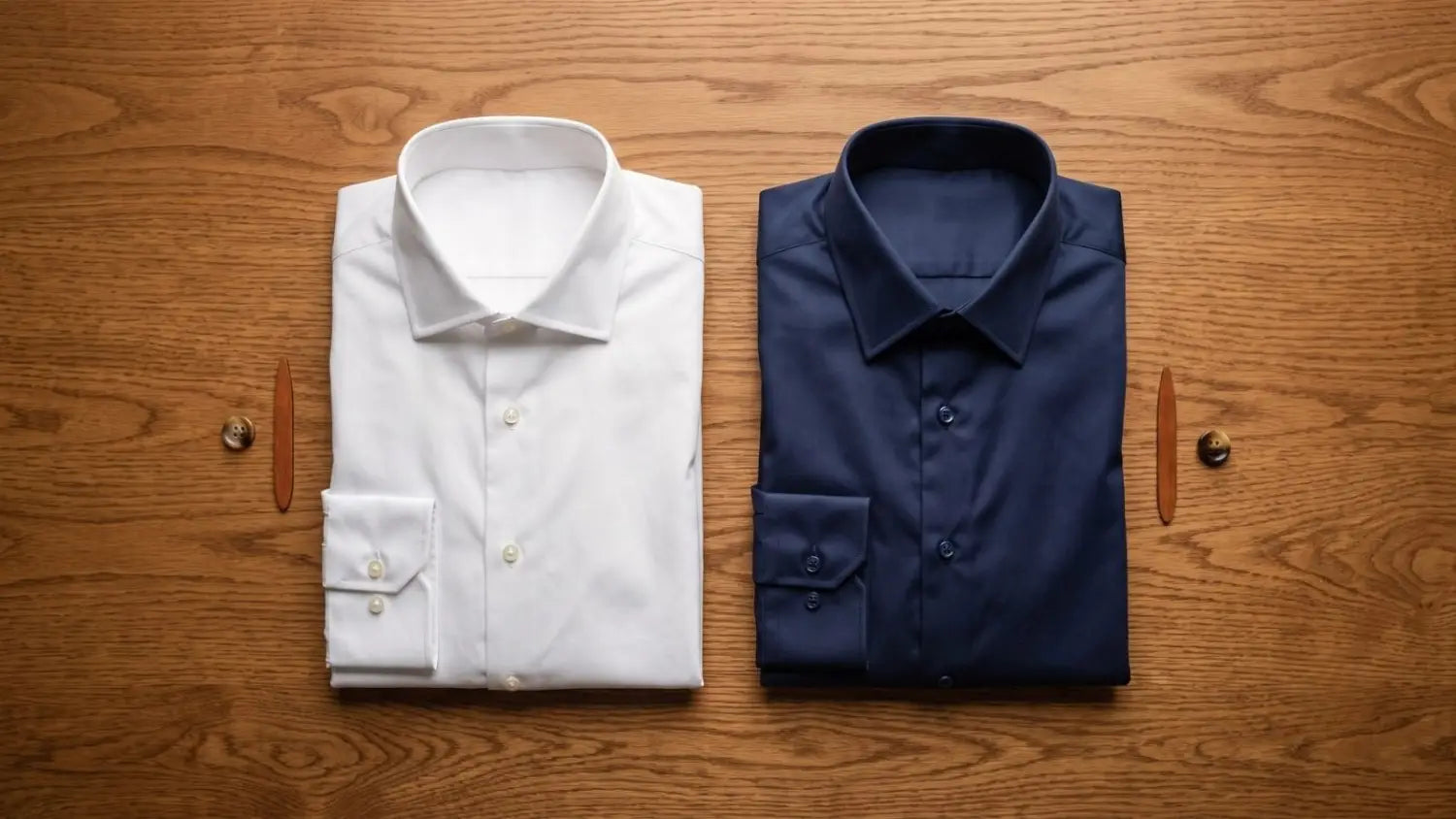
The fabric of a dress shirt shapes how it feels, how long it lasts, and how much effort it takes to keep looking sharp. The choice usually comes down to two options: pure cotton or a cotton blend. This guide breaks down the real differences so you can pick the right shirt for comfort, durability, and the way you actually live.
Contents
Understanding Pure Cotton Dress Shirts
A pure cotton dress shirt is made from 100% natural cotton fibers, with no synthetic materials woven in. Cotton has been the standard for quality shirting for centuries because of how it feels against the skin and how well it handles daily wear. The fiber breathes, absorbs moisture, and softens over time, which is why the best dress shirts tend to start with pure cotton.
Not all cotton is equal, though. Long-staple cottons such as Egyptian, Pima, and Supima use longer individual fibers that produce smoother, stronger, and more lustrous fabric. These finer cottons resist pilling, hold their color longer, and develop a soft hand feel that lower-grade cotton cannot match. When you see a premium shirt described by its cotton type, that detail tells you a lot about the quality you are paying for.
The Benefits of 100% Pure Cotton
The strongest case for pure cotton is comfort. The fiber is naturally breathable, so air moves through the weave and keeps you cooler during long days. Cotton also absorbs moisture rather than trapping it against the skin, which helps you stay dry in warm weather or high-pressure settings. On top of that, pure cotton is hypoallergenic and gentle, making it a reliable choice for sensitive skin.
Pure cotton also takes dye beautifully, producing rich, deep colors that hold up wash after wash. The fabric has a clean, matte finish that reads as refined and professional, exactly what you want in a shirt worn with suits or blazers. And because cotton softens with each wash, a good pure cotton shirt actually gets more comfortable the longer you own it.
Potential Drawbacks of Pure Cotton
The main trade-off with pure cotton is wrinkling. Natural fibers crease easily, so a 100% cotton shirt usually needs ironing or steaming to look its best, especially after washing or a long day of wear. If you travel often or have little time for garment care, this can feel like a chore.
Pure cotton can also shrink slightly the first time it is washed, particularly if it is not pre-shrunk or sanforized during manufacturing. Buying from a brand that pre-treats its cotton, and following the care label, keeps shrinkage to a minimum. Cotton shirts may also feel less forgiving in terms of stretch, since the fiber has little natural give compared to fabrics with a small amount of elastane.
Understanding Cotton Blend Dress Shirts
A cotton blend dress shirt combines cotton with one or more other fibers, most commonly polyester, and sometimes a small percentage of elastane for stretch. A typical blend might be 60% cotton and 40% polyester, or a cotton-rich mix with just 2 to 5% elastane. The goal of blending is to keep much of cotton's comfort while adding properties that pure cotton lacks, such as wrinkle resistance and added durability.
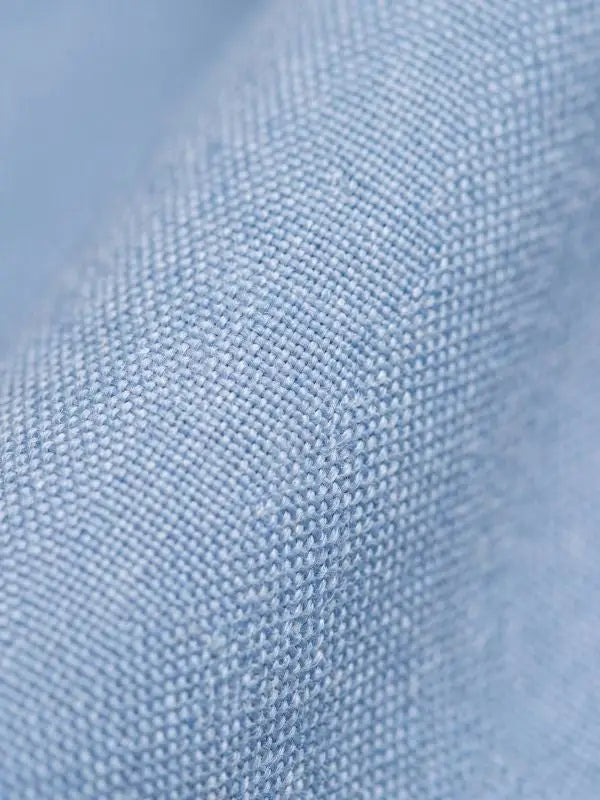
Blends span a wide range. A high cotton percentage keeps the shirt feeling natural and soft, while a higher synthetic content pushes the fabric toward easy-care performance. Knowing the ratio helps you predict how a shirt will behave, which is why the fabric composition on the label is worth checking before you buy.
The Benefits of Cotton Blends
The biggest selling point of a cotton blend is low maintenance. The synthetic content gives the fabric built-in wrinkle resistance, so the shirt comes out of the dryer or suitcase looking far smoother than pure cotton would. For frequent travelers or anyone who would rather skip the ironing board, this is a real advantage.
Blends also tend to be more durable. Polyester fibers add strength and resist stretching and fraying, so a blended shirt often holds its shape and survives more wash cycles. When elastane is part of the mix, the fabric gains a bit of stretch that improves the range of motion, which is especially useful in slim fit shirts that sit close to the body. Blends are usually more affordable too, making them a practical pick for building out a workweek wardrobe.
Potential Drawbacks of Cotton Blends
The trade-off comes in breathability. Synthetic fibers do not let air move as freely as cotton, so a high-polyester blend can feel warmer and trap heat during long or active days. People who run warm, or who wear their shirts in hot climates, often notice the difference.
Blends can also feel slightly different against the skin. While a cotton-rich blend stays soft, fabrics with more synthetic content may have a smoother, almost slick surface that some find less natural than pure cotton. Over time, lower-quality blends can pill or develop a faint sheen, and they generally do not soften with age the way pure cotton does.
Pure Cotton vs. Cotton Blend: A Direct Comparison
Both fabrics make excellent dress shirts, but they shine in different areas. The right pick depends on what matters most to you: natural comfort and breathability, or easy care and resilience. The cards below summarize the core character of each.
Breathability and Comfort
Pure cotton wins on breathability. The natural fiber allows air to circulate and pulls moisture away from the skin, keeping you cool and dry through long meetings, warm rooms, or summer events. Cotton blends with high synthetic content hold heat more, which can feel less comfortable in those same situations. If you prioritize all-day comfort and tend to run warm, pure cotton is usually the better call.
Durability and Longevity
Cotton blends generally have the edge in durability. The added polyester strengthens the weave, helping the shirt resist stretching, fraying, and wear over many washes. That said, a high-quality pure cotton shirt, especially one made from long-staple fibers, is still very durable and often lasts for years with proper care. The difference is that blends tend to hold their shape with less effort, while pure cotton rewards a bit more attention.
Wrinkle Resistance and Maintenance
This is where cotton blends clearly lead. The synthetic content resists creasing, so blended shirts look neat straight out of a suitcase or dryer with minimal ironing. Pure cotton wrinkles more readily and usually needs steaming or pressing to look crisp. If a low-maintenance routine is a priority, a blend or a wrinkle-resistant pure cotton finish will save you time.
Cold water protects color and limits shrinkage for both fabrics.
Low heat or air drying keeps fibers from contracting or weakening.
Iron cotton while slightly damp; use a lower setting on blends.
Hang shirts on shaped hangers to hold the collar and shoulders.
← Scroll horizontally to see full comparison →
| Feature | Pure Cotton | Cotton Blend |
|---|---|---|
| Breathability | Excellent, keeps you cool and dry | Moderate, can trap more heat |
| Comfort | Soft, natural, softens with age | Smooth, often with added stretch |
| Durability | Strong, best with long-staple cotton | Very strong, resists wear and stretching |
| Wrinkle Resistance | Low, usually needs ironing | High, looks neat with little effort |
| Maintenance | Higher, benefits from pressing | Lower, easy-care and travel-friendly |
| Best For | Premium comfort, warm weather, formal wear | Busy schedules, travel, everyday durability |
Editor's Picks
What Makes a Dress Shirt Truly Premium?
Fabric type is only part of the story. A genuinely premium dress shirt comes together through fiber quality, construction, and fit. Two shirts can both be 100% cotton, yet feel worlds apart depending on the grade of cotton and the care taken in making them.
Fabric Quality and Thread Count
The grade of cotton matters as much as the fiber itself. Long-staple cottons like Pima, Supima, and Egyptian produce smoother, stronger, longer-lasting fabric than standard short-staple cotton. Thread count and weave also shape the result: a higher thread count generally means a finer, softer fabric, while weaves such as poplin, twill, and oxford each bring a distinct texture and weight. A premium shirt pairs quality cotton with a weave suited to its purpose, from crisp poplin for formal looks to sturdy oxford for relaxed ones.
- – Shorter individual fibers
- – Slightly coarser hand feel
- – More prone to pilling over time
- – Common in everyday shirting
- + Longer fibers, fewer weak points
- + Smoother, softer, subtle sheen
- + Resists pilling, holds color longer
- + The mark of premium shirting
Tailoring and Fit
Even the finest fabric falls flat in a poorly cut shirt. Premium construction shows in clean seams, properly aligned patterns, sturdy stitching, and quality buttons that stay secure. Fit is just as important: the shoulders should sit right, the body should follow your shape without pulling, and the collar should frame the neck cleanly. A well-tailored shirt, whether a sharp slim fit shirt or a more relaxed cut, looks intentional and feels comfortable through a full day of wear.
Eco-Friendly and Sustainable Fabric Choices
Fabric choice carries an environmental footprint too, and it is worth weighing alongside comfort and care. Conventional cotton is a natural, biodegradable fiber, but it can be water-intensive to grow. Organic cotton addresses some of this by avoiding synthetic pesticides and often using more responsible water practices, which makes it a thoughtful option for shoppers who care about how their clothing is made.
Blends sit in a more complicated position. Polyester is a petroleum-based synthetic that does not biodegrade and can shed microplastics in the wash. At the same time, a durable blended shirt that lasts longer and needs less frequent replacement has its own kind of efficiency. Recycled polyester blends are emerging as a middle path, reusing existing materials rather than producing new synthetic fiber. For most shoppers, the most sustainable choice is simply buying well-made shirts that last, in fabrics suited to how they will actually be worn.
How to Choose the Right Shirt for Every Occasion
There is no single best fabric, only the best fabric for a given moment. Matching the shirt to the setting takes the guesswork out of getting dressed and ensures you look and feel right wherever the day takes you.

A crisp pure cotton dress shirt delivers the refined, matte finish and breathable comfort that formal wear calls for, keeping you cool through long ceremonies and dinners.
When the temperature climbs, cotton's breathability and moisture absorption keep you comfortable far better than a heat-trapping synthetic blend.
A wrinkle-resistant blend comes out of a suitcase looking sharp with little to no ironing, making it the practical choice for life on the move.
For a busy workweek, a durable, easy-care blend holds its shape through repeated wear and washing while keeping your routine low-maintenance.
For laid-back looks, both fabrics work well. A soft pure cotton casual shirt or a stretch-added blend each pairs easily with chinos and an open collar.
When you need range of motion and resilience, a blend with a touch of elastane moves with you and stays neat from morning to evening.
Whatever the occasion, building a wardrobe with a mix of both fabrics gives you the flexibility to dress right for any day. Browse SAYKI's range of dress shirts, sharp slim fit shirts, relaxed casual shirts, and formal tuxedo shirts to find the right fabric for every part of your life.
Find Your Perfect Dress Shirt
Explore our collection of premium pure cotton and easy-care blended dress shirts, tailored for comfort, durability, and a sharp finish.
Shop Dress ShirtsFrequently Asked Questions (FAQs)
Is 100% cotton better than a cotton blend for dress shirts?
Neither is universally better, it depends on what you value. Pure 100% cotton offers superior breathability, a soft natural feel, and a premium matte finish, which makes it ideal for comfort, warm weather, and formal wear. A cotton blend trades some breathability for easy care, adding wrinkle resistance, durability, and often a touch of stretch. If you prioritize comfort and a refined look, choose pure cotton. If you want low maintenance and travel-friendly resilience, a blend is the smarter pick. Many people keep both in their wardrobe.
Do pure cotton shirts shrink more than blends?
Pure cotton can shrink slightly, usually the first time it is washed, because the natural fibers contract with heat and water. Cotton blends shrink less since the synthetic fibers are more dimensionally stable. That said, most quality pure cotton dress shirts are pre-shrunk or sanforized during manufacturing, which keeps shrinkage minimal. Washing in cold water and air drying or using a low-heat setting will protect either fabric and keep your shirts fitting the way they should.
Which fabric is easier to iron for daily wear?
Cotton blends are easier to manage for daily wear because the synthetic content resists wrinkling, so they often need little or no ironing and look neat straight from the dryer or suitcase. Pure cotton wrinkles more readily and usually benefits from ironing or steaming to look crisp. If you want to minimize ironing while still enjoying cotton's feel, look for a cotton-rich blend or a pure cotton shirt with a wrinkle-resistant finish, which balances natural comfort with easy care.