


17 min read


You open the envelope, read "Dress Code: Black Tie Optional," and your brain starts cycling through questions. Is this a tuxedo event, or can a suit work? What if you are overdressed, or worse, the only guy who missed the memo? Those jitters are normal, and "optional" is actually permission to choose a sharp, intentional look instead of a mandatory uniform. This guide settles the confusion fast.
What's inside
A Black Tie Optional Invitation Just Landed. Now What Do You Wear?
"Optional" gives you permission to choose a sharp, intentional look instead of a mandatory uniform. A handful of practical pointers settle the confusion fast:
- Read the invitation's tone and time. An evening wedding at a ballroom suggests tuxedo territory; a 5 p.m. cocktail reception on a rooftop leans toward a dark suit.
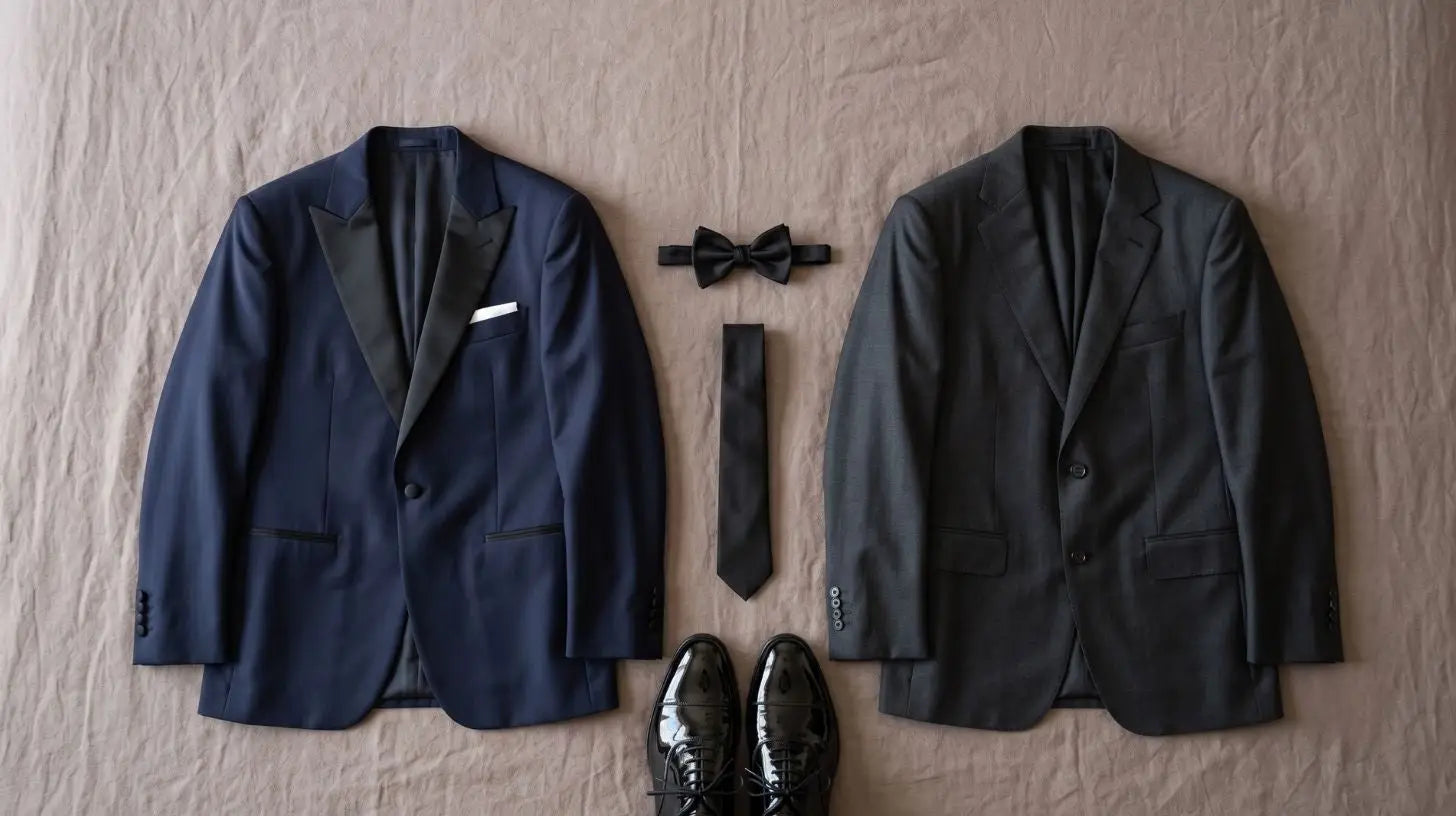
- Choose your weapon: tuxedo or dark suit. Both are correct, but a midnight blue or charcoal suit offers more re-wearability while a tuxedo sets the highest formal bar.
- Fit beats the label every time. A well-tailored suit in Slim Fit or Regular Fit will out-shine a rental tux that hangs off your shoulders.
- Accessories anchor the look. A crisp white spread-collar shirt, a black silk bow tie or slim necktie, and patent leather shoes tie everything together.
- Season guides fabric and layers. Velvet or a wool overcoat for winter; lightweight wool or a breathable blazer for summer evenings outdoors.
- Footwear rules are non-negotiable. Black Oxfords or patent loafers only. No brown, no boots, no sneakers.
- You don't have to rent. A well-made tuxedo or suit starts at $199.90, roughly the price of a single rental, but you keep it for every future occasion.
- When in doubt, ask the host. A quick text clears up ambiguity faster than any forum, and it shows respect.
Whether you are a wedding guest, a prom-goer facing a formal invite, or someone stepping into a charity gala for the first time, by the end you will know whether a tuxedo or a dark suit makes sense, how to pick one that fits, and which pitfalls to avoid. The two-look split sits at the heart of this decision, and we cover it in full in our When to Wear a Tuxedo vs a Suit: A Complete Decision Guide.
Why Getting Black Tie Optional Wrong Can Ruin Your Evening
Showing up underdressed can make you feel like you crashed the party. On the flip side, an ill-fitting rental tuxedo that you fidget with all night broadcasts discomfort just as loudly. The real risk is easy to sidestep when you know what to look for.
- You walk in wearing a rumpled blazer and chinos while everyone else is in velvet or sharp worsted wool. The fix: default to a dark, tailored suit or a tuxedo the moment you suspect the room will lean formal.
- Your rental tuxedo fits like a cardboard box because you grabbed the cheapest option. Instead, buy a tuxedo at the same price point, $199.90, and have it altered so it moves with you, not against you.
- You confuse black tie optional with full black tie and stress over a cummerbund. Skip the cummerbund and focus on a modern tuxedo or a dark suit with a clean white shirt and a black bow tie or tie.
- A mismatched belt or scuffed shoes ruin every photo. Keep a simple checklist: black leather belt (if your trousers have loops), polished black shoes, and no visible logos.
- Cold weather catches you without a plan. A wool overcoat or sharp blazer over your suit keeps you warm and looks intentional, not like you forgot to check the forecast.
- You assume "optional" means casual and show up in a patterned tie and brown loafers. Even when suits are allowed, the room expects a higher level of formality. A black knit tie or a subtle silk bow tie preserves the tone.
- You treat the outfit as a one-night stand. A tuxedo or quality suit you own will serve weddings, galas, and holiday parties for a decade. When buying starts at the same price as renting, the long-term math is hard to ignore.
- The jacket gaps at the chest or the sleeves swallow your hands. Bad fit erases every other detail. Prioritize shoulder fit, jacket length, and sleeve length above all else.
- You forget that a charcoal or midnight blue suit, worn well, can hold its own in a black-tie-optional crowd. Add a crisp white shirt, a subtle pocket square, and confidence, and you are set.
Once you see how few moving parts actually matter, the dress code stops being a puzzle and starts being an opportunity.
How to Choose the Right Black Tie Optional Outfit in a Few Simple Steps
Staring at a closet full of clothes and still feeling you have nothing to wear is a common side effect of this dress code. A step-by-step path cuts through the second-guessing.
Decode the venue and time
Ballroom or gallery at 7 p.m. nudges toward a tuxedo. A 5 p.m. rooftop cocktail hour says a dark suit is fine.
Pick tuxedo or dark suit
Own a tux? Wear it. If not, charcoal, midnight blue, or navy in a refined wool does the job beautifully.
Nail the shirt and accessories
White spread-collar shirt for both. Bow tie with a tux, slim black silk or knit tie with a suit.
Lock in the fit, then layer and check
Get the shoulders right, add black Oxfords, an overcoat for winter, and do a final mirror pass before you leave.
Step 1: Decode the invitation and venue
Look beyond the words "black tie optional." Does the invitation mention a ballroom, an art gallery, or a country club? Evening ceremonies in elegant indoor spaces nudge you toward a tuxedo. A garden party or early-evening rooftop cocktail hour suggests a dark suit is completely appropriate. If the time is 5 p.m. or earlier, a suit often aligns better with the daylight-to-dusk transition.
Step 2: Decide between a tuxedo and a dark suit
If you own a tuxedo, wear it. You will never be judged for being too polished at a black-tie-optional event. If you don't, a charcoal, midnight blue, or navy suit in a refined fabric (think lightweight wool or a subtle sharkskin) does the job beautifully. Ask yourself: do I want to stand with the most formally dressed guests or keep a slightly lower profile? Either choice is correct as long as the fit is impeccable.
- Leaning tuxedo? Peak lapel or shawl collar in black or midnight blue.
- Leaning suit? Two-button, notch or peak lapel, no shiny finishes.
Step 3: Nail the shirt and accessories
A white dress shirt with a spread collar works perfectly with both tuxedos and dark suits. For a tuxedo, add a black silk bow tie (preferably self-tie) and a simple white pocket square. If you are wearing a suit, swap the bow tie for a slim black silk necktie or a refined black knit tie. Cufflinks are optional but add polish; keep them silver or mother-of-pearl. The shirt itself carries more weight than most men expect, which is why we break down collars, fabrics, and studs in our What Shirt to Wear with a Tuxedo, A 2026 Guide for Men.
Step 4: Choose footwear that keeps the room's respect
Patent leather Oxfords are the gold standard for tuxedos. A highly polished pair of black cap-toe Oxfords works for suits. Avoid square-toe shapes, heavily brogued wingtips, and anything with a contrasting sole. Your belt (if worn) must match the shoes in color and finish.
Step 5: Lock in a fit that looks like you own it
The real magic happens in the shoulders, chest, and sleeves. The jacket shoulder should end exactly where your shoulder bone ends, with no overhang. The top of the sleeve should allow a shirt cuff to show about a quarter inch. Across fits, here is where you start:
- Slim Fit: A narrow, modern shape that hugs the torso without pulling. Best if you prefer a tailored silhouette.
- Regular Fit: A classic cut with comfortable room in the chest and waist. Works for most body types.
- Dynamic Fit: Designed for athletic builds, broader shoulders and chest, still tapered through the midsection.
- Comfort Fit: Generous through the body for a relaxed feel without looking oversized.
If you are between sizes, always buy the size that fits your shoulders and let a tailor adjust the waist and sleeves.
Step 6: Add a thoughtful outer layer
For fall and winter events, a wool overcoat or a car coat in charcoal, navy, or camel keeps you warm and adds a sophisticated frame around your suit or tuxedo. In spring or summer, a crisp blazer in a lightweight fabric can serve as both your outer layer and a way to transition into the party.
Step 7: Weigh the buy-versus-rent decision
Think about the next year's social calendar. If you will attend even one more formal wedding, gala, or prom, buying a tuxedo makes financial sense. Rentals often run $150 to $250 for a single use, and the fit is rarely perfect. At $199.90, you can own a tuxedo that gets altered precisely to your body and stands ready in your closet. No midnight pickup stress, no last-minute hem adjustments.
Step 8: Do a final mirror check
Stand back and scan from top to bottom. Any wrinkles? Use a steamer, never a dry iron on wool. Trouser break? A slight break or no break is the modern formal standard. Collar lying flat? Check. And one last thing, cut the tag off the sleeve if you just bought the jacket. You are ready.
With this path, you are not guessing. You are making a few confident choices and walking out the door knowing you got the code right.
Editor's Picks
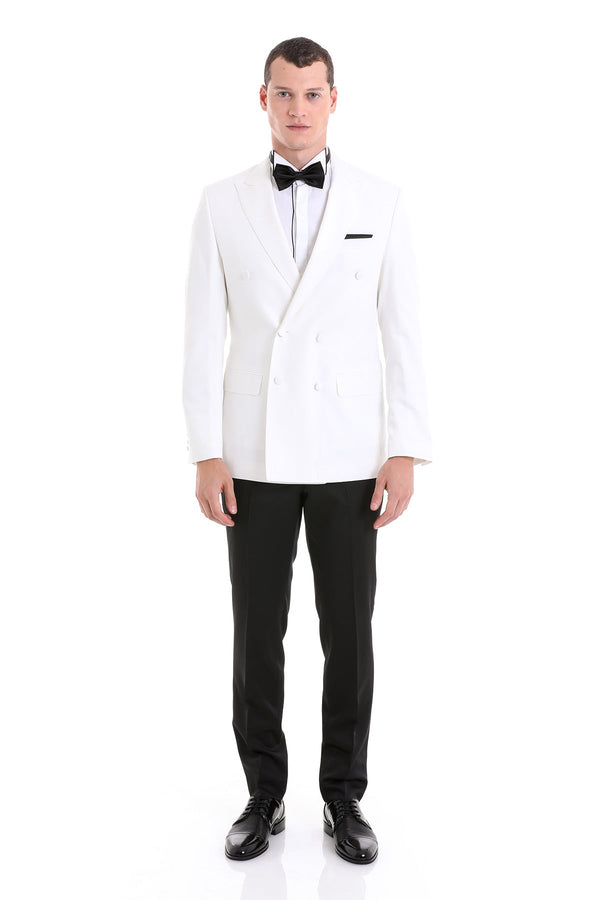
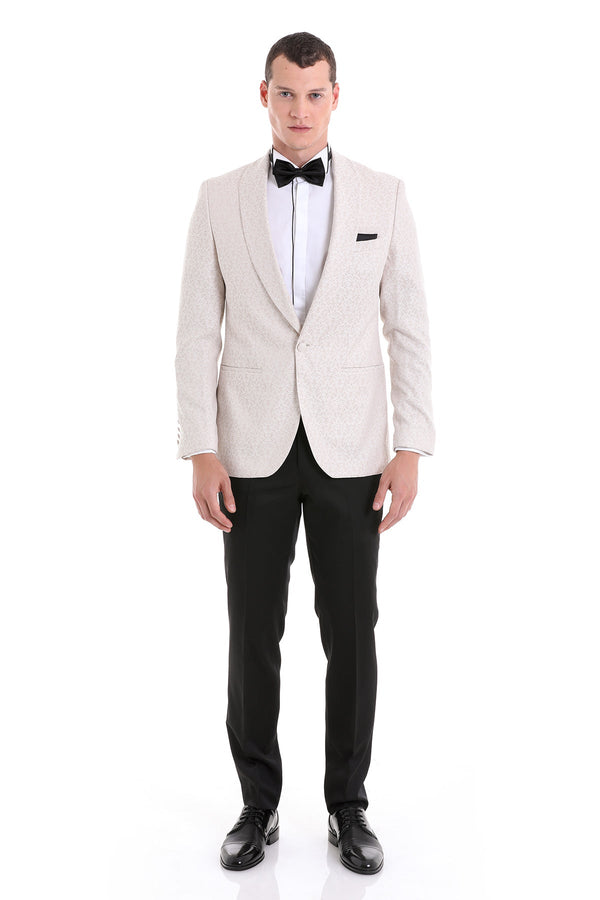
Own Your Black Tie Optional Look
Tuxedos and dark suits built to fit, starting at $199.90, ready for every invitation that follows.
Shop TuxedosBlack Tie Optional Mistakes That Show Up in Every Photo
Even well-dressed men trip over black-tie-optional invitations because the guidelines sit in a gray area. The most common missteps are easy to sidestep once you see them.
- Wearing a standard business suit with a bright tie. That navy two-piece you wear to the office looks out of place when the room still expects real formality. Swap the business tie for a black silk necktie or bow tie, and make sure the suit itself is a deep, rich shade with texture.
- Grabbing a rental tuxedo that was never fitted properly. Baggy sleeves, a drooping crotch, and a jacket that boxes your torso scream "I picked this up in a hurry." Instead, invest in a tuxedo at a similar price and spend a few dollars on tailoring.
- Adding a colorful bow tie or novelty vest. Black tie optional isn't a fashion experiment. Keep the bow tie black, silk, and classic. Any personality you want to show goes into the pocket square, and even that should be quiet.
- Pairing brown shoes with a tuxedo or dark formal suit. The black-tie tradition demands black shoes. Brown Oxfords, however beautiful, break the visual harmony and signal you didn't check the dress code.
- Choosing a wing-collar shirt with a tuxedo. Wing collars belong to full-dress white-tie affairs. A spread or point collar is the modern, safe choice that flatters nearly every face shape.
- Ignoring trouser length. Pants puddling over your shoes look sloppy; a high-water hem looks accidental. Aim for a slight break or a clean "no break" hem that brushes the top of the shoe.
- Assuming you need a cummerbund or vest to complete the look. They are optional for a reason. If you wear one, ensure it fits snugly and doesn't poke out below the jacket. Otherwise, a sleek, single-breasted tuxedo with no waist covering is just as proper.
- Forgetting to remove the jacket basting stitch or vent tack. Those white threads are meant to be cut. Leaving them on announces that you are in a borrowed or brand-new garment you haven't made your own.
- Not syncing with your date or the host. A quick conversation about what the couple or the host envisions aligns expectations. It is the simplest way to eliminate anxiety before the event.
Every mistake you dodge becomes a layer of quiet confidence, the kind that makes you look and feel like you have been doing this for years.
How to Keep Your Black Tie Optional Outfit Ready for the Next Invitation
A tuxedo or fine suit you own isn't a one-time wonder. Treat it right and it will stand by you through weddings, galas, and New Year's Eve for a decade or more.
- Spot clean and steam, don't dry clean after every wear. Brushing away dust and using a handheld steamer removes odors and light wrinkles without stripping natural fibers. Reserve dry cleaning for noticeable stains or once a season, whichever comes first.
- Store on a wide, curved wooden hanger. A sturdy hanger preserves the shoulder shape and prevents creases. Always use a breathable garment bag, never the plastic bag from the dry cleaner, which traps moisture.
- Brush the jacket and trousers after each wearing. A soft clothes brush lifts surface dirt and lint before it settles into the weave. This small habit extends the life of the fabric considerably.
- Press trousers carefully or use a steamer. For a sharp crease, use a pressing cloth between the iron and the wool. For quick touch-ups, a steamer relaxes fibers without shine.
- Give your formal shoes rest and structure. Alternate between formal events, and insert cedar shoe trees after each wear to absorb moisture and hold shape. Polish them before storing so they are ready to go.
- Check for loose threads and dangling buttons. A five-minute inspection when you hang the item prevents an embarrassing button-pop during your next dance floor moment.
- Don't neglect the shirt. Launder your formal white shirt according to its label, remove collar stays before washing, and hang it immediately to minimize wrinkles. Light starch adds crispness if that's your preference.
Thirty minutes of care after each event saves you hours of panic later, and keeps the outfit looking as sharp as it did the first time you wore it.
How SAYKI Makes Owning a Black Tie Optional Wardrobe Simple, Since 1924
The biggest headache with "black tie optional" isn't the dress code itself. It is finding a tuxedo or suit that fits well without resorting to a rental that never quite feels like yours. That is where a heritage of exacting menswear changes the equation.
SAYKI is the U.S. arm of Hatemoğlu, a family-run company that has been outfitting men since 1924. Over 100 years of hands-on experience taught us that formalwear shouldn't be a compromise. From our flagship at 375 Madison Avenue in New York City to nine stores across New York, New Jersey, Illinois, Maryland, Massachusetts, Virginia, and Pennsylvania, we have helped thousands of men walk into weddings, prom nights, and galas with a piece they own and trust, not a temporary loaner. You can find your nearest location on our store locator.
Tuxedos and suits start at $199.90, the same ballpark as a typical U.S. rental. But when you buy, that garment becomes yours. You can have it tailored to your shoulders, your chest, your exact sleeve length. Our formalwear comes in Slim Fit, Regular Fit, Dynamic Fit, and Comfort Fit, so whether you want a razor-sharp silhouette or a more relaxed classic line, you will find a cut that moves with your body instead of fighting it. For the full walkthrough of styles, fabrics, and fit, see our Complete Tuxedo Buying Guide for Men.
When you own your black-tie-optional outfit, you are not paying for a single evening. You are investing in every future event. No deadline pressure, no last-second return runs, just a closet that is always ready when the next invitation arrives.
Frequently Asked Questions
What should a man wear to a black tie optional wedding?
Either a tuxedo or a dark suit works, but the decision should follow the venue and time. An evening ceremony at a grand hotel calls for a tuxedo; a late-afternoon garden wedding leans toward a charcoal or midnight blue suit. Add a white spread-collar shirt, a black bow tie or slim necktie, and polished black shoes. When in doubt, a tuxedo is always the safer, more respectful choice.
Can I wear a dark suit instead of a tuxedo to a black tie optional event?
Absolutely. A well-fitted suit in charcoal, midnight blue, or deep navy meets the dress code fully. The key is keeping the accessories formal: white shirt, black necktie or bow tie, black leather shoes, and no loud patterns. This option is especially smart if you will re-wear the suit for business or other occasions.
What is the difference between a tuxedo and a suit for a formal event?
The main distinctions are the lapel facings and the trouser details. A tuxedo typically features satin or grosgrain on the lapels, buttons, and a side stripe down the trousers. Suits lack those details and usually have self-fabric buttons. For black tie optional, a suit without satin is still completely appropriate, just keep the overall look refined and dark.
Is it worth buying a tuxedo instead of renting one for a black tie optional event?
If you will attend more than one formal affair in the coming years, buying is often the smarter financial move. Rentals can cost $150 to $250 per use, rarely fit perfectly, and come with tight return windows. A tuxedo priced at $199.90 that you own can be altered to your exact measurements and worn again without additional cost. Over two or three events, you are already ahead.
What color suit or tuxedo works best for a black tie optional occasion?
Midnight blue and charcoal are the top performers. Midnight blue reads as black under warm indoor light but offers a subtle depth that photographs beautifully. Charcoal gray strikes a refined, modern note. True black tuxedos are classic and universally safe. Avoid light gray, brown, or bright blue, which can feel too casual once the room fills with formal attire.
How should a tuxedo fit properly?
The jacket shoulders should align with your natural shoulder line, and the top button must close without pulling. The sleeves should end right at the wrist bone, showing about a quarter inch of shirt cuff. Trousers should sit at your natural waist and break lightly over the shoe or create a clean horizontal line with no break. Prioritize these anchor points over the tagged size, because every body is different.
Where can I buy a suit for under $200?
SAYKI offers suits and tuxedos starting at $199.90, right at the threshold. That price point gives you a garment you own and can tailor, not a rental that gets returned after one night. With stores in New York, New Jersey, Illinois, Maryland, Massachusetts, Virginia, and Pennsylvania, plus online, you can try on fits in person or order from home and have the piece adjusted locally.