


14 min read


Contents
Polishing Your Tuxedo Look: The Accessories That Make It Yours
Here is the short list of what actually matters once the jacket fits.
- Know when a black bow tie is non-negotiable, and when you can experiment with shape or texture.
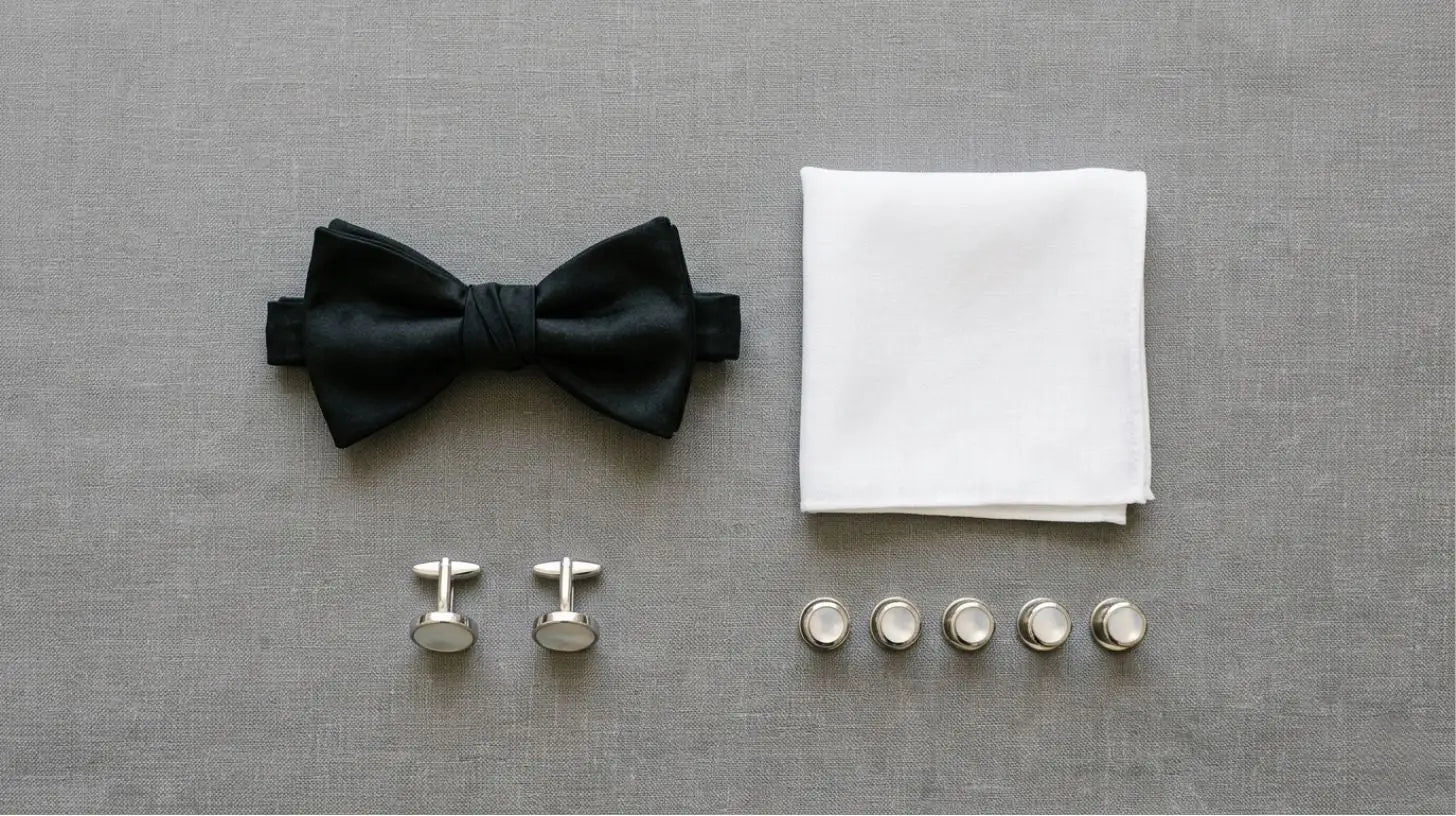
- Match your shirt studs and cufflinks to the metal of your watch, not just each other.
- Use a cummerbund if the event is strictly black tie, a waistcoat if you are buying a three-piece or prefer more structure.
- Fold a white linen pocket square flat. The TV fold is the safest, sharpest choice for black tie.
- Skip the belt entirely. Tuxedo trousers are designed for suspenders or a clean waist.
- Let your boutonniere be a single understated bloom, not a bouquet.
- Choose patent leather or well-polished calf Oxfords, never brogues or square toes.
- Commit to cotton or silk socks that stay up over the calf, so no skin shows when you sit.
This is most useful if you are attending a formal wedding, prom, gala, or any event where the dress code says black tie. If you have not settled on the tuxedo itself yet, start with our Complete Tuxedo Buying Guide for Men. After reading, you will walk into that event knowing every detail is right, not guessing.
Why Your Tuxedo Accessories Decide Whether You Look Polished or Out of Place
One wrong detail, a pre-tied bow tie that droops, a belt cutting your silhouette, or sneakers peeking out, can shift you from elegant to awkward in a single photograph. The stakes are high because these events are often once in a lifetime. Get the accessories right, and you own the room.
- You wear a black suit and call it a tuxedo. If the lapels are not satin-faced and the trousers lack a side stripe, most black suits fall short. Accessories can reinforce the tuxedo look, but they cannot fix a suit pretending to be one.
- You rent the whole package, tux and all add-ons. Rental studs and cufflinks are often dull, scratched, and generic. Owning your own set, even a simple silver pair, instantly upgrades the feel. When you buy a SAYKI tuxedo from $199.90, the same as renting, you can put the money you would spend on rental fees toward quality accessories you will use again.
- Your prom photos show a cummerbund sliding down. A cummerbund worn too low or pleats-down looks sloppy. Wear it at your natural waist, pleats facing up, and adjust it to stay put all night.
- A flashy watch shouts over your tux. A chunky smartwatch or metal bracelet pulls the eye away from the crispness of your look. A slim dress watch on a black leather strap, or no watch at all, keeps the focus where it belongs.
- You pair a wing-collar shirt with a pre-tied bow. Wing collars were designed for self-tied bows to fill the gap. A turndown collar is more forgiving and pairs perfectly with both.
- Your pocket square matches your date's dress aggressively. A perfect color match often feels contrived. A clean white linen pocket square complements everything without upstaging.
- You show up in a pre-tied bow that is shiny polyester. Matte silk or a fine grosgrain weave looks intentional; high-gloss polyester reflects flash and reads as rental.
- You ignore the trouser break. Tuxedo trousers should end with a slight break or no break, resting just above the shoe. Too much fabric pooling over your Oxfords undermines the tailored line.
When you fix those details, the tuxedo stops being something you borrowed. It starts being something you own.
How to Choose Your Tuxedo Accessories: A Real-World Step-by-Step Guide
You are standing in front of a mirror, or scrolling last-minute, and the sheer number of choices feels like a test you did not study for. This path takes the pressure off, so your decisions build on each other instead of clash.
Step 1: Lock in the Bow Tie or Necktie First
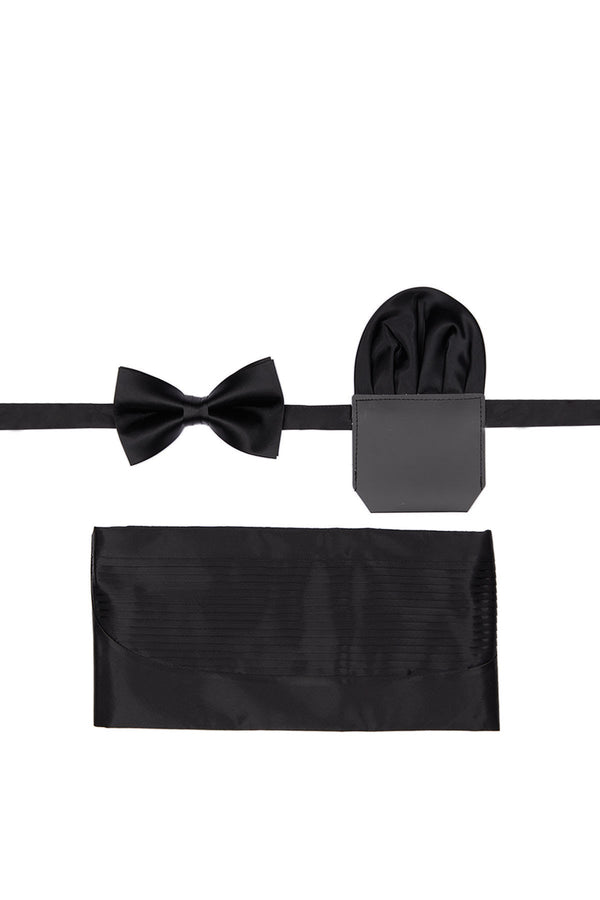
Read the invitation. If it says black tie, a black silk bow tie, self-tied or well-made pre-tied, is non-negotiable. For prom or creative black-tie weddings, a midnight blue or textured silk bow can add personality, but nothing should distract from the face. Avoid long neckties with a tuxedo; they break the vertical line. A self-tied bow looks slightly imperfect, human, and always in good taste; a pre-tied one is acceptable if the strap is adjusted and the silk is matte.
Step 2: Get the Formal Shirt Right
A tuxedo shirt is not just a white dress shirt. Look for a bib front, pleated or marcella, and either a turndown or wing collar. Turndown collars are the safer, modern choice and look natural with any bow tie. The cuffs must be French cuffs that fold back and accept cufflinks. A hidden-button placket keeps the focus on the studs.
Step 3: Pick Your Studs and Cufflinks as a Pair
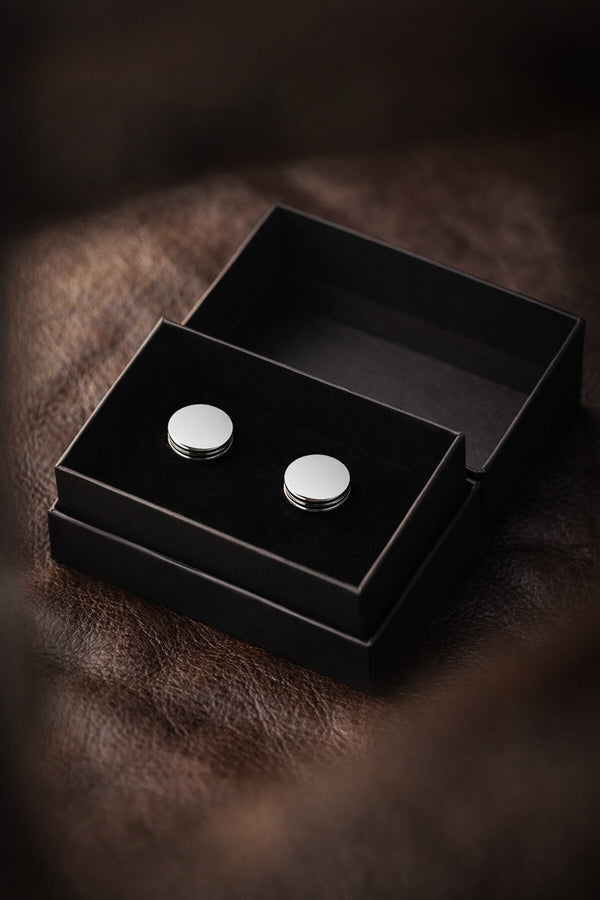
Treat studs and cufflinks as a set, not two separate decisions. Silver with a black bow tie is the default that never fails. Mother-of-pearl brings warmth to a vintage-inspired look. If you are building a kit over time, start with simple black onyx or gunmetal. Never mix gold and silver in the same look. If your watch has a silver case, match studs and cufflinks to silver.
Step 4: Decide Between a Waistcoat and Cummerbund
Both cover the gap where the shirt meets the trousers, a black-tie no-no. A cummerbund, worn pleats-up, is the minimalist option and disappears when the jacket is buttoned. A low-cut black waistcoat adds formality and creates a longer line. If you are wearing a three-piece tux, skip the cummerbund. Ask yourself whether you want an unbroken vertical line or the extra layer that feels like armor; either works.
Step 5: Fold Your Pocket Square with Purpose
A pocket square is not optional; an empty breast pocket on a tux looks unfinished. Take a white linen square and fold it into a crisp TV fold, a flat horizontal line. It is sharpest for black tie. For a whisper of color at a wedding, a linen square with a thin navy or burgundy edge folded into a gentle puff is permissible, but do not let it compete with the bow tie. Snip the basting stitch on a new square before you fold.
Step 6: Lace Up the Right Shoes
Footwear anchors the entire silhouette. Patent leather wholecuts or cap-toe Oxfords are the standard. If patent is not your style, a well-polished black calf Oxford with a slender toe works. No loafers, no brogues, no derbies. Take five minutes to buff them before the event, even if they are new.
Step 7: Support the Trousers with Suspenders, Never a Belt
Tuxedo trousers do not have belt loops. They use inside-waistband buttons for suspenders or adjustable side tabs. Always choose button-on suspenders; clip-ons can slip and damage the fabric. The result is a clean, unbroken line from jacket hem to shoe. A belt is the quickest way to announce you are new to black tie.
Step 8: Finish with Grooming and Understated Details
Over-the-calf socks in black silk, cotton, or fine wool blend ensure no skin shows when you cross your legs. A boutonniere, a single carnation or small ranunculus, goes through the left lapel buttonhole, never pinned to the pocket square. Tradition says no watch at black tie, but if you wear one, a slim dress watch on a black leather strap is the only acceptable choice.
Black-tie accessory checklist
- ✓Black silk bow tie, self-tied if you can
- ✓Bib-front tuxedo shirt with French cuffs
- ✓Matching studs and cufflinks, one metal
- ✓Cummerbund or low-cut waistcoat, never both
- ✓White linen pocket square, flat TV fold
- ✓Patent or polished calf Oxfords, buffed
- ✓Button-on suspenders, no belt
- ✓Over-the-calf black socks
Now you have a checklist that eliminates guesswork, no more standing in the mirror second-guessing.
Editor's Picks
Start With a Tuxedo, Then Make It Yours
SAYKI tuxedos start at $199.90 in four tailored fits, so the money you save on renting goes toward accessories you keep.
Shop TuxedosTuxedo Accessory Mistakes Everyone Notices in Photos
Even well-tailored tuxedos get overshadowed by small missteps. These are the ones photographers and grandmothers spot first. Knowing them is half the battle.
- Wearing a pre-tied bow tie that is lopsided or shiny polyester. If you go pre-tied, adjust the strap so it sits flat; matte silk or grenadine reads richer and more intentional.
- Mixing black and brown leather. Black shoes and a brown belt clash violently. Since you should not wear a belt with a tux, leave the belt at home and wear black Oxfords.
- Letting a white undershirt peek through. A formal shirt is thin. Wear a V-neck undershirt that stays invisible behind the bib; a crew neck will show and cheapen the look.
- Buttoning the bottom button of a waistcoat. Always leave it undone, same rule as a suit jacket. Fastening it creates an awkward pull across the stomach.
- Leaving the pocket square stitching in place. New squares come with a basting stitch. Snip it off; otherwise the square will not settle naturally and the thread catches the light.
- Choosing a colorful or oversized pocket square that fights the bow tie. The bow tie is the focal point. Let the pocket square be its visual sidekick, white, flat, and calm.
- Wearing a watch with a metal bracelet or chunky face. A dive watch bulging under a French cuff ruins the line. A classic round dress watch on black leather disappears quietly beneath the sleeve.
- Clipping your boutonniere to the pocket square. The flower belongs through the lapel buttonhole on the left side. Pinning it to the pocket fabric puckers the chest and looks amateur.
- Pairing a tux with a backpack or casual messenger bag. Arrive with as little baggage as possible. If you must carry something, a slim leather portfolio works.
Once you know what to avoid, confidence replaces uncertainty. You are not just dressed; you are dressed right.
Keeping Your Tuxedo and Accessories Ready for the Next Event
A tuxedo is an investment, and the accessories are the details that make it feel truly yours. Proper care means they look as sharp on the fifth wear as on the first, and you avoid a last-minute scramble when another invitation lands.
- Hang your bow tie untied after each use. Keeping a self-tied bow tied creases the silk permanently. Untie it, let it rest flat or loosely rolled, and reshape it before the next wear.
- Polish patent leather with a soft cloth and a drop of water. Traditional wax polish dulls the high-gloss finish. For calf Oxfords, use a matching cream polish and a horsehair brush, then buff.
- Wipe cufflinks and studs with a microfiber cloth before storing. Fingerprints and humidity cause tarnish. A gentle rub removes oils, and a lined box prevents scratching.
- Spot-clean a cummerbund gently, then roll it for storage. A barely damp cloth tackles a small mark; heavy scrubbing damages the silk. Rolling avoids permanent crease lines.
- Dry clean the tuxedo only once a season, or less. Over-cleaning wears out the wool and can lift the satin facing. Hang it in a breathable garment bag and use a steamer to release wrinkles.
- Remove a boutonniere promptly and air the lapel. Real flowers leave moisture and pollen. Slide the stem out as soon as you are home, then let the fabric breathe overnight.
- Store cufflinks and studs away from direct sunlight. Mother-of-pearl and natural stones can fade or yellow under UV. A drawer or dark box preserves their color.
A few quiet minutes caring for your kit after the party saves you from a costly, rushed scramble before the next one.
SAYKI: A Tuxedo You Own, Priced Like a Rental, Since 1924
The best accessories start with a tuxedo that fits you properly and looks expensive without the price tag that keeps you up at night. That is the problem SAYKI solved when it brought over 100 years of menswear expertise to the U.S. Founded in 1924 as Hatemoğlu, a third-generation family company, SAYKI opened its American flagship at 375 Madison Avenue in New York City and now has nine stores across NY, NJ, IL, MD, MA, VA, and PA. Every tuxedo starts at $199.90, the same amount you would pay to rent a similar-quality tux, except you keep it.
Available in Slim, Regular, Dynamic, and Comfort Fit, SAYKI tuxedos give you a proper starting point. From classic black peak-lapel styles to modern shawl-collar designs, the collection covers the range without complication. Because the price sits at rental level, you can direct what you save into genuine mother-of-pearl studs, a self-tied bow, or a pair of bench-grade Oxfords.
If you are near New York, the Madison Avenue store is a destination to experience a century of tailoring firsthand. If you are still weighing whether to buy at all, our guides on How Much Does It Cost to Rent a Tuxedo in 2026 and How Much Does a Good Tuxedo Cost lay out the numbers. Find the nearest store on our store locator.
Frequently Asked Questions
How do I dress for a black tie event as a man?
Black tie means a tuxedo with satin-faced lapels, a black bow tie, a white formal shirt with cufflinks, and black patent leather shoes. Add suspenders, never a belt, and a white pocket square. A cummerbund or low-cut waistcoat is traditional. If you own your tux, it is a chance to get the exact details right rather than settling for rental add-ons.
What is the difference between a tuxedo and a suit for prom?
A tuxedo has satin or grosgrain on the lapels, buttons, and a trouser stripe, details a standard suit lacks. That is why tux accessories suit the tuxedo better. A suit can look dressed down even with a bow tie. For the classic prom look, go with a tuxedo; for a more versatile piece, a dark suit works with minimal accessories.
What is the difference between a dinner jacket and a tuxedo?
A dinner jacket is often a white or ivory jacket worn with black formal trousers, while a tuxedo is a matched jacket and trousers set, usually black or midnight blue. The dinner jacket is a more relaxed black-tie option for summer weddings or cruises. Either calls for similar accessories, but a dinner jacket can handle a bit more personality.
What is a three-piece suit and do I need a waistcoat?
A three-piece suit or tuxedo includes a matching waistcoat under the jacket. For a tuxedo, a waistcoat adds formality and solves the waist-coverage issue without a cummerbund. If you buy a two-piece tuxedo and want to add one later, ensure it is low-cut so it does not peek above the jacket's buttoning point.
Is it worth buying a tuxedo instead of renting one?
If you plan to wear a tuxedo more than once in the next few years, buying is the smarter move. Rentals typically cost $150 to $250, similar to SAYKI's entry price of $199.90 for a new tuxedo you keep. Owning lets you tailor the fit, select your own accessories, and avoid last-minute shortages.
Where can I buy a tuxedo for under $200?
SAYKI sells suits and tuxedos starting at $199.90, the same price as renting, with the construction and heritage of a brand tailoring menswear since 1924. You can visit one of nine U.S. stores, including the Madison Avenue flagship at 375 Madison Ave, New York, NY 10017, or browse online.