


18 min read


Contents
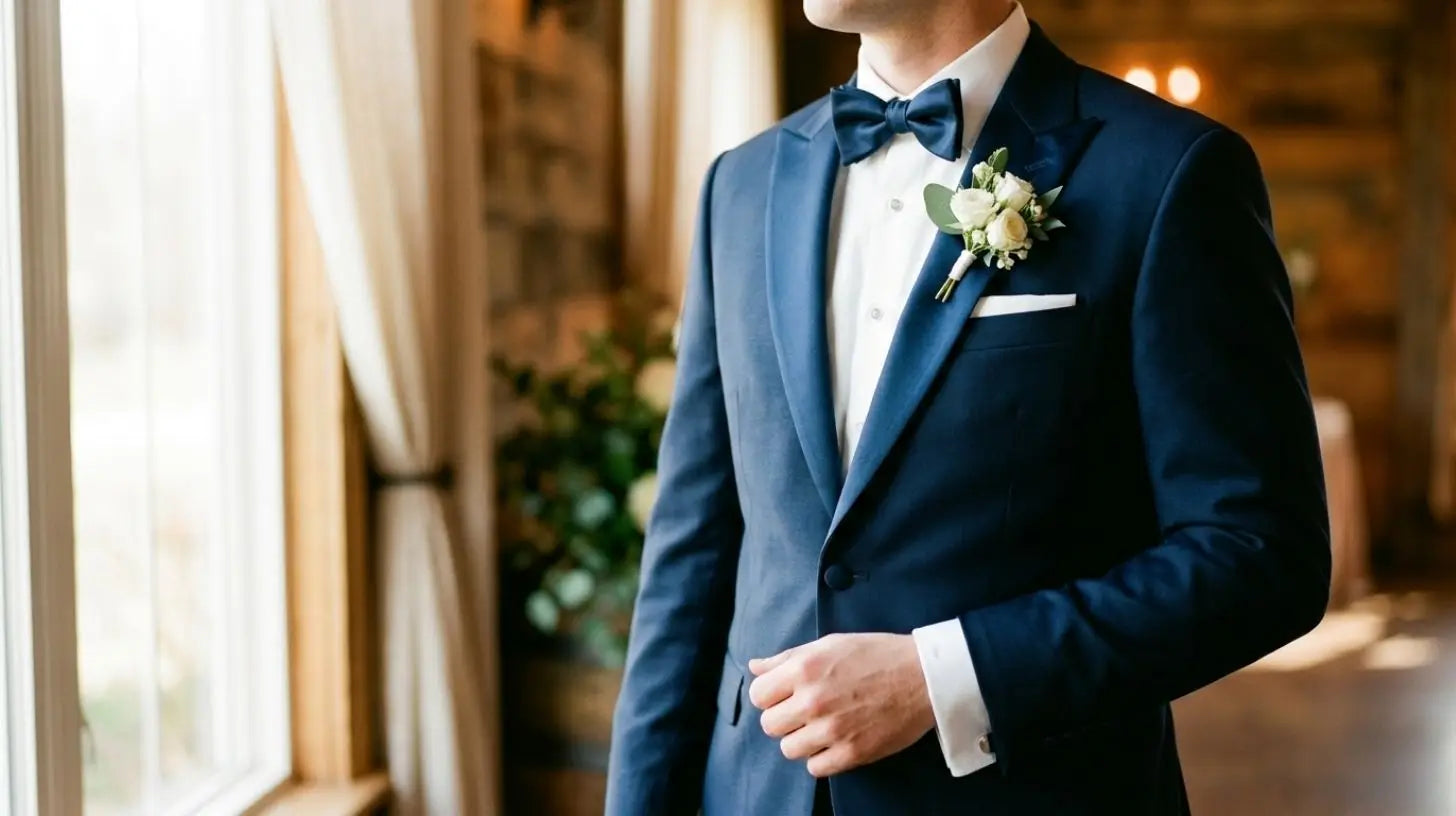
Your Wedding Day Starts With the Right Tuxedo
Here are the things every wedding tuxedo shopper should know right up front.
- Dress code is your North Star. Black tie means peak lapel and bow tie; creative formal can open the door to a shawl collar, midnight blue, or a velvet jacket.
- Venue and time of day change everything. A beach sunset wedding at 4 p.m. works with a lighter, softer tuxedo; a ballroom at 7 p.m. demands classic black and crisp tailoring.
- Fit is the difference between sharp and borrowed from someone taller. Slim, Regular, Dynamic, and Comfort Fit each solve a different body type, and getting this right flatters everything.
- You can own your tuxedo for less than a rental. Tuxedos that start at $199.90 mean you keep the garment, skip the last-minute rental rush, and never pay a late-return fee again.
- Lapel style, vent, and pocket details tell people you paid attention. Small choices like a peaked vs shawl lapel or double vent vs no vent set the tone before you say a word.
- Accessories anchor the look, they do not rescue it. A well-chosen bow tie, cummerbund, or pocket square finishes the tuxedo; they cannot hide a boxy jacket or dropped shoulder seam.
If you are a wedding guest who wants to look the part without overdoing it, a groom who refuses to rent, a father of the bride who has not worn formalwear in a decade, or a best man told to just match the vibe, this guide is for you. The broader fundamentals sit in our Complete Tuxedo Buying Guide for Men. By the time you finish, you will know exactly what to look for and where to find a tuxedo you can afford to own.
Why a Poorly Chosen Tuxedo Can Undo the Whole Outfit
The risk is not imaginary. Show up in a tuxedo that fits like a sack, a lapel style that fights the dress code, or a shade that photographs gray in every posed shot, and you will feel uncomfortable, and it will show. On the flip side, a tuxedo that truly fits and suits the setting makes you stand taller, move easier, and focus on the celebration instead of tugging at your cuffs.
- You only get one chance to match the formality level. If the invitation says black tie optional, a dark suit can work, but a properly tailored tuxedo signals you understood the assignment. Show up in a lounge suit when black tie was requested and you will look underdressed next to every other man.
- A tuxedo that does not fit at the shoulder ruins the silhouette. The jacket shoulder seam must end at the edge of your natural shoulder. Even a half-inch overhang makes your upper body look wider and shorter in side-by-side portraits.
- Rental tuxedos often have stock sizes that ignore your proportions. A rental might fit your chest but leave sleeves covering half your hand. Owning a tuxedo in your exact fit, Slim, Regular, Dynamic, or Comfort, solves this before wedding week starts.
- Fabric weight and sheen affect how you feel by hour four. A heavy satin-faced lapel on a wool tuxedo can look magnificent in an air-conditioned ballroom but feel punishing at an outdoor June ceremony. A lightweight wool blend keeps you comfortable for a garden wedding.
- Wearing the wrong color to a daytime wedding throws off the whole party. True black at a 2 p.m. garden ceremony can feel too severe; midnight blue or a softer dark tone looks formal yet welcoming under natural light.
- Ignoring the venue leads to mismatched vibes. A velvet dinner jacket with a shawl collar looks luxurious in a dim lounge but out of place in a rustic barn. Matching lapel and fabric to the setting is how you dress for the event, not just the dress code.
- Renting might feel cheaper until you add up the costs. After late fees, damage waivers, and alterations, a single wedding rental can cost $150 to $250. Buying a tuxedo from $199.90 means you spend about the same and keep a garment you can wear to the next black-tie occasion.
- Every wedding photo captures your lapel and tie placement. A crooked pre-tied bow tie and a poorly laid cummerbund broadcast that you rushed. A self-tie bow and a properly placed waist covering show you gave the day attention.
When the stakes are this high, getting it right is not about fashion. It is about being present and comfortable on a day that matters. Once you know what to look for, the decision becomes surprisingly simple.
How to Choose a Wedding Tuxedo: A Step-by-Step Guide
Wedding tuxedo shopping can feel like deciphering a foreign language, with satin facings, lapel styles, vent configurations, and waist coverings all competing for your attention. You do not need to become an expert. You just need a clear sequence that answers the most important question first.
Step 1: Pin down the dress code, read the invitation, then read the room
Start with the exact wording. Black tie means a tuxedo with a peaked or shawl lapel, a black bow tie, and black formal trousers. Black tie optional gives you permission to wear a dark, well-cut suit, but a tuxedo is still the safer choice if you want to meet the formality head on. Creative formal or cocktail attire lets you bend the rules. If the invitation is vague, ask the couple or the planner; ten seconds of clarity saves you from standing out for the wrong reason.
Step 2: Match the tuxedo to the time and venue, not just the dress code
A 7 p.m. ballroom ceremony calls for classic black wool with satin peak lapels. A noon garden wedding under direct sun looks better with a lightweight wool or linen-blend midnight blue tuxedo and a softer shawl collar. Will you be indoors or outdoors most of the evening? Will you be dancing? If you are sweating through your jacket by the second hour, even the most expensive tuxedo will look uncomfortable.
Step 3: Get your fit right before you care about anything else
A tuxedo that fits well always looks expensive. One that pulls, sags, or hangs looks like a rental no matter what you paid. SAYKI offers four fits that cover nearly every body type.
- Slim Fit is tapered through the waist with a narrower sleeve and shorter jacket length. Best for a sharp, modern silhouette on a lean or athletic frame.
- Regular Fit is a classic straight cut with room in the chest and waist. Ideal for a timeless shape without cling.
- Dynamic Fit has structured shoulders with a slightly broader chest and a gentle taper. Designed for athletic builds that still want a defined shape.
- Comfort Fit is generous through the chest, waist, and sleeves for maximum ease. The choice when you prioritize comfort and prefer a less fitted look.
The shoulder seam must sit precisely at the edge of your shoulder, with no pulling or drooping, and the button closure should close without straining.
Step 4: Choose the right lapel and closure for the mood you want to project
The lapel is the first thing anyone notices after overall fit. A peaked lapel signals classic formality and is the safest pick for any black-tie wedding. A shawl collar reads elegant and slightly softer, perfect for a creative formal evening. Notch lapels are generally reserved for suits, so skip them unless you are deliberately breaking convention. Single-breasted with one button is the gold standard; it elongates the torso and never looks dated.
Step 5: Decide on color, black, midnight blue, or something bolder
Black is the default for a reason: it anchors a formal look and photographs cleanly against any background. Midnight blue is the most refined alternative; it reads as black indoors but reveals a subtle blue depth under natural light, flattering in outdoor photos. White and ivory dinner jackets are traditional for warm-weather or destination weddings but work only when the dress code allows it. When in doubt, black or midnight blue single-breasted is the choice you will never second-guess.
Step 6: Nail the trouser details, side stripe, break, and waist covering
Tuxedo trousers traditionally have a satin stripe down the outseam to match the lapel facing. This small detail separates a formal trouser from suit pants. The hem should rest gently on the top of your shoe with a slight break, no pooling. A tuxedo trouser is designed to be worn without a belt, finished with side adjusters or suspenders. Cover the waist with a cummerbund or a low-cut formal waistcoat to keep the shirt line clean.
Step 7: Select accessories that finish the tuxedo, not distract from it
Start with a self-tie black bow tie in silk or grosgrain; learning to tie it takes five minutes and the asymmetrical knot looks infinitely better than a pre-tied version. Add a white pocket square in a straight fold and black patent or polished calf Oxford shoes. A simple black cummerbund or matching low-cut waistcoat keeps the torso uninterrupted. The full accessory breakdown lives in How to Accessorize a Tuxedo for Weddings & Proms.
Step 8: Decide whether to buy or rent, and do the quick math
If this is your first wedding and you cannot imagine another black-tie event, renting might seem logical. But rental costs pile up: a single use can run $150 to $250 after fees, and you walk away with nothing. Buying a tuxedo starting at $199.90 puts you at the same price point and gives you a garment for years of formal events. The numbers are laid out in full in How Much Does It Cost to Rent a Tuxedo in 2026. If you have even one more formal event in the next two years, buying breaks even and then pays you back.
Step 9: Try it on with your real shoes and bow tie before the wedding day
Never pick up your tuxedo on the way to the venue and hope for the best. Put on the full outfit, shoes, trousers, shirt, jacket, bow tie, at least three days before. Walk around, sit down, raise your arms, and make sure nothing pulls or gapes. If the sleeves or trouser hem need adjusting, you will have time for a simple tailor tweak.
Decode the dress code
Black tie means a tuxedo; creative formal opens up color and shawl collars.
Read the venue and time
Evening ballroom leans classic black; daytime garden suits midnight blue.
Lock the fit first
Shoulder seam at your shoulder edge, no pulling, before any detail choice.
Rehearse three days out
Full outfit, real shoes, leave time for a quick tailor tweak.
By the time you complete these steps, you will have a tuxedo that matches the dress code, flatters your body, feels comfortable for hours, and costs no more than a rental.
Editor's Picks
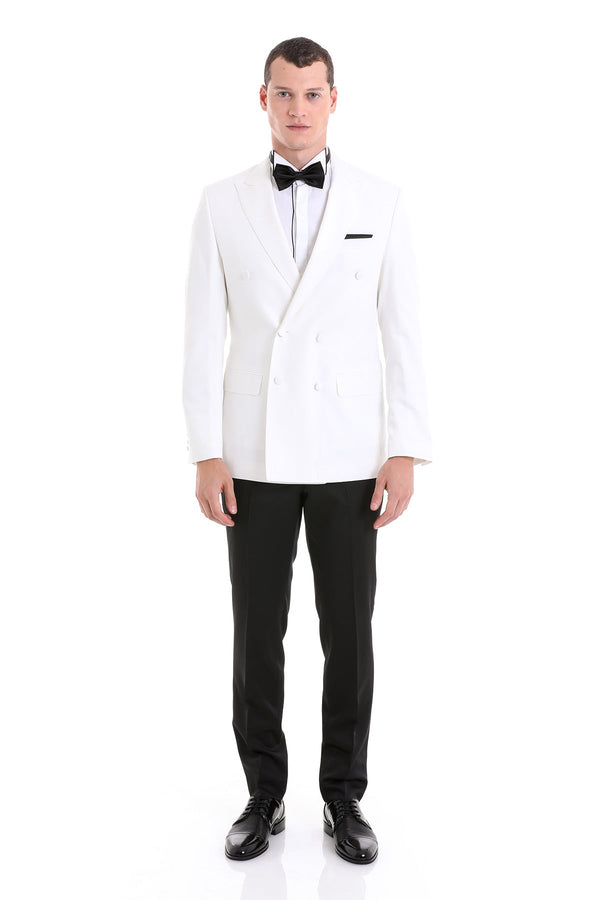
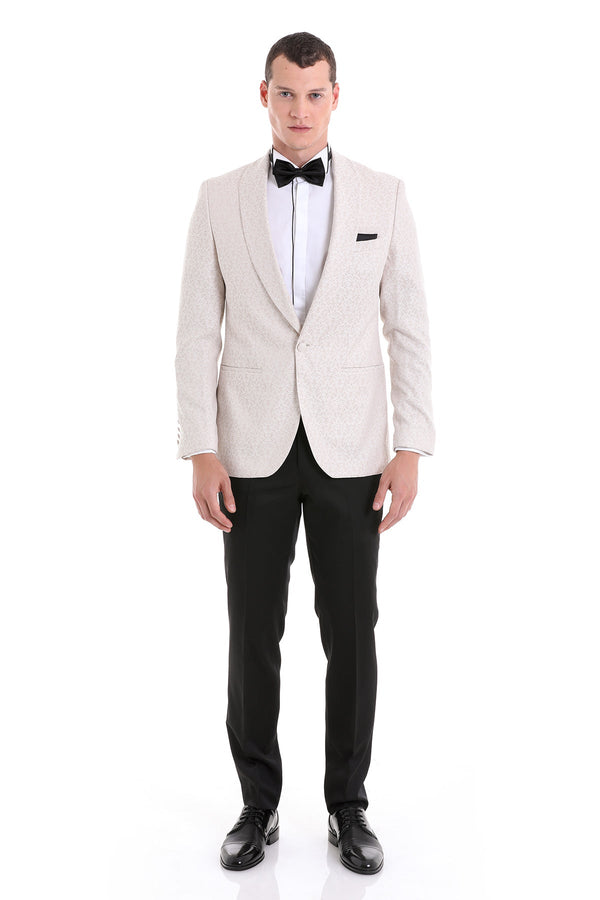
A Wedding Tuxedo You Keep, From $199.90
Own a tuxedo tailored to your body in four fits, for the price of a single rental, ready for every formal event to come.
Shop TuxedosWedding Tuxedo Mistakes That Stand Out in Every Photograph
Even well-intentioned choices can go sideways when you are wearing a tuxedo for the first time or only once every few years. The good news: these mistakes are easy to spot once you know them, and each has a straightforward fix.
- Skipping the dress rehearsal and trying on the full outfit for the first time on the wedding day. You realize the jacket pulls when you hug the groom, the trousers bunch, or the bow tie never lay flat. The fix: block 20 minutes three days before to wear the complete ensemble and move around at home.
- Wearing a pre-tied bow tie that sits crooked and lifeless. It signals you did not make an effort. The fix: buy a self-tie silk bow and practice twice the week before. An imperfect real knot looks far better than a factory-perfect fake.
- Mixing suit elements into a tuxedo. A notch lapel, a belt instead of side adjusters, or plain trousers with no satin stripe turn your tuxedo into a confused suit. The fix: commit to the formality and use only tuxedo-specific trousers, waist covering, and lapel style.
- Choosing a jacket that is too long or too short. One that falls past your glutes looks borrowed; one that rides above your hip bone looks like a child's blazer. The fix: the hem should just cover your trouser's rear waistband and end around mid-crotch when standing.
- Forgetting that satin facings reflect light differently in photos. A shiny lapel and stripe can create a distracting glare under flash if the fabric is heavily poly-based. The fix: choose tuxedos with balanced satin or grosgrain facing that looks rich without high sheen.
- Wearing a white pocket square in a puff fold and matching it to a floral boutonniere. The two accents fight for attention. The fix: pick one accent, either a simple white square in a straight fold or a small lapel flower, not both.
- Ignoring the break of the trousers. Excess fabric pooling over your shoes blurs the crisp line; a cropped hem breaks the formal line entirely. The fix: a slight break that rests on the laces without a fold is the sweet spot.
- Assuming all tuxedos are the same, so fit can be compromised. You grab a random size and end up with a tented back and dropped shoulders. The fix: treat fit as a non-negotiable first filter, then choose details within that fit.
Avoiding these is less about memorizing rules and more about respecting the occasion. When you get the details right, you stop worrying about how you look and start enjoying the celebration.
Keeping Your Wedding Tuxedo Sharp for the Next Formal Event
You just wore your tuxedo through a night of dancing, toasts, and possibly champagne near the lapel. A few simple care steps keep it crisp enough for the next black-tie invitation.
- Air it out before you do anything. Hang the tuxedo on a wide, shaped wooden hanger in a ventilated room for 24 hours to let moisture and light odors dissipate. Never shove it into a garment bag damp.
- Spot clean small spills with a damp white cloth and mild soap. Do not rub satin lapels aggressively or use colored detergents. Blot gently and let the area dry naturally.
- Dry clean only when necessary, not after every wear. Over-cleaning breaks down wool fibers and can cause satin facings to lose their sheen. Unless there is a visible stain or odor, a press and airing is usually enough.
- Store the tuxedo in a breathable garment bag, not a plastic cover. Plastic traps humidity and can yellow white fabrics. A cotton or muslin bag allows airflow while protecting against dust.
- Use a trouser hanger that grips the cuffs or hangs them folded at the knee. This prevents creasing along the satin stripe and keeps the crease sharp.
- Polish leather shoes immediately after the event and insert cedar shoe trees. Patent leather needs a gentle wipe with a damp cloth and conditioner. Calfskin should be cleaned, conditioned, and stored with trees.
- Keep the bow tie untied and flat in a drawer. Storing a silk bow tied permanently stretches the fabric and creates a crease. Unfold it gently and lay it flat.
- Address a loose button, hanging thread, or minor lining tear now. A ten-minute stitch repair today prevents a visible gap or rip during the next event.
Treat your tuxedo like a tool you intend to use again and again. The maintenance takes almost no time, yet the payoff is a garment that looks just as sharp at its fifth wedding as at the first.
A Tuxedo You Own, Starting at $199.90, SAYKI Since 1924
For many men, the biggest wedding-tuxedo worry is spending a fortune on something they will wear once, or showing up in a rental that fits poorly. SAYKI solves that by selling tuxedos at the price of renting, so you own a well-tailored garment without stretching your budget, and never pay a late fee.
SAYKI is the U.S. arm of Hatemoğlu, a third-generation family company founded in 1924; over 100 years of menswear expertise goes into every jacket and trouser. Our flagship at 375 Madison Avenue in New York City anchors nine stores across New York, New Jersey, Illinois, Maryland, Massachusetts, Virginia, and Pennsylvania, so you can come in, try on your fit, and leave with a tuxedo that actually fits your body.
We offer four distinct fits, Slim, Regular, Dynamic, and Comfort, so whether you are tall and lean, broad-shouldered, or prefer a relaxed shape, there is a tuxedo that follows your silhouette. Tuxedos start at $199.90, in the same range as a single wedding rental, and because ownership means you can wear it to future weddings and galas, that price quickly becomes a smart long-term play. If you are near any of our stores, stop by to experience the fit yourself, and find the nearest one on our store locator.
Frequently Asked Questions
What is the difference between a tuxedo and a suit for a wedding?
A tuxedo is defined by satin or grosgrain details: the lapel facing, trouser side stripe, and sometimes pocket trim. It is worn with a bow tie and a waist covering like a cummerbund or waistcoat. A suit lacks these accents and is paired with a necktie, making it less formal. If the invitation says black tie, choose a tuxedo; if it says cocktail attire, a dark suit may work, but a tuxedo in a softer color can still suit.
Should I wear a tuxedo or a suit to a wedding?
Match the dress code first. Black tie means tuxedo; jacket and tie or cocktail means suit or tuxedo at your discretion. Evening weddings lean toward tuxedos, while an afternoon garden ceremony may feel more relaxed in a well-cut dark suit. If the code leaves room, a midnight blue or lightweight wool tuxedo bridges formal and approachable.
How should a tuxedo jacket fit?
The shoulder seam must sit at the very edge of your natural shoulder, with no overhang and no pulling. The jacket should button without strain at the mid-waist and follow your torso without tightness across the back. Sleeves should reveal about a quarter to half inch of shirt cuff, and the length should cover your rear and end around mid-crotch.
Is it worth buying a tuxedo instead of renting one?
If you will attend even one more formal event in the next two years, buying typically costs the same as renting, and you keep the garment. Rental prices often range from $150 to $250 after fees, while tuxedos at SAYKI start at $199.90. Owning removes the stress of last-minute pickups, late fees, and limited size runs, with a tuxedo tailored to your body.
What color tuxedo is best for a wedding?
Black is the most versatile and foolproof choice; it works for evening ballrooms, church ceremonies, and nearly every dress code that calls for a tuxedo. Midnight blue is a refined alternative that reads as black indoors and shows a subtle tint in daylight, a favorite for afternoon and outdoor weddings. For creative black tie, a white or ivory dinner jacket can suit warm-weather ceremonies, but confirm with the hosts first.
How do I care for a tuxedo between weddings?
Air the tuxedo thoroughly after wearing, spot-clean any spills, and only dry clean once every couple of wears or when there is a visible stain. Store it on a broad wooden hanger inside a breathable cotton garment bag, never plastic. Hang trousers by the cuffs or folded at the knee, and keep silk accessories like the bow tie untied and laid flat.
Does SAYKI have a store near me where I can try on a wedding tuxedo?
SAYKI has nine stores across seven states: New York (375 Madison Ave, NYC; Woodbury Commons), New Jersey (Garden State Plaza, Paramus), Illinois (Fashion Outlets of Chicago, Rosemont), Maryland (Westfield Montgomery Mall, Bethesda), Massachusetts (Wrentham Village Premium Outlets), Virginia (Fashion Centre at Pentagon City, Arlington; Leesburg Premium Outlets), and Pennsylvania (King of Prussia Mall). You can try on all four fits in person and walk out the same day. Visit the store locator at sayki.com for exact addresses and hours.