


15 min read


You open the envelope, scan the elegant script, and two words stand out: black tie. The questions start right away. Do you own a tuxedo that still fits? Is it worth buying when you could rent? Maybe this is your first formal event, or maybe you just want to avoid wearing the same rental as half the room. Whatever brought you here, you want a tuxedo that looks made for you, without overthinking it.
What this guide covers
Finding the Right Tuxedo When the Invitation Says Black Tie
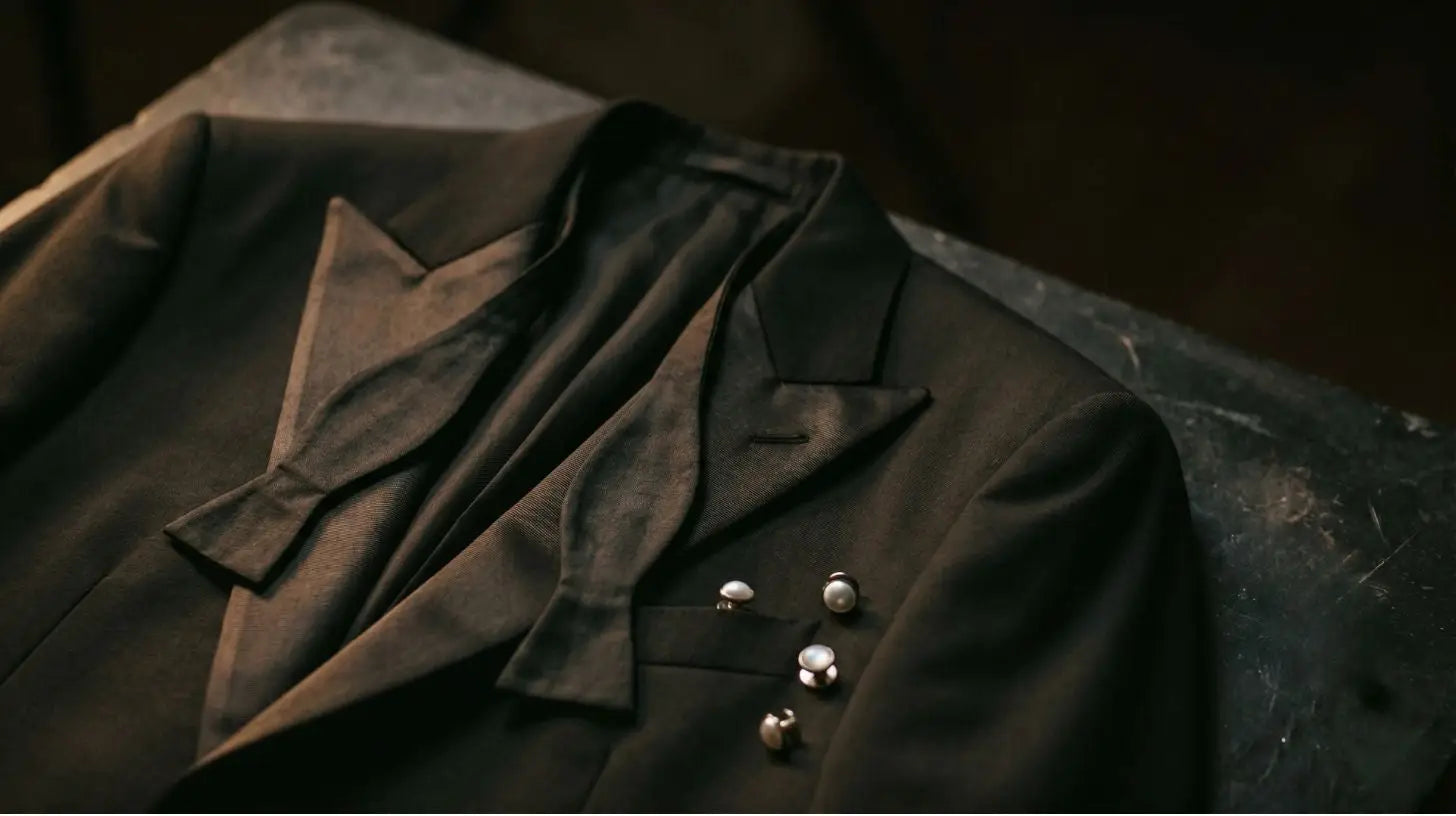
Black tie is more than a dark suit. It is a specific combination of jacket, trousers, shirt, and accessories, and once you understand the handful of non-negotiable pieces, you see the line immediately. Here is the short version of what a black-tie look asks for:
- Know exactly what the dress code means. Peak lapel and shawl collar are the classic choices, both framing your face and setting the right tone the second you walk in.
- Make fit the first filter, not an afterthought. A well-cut tuxedo off the rack can look sharper than an expensive rental that hangs off your shoulders. Fits like Slim Fit, Regular Fit, Dynamic Fit, and Comfort Fit each solve a different body shape need.
- Treat the trousers as a separate decision. Satin stripe, no belt loops, and a higher rise keep the silhouette clean and formal.
- Do not guess on shirt and accessories. A wing collar, a pleated front, cuff links, and a self-tied bow tie separate a guest who knows from one who grabbed the first black jacket.
- Compare the real cost of renting versus buying. A quality tuxedo can start at $199.90, often the same price as a rental someone else wore last weekend. You keep the jacket, the control, and the fit.
This guide is built for anyone staring at a black-tie invitation, whether you are a best man, a gala guest, or attending your first formal event. By the time you finish, you will be able to walk into a store, spot the right tuxedo in under a minute, and walk out with a fit that makes you look forward to the next formal occasion. If you want the wider view first, our Complete Tuxedo Buying Guide for Men lays out every part of the decision from fabric to budget.
Why Getting the Tuxedo Wrong Feels Worse Than You Expect
Picture arriving at a candlelit wedding in a notch-lapel jacket and a long tie, looking like a Thursday boardroom outfit while every other man wears a peak-lapel tux and a bow tie. At a black-tie event, small differences read loudly. Getting them right is not about fashion. It is about respecting the host and feeling comfortably appropriate.
- You wear a suit when the invitation says black tie. Instantly you look like you did not read the dress code. A tuxedo jacket with satin or grosgrain lapels and matching striped trousers is the only outfit that meets the standard.
- Your rental jacket pulls at the button and the sleeves cover half your hand. Rental fittings are rushed and the sizes rarely match your proportions. When you own the tuxedo, you can dial in the fit, Slim for a tailored athletic shape, Regular for a classic silhouette, Dynamic for extra chest and shoulder room, or Comfort for a relaxed feel.
- You grab a pre-tied bow tie and a plastic cummerbund at the last minute. A hand-tied bow adds character and a satin waist-covering piece pulls the torso line together. Without them, the shirt gap breaks the formal frame.
- You cinch tuxedo trousers with a belt. Black-tie trousers skip belt loops on purpose so suspenders create a continuous, unbroken line. A belt cuts you at the wrong place and catches shiny reflections in photos.
- You buy cheap and the fabric shines under lights for the wrong reasons. Low-quality polyester looks plastic. A wool-blend tuxedo with a matte finish photographs sharp, not shiny. With tuxedos starting at $199.90, you can own the real thing instead of renting a compromise.
Owning your tuxedo and making these choices ahead of time turns a high-stakes dress code into a quiet advantage. You are free to focus on the event while knowing you look exactly right.
Step-by-Step Guide to Picking a Black-Tie Tuxedo
A rack of black jackets can feel like they all blur together. The differences are actually small and repeatable, and once you learn to spot them the overwhelm disappears. Here is how to move from confusion to a tuxedo you are confident in.
Step 1: Verify the Exact Dress Code
Read the invitation carefully. "Black tie" means a traditional tuxedo. "Black tie optional" lets you wear a dark suit or a tuxedo, but leaning into the tuxedo shows respect. "Creative black tie" opens the door to velvet jackets or subtle pattern while the core silhouette stays the same. If the event is outdoors and the wording is loose, a one-minute call to the host about a midnight-blue tuxedo saves you from guessing wrong.
Step 2: Decide Between a Peak Lapel and a Shawl Collar
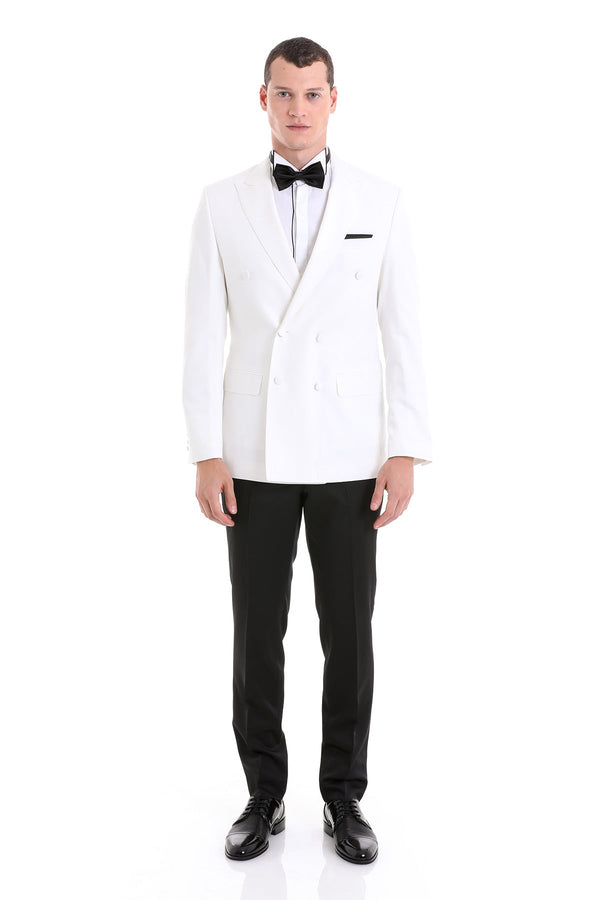
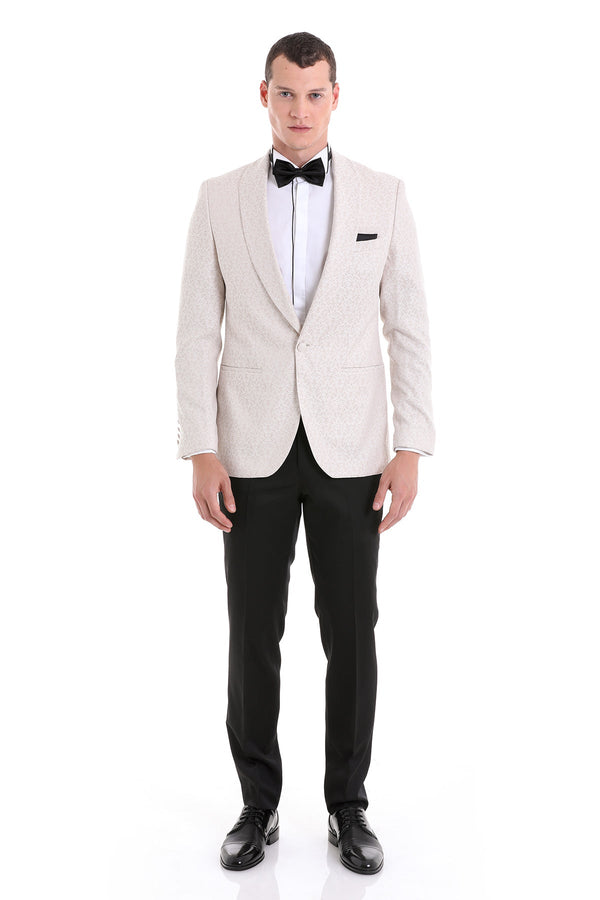
The lapel is the first thing people see at eye level. A peak lapel points upward and outward, adding structure to the chest and a confident angle. It suits most body types and is the safest choice. A shawl collar is a rounded, continuous piece of satin that feels more old-Hollywood and works well on slimmer frames. Notch lapels belong on business suits, so avoid them on a tuxedo unless you are intentionally dressing down for a "black tie optional" event.
Step 3: Choose the Jacket Cut and Construction
Single-breasted with a one-button closure is the most iconic black-tie silhouette, and the low button stance lengthens the torso. Double-breasted jackets add formality and suit taller men. For vents, choose no vent or side vents only. A single center vent can pucker when you stand with your hands in your pockets. Quick question: can you raise your arm to shake hands without the jacket riding up? If not, try Dynamic Fit for extra room through the upper body.
Step 4: Get the Trousers Right from the Hem Up
Black-tie trousers need a satin or grosgrain stripe down the outside seam to continue the lapel sheen. Look for a higher rise that sits at your natural waist, no belt loops, and side adjusters or buttons for suspenders. The leg should fall with a slight break at the shoe, no puddling. Sit down, cross your legs, and stand again to confirm the back of the trouser stays smooth. For broader builds, Comfort Fit trousers give ease without looking baggy.
Step 5: Nail the Shirt, Studs, and Waist Covering
A white dress shirt with a marcella (piqué) front, wing collar or turndown, is the standard. Pair it with black onyx or mother-of-pearl studs. The waist must be covered: a cummerbund with pleats facing up, or a low-cut waistcoat keeps the shirt from flashing white below the jacket button. A shirt and cummerbund you buy once and own forever, and a full tuxedo package can cost the same as a single rental at $199.90. A simple white or ivory option from our tuxedo shirts finishes the front cleanly.
Step 6: Choose the Right Fit for Your Body
Fit is personal, not aspirational. Grab the same tuxedo in different fits and compare.
Slim Fit
High armhole, tapered through the torso and sleeves. Best for athletic, lean builds wanting a modern silhouette.
Regular Fit
Classic length, moderate taper. A timeless drape for average builds without feeling restricted.
Dynamic Fit
Extra room in chest, shoulders, and upper arms with a tailored waist. Sensible if you lift weights.
Comfort Fit
Generous through chest and midsection with relaxed sleeves. Pick this for freedom of movement.
Quick check: button the jacket and slide your hand between your chest and the fabric. You want a flat hand's width of space, not a clenched fist. The shoulder seam should hit right where your shoulder bone ends, not drooping onto your bicep.
Step 7: Select Fabric and Color that Photograph Well
Black barathea wool is the gold standard, with a subtle ribbed matte finish that absorbs light rather than throwing it back, which is why it photographs so well. Midnight blue is equally correct and under artificial light often looks darker than black with a richness photographers love. Avoid solid polyester unless you need a travel-friendly option. For outdoor events in warmer months, ask about lightweight tropical wool or a high-twist cloth.
Step 8: Try Everything On Together, Including the Shoes
Two nights before the event, assemble the full outfit and check it in a mirror: does the trouser break lay cleanly over the shoe, is the bow tie centered, can you fasten the jacket button and still breathe, and do the suspenders or side adjusters hold the waist when you move? If anything pulls or gaps, a quick trip to a tailor fixes it. Owning the tuxedo makes this possible, since you are not rushing to return a rental the next day.
After working through these steps, you stop wondering if you forgot something and start feeling eager to step into the event.
Editor's Picks
Own Your Black-Tie Look
Tuxedos in four fits, starting at $199.90, the same price as a one-night rental. Yours to keep and tailor.
Shop TuxedosCommon Tuxedo Mistakes That Show Up in Every Photo
Most black-tie mistakes happen not because men do not care, but because the rules are not always obvious. The good news is that avoiding them is straightforward once you know what to look for.
- Choosing a notch lapel for a formal black-tie event. Notch lapels read as a business jacket. Pick a peak lapel or shawl collar, both unmistakably evening formal.
- Wearing a long necktie with a tuxedo. A tie breaks the formal chest composition. Black tie means a bow tie, hand-tied if you can learn it, a neat pre-tied option if you are in a rush.
- Skipping the waist covering. A cummerbund or waistcoat hides the white shirt triangle between the jacket button and the trouser waist. Make sure the cummerbund pleats face up.
- Using a belt on tuxedo trousers. A belt creates a visible horizontal break and can flash under the jacket. Suspenders or side adjusters are correct.
- Wearing standard dress shoes instead of patent leather or polished calf. Black-tie footwear should be clean and minimally detailed. Broguing or heavy soles clash with the trousers.
- Leaving the jacket unbuttoned indoors. The jacket stays buttoned unless you are seated. One-button jackets make this easy: fasten it when you rise.
- Ignoring sleeve length. A quarter to half inch of shirt cuff should show below the jacket sleeve. Do not let long sleeves make you look like a boy wearing his father's jacket.
When you sidestep these errors you are not following arbitrary rules. You are removing distractions so people notice you, not the quirks of your outfit. If the event in question is a wedding, our guide on How to Choose a Tuxedo for a Wedding covers the etiquette specific to the role you are playing that day.
Keeping Your Tuxedo Sharp Between Events
You just wore your tuxedo through a ten-hour wedding. It absorbed cologne, champagne mist, and a few hours of dance-floor energy. Proper care now means it looks as crisp on the fifth wear as the first.
- Brush the jacket after each wear. A soft garment brush lifts dust from the wool. Pay extra attention to the lapels, which collect oils from your hands.
- Air it overnight on a wide wooden hanger. Never crumple a warm tuxedo into a garment bag. Hanging it lets moisture evaporate and the fabric regain its shape.
- Dry clean only when necessary. Dry cleaning strips natural oils from wool. Spot-clean small stains with a damp white cloth and mild soap. Once a year or after five wears is sensible.
- Store in a breathable garment bag, not plastic. Plastic traps humidity and can yellow white shirts. Use cotton or polypropylene that lets air circulate.
- Keep the satin stripe clean and protected. The stripe can snag on zippers and jewelry. Brush in the direction of the stripe and use a lint roller on the inevitable white fuzz.
- Inspect the buttons, lining, and suspender hardware. Before each event, tug each sleeve button, check the front button, and confirm the suspender buttons are firm. Fixing a loose button now beats fumbling with a safety pin at the venue.
A few careful minutes after each wear turn your tuxedo from a one-time item into a wardrobe piece you reach for again and again. For the finishing touches that complete the look, our guide on How to Accessorize a Tuxedo for Weddings & Proms walks through bow ties, studs, and pocket squares in detail.
Where to Find a Tuxedo That Feels Yours from the First Try
Most men start a formalwear search torn between a rental that will not fit and a luxury purchase that feels out of reach. At SAYKI the solution sits squarely in between: a well-made tuxedo you can own for the same price as a weekend rental.
SAYKI is the U.S. arm of Hatemoğlu, founded in 1924, a third-generation family company with over 100 years of menswear expertise. The flagship sits at 375 Madison Ave, New York, NY 10017, and the brand spans nine physical stores across New York, New Jersey, Illinois, Maryland, Massachusetts, Virginia, and Pennsylvania. You can walk in, try a tuxedo in multiple fits, and walk out knowing it is yours.
Sizing is the part most guys get stuck on. SAYKI cuts tuxedos in Slim Fit, Regular Fit, Dynamic Fit, and Comfort Fit, four distinct shapes that cover lean builds, broad shoulders, and everything between. Tuxedos start at $199.90, right in line with U.S. rental prices, and the difference is you keep the jacket and the ability to tailor it. To find the location nearest you, visit our store directory.
Frequently Asked Questions
How do I dress for a black tie event as a man?
A black-tie event requires a tuxedo, not a dark suit. Wear a black or midnight-blue jacket with satin peak or shawl lapels, matching trousers with a satin stripe, a white dress shirt with studs, a black bow tie, a cummerbund or waistcoat, and patent leather shoes. Fit matters most, so choose Slim, Regular, Dynamic, or Comfort Fit based on your build. If unsure, visit a store and try two fits side by side.
What is the difference between a tuxedo and a suit?
A tuxedo jacket has satin lapels (peak or shawl, never notch) and trousers with a matching stripe down the seam. A suit has plain wool or cotton lapels and no stripe. A tuxedo feels more dressed up and photographic, while a suit is more versatile for interviews and everyday events. If you want the formal look without the rental price, a tuxedo starting at $199.90 costs the same but you own it.
What is the difference between a dinner jacket and a tuxedo?
In everyday usage the terms are interchangeable: a dinner jacket is the traditional British name for a tuxedo jacket. Both feature satin or grosgrain lapels worn with formal trousers. Some American guides reserve "dinner jacket" for a less structured, sometimes off-white jacket worn to summer black-tie events. For shopping, look for a black or midnight-blue jacket with peak lapels or a shawl collar.
Is it worth buying a tuxedo instead of renting one?
For most men, yes, especially if you attend more than one formal event every few years. A rental often costs $150 to $250 and has been worn by multiple people with limited fit adjustment. A tuxedo that starts at $199.90 costs essentially the same as a rental but you keep it and can tailor it to your body. That investment pays for itself after the second wear.
How often should I dry clean a tuxedo?
Dry clean a tuxedo only when it has visible stains or persistent odor, since the chemicals and heat strip natural oils from wool. A better routine is to brush the jacket after each wear, air it on a wooden hanger, and spot-clean small marks with a damp cloth. For two or three events a year, an annual dry cleaning is plenty. Ask the cleaner to press lightly on low heat to protect the satin lapels.
What is the difference between slim fit and regular fit?
Slim Fit is cut closer to the body with higher armholes, a tapered waist, and narrower trousers, creating a modern silhouette that suits lean to athletic builds. Regular Fit offers a more classic proportion with a bit more room in the chest and a straight trouser, suiting average builds. Try the same jacket in both and button it: Slim feels lightly hugged, Regular feels a clean drape without tension.