


19 min read


Rolling your shirt sleeves is more than a casual gesture. It's a practical skill that transforms your appearance from boardroom formal to approachable yet polished. Whether you're working through a summer afternoon or transitioning from office hours to evening drinks, knowing the right technique makes all the difference. SAYKI recommends learning one clean method first, the Master Roll, since a single reliable technique beats knowing several you can never do neatly.
This guide walks you through professional sleeve rolling methods, styling principles, and the subtle details that separate a sharp look from a sloppy one.
Contents

Why & When to Roll Up Your Sleeves
Understanding when to roll your sleeves prevents fashion missteps and keeps you looking intentional rather than careless.
The practical reasons come first. Physical work demands it. Washing hands, lifting boxes, working with tools, or any task where fabric might catch or soil requires rolled sleeves. This universal signal of "ready to work" crosses all professional boundaries.
Summer heat provides another clear reason. When temperatures climb and air conditioning falls short, exposing your forearms allows better air circulation. Every inch of skin contact with moving air helps regulate body temperature. In humid weather, this small adjustment brings genuine relief.
The style angle deserves equal consideration. Rolled sleeves signal casual confidence. They bridge the gap between formal business attire and relaxed social settings. After work gatherings, client dinners, and weekend events often call for this visual softening of an otherwise structured outfit.
Workplace culture dictates appropriateness. Conservative corporate environments may require sleeves to stay buttoned at the wrist throughout the day. Creative industries and startups often embrace rolled sleeves as standard office wear. Observe your colleagues and clients. Match their level of formality during important meetings or presentations, regardless of personal preference.
When to Roll Your Sleeves
Physical Work
Tasks involving tools, lifting, or potential mess
Hot Weather
Temperature regulation and comfort outdoors
Casual Settings
After-work events and social gatherings
Preparation & Sleeve-Rolling Basics
Before attempting any rolling technique, certain fundamentals apply across all methods.
Your wrists should show. Several inches of exposed skin prevents the appearance of ill-fitting sleeves. You're adjusting for comfort and style, not compensating for an oversized shirt. Quality shirts fit properly at the shoulder and chest, making sleeve rolling a choice rather than a necessity.
Keep your elbows covered for casual situations. The outer bone of your elbow marks the upper limit for most social settings. Only physical labor justifies rolling past this point. The distinction matters. Sleeves pushed too high read as rushed or careless.
Jacket sleeves require different treatment. Blazers and suit jackets generally stay unrolled unless immediate practical need demands otherwise. When you must adjust jacket sleeves, push rather than roll. Fold the fabric back once, creating a simple cuff. This fashion-forward approach works best with jackets featuring working sleeve buttons.
Shirt fit determines rolling success. Fabric that's already snug at the bicep won't roll cleanly. Material bunching around your upper arm creates bulk and looks uncomfortable. Well-tailored dress shirts provide enough room for clean folds without excess fabric.

Master Roll (Italian Roll)
The Master Roll delivers the most refined appearance. Its asymmetrical finish and exposed contrasting cuff lining create deliberate visual interest. This technique suits premium dress shirts with detailed interior fabric.
The method shows rather than hides quality construction. When your shirt features complementary or contrasting cuff lining, this roll displays that craftsmanship. It signals attention to detail and understanding of menswear subtlety.
This roll adjusts easily throughout the day. Pull down for more formality, push up for a relaxed look. The flexibility makes it practical for schedules that shift between meetings and social time.
How do you roll a master sleeve?
Start by unbuttoning the cuff and any placket buttons higher on the sleeve. These gauntlet buttons must be fully released.
Flip the entire cuff back against your forearm. Turn it inside out so the inner lining faces outward. This exposes the contrasting fabric that makes the Master Roll distinctive.
Pull the flipped cuff up your arm. Bring it to just below your elbow without creating additional folds. The sleeve turns inside out as you pull, creating a tube of reversed fabric.
Fold the bottom edge of this inside-out section upward. Stop when the fold traps the bottom edge of the cuff. The cuff remains visible above this fold, displaying its lining.
Adjust the visible cuff width according to preference. More exposed lining creates bolder contrast. Less exposure offers subtle refinement. Both approaches work. Choose based on the shirt's color combination and the formality of your destination.
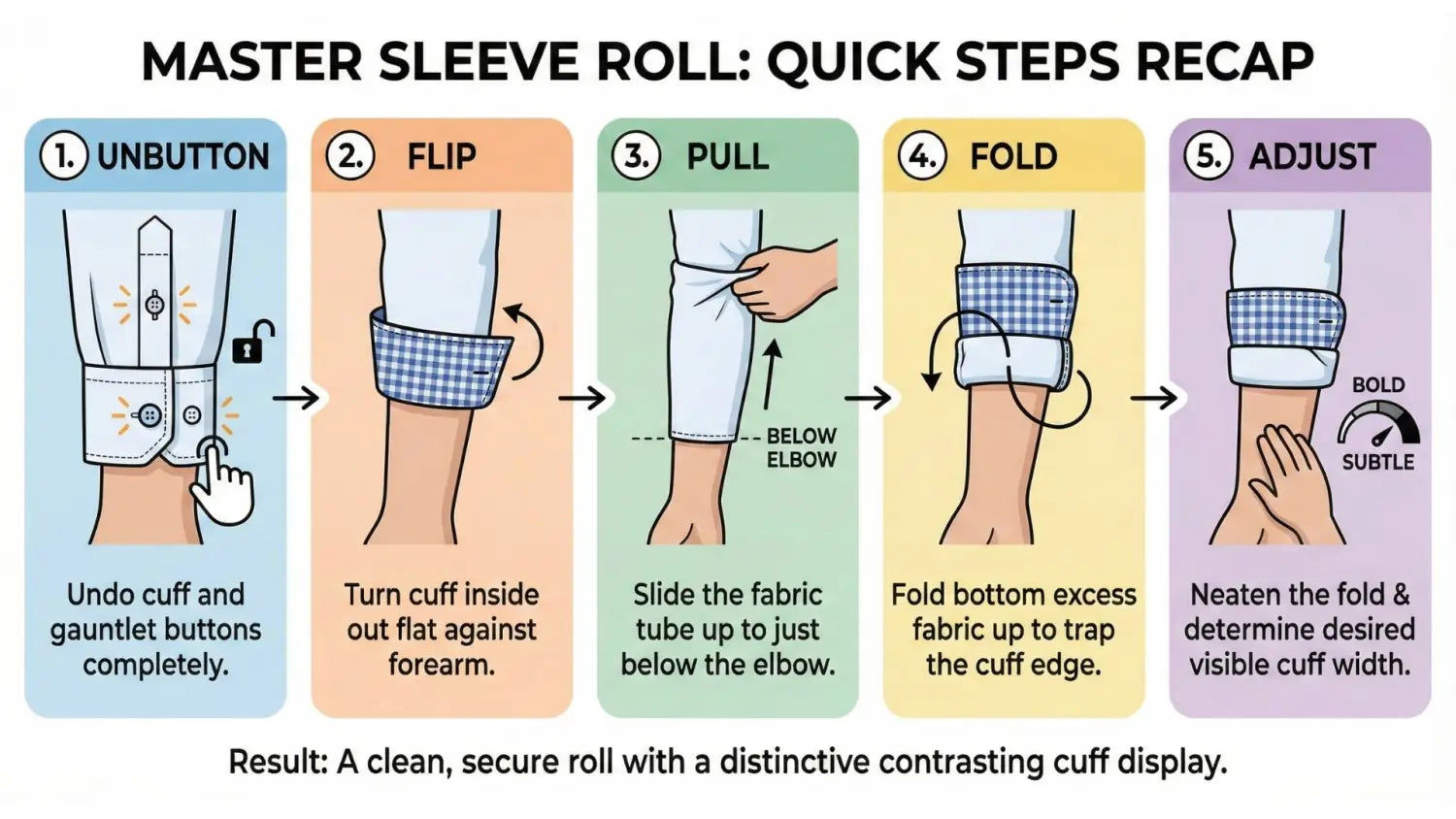
Master Roll Quick Steps
Unbutton cuff and gauntlet buttons completely
Flip cuff inside out against forearm
Pull fabric up to just below elbow
Fold bottom edge up to trap cuff
Adjust visible cuff lining to desired width
Casual Roll (Two-Fold / AIFA)
The Casual Roll, sometimes called the AIFA method, provides the quickest transition from formal to relaxed. This technique minimizes wrinkles when you need to roll sleeves down later. Its simplicity makes it practical for variable daily schedules.
This roll works particularly well with layered clothing. Wearing a dress shirt under a light sweater or vest? The Casual Roll prevents bulk around your mid-forearm while keeping fabric smooth underneath your outer layer.
Men with slender builds benefit from this technique. The single band around the forearm adds subtle visual weight without overwhelming thinner arms. It balances proportions naturally.
How to roll the AIFA roll?
Release the cuff button and any gauntlet buttons along the sleeve placket. These must open completely for clean rolling.
Fold the cuff back once. Turn it inside out against your forearm. The cuff width determines the width of your finished roll.
Make one more fold using the flipped cuff as your guide. Bring fabric from lower on the sleeve up to meet the cuff edge. This creates a doubled band of fabric.
Stop at the middle of your forearm. The roll shouldn't slide down because it reaches its natural stopping point before gravity takes over.
Tuck the cuff corners inward slightly. This small detail keeps edges neat and prevents the cuff from catching on jackets or bags.
The entire process takes seconds. When you need to dress up again, simply unfold twice. No complex arrangements to undo, no memory required for reassembly.
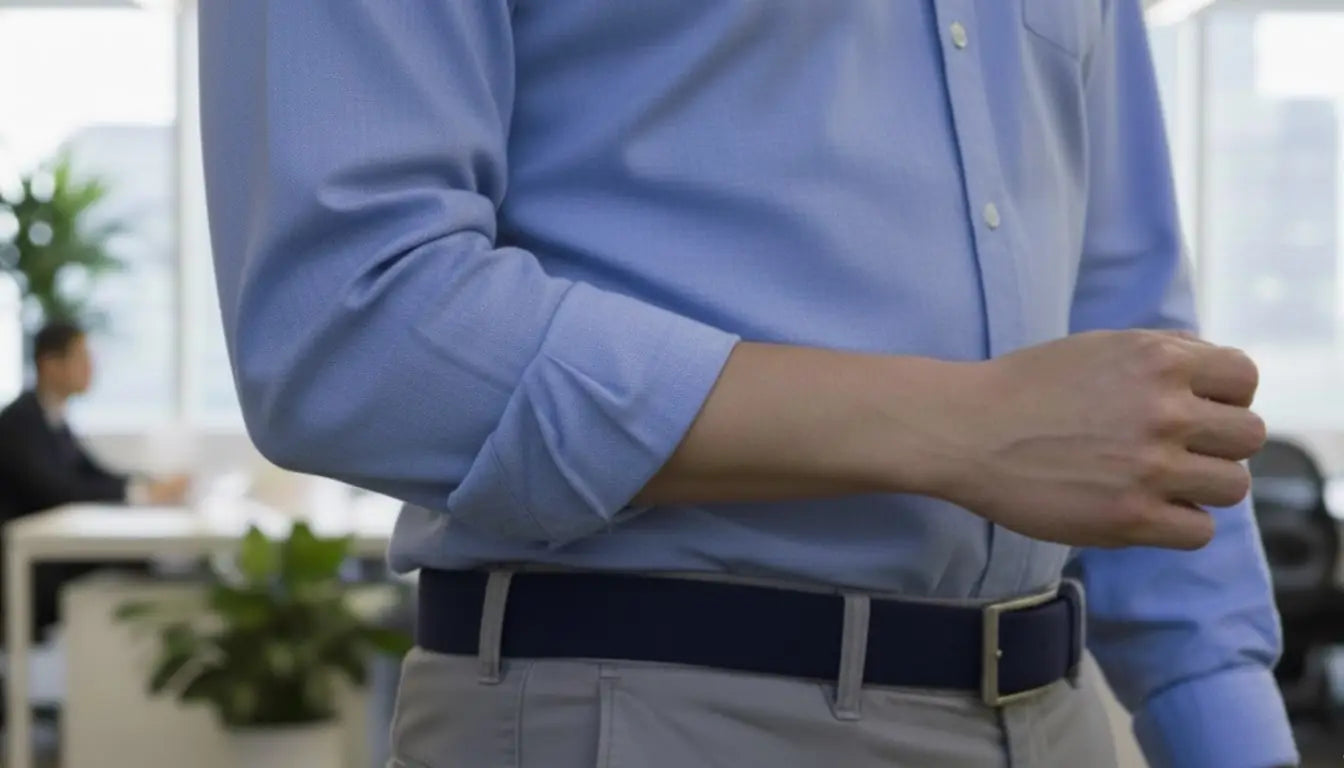
Basic Roll - Quick & Versatile
The Basic Roll remains the most intuitive approach. Most men discover this method naturally. It works for any situation requiring sleeves past the elbow, making it the go-to technique for physical work.
Construction workers, mechanics, and anyone handling tools or equipment rely on this roll. It stays put during movement and provides maximum arm exposure for tasks demanding mobility.
The method's straightforward nature makes it reliable under time pressure. No need to remember complex folding patterns when you're focused on the job ahead.
How to roll the Basic Sleeve Roll?
Open the cuff button and gauntlet buttons. Full release prevents fabric bunching during the rolling process.
Flip the cuff inside out. This establishes the roll width for all subsequent folds.
Fold the fabric back continuously. Use the cuff width as your standard measurement for each fold. Keep the bands uniform.
Continue folding until the rolled fabric sits just below your elbow. This position works for most non-labor activities.
For physical work, push past the elbow. Roll to mid-bicep if necessary. Function trumps appearance when you're building, fixing, or moving things.
The Basic Roll creates the most secure hold. Multiple tight folds lock fabric in place better than single-layer techniques. This stability matters when you're bending, reaching, and moving throughout the day.
Roll Comparison Guide
| Roll Type | Best For | Difficulty |
|---|---|---|
| Master Roll | Style-focused occasions, premium shirts | Medium |
| Casual Roll | Variable schedules, layered outfits | Easy |
| Basic Roll | Physical work, maximum security | Very Easy |
| High Roll | Hot weather, casual confidence | Easy |
High Roll - Bold & Functional
The High Roll pushes boundaries while maintaining sophistication. This technique brings rolled fabric to the upper forearm, closer to the elbow than traditional methods. It broadcasts casual confidence and works best in relaxed social settings.
Summer gatherings and outdoor events suit the High Roll perfectly. Beach weddings, garden parties, and afternoon barbecues call for this approach. The extra exposed skin provides genuine cooling benefits when heat and humidity combine.
This style carries inherent risk. Push too far and you look careless. Stop at the right point and you project intentional casualness. The line between the two is surprisingly thin.
How to roll the High Roller?
Begin with unbuttoned cuffs and gauntlet buttons. Complete opening prevents fabric restriction during rolling.
Flip the cuff inside out as with other methods. Standard width applies here too.
Fold fabric upward in even bands. Maintain consistent width with each turn.
Stop when rolled fabric reaches the lower portion of your bicep. The exact position depends on arm length, but the goal is maximum forearm exposure while keeping the outer elbow bone covered.
Check your appearance in a mirror. The High Roll amplifies any missteps in execution. Uneven bands or bunched fabric become more noticeable as rolled fabric moves higher on your arm.
This technique works best with fitted shirts. Excess material creates bulk at the upper forearm, which looks sloppy at this height. The shirt should fit well through the chest and shoulders before attempting the High Roll.

Garter Roll - Secure All-Day Hold
The Garter Roll uses dedicated sleeve garters for the most secure hold possible. These elastic bands with metal clasps lock rolled fabric in place regardless of arm movement or activity level.
Historical menswear relied on this solution before modern shirt manufacturing standardized sleeve lengths. Today, garters serve niche purposes. Bartenders use them. Musicians performing energetic shows depend on them. Anyone needing absolute certainty that sleeves won't slip finds value in garters.
The aesthetic leans vintage. Garters make a statement. They reference 1920s haberdashery and Old West saloons. This isn't subtle accessorizing. You're deliberately evoking a specific era.
How do I use a garter to roll sleeves?
Roll your sleeves to the desired height using any preferred method. The Basic Roll works well here because it creates the most stable base.
Slide the garter over your hand and up your arm. Position it on your upper forearm, above the rolled fabric.
Adjust the garter so it sits snugly but doesn't restrict blood flow. You should be able to slip one finger between the elastic and your arm comfortably.
Pull the rolled fabric up slightly and tuck the top edge under the garter. The band holds fabric in place by pressure rather than friction.
Adjust the visible portion of rolled sleeve below the garter. Keep it even around your entire forearm.
Modern sleeve garters come in various colors and finishes. Classic black elastic with silver hardware remains most versatile. Stick with traditional styling unless you're deliberately making a fashion statement.
Purchase quality garters made with proper elastic tension. Cheap versions lose grip after a few wears. Well-made garters last years and maintain consistent hold strength.
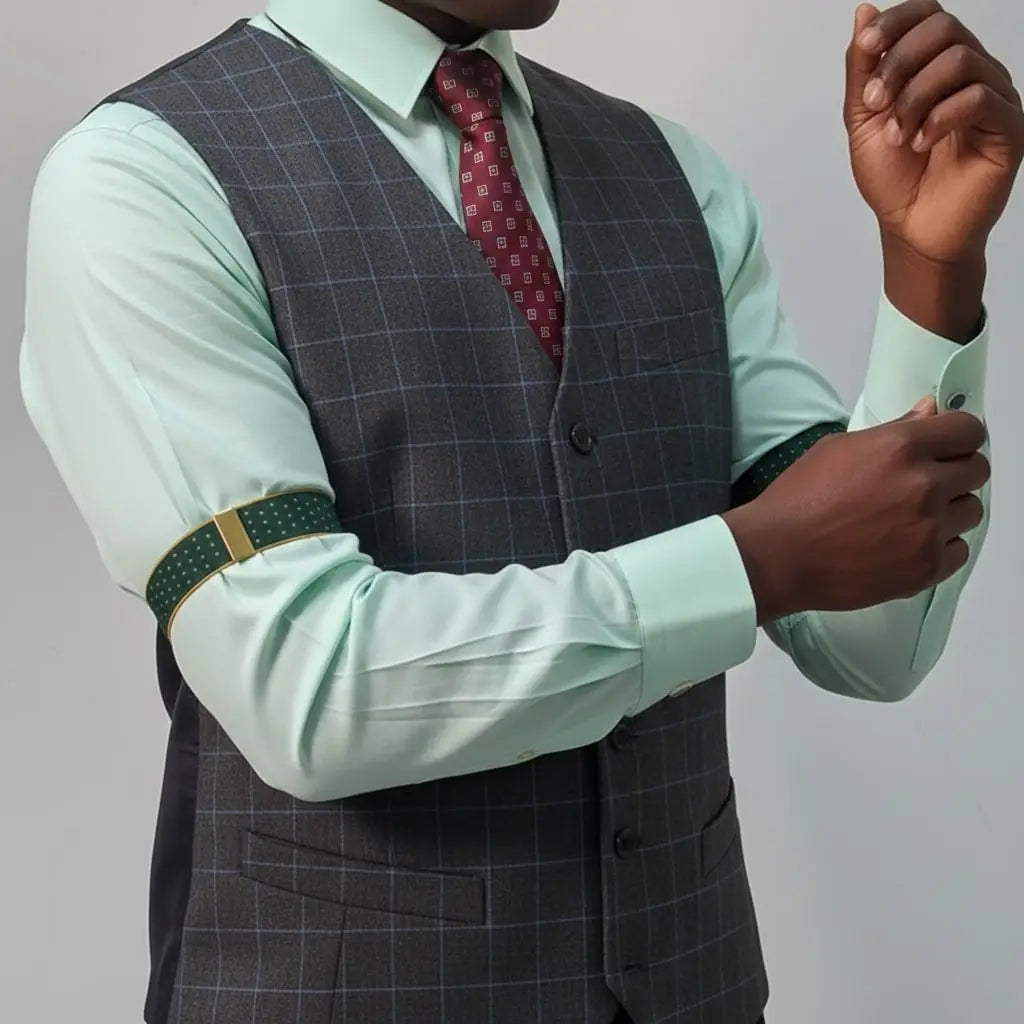
Tips for a Polished Rolled Sleeve
Execution details separate refined from ragged. Small adjustments make significant visual differences.
Symmetry matters. Both sleeves should sit at the same height on your arms. Check in a mirror from the front. Uneven sleeves suggest carelessness or rushed dressing.
Keep bands uniform. Each fold should be roughly the same width. Inconsistent rolling creates visual noise. Your eye gets caught on the irregularity rather than appreciating the overall look.
Avoid excessive fabric bunching. If material piles up around your upper arm, the shirt fits too loosely. Well-tailored garments roll cleanly without excess fabric creating bulk.
Smooth out wrinkles as you roll. Run your hand along each fold before making the next. This prevents permanent creasing that shows when you eventually unroll the sleeves.
Match your men's accessories to the formality of your rolled sleeves. A luxury watch paired with carefully rolled sleeves signals intentional styling. The same watch with sloppy rolls suggests you couldn't be bothered to finish dressing properly.
Consider fabric weight when choosing rolling methods. Thick oxford cloth holds crisp folds better than thin poplin. Adjust your technique based on shirt material. Some fabrics need tighter initial folds to stay in place.
Reroll if necessary. Sleeves slip during the day, especially during physical activity. Take thirty seconds to fix them rather than leaving them half-unrolled. The maintenance shows you care about your presentation.
Style Guide: What to Wear with Rolled Sleeves
Rolled sleeves change an outfit's entire character. The right combinations amplify this effect. Poor matches undermine the look entirely.
Business casual works naturally with rolled sleeves. Pair a quality dress shirt with well-fitted men's pants or dress pants. The combination reads professional yet approachable. Add leather loafers or minimalist sneakers depending on workplace culture.
Smart casual combinations offer more flexibility. Try rolled sleeves with chinos and formal shoes. The contrast between relaxed shirt styling and polished footwear creates visual interest. This outfit handles dinner reservations and weekend events equally well.
Avoid rolling sleeves on the most formal occasions. Weddings in traditional venues, black-tie events, and conservative business presentations demand buttoned cuffs. Rolled sleeves at these events signal you don't understand dress codes.
Summer fabrics like linen and lightweight cotton benefit most from rolling. These materials breathe better when sleeves are up. Heavy broadcloths and thick oxfords create more bulk when rolled, limiting their effectiveness in hot weather.
Color coordination extends to rolled sleeves. When using the Master Roll to display cuff lining, ensure the contrast complements your pants. Bold lining against neutral trousers works. Clashing patterns compete for attention unsuccessfully.
Knitwear over rolled sleeves creates interesting texture combinations. A thin merino sweater worn over a shirt with Casual Roll sleeves works for transitional weather. The technique keeps your core warm while allowing air circulation around forearms.
Complete the look with appropriate grooming. Rolled sleeves expose forearms fully. Keep this area well-maintained. Trim excessive arm hair if needed. Clean, moisturized skin looks better than dry, neglected skin.
Outfit Combinations
Office Ready
- Dress shirt + dress pants
- Leather dress shoes
- Minimal accessories
- Master or Casual Roll
Weekend Smart
- Oxford shirt + chinos
- Loafers or clean sneakers
- Quality watch
- Casual or High Roll
Summer Event
- Linen shirt + cotton pants
- Suede loafers
- Woven leather belt
- High Roll for maximum cooling
See also : Men’s Suit Trends 2025: Relaxed Cuts, Sustainable Fabrics & Personal Touches
Editor's Picks
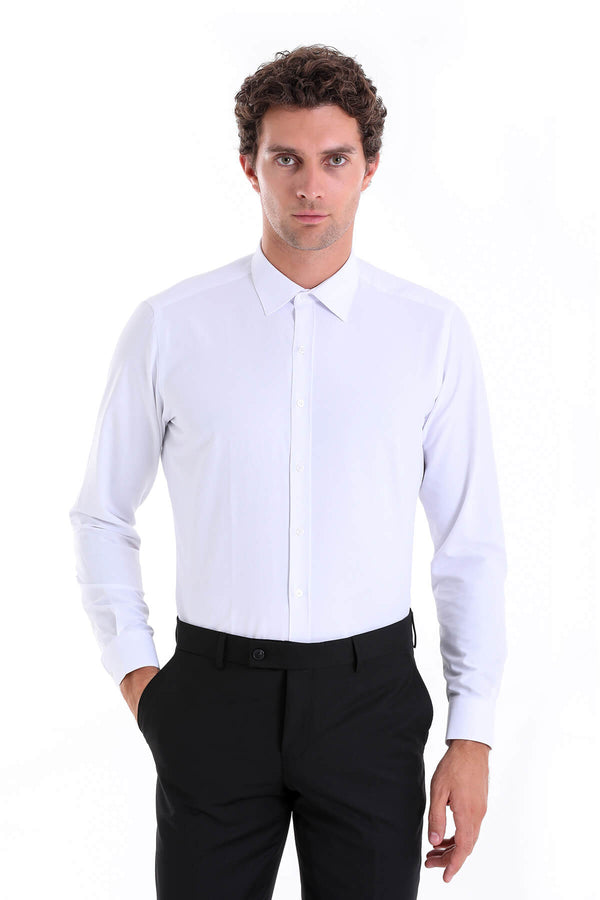
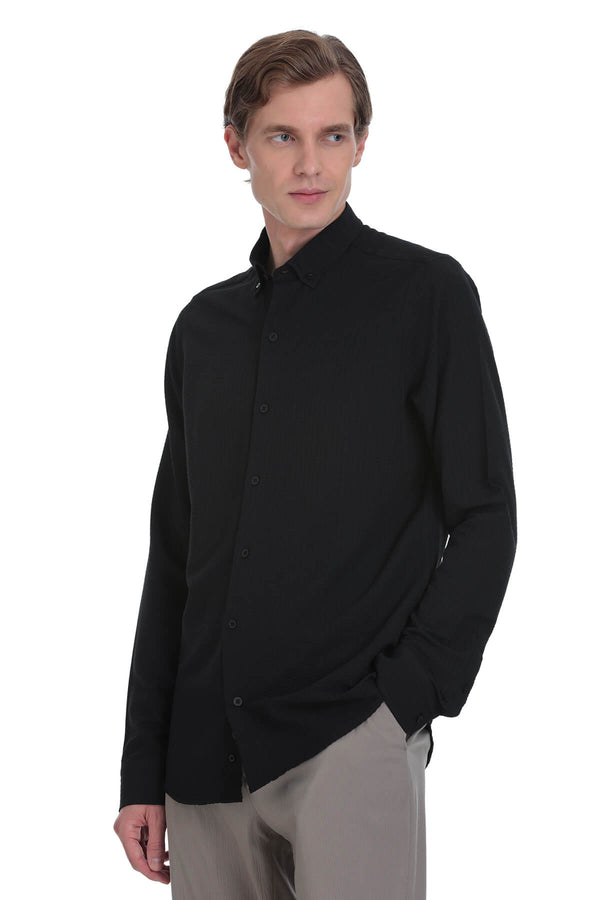
How Do You Make Rolled Up Sleeves Look Good?
Appearance comes down to proportion and maintenance. Get these right and rolled sleeves enhance any outfit. Neglect them and even expensive shirts look cheap.
Start with proper shirt fit. Shoulders should align with your natural shoulder line. The chest should allow comfortable movement without excess fabric. Sleeves should reach your wrist bone when arms hang naturally at your sides. These fundamentals make rolling possible in the first place.
Choose quality fabrics. Premium cotton holds shape better than thin, cheap material. The fabric weight affects how folds sit and whether they stay in place. Invest in shirts made from substantial cloth that resists wrinkles.
Pay attention to arm proportions. Men with very thin arms should avoid the High Roll, which emphasizes rather than flatters slender builds. The Casual Roll adds visual weight without going overboard. Men with muscular arms can pull off any style because fabric has natural structure to work with.
Keep rolled fabric smooth. Lumpy, uneven rolls never look intentional. Take an extra moment to flatten each fold before moving to the next. This small effort dramatically improves the finished appearance.
Consider the complete outfit. Rolled sleeves pair with certain items better than others. They work with unbuttoned collar shirts but clash with formal tie and vest combinations. They complement suits only in the most casual business settings.
Maintain throughout the day. Sleeves naturally loosen with arm movement. Quick adjustments preserve the clean look you created that morning. Letting them slide down to your wrists defeats the purpose entirely.
Match the roll type to the occasion. The Master Roll for dinner with clients shows attention to detail. The Basic Roll for moving furniture demonstrates practical thinking. Using appropriate techniques for different contexts proves you understand menswear nuance.
When Can You Wear Rolled Sleeves With A Tie?
The rolled sleeve and tie combination walks a fine line between confident style and dress code confusion. Getting it right requires understanding when this pairing works and when it falls flat.
The basic principle: keep your jacket on when wearing a tie. Removing your jacket while keeping the tie signals incomplete dressing. You look like someone interrupted mid-change rather than someone making a deliberate style choice.
That said, certain contexts allow exceptions. Creative industries and modern startups sometimes embrace this combination as part of their culture. Advertising agencies, design studios, and tech companies may consider rolled sleeves with a tie perfectly acceptable office wear. Observe your workplace before trying this look.
Wedding receptions and evening parties offer another exception. Once formal photos finish and dancing begins, removing your jacket while keeping the tie shows you're ready to participate rather than stand around looking stiff. Roll the sleeves at this point if heat demands it.
The execution matters tremendously. Use the Casual Roll when wearing a tie. It creates the cleanest appearance with the least bulk around the forearm. The Master Roll's exposed cuff lining can clash with tie patterns. The Basic Roll looks too casual next to neckwear.
Keep the roll modest. Stop at mid-forearm. Going higher creates visual imbalance. The tie adds formality at your chest while rolled sleeves remove it at your arms. Extreme rolling amplifies this contradiction uncomfortably.
Avoid this combination at conservative events. Traditional business meetings, formal interviews, and upscale restaurants expect full sleeve coverage when you're wearing a tie. Breaking this rule marks you as either ignorant of or indifferent to social norms.
Your tie should remain snug at the collar. Loosening it while rolling sleeves sends confused signals. You're trying to relax but not fully committing. Either remove the tie entirely or keep it properly knotted.
Consider skipping the tie instead. Many situations that seem to demand neckwear actually don't. A well-fitted dress shirt with rolled sleeves often looks more put-together than the same shirt with a poorly considered tie and rolled sleeves combination.
Key Takeaways
- Choose rolling methods based on occasion and outfit formality
- Master Roll displays quality shirt construction and contrasting details
- Casual Roll minimizes wrinkles for variable schedules
- Keep both sleeves symmetrical at the same height
- Stop rolling before exposing the outer elbow bone for social settings
- Match accessories to your rolled sleeve formality level
- Maintain rolls throughout the day with quick adjustments
Rolling shirt sleeves properly transforms a practical adjustment into a style statement. The right technique balances comfort with appearance, showing you understand both menswear principles and social context. Practice these methods until they become automatic, then choose based on your environment and schedule.
Quality shirts make rolling easier. Premium fabrics hold folds better and resist wrinkles when you eventually unroll them. Proper fit at the shoulders and chest ensures clean rolling without excess bunching. These fundamentals matter more than any specific technique.
Remember that rolled sleeves communicate casualness. Use them strategically to signal approachability and readiness for work. Avoid them when formality matters most. This simple distinction prevents most rolling-related style mistakes.
Frequently Asked Questions
Only in the right context. The basic rule is to keep your jacket on when wearing a tie, so removing it and rolling your sleeves reads as incomplete dressing in formal settings. Creative workplaces and wedding receptions after the formal photos are the main exceptions. If you do it, use a modest Casual Roll stopped at mid-forearm and keep the tie snug at the collar.
The Master Roll, sometimes called the Italian roll, is the most polished method. You fold the cuff back, then use it to catch and hold the rolled fabric, which keeps everything secure and can show a contrasting cuff lining. The Casual Roll is quicker and creates less bulk, making it the better choice for everyday wear or pairing with a tie.
For most settings, stop just below the elbow at the forearm and avoid exposing the outer elbow bone, which looks too casual. A higher roll works for hot weather or physical tasks but reads as more relaxed. When wearing a tie or in a smarter setting, keep the roll at mid-forearm so the look stays balanced.
Yes, in business casual and smart casual environments. Rolled sleeves on a quality dress shirt read as professional yet approachable when paired with dress pants or chinos and clean shoes. Avoid them at conservative business presentations, formal interviews, traditional weddings, and black-tie events, where buttoned cuffs are expected.
Shirts in substantial fabrics like oxford cloth hold crisp folds better than thin poplin, and lightweight cotton or linen are ideal for hot weather since they breathe when the sleeves are up. Proper fit matters most: shoulders aligned with your natural shoulder line and sleeves reaching the wrist bone let the fabric roll cleanly without bunching.