


12 min read


When shopping for men's suits, one of the first decisions you'll face is choosing between single breasted and double breasted styles. Both have their place in a well-rounded wardrobe, but understanding their differences will help you pick the right jacket for your body type, SAYKI recommends a single breasted suit as your first one, since it flatters the widest range of builds and works almost anywhere, then adding a double breasted style once you want more presence.
This guide breaks down everything you need to know about these two classic suit constructions, from structural differences to styling advice.
Contents
What Are Single Breasted Suits?
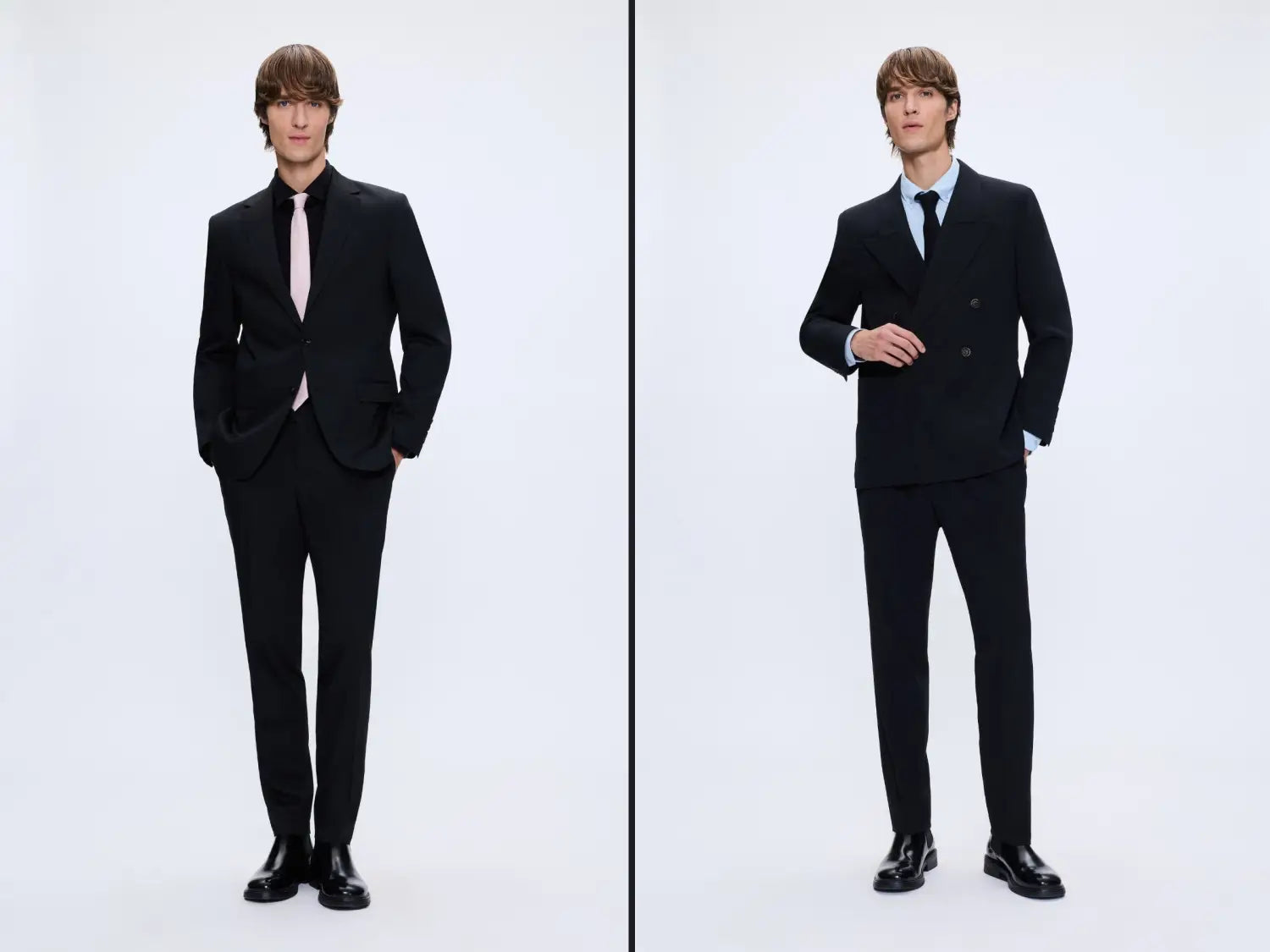
A single breasted suit features a jacket where the front panels meet at the center of the body without overlapping. The closure system is simple: one vertical row of buttons (typically one, two, or three) that fastens directly down the middle.
This streamlined construction has made single breasted jackets the dominant choice in men's fashion for over a century. You'll find them everywhere from corporate boardrooms to weekend brunches, and their clean silhouette works with nearly every body type.
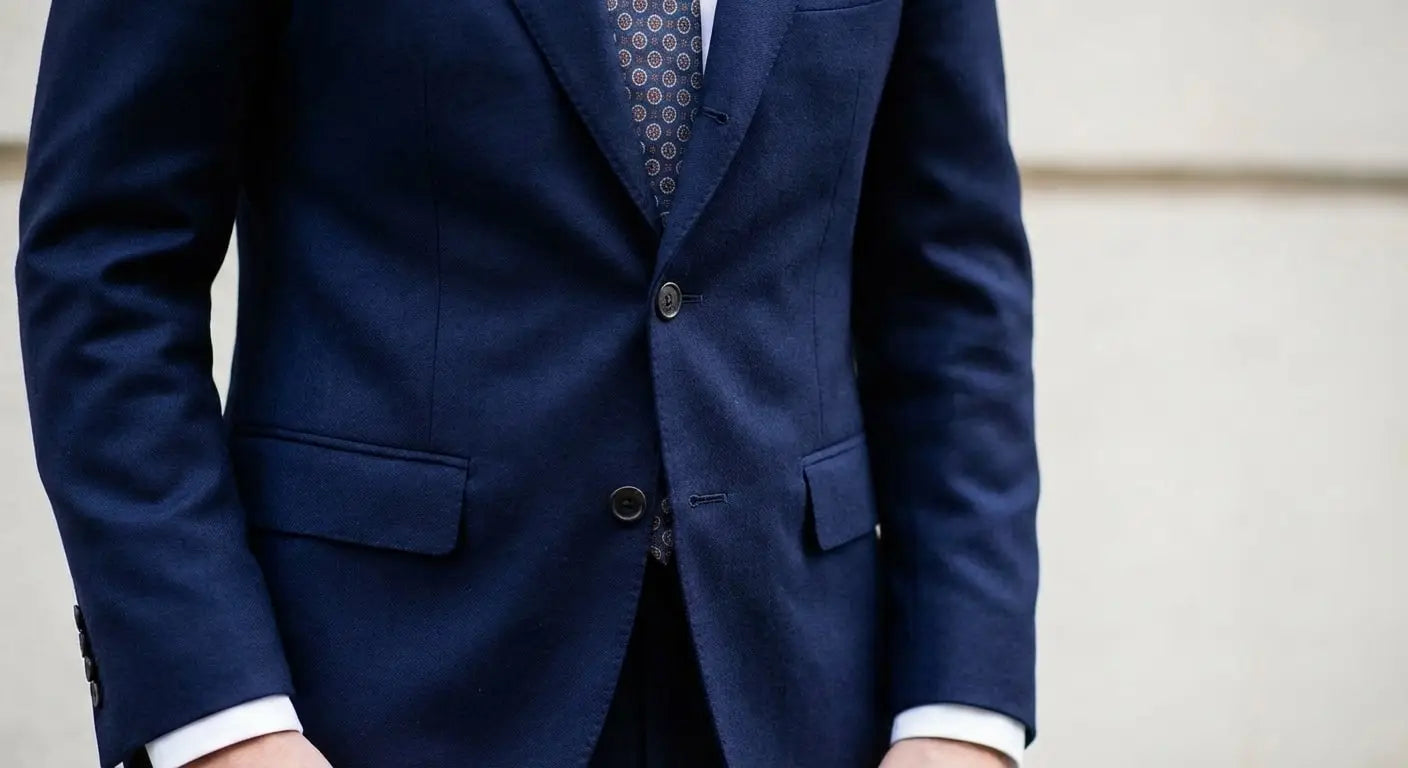
The two-button single breasted jacket is the most common configuration today. It creates a flattering V-shaped opening that lengthens the torso and draws the eye upward. When wearing a two-button jacket, fasten only the top button to maintain natural drape and movement.
What Are Double Breasted Suits?
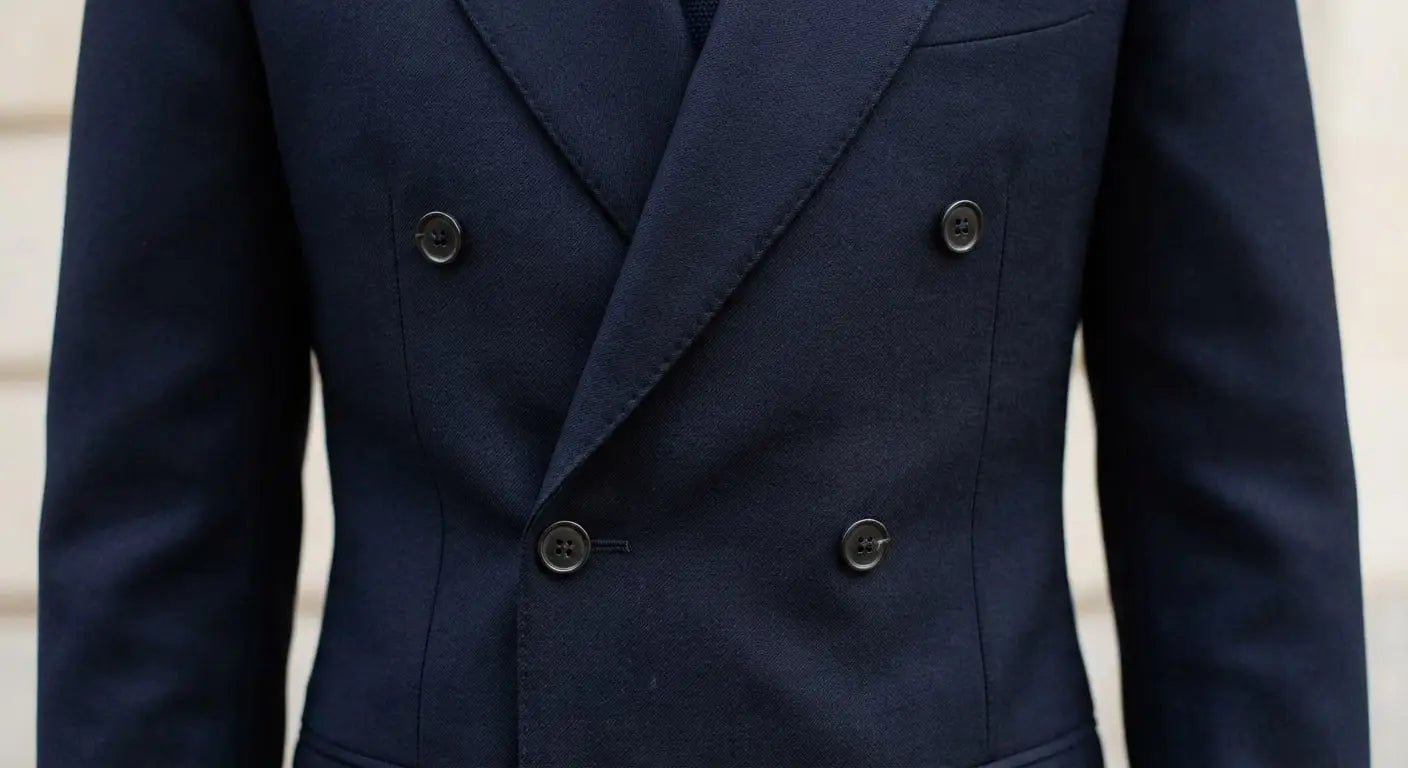
Double breasted suits take a different approach. The jacket features overlapping front panels with two parallel columns of buttons. This construction creates a wider, more substantial front that commands attention.
Traditionally associated with formal occasions and military uniforms, double breasted suits have evolved considerably. Modern versions are cut slimmer and shorter than their 1980s predecessors, making them accessible to a wider range of men.
The most common configurations are 6x2 (six buttons with two functional) and 4x2 (four buttons with two functional). The first number indicates total buttons visible on the front, while the second shows how many actually fasten.
Single Breasted vs. Double Breasted: Key Structural Differences
Understanding how these jackets are built will help you appreciate why each creates such different looks.
| Feature | Single Breasted | Double Breasted |
|---|---|---|
| Front Closure | Panels meet at center | Overlapping panels |
| Button Count | 1, 2, or 3 buttons | 4 or 6 buttons |
| Typical Lapel Style | Notch or peak | Peak (almost always) |
| Jacket Length | Standard | Slightly longer |
| Waist Suppression | Moderate | More pronounced |
| Visual Weight | Lighter, streamlined | Heavier, substantial |
The overlapping fabric on double breasted jackets adds visual weight to the chest and shoulders. Combined with peak lapels that point upward and outward, this construction naturally broadens the upper body. Single breasted jackets create a longer, leaner line with less horizontal emphasis.
Double breasted jackets also tend to be cut narrower through the waist, creating that classic V-shaped silhouette that flatters athletic builds. Single breasted jackets offer a more uniform silhouette from shoulders to hem.
Single Breasted Suits vs. Double Breasted Suits: Which Style Is More Formal?
Double breasted suits carry more inherent formality. Their military heritage and association with power dressing give them gravitas that single breasted suits must work harder to achieve.
However, context matters more than construction. A well-fitted single breasted suit in dark navy wool will always outclass a poorly fitted double breasted suit in casual fabric. The formality equation depends on fabric choice, color, and how the suit is styled.
For black tie events, single breasted tuxedo jackets with one button and peak or shawl lapels remain the standard. Double breasted dinner jackets exist but are considered fashion-forward rather than traditional.
In business settings, both styles work when executed properly. Single breasted suits read as safe and professional, while double breasted suits signal confidence and sartorial awareness.
See also : Black Tie Optional Dress Code for Men: What It Means and How to Style It
How to Choose Suit Based on Occasion
Your calendar should influence your suit selection. Here's how each style performs across different settings:
Daily office wear: Single breasted suits in navy, charcoal, or mid-gray offer maximum versatility. Pair with dress shirts in white or light blue for a polished professional look.
Job interviews: Stick with single breasted. The conservative silhouette keeps focus on your qualifications rather than your wardrobe choices.
Weddings and formal events: Both styles work beautifully. Single breasted suits offer timeless elegance, while double breasted options make a memorable statement. Consider the venue and dress code before deciding.
Business presentations: Double breasted suits can project authority and confidence when you need to command a room. The substantial silhouette draws attention and suggests leadership.
Casual smart events: A double breasted blazer worn as a separate with men's pants in a contrasting color creates visual interest without full-suit formality.

Suit Fit & Body Type Considerations
Your physique plays a significant role in which style will flatter you most.
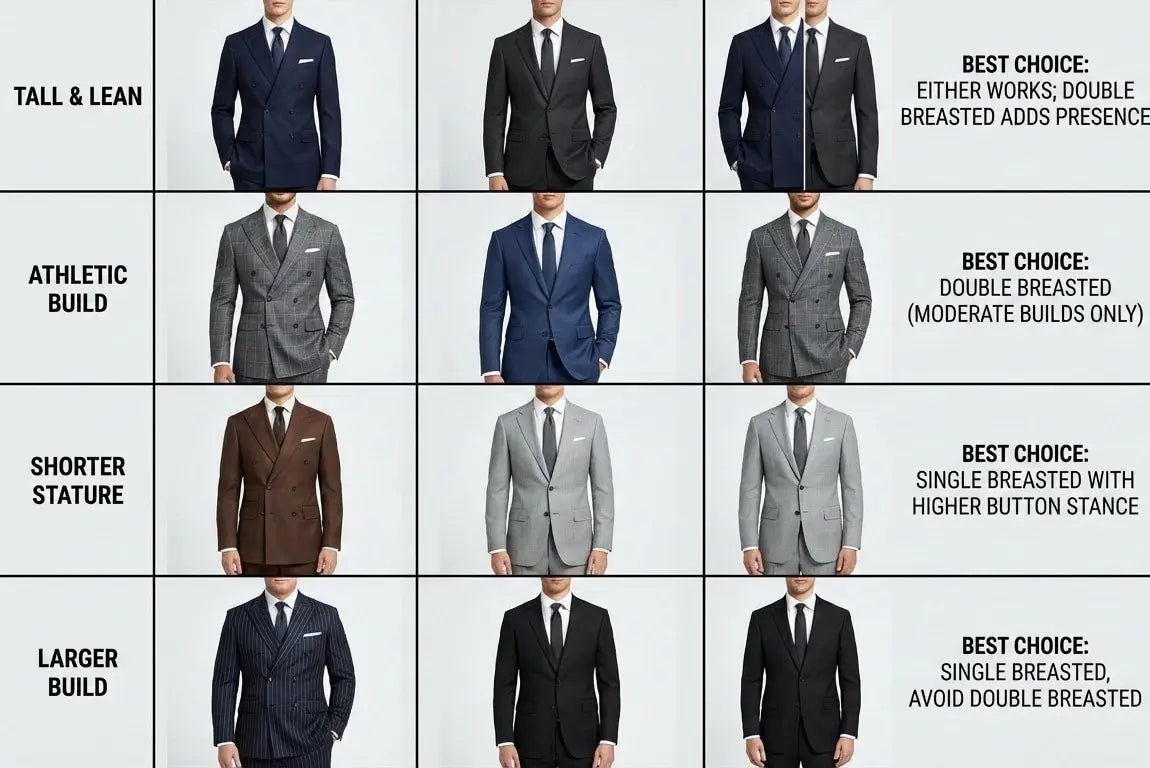
Tall & Lean
Both styles work well. Double breasted adds visual weight that balances height. Single breasted maintains your naturally long lines.
Best choice: Either works; double breasted adds presence
Athletic Build
Double breasted suits shine here. The construction highlights broad shoulders while cinching the waist for a powerful V-shape silhouette.
Best choice: Double breasted (moderate builds only)
Shorter Stature
Single breasted suits create vertical lines that add perceived height. Avoid double breasted styles that can overwhelm smaller frames.
Best choice: Single breasted with higher button stance
Larger Build
Single breasted jackets with two buttons elongate the torso and create slimming vertical lines. Double breasted adds bulk where you don't want it.
Best choice: Single breasted, avoid double breasted
A critical point about double breasted suits: they're best suited for men with moderately athletic builds. If your shoulders are exceptionally broad (think football player physique), the double breasted construction will exaggerate your upper body proportions and make your lower half appear disproportionately small.
For most men, a well-fitted single breasted suit offers the safest path to looking polished. The construction is forgiving, and proper tailoring can address most fit concerns.
Styling Tips for Single Breasted Suits
Single breasted suits offer tremendous styling flexibility. Here's how to get the most from yours:
With a two-button jacket, only fasten the top button. Fastening both creates tension across the hips and distorts the jacket's natural drape. The bottom button should remain unfastened at all times.
Lapel width should coordinate with your tie and shirts collar proportions. Standard notch lapels pair well with point or semi-spread collar dress shirts. Peak lapels on single breasted jackets add formality and work best with wider spread collars.
Single breasted blazers transition easily between dressed up and casual looks. Wear with dress pants and formal shoes for business, or with dark jeans and loafers for smart casual settings.
For color, navy and charcoal remain the most versatile options. A medium gray offers slightly less formality but excellent daytime wearability. Black single breasted suits should generally be reserved for evening events or funerals.
Styling Tips for Double Breasted Suits
Double breasted suits require more attention to detail but reward the effort with distinguished style.
Unlike single breasted jackets, double breasted jackets traditionally stayed buttoned even when seated. Modern etiquette allows unbuttoning when sitting, but you should always button up when standing. The overlapping closure looks unfinished when left open.
The 6x2 configuration offers the most classic look. The buttons form a visual V that draws the eye upward toward your face. With a 4x2 jacket, fasten only the top button to maintain similar proportions.
Peak lapels are nearly universal on double breasted jackets. This makes them natural partners for formal men's accessories like silk pocket squares and polished cufflinks. The substantial lapels can handle bolder patterns and wider ties without looking overwhelming.
Classic fabrics in navy, charcoal, and black work best for double breasted suits. Adventurous dressers can explore chalk stripes or windowpane patterns, but beginners should stick to solids until comfortable with the style.
When wearing a double breasted jacket as a separate, pair it with contrasting trousers in gray or tan. This approach captures the jacket's commanding presence while reducing overall formality.
Button Configurations & Lapel Choices
The interplay between buttons and lapels significantly affects a suit's character.
Single breasted one-button: Reserved primarily for tuxedos and formal evening wear. The minimal buttoning creates a long, elegant lapel line. Almost always paired with peak or shawl lapels.
Single breasted two-button: The modern standard. Versatile enough for any occasion from funerals to weddings. Works with notch or peak lapels depending on desired formality.
Single breasted three-button: Less common today. Creates a higher gorge point and shorter lapels. Can look dated if not cut properly.
Double breasted 4x2: A contemporary take on the double breasted style. Cleaner and less imposing than the 6x2 configuration. Good entry point for men new to double breasted jackets.
Double breasted 6x2: The traditional configuration with maximum visual impact. The additional buttons create more structure and formality. Best for taller men who can carry the extra detail.
Notch lapels suit most single breasted jackets in business contexts. Peak lapels add authority and work on both single and double breasted styles. Shawl lapels belong exclusively to formalwear.
Button Configuration Quick Reference
Pros & Cons: Single vs Double Breasted
Both suit styles have distinct advantages and limitations. Understanding these will help you build a wardrobe that serves your lifestyle.
What are the pros and cons of double-breasted suits?
Advantages:
Double breasted suits make a powerful first impression. The substantial construction projects confidence and sartorial sophistication that single breasted suits rarely match. The style flatters athletic builds by emphasizing shoulders and minimizing the waist.
The overlapping fabric provides additional warmth, making double breasted suits excellent choices for fall and winter. Peak lapels offer more surface area for interesting textures and patterns.
Because fewer men wear double breasted suits, choosing one sets you apart. In a sea of similar single breasted navy suits, a well-fitted double breasted alternative commands attention.
Disadvantages:
Fit becomes critical with double breasted jackets. Poor tailoring is immediately obvious due to the jacket's structure. You'll need a skilled tailor for alterations.
The style limits body type compatibility. Men who are shorter, heavier, or extremely muscular often find double breasted jackets unflattering. The traditional requirement to keep the jacket buttoned when standing can feel restrictive.
Versatility suffers compared to single breasted options. Double breasted suits read as more formal, limiting casual styling options. They also require more careful consideration of occasion appropriateness.
What are the pros and cons of single-breasted suits?
Advantages:
Single breasted suits work for virtually every man regardless of body type. The simpler construction flatters through clean lines rather than structural manipulation, making them forgiving of minor fit imperfections.
Versatility stands as the single breasted suit's greatest strength. The same jacket can work in a boardroom meeting, at a wedding, or dressed down with jeans. Building a wardrobe around single breasted suits makes practical sense.
Availability and price work in your favor. Every menswear retailer stocks single breasted options extensively, and off-the-rack fits tend to be more consistent. Alterations are simpler and less expensive.
Disadvantages:
Single breasted suits struggle to make strong visual statements. In formal settings where presence matters, they can fade into the background. The style has become so ubiquitous that it rarely inspires second glances.
Athletic builds may find single breasted jackets less flattering. The straight cut doesn't emphasize the V-shaped torso the way double breasted construction does.
For men seeking a distinctive look, single breasted suits require more creativity in fabric, color, and accessory choices to stand out from the crowd.
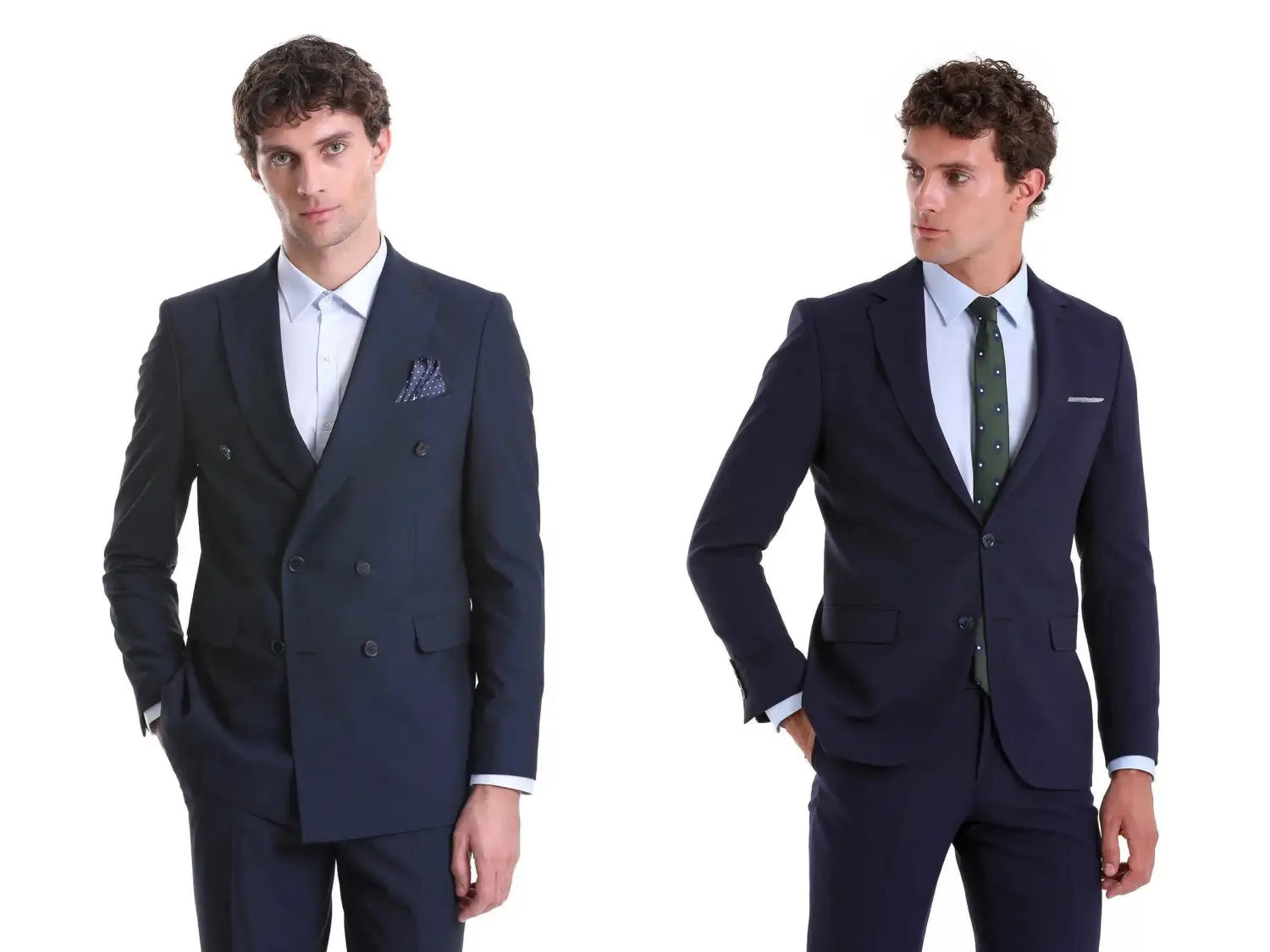
Ultimately, most men benefit from owning both styles. Start with versatile single breasted suits that cover daily needs, then add a double breasted option once you understand your style preferences and have occasions that warrant its commanding presence.
Frequently Asked Questions
Double breasted suits carry more inherent formality thanks to their military heritage and association with power dressing. That said, context matters more than construction. A well-fitted single breasted suit in dark navy wool outclasses a poorly fitted double breasted one. For black tie, single breasted tuxedo jackets remain the standard, while double breasted dinner jackets read as fashion-forward.
It depends on your build. Double breasted suits suit moderately athletic frames best, since the construction highlights broad shoulders and a defined waist. Shorter men and larger builds are usually better served by single breasted jackets, which create slimming vertical lines and add perceived height. Very broad shoulders can look exaggerated in double breasted construction.
No. On a single breasted two-button jacket, fasten only the top button and leave the bottom one undone, since fastening both creates tension across the hips. Double breasted jackets are different: keep them buttoned when standing, and modern etiquette allows unbuttoning when seated. The overlapping closure looks unfinished when left fully open.
Yes. Double breasted suits have returned firmly to modern menswear and signal confidence and sartorial awareness. The classic 6x2 button configuration with peak lapels is the most timeless look. Beginners should start with solid navy or charcoal before exploring chalk stripes or windowpane patterns, which suit more experienced dressers.
Single breasted is the safer starting point. The construction is forgiving, works across nearly every body type and occasion, and is easy to dress up or down. It reads as professional for interviews and daily office wear. Most men benefit from owning a versatile single breasted suit first, then adding a double breasted option as their wardrobe grows.