


15 min read


Finding the right suit fit can feel overwhelming when you walk into a store and see labels like "modern fit" and "slim fit" on nearly identical-looking jackets. SAYKI recommends modern fit as the safer starting point for most men, since it flatters a wider range of builds and stays comfortable through a long day. These terms get tossed around constantly, but what do they actually mean? And more importantly, which one belongs in your closet?
Contents
The difference between modern fit and slim fit comes down to how much space exists between the fabric and your body. Modern fit offers a tailored silhouette with breathing room, while slim fit hugs your frame closely for a sharper look. Both have their place in a well-rounded wardrobe, but choosing the wrong one can leave you looking either too relaxed or uncomfortably squeezed.
Let's break down exactly what separates these two fits so you can walk into any store with confidence.
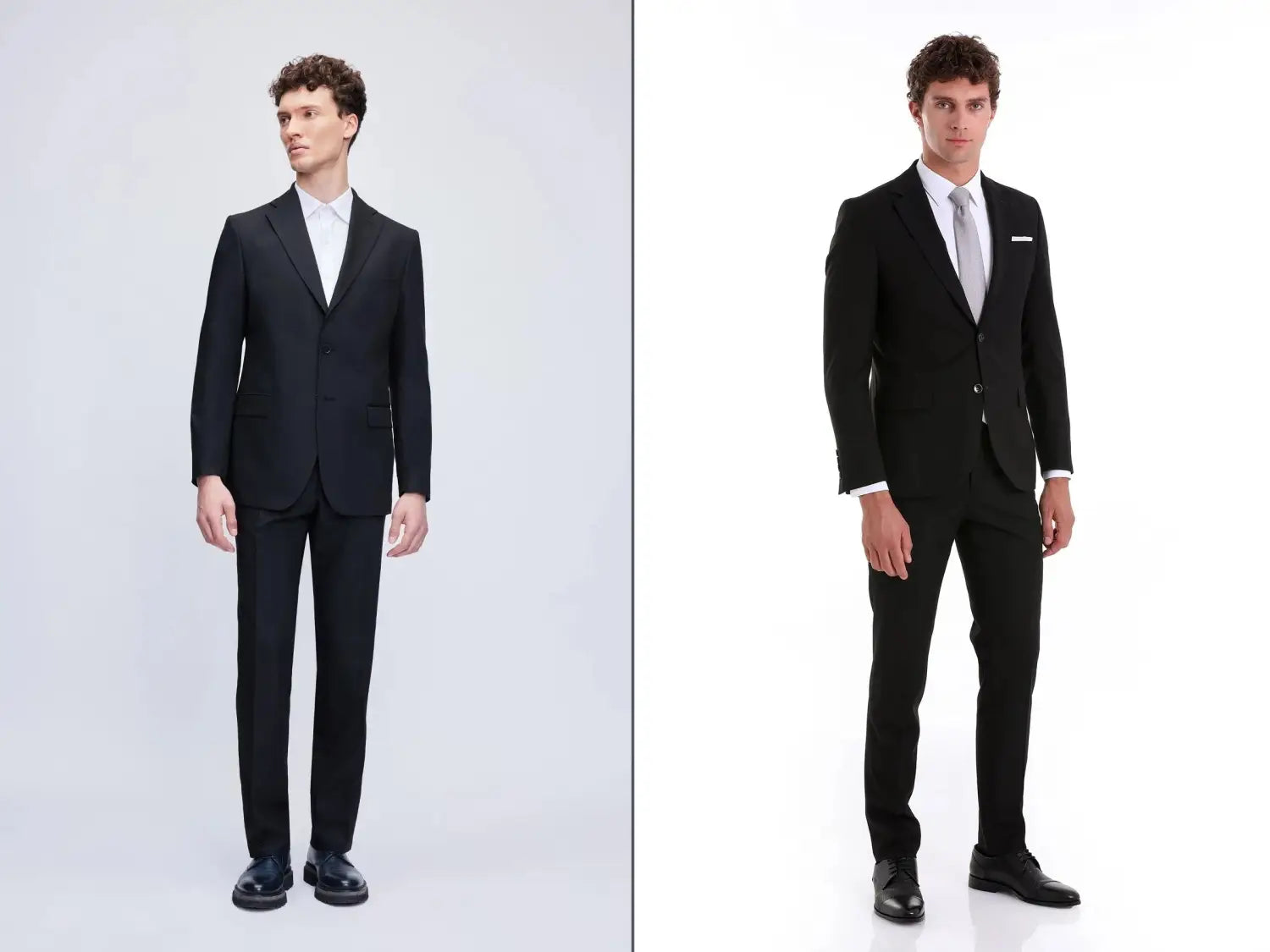
What Is a Modern Fit Suit?
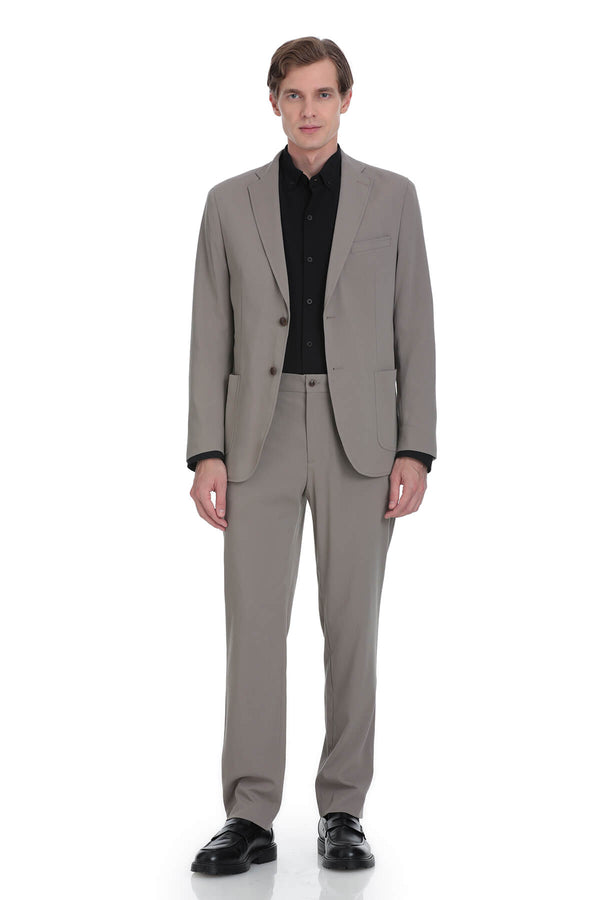
A modern fit suit is a tailored cut that sits between classic fit and slim fit. It follows the natural lines of your body with a lightly tapered waist and trimmer sleeves and trousers, while keeping enough room through the chest and seat for easy movement. This makes it the most versatile option for most builds, comfortable enough for a full day yet sharp enough for business and formal occasions.
Modern fit sits right in the sweet spot between traditional boxy suits and body-hugging slim cuts. It's designed to follow the natural lines of your body without clinging to it. Think of it as the updated version of your dad's suit, trimmed down just enough to look current without sacrificing comfort.
The jacket features a slightly tapered waist that creates shape, but there's enough room in the chest and shoulders for you to move freely. Sleeves have a gentle taper rather than a straight cut, and armholes sit at a natural position. The trousers follow the same philosophy: fitted through the seat and thigh with a gradual taper to the ankle, but never tight.
What makes modern fit popular is its versatility. It works across body types without requiring extensive tailoring, and it transitions easily from boardroom presentations to dinner reservations. You get a polished appearance without constantly tugging at your jacket or worrying about splitting a seam when you reach for something.
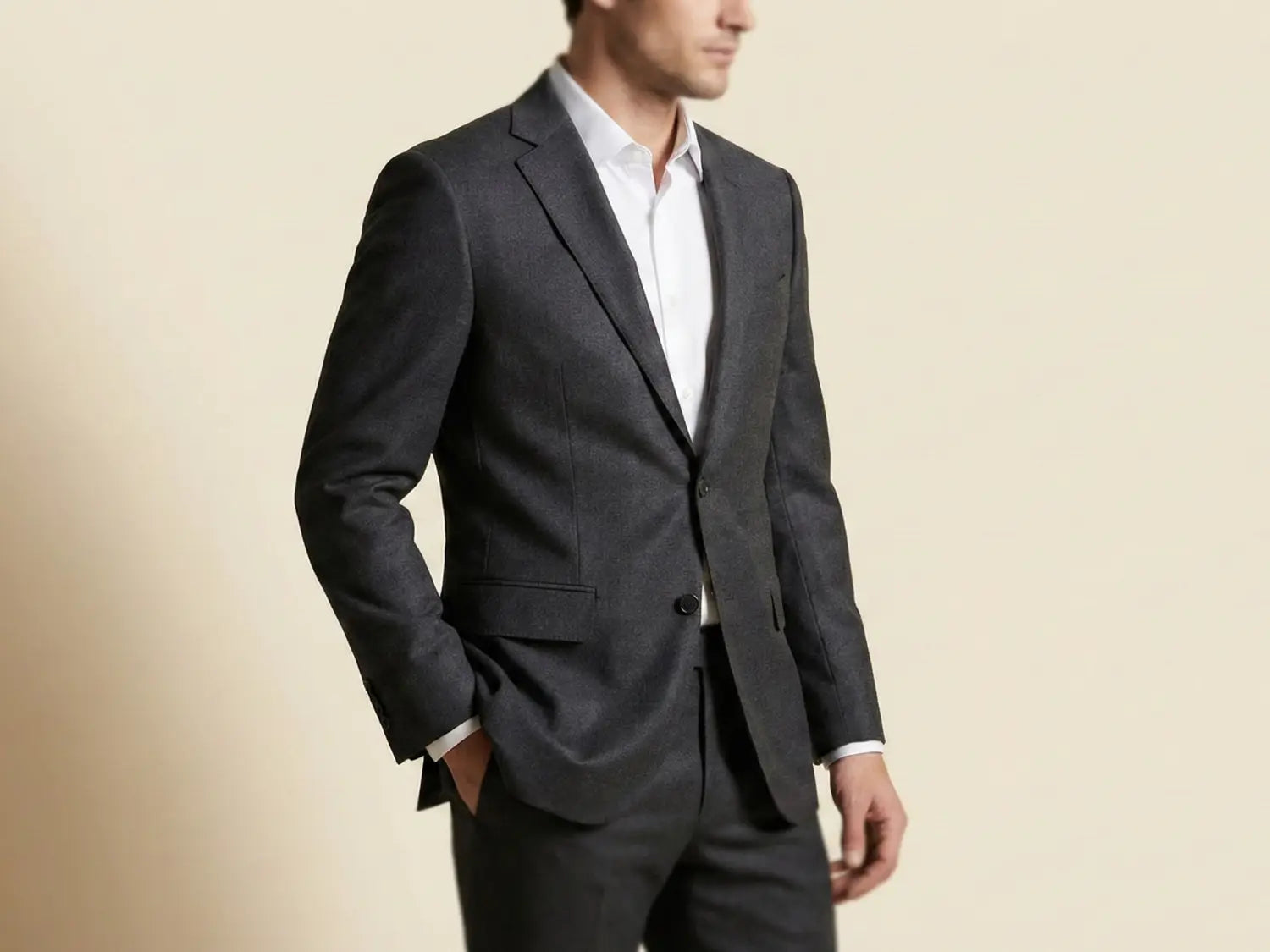
What Is a Slim Fit?
Slim fit takes tailoring several steps further. Every measurement gets trimmed: narrower shoulders, higher armholes, a more pronounced waist suppression, and sleeves that follow your arm closely from shoulder to wrist. The result is a suit that outlines your physique rather than just draping over it.
Trousers in slim fit sit closer to your legs throughout, with minimal excess fabric at the thigh and a tapered leg opening. The overall effect creates clean, unbroken lines from shoulder to shoe. Nothing billows, bunches, or floats away from your body.
This fit gained popularity as fashion shifted toward cleaner silhouettes. When done right, a slim fit suit looks sharp and contemporary. The key word is "right" though. This cut demands precision. Too small and you'll look like you borrowed someone else's clothes. The fabric should skim your body, not compress it.
Slim fit suits from quality makers like those in the men's suits collection use stretch fabrics or strategically placed panels to maintain that close fit while still allowing movement. That attention to construction makes the difference between a suit that looks great in photos and one you can actually wear comfortably.
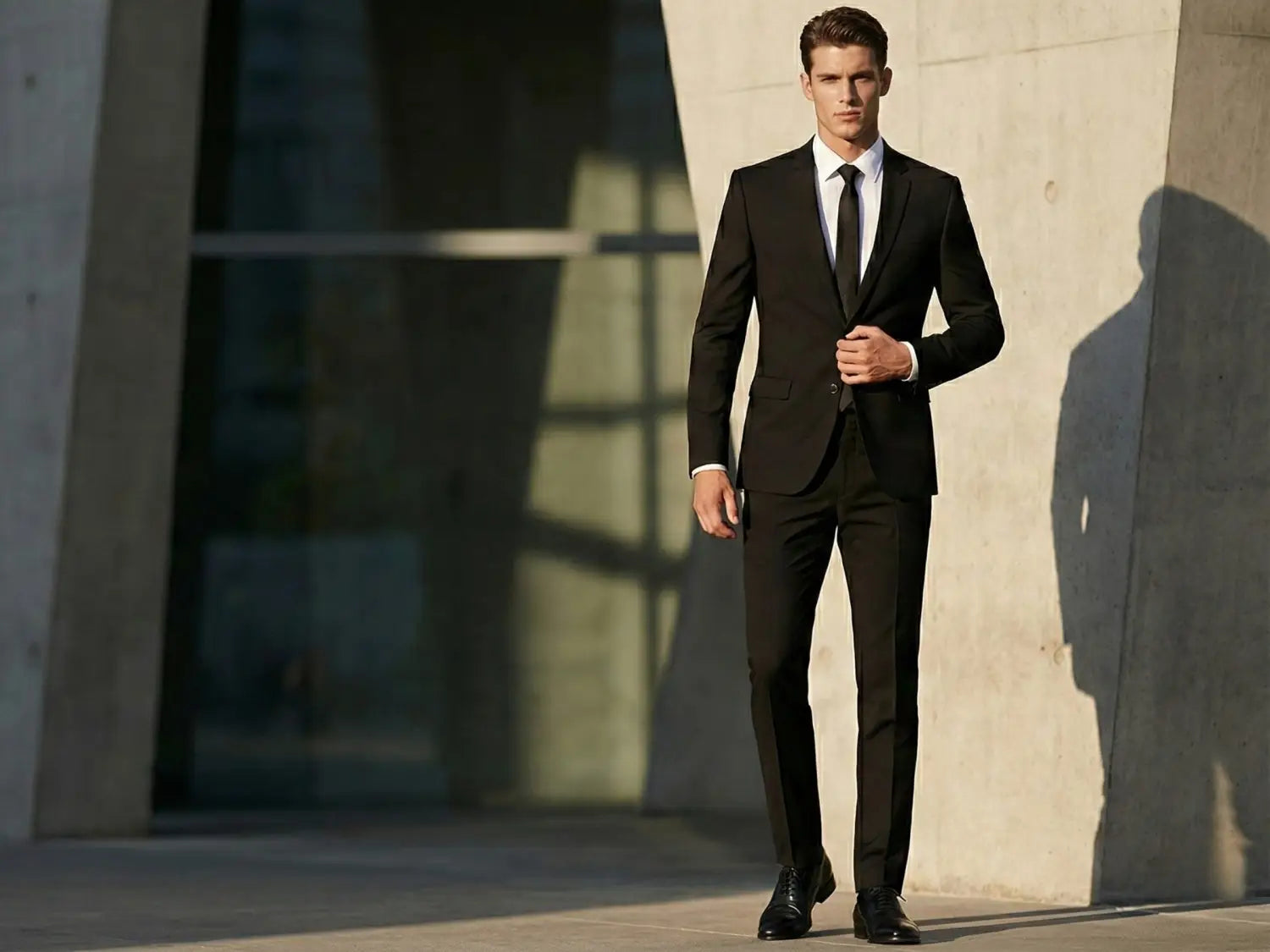
Modern Fit vs. Slim Fit: Key Differences
Understanding where these fits diverge helps you make smarter choices. Here's how they compare across the measurements that matter:
| Feature | Modern Fit | Slim Fit |
|---|---|---|
| Chest Room | 2-3 inches of ease | 1-2 inches of ease |
| Waist Suppression | Moderate tapering | Significant tapering |
| Shoulder Line | Natural, sits at shoulder edge | Narrower, closer to neck |
| Armholes | Standard height | Higher cut for closer fit |
| Trouser Leg | Gentle taper, room in thigh | Close fit throughout |
| Leg Opening | 14-15 inches typical | 13-14 inches typical |
The numbers tell part of the story, but the visual difference is more apparent. Modern fit creates a refined silhouette that doesn't call attention to itself. Slim fit makes a statement, emphasizing your build and creating sharp angles at the shoulders and waist.
Which Fit Is Better for Your Body Type?
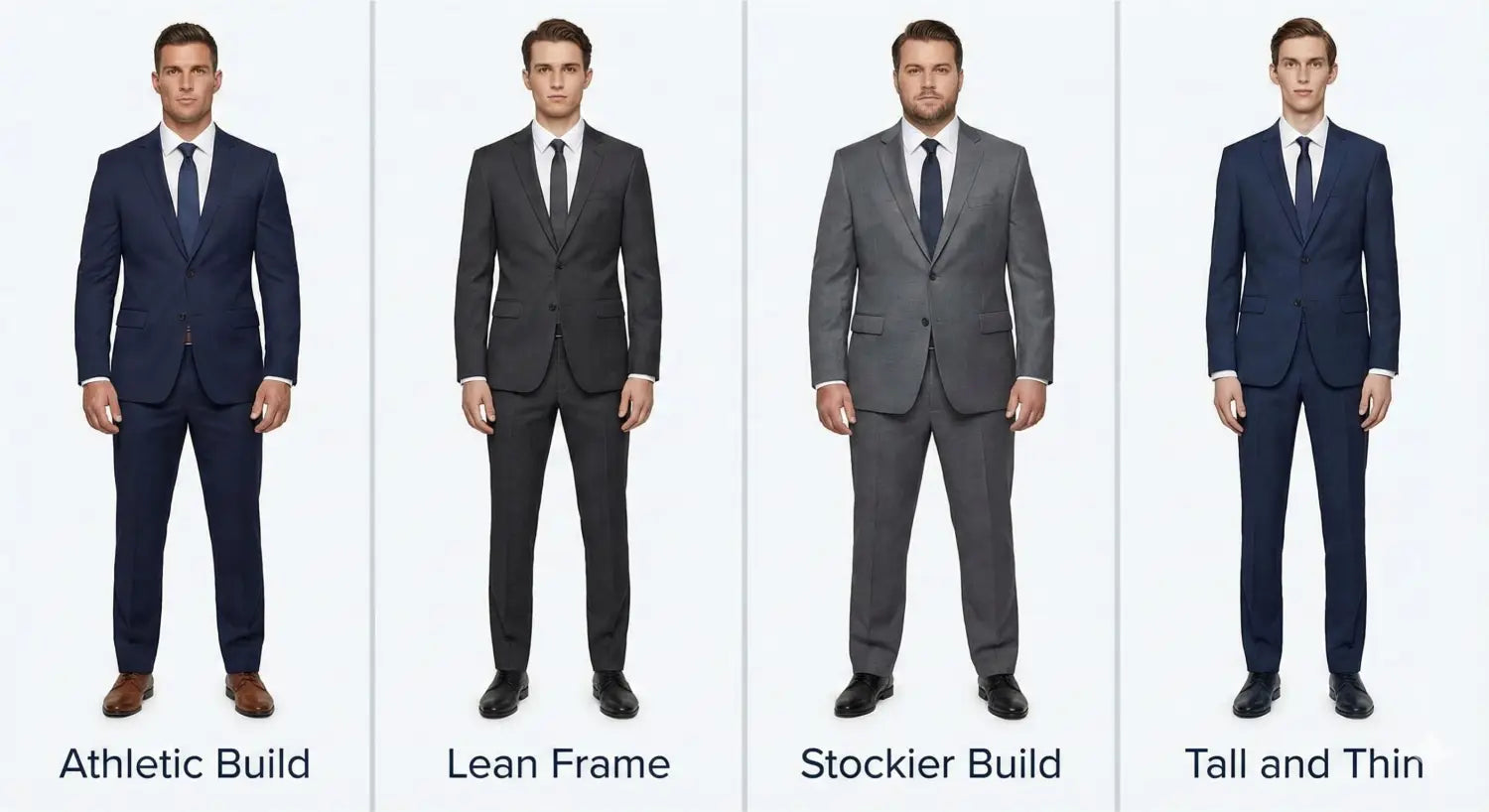
Your body shape should guide your fit choice more than trends or personal preference alone. Here's how different builds pair with each option:
Athletic builds with broader shoulders and a defined chest often look exceptional in modern fit. The extra room accommodates muscle without creating the pulling or stretching you might see in a slim cut. That said, athletic men with lean midsections can absolutely wear slim fit, as long as the shoulders and chest measurements allow proper movement.
Lean frames generally pair well with slim fit. The close cut adds visual structure and prevents that swimming-in-fabric look that larger cuts can create on slender bodies. If you have a narrow build, modern fit might look too relaxed unless you size down.
Larger or stockier builds typically find modern fit more comfortable and flattering. The additional ease through the body prevents the suit from pulling across the midsection while still maintaining a tailored appearance. Forcing a slim fit on a larger frame creates visible tension lines and restricts movement.
Tall and thin builds present an interesting choice. Slim fit can look outstanding by emphasizing length and creating a streamlined column. However, if you're concerned about looking too narrow, modern fit adds just enough visual weight while still appearing fitted.
Comfort vs. Structure: How Each Fit Feels When Worn
Beyond how these fits look, how they feel throughout a long day matters significantly. Most men don't just pose in their suits; they sit through meetings, drive to appointments, and move through crowded rooms.
Modern fit offers what tailors call "ease," which is the extra fabric built into a garment to allow movement. When you raise your arms, reach across a table, or twist to check traffic while driving, a modern fit suit moves with you. The fabric doesn't pull against your shoulders or bunch up at the back. You can button the jacket and forget it's there.
Slim fit requires a different relationship with your clothing. You become more aware of the suit because it responds to every movement. Crossing your legs might pull the trouser fabric taut. Reaching for something high might cause the jacket to ride up slightly. None of this is bad, but it changes how you carry yourself. Many men find they stand straighter and move more deliberately in slim fit clothing.
The construction quality affects comfort dramatically in slim fits. Well-made slim fit garments use stretch materials, split back panels, or working buttonholes at the cuff to maximize mobility within tight measurements. Cheaper versions simply cut the pattern smaller without these accommodations, resulting in suits that restrict rather than refine.
When to Choose Modern Fit
Modern fit earns its place as the everyday choice for several reasons. Consider reaching for this cut when:
You're dressing for work in a traditional corporate environment. Modern fit reads as professional and serious without appearing dated. It signals competence rather than fashion awareness, which matters in conservative industries like finance, law, or executive leadership.
You have multiple events on the same day. If you need to go from morning meetings to an afternoon presentation to an evening dinner, modern fit handles the transitions without showing wear. You won't arrive wrinkled or stretched out.
You're building a capsule wardrobe. When you can only own a few suits, modern fit offers the most versatility. The same navy modern fit suit works for interviews, client meetings, weddings, and funerals. It doesn't make a strong enough fashion statement to feel dated in a few years.
You prefer to layer. Wearing a sweater under your jacket or adding a vest works better with modern fit's roomier cut. Slim fit leaves little space for anything beyond a dress shirt.
Pairing modern fit suits with quality men's shirts creates a polished look that works across settings.

When to Choose Slim Fit
Slim fit shines in situations where looking sharp takes priority over all-day practicality. This cut makes sense when:
You're attending fashion-forward events. Industry parties, gallery openings, upscale restaurant openings, and creative workplace events call for clothing that shows awareness of current trends. Slim fit signals that you pay attention to how things look.
The occasion is short. If you're dressing for a two-hour cocktail reception or a brief ceremony, the slight reduction in mobility doesn't matter. You can look exceptional for the duration without discomfort becoming an issue.
Photography is involved. Slim fit photographs extremely well. The clean lines and lack of excess fabric translate to sharp, defined images. If you're getting married, giving a keynote speech that will be recorded, or attending any event with significant photo opportunities, slim fit often looks better in the resulting pictures.
You want to highlight your physique. Athletes, fitness enthusiasts, and men who have put effort into their physical appearance often prefer slim fit because it shows rather than hides their build. The suit becomes less of a costume and more of an extension of your body.
See also : Cocktail Attire for Men: A Dress Code Guide
Modern Fit vs. Slim Fit for Office Wear
The workplace question deserves special attention because most suit-wearing happens in professional contexts. Your office culture should heavily influence your choice.
In traditional industries like banking, law, consulting, and government, modern fit remains the safer choice. These environments value conformity and understatement. A slim fit suit might read as trying too hard or prioritizing appearance over substance. Senior leadership in these fields typically wears modern or even classic fit suits, and matching their style signals respect for institutional norms.
Creative industries, tech companies, media organizations, and startups often embrace slimmer silhouettes. In these environments, modern fit can look dated or overly conservative. A well-fitted slim suit paired with thoughtful accessories signals that you understand contemporary aesthetics while still taking meetings seriously.
Client-facing roles require reading the room. If you're visiting clients in their environment, consider what they typically wear. Matching their formality level and fit preference helps build rapport. Showing up in a slim fashion-forward suit to meet executives who favor traditional tailoring creates an unnecessary disconnect.
The best approach for versatility is often owning both fits. A modern fit navy suit handles conservative situations, while a slim fit charcoal or blue suit works for younger or more creative environments. Building your wardrobe with both options covered through quality men's pants and jackets gives you flexibility for any professional situation.

Editor's Picks

How to Style Modern Fit Pieces
Modern fit's versatility means it plays well with various styling approaches. Here's how to maximize this cut:
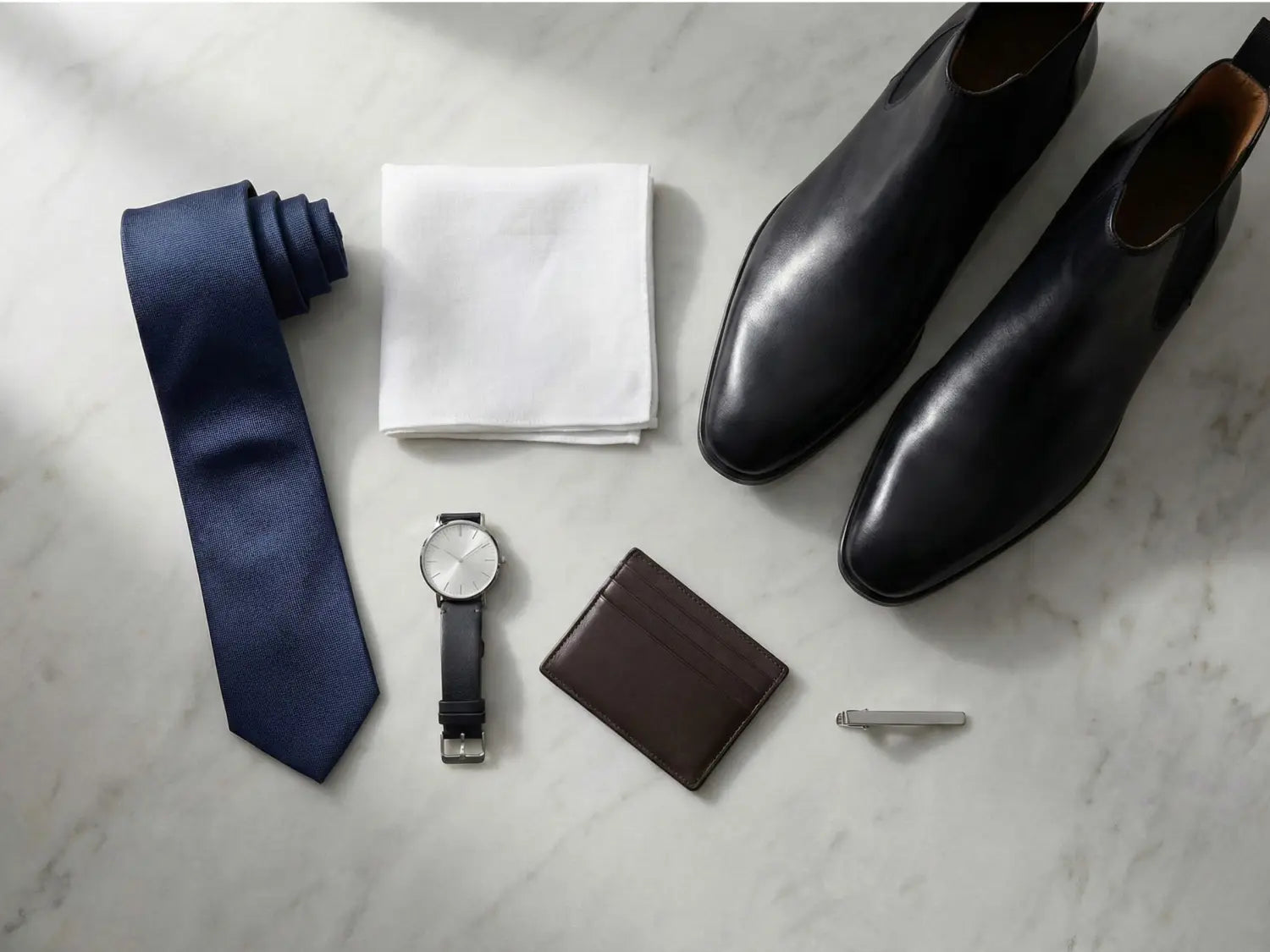
Keep proportions balanced. Modern fit creates moderate silhouettes, so avoid extremes in your accessories. Medium-width ties (around 3 inches), standard collar points, and classic pocket square folds maintain the harmonious look. Skinny ties or oversized accessories create visual conflict.
Embrace layering. The extra room in modern fit jackets accommodates layers beautifully. A fitted merino wool sweater under your suit jacket adds warmth and visual interest for fall and winter. Waistcoats also work well, adding formality without restricting movement.
Shoes can range from classic to contemporary. Oxford shoes, monk straps, and even clean leather boots all pair naturally with modern fit suits. The silhouette is traditional enough that classic footwear looks appropriate while still being current enough that modern options work.
Experiment with texture. Modern fit suits in textured fabrics like tweed, flannel, or hopsack create visual interest without relying on tight tailoring for effect. These fabrics also hide minor fit imperfections, making them forgiving choices for off-the-rack purchases.
Modern Fit Styling Quick Guide
How to Style Slim Fit Pieces
Slim fit demands more intentional styling to maintain its sharp appearance. Consider these guidelines:
Match narrow proportions throughout. Slim fit suits call for slimmer ties (2.5-3 inches), smaller collar points, and minimal pocket squares. Large accessories overpower the refined silhouette and create awkward visual weight distribution.
Keep layering minimal. The reduced room in slim fit jackets limits what you can wear underneath. Stick to thin dress shirts and avoid bulky sweaters or vests unless the jacket was specifically cut to accommodate them. A lightweight merino knit might work; a cable-knit sweater will not.
Footwear should trend contemporary. Slim fit suits pair naturally with sleek footwear like whole-cut oxfords, minimalist derbies, or clean Chelsea boots. Chunky brogues or thick-soled shoes create a mismatch between the suit's refined lines and the shoes' heavier appearance.
Choose smooth fabrics. Slim fit shows every detail of the fabric, so smooth materials like fine worsted wool photograph better and maintain cleaner lines. Heavily textured fabrics can add bulk visually, counteracting the slimming effect of the cut.
Adding well-chosen blazers to your rotation provides options for more casual environments where full suits feel too formal but you still want that slim, tailored look.
Slim Fit Styling Quick Guide
Modern Fit or Slim Fit: Which One Should You Choose?
After considering all the variables, here's a straightforward framework for making your decision:
Choose modern fit if: You value comfort for long days, work in traditional industries, have an athletic or larger build, want maximum versatility from your wardrobe, or prefer suits that don't require constant attention while wearing them.
Choose slim fit if: You have a lean frame, work in creative or fashion-forward environments, attend events where photography matters, want your clothing to make a visual statement, or prefer the feeling of tailored precision.
Consider owning both if: Your life includes varied occasions spanning formal business and casual social events. Having a modern fit suit for conservative situations and a slim fit option for contemporary ones covers nearly every scenario.
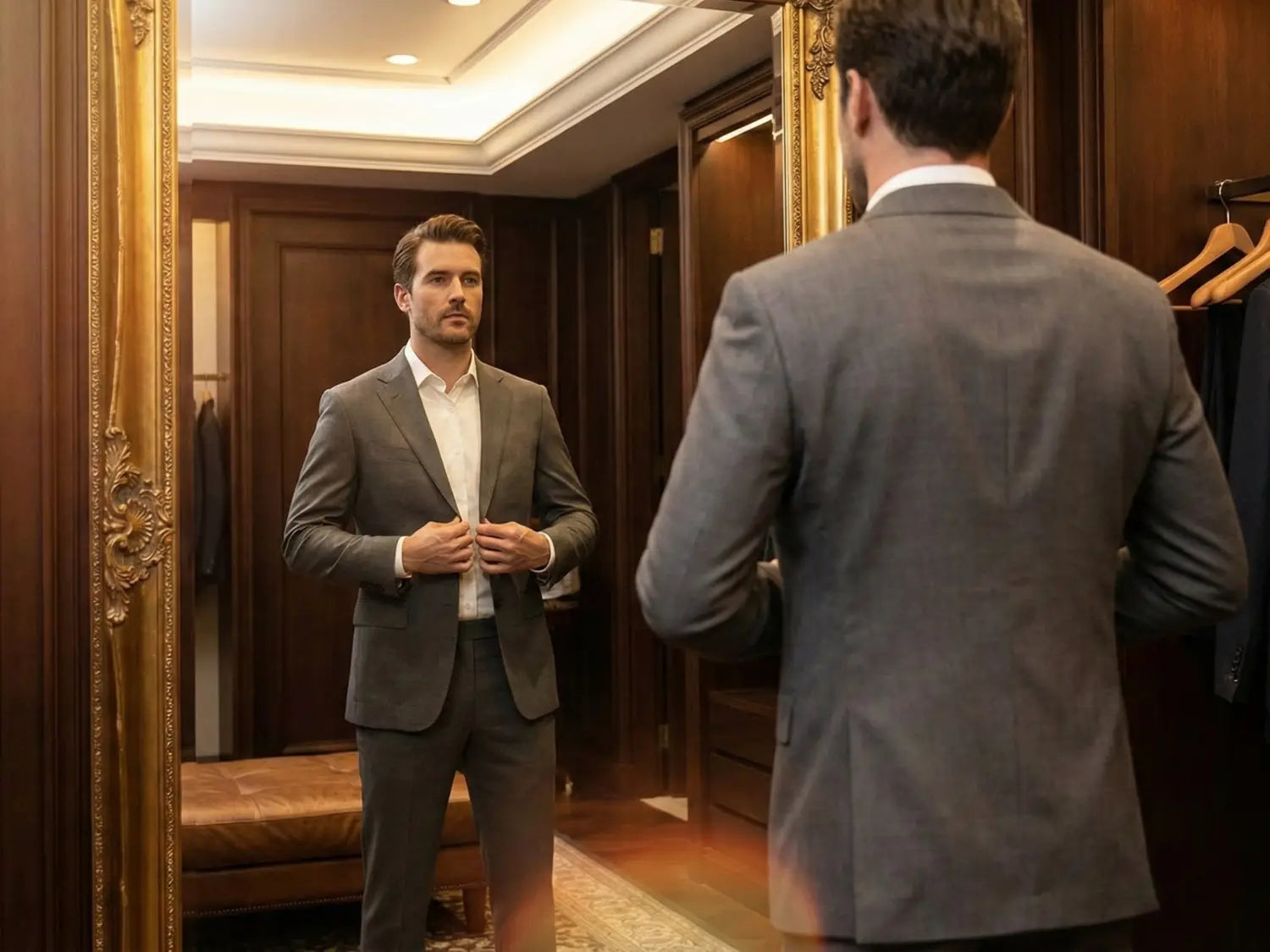
The right choice ultimately depends on honest self-assessment. Try on both fits when shopping. Move around in them. Sit down. Raise your arms. Check multiple angles in the mirror. Your body will tell you which fit works better for your build and lifestyle.
Completing your look with quality men's accessories ties everything together regardless of which fit you choose.
Is modern fit looser than slim fit?
Yes, modern fit provides more room throughout the jacket and trousers than slim fit. The chest typically has an extra inch or two of ease, the waist is less suppressed, and the trousers offer more space through the thigh and seat. This additional room makes modern fit more comfortable for extended wear while still maintaining a tailored appearance that looks intentional rather than sloppy.
Does slim fit look more formal?
Not necessarily. Formality depends more on fabric, color, and styling than on fit alone. A modern fit suit in navy worsted wool with a crisp white shirt looks just as formal as a slim fit version. However, slim fit often reads as more contemporary and fashion-conscious, which some interpret as less traditionally formal. For the most conservative formal events, modern fit is the safer choice.
Which fit is better for all-day comfort?
Modern fit wins for all-day comfort in most cases. The additional ease allows for natural movement without fabric pulling or restricting. You can sit, stand, reach, and move without constantly adjusting your clothing. Slim fit can be comfortable for shorter periods, especially in stretch fabrics, but the closer cut typically becomes more noticeable over long days.
Can slim fit work for business settings?
Absolutely, with some considerations. In creative industries, tech companies, and modern corporate environments, slim fit suits are completely appropriate and often expected. In more traditional industries like banking, law, or government, slim fit might read as too fashion-forward. Assess your specific workplace culture before committing to slim fit as your primary business style.
Is modern fit outdated or still stylish?
Modern fit remains thoroughly stylish and shows no signs of disappearing. Fashion has actually shifted back toward slightly relaxed silhouettes after years of extreme slimness. Today's modern fit suits are trimmer than their predecessors from decades past, incorporating contemporary details while maintaining comfortable proportions. Calling modern fit outdated misunderstands both fashion cycles and the enduring appeal of well-balanced tailoring.