


16 min read


Maybe you just bought your first tuxedo, or you are pulling one from the back of the closet for a wedding invitation that arrived with black tie instructions. You are probably standing in front of a mirror right now, shirt and jacket on, realizing a tuxedo is not a self-contained outfit. It becomes a complete look through the details you add to it. Getting those details right is the difference between looking like you understood the assignment and looking like you forgot to finish getting dressed.
What this guide covers
Assembling the Right Tuxedo Accessories for Your Event
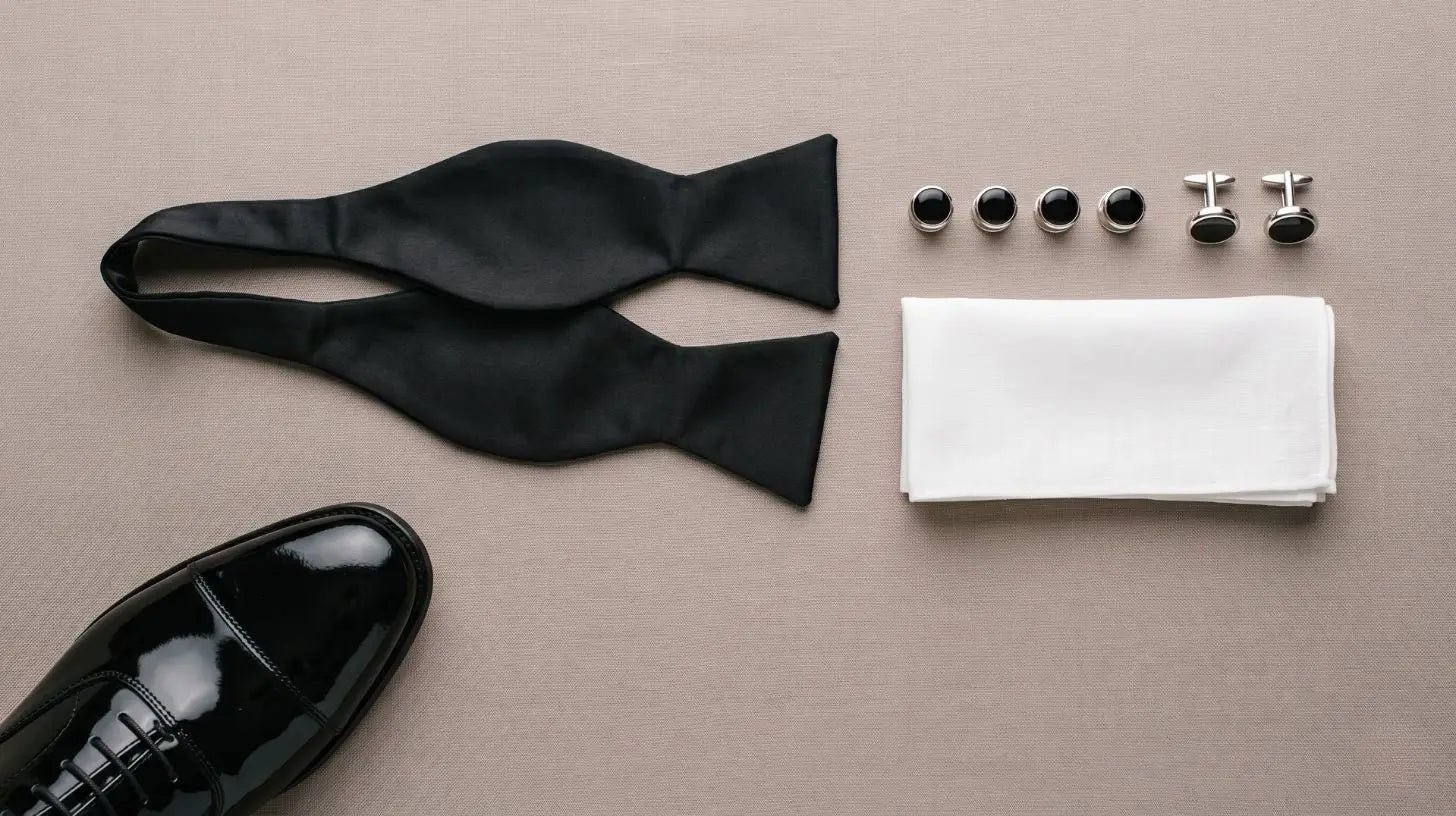
A tuxedo only works as a system. The shirt, the tie, the metal at your wrists and shirt front, the covering at your waist, the shoes, and the small white square in your chest pocket all answer to one another. Here is the short version of what a complete kit includes:
- You need a tuxedo shirt, not a standard dress shirt. The fabric and front bib style are non-negotiable.
- Your bow tie should match your lapel facing. Black satin is the standard, not a random texture.
- Cufflinks and shirt studs replace standard buttons. Make sure your shirt has holes for them.
- Black patent leather shoes anchor the formality. Brown or matte leather breaks the visual line.
- Your waist covering is required, not optional. Choose between a cummerbund or a low-cut waistcoat.
- A white pocket square is a finishing signal. It tells the room you paid attention to every inch.
- Dark over-the-calf socks keep you formal when you sit. A flash of bare leg undoes all the work above it.
If you are shopping for prom, a formal gala, or a wedding where black tie is specified, this guide is built for you. By the end, you will know exactly which pieces you need to walk out the door with the whole outfit ready, nothing missing. The same logic sits at the heart of the Complete Tuxedo Buying Guide for Men, which covers the jacket itself in the same step-by-step way this page covers everything around it.
Why Getting Tuxedo Details Right Changes How You Are Perceived
A tuxedo is one of the few outfits where people notice if even one piece is off. They may not be able to name what is wrong, but they will feel it, and at events where photographs follow you for years, those small gaps have a long shelf life.
- Wearing a business dress shirt instead of a tuxedo shirt. The soft fold-down collar and standard buttons immediately lower the formality. Look instead for a stiff turndown or wing collar and a front marked by pleats, a pique bib, or a plain fly front that accepts studs.
- Choosing a long tie instead of a bow tie. A tuxedo lapel is cut to frame a bow tie, not a four-in-hand. The correct move is a self-tie black silk bow tie that matches your jacket's satin or grosgrain facing.
- Skipping the waist covering. When you button the jacket, the trouser waistband should not show. A cummerbund or formal waistcoat bridges the gap and hides the shirt-trouser seam completely.
- Wearing matte calfskin shoes with a dinner suit. Patent leather or highly polished calfskin reflects the same light as your satin lapels, keeping the outfit visually connected.
- Pulling pants too low and exposing white socks. Invest in black, over-the-calf socks in silk or fine cotton so you never flash skin when crossing your legs.
- Leaving the pocket empty or inserting a colored silk square. A plain white linen or cotton square pressed flat is correct. It does not compete with the boutonniere or anything else.
- Treating the whole outfit as a rental you tolerate. When you own a tuxedo that starts at $199.90, the same cost as many one-night rentals, you can invest in quality accessories that stay with you. Ownership means next time you already have the foundation.
When every accessory works together, you walk into the room feeling like you belong there, not like you borrowed a costume. If you are still weighing the tuxedo against a regular suit for the occasion, Tuxedo vs Suit: How to Decide What to Wear lays out exactly when each one is the right call.
How to Choose Every Tuxedo Accessory, Piece by Piece
It is easy to feel overwhelmed when the checklist seems longer than the suit itself. Working through it in the order you put pieces on your body removes the guesswork.
Step 1: Start with the tuxedo shirt
Choose a shirt specifically labeled as a tuxedo shirt. The front placket hides standard buttons and accepts removable studs. The collar is either a wingtip collar for a very traditional, white-tie-adjacent look or a spread turndown collar for a cleaner modern finish. If you are unsure, a turndown collar in a spread or semi-spread shape is the safer, more current choice. Confirm the fabric is cotton pique or a smooth poplin that breathes through a long evening.
Step 2: Select your studs and cufflinks set
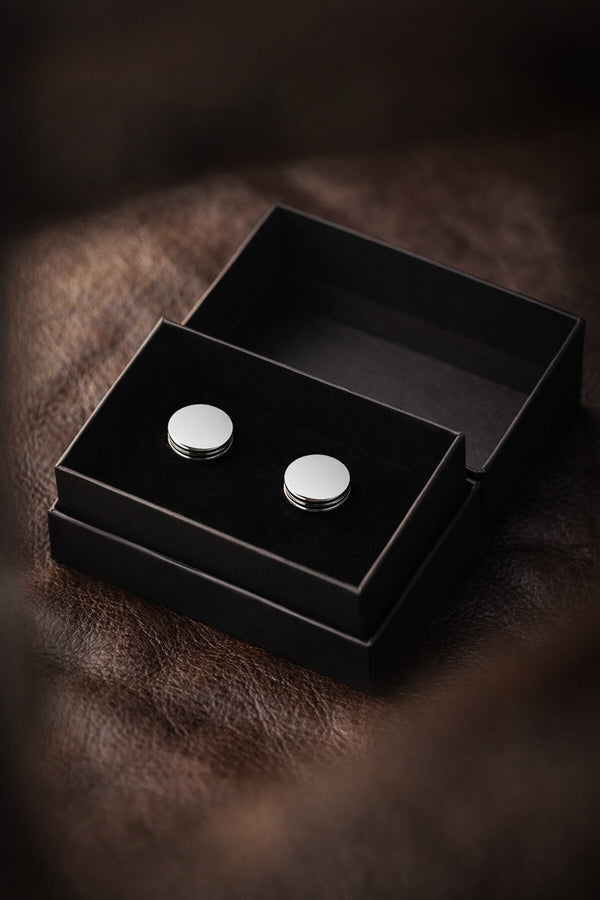
Your shirt front will have four stud holes. Order a set of onyx, mother-of-pearl, or silver-finish studs, and match the cufflinks to the metal tone of your studs. Pick a simple round or square design, nothing novelty, nothing oversized. These show up in every close-up photo of you holding a drink or shaking hands.
Step 3: Pick the bow tie, and make it self-tie
Look at the lapel of your tuxedo jacket. If it has a satin facing, your bow tie should be black satin silk. If it is grosgrain, get a grosgrain bow tie. A self-tie bow tie, even if it takes three tries to learn, sits asymmetrically in a way that signals you tied it yourself, while a pre-tied one reads as a rental accessory. The size should sit within the width of your collar spread, not floating beyond it.
Step 4: Decide on your waist covering
You have two main paths:
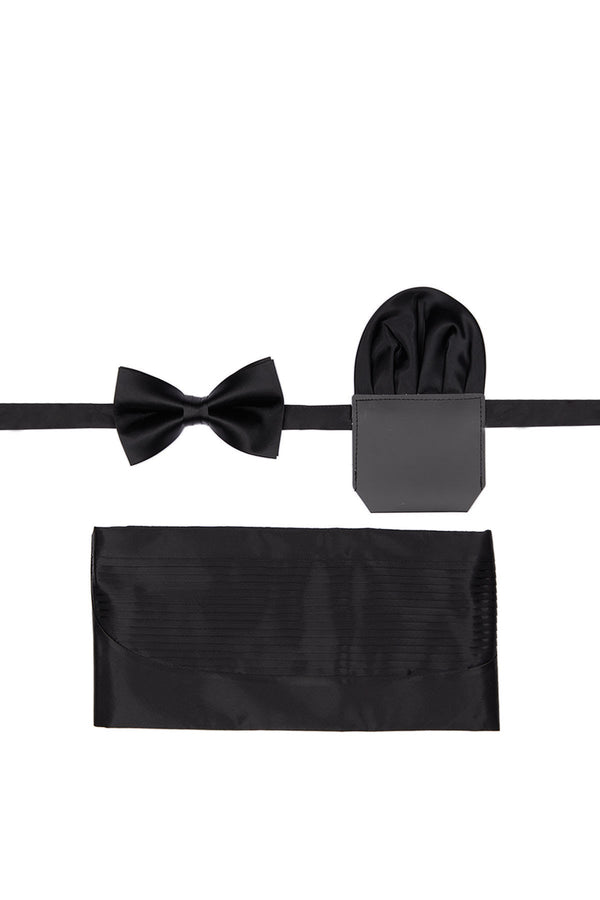
- Cummerbund. A pleated silk band worn with the pleats facing up. It creates a clean wrap and keeps your waistline sharp. Best for single-breasted tuxedos.
- Formal waistcoat. A low-cut vest, often with a shawl-like U-shape front opening. It adds a layer of texture and works beautifully with both single-breasted and double-breasted jackets.
Quick self-check: stand in your full outfit and unbutton your jacket. If you see your shirt below the jacket button, you need a waist covering.
Step 5: Choose black formal shoes
Your only real option is a black patent leather oxford or an opera pump. A highly polished black calfskin oxford can work if you bring the gloss up to near-mirror. The shape should be sleek and round-toe, so avoid square toes or casual derby lacing.
Step 6: Add the pocket square
Use a plain white cotton or linen square. Fold it straight and flat so just a sliver of white shows above the welt pocket. The goal is crisp geometry, not a fluffy puff.
Step 7: Select black over-the-calf socks
Fine-gauge silk or merino-silk blend black socks keep your feet comfortable and your shins hidden. No ribbed athletic socks, no mid-crew lengths.
Step 8: Consider a silk dress scarf for evening
If your event requires any outdoor movement in cool air, an unlined white or ivory silk scarf draped against the coat collar adds a refined layer without disturbing your jacket lapels. It is optional, but it solves a real problem elegantly.
Step 9: Attach your boutonniere correctly
The lapel buttonhole, if present, holds a single flower stem. Push the stem through the buttonhole from the back of the lapel and secure it with the latch thread behind the lapel. Do not pin a flower onto the lapel surface, as that leaves a visible pin hole.
Step 10: Do the final mirror test before you leave
Jacket on, ask yourself: Can I see my sock? Is my waistband visible under the button? Is the bow tie straight and flat? Is there a clean white line across my pocket? Four good answers and you are ready.
Tuxedo shirt with stud front
Turndown or wing collar, pique or poplin, four stud holes.
Studs, cufflinks, self-tie bow
One metal tone throughout; bow tie matches the lapel facing.
Waist covering and white pocket square
Cummerbund or waistcoat, plus a flat-folded linen square.
Patent oxfords and over-the-calf socks
Black, glossy, round-toe shoes with shins fully covered when seated.
With each step checked off, the outfit becomes an extension of you rather than a list of items you worried about.
Editor's Picks
Build the whole look from one place
Own a tuxedo and the accessories that match it by design, starting at $199.90.
Shop TuxedosTuxedo Accessory Mistakes That Stand Out in Every Photo
Most men make these mistakes because nobody handed them a clear plan. It is never about failing taste, it is about not knowing what standard applies to a dress code people wear only a handful of times.
- Wearing a belt with tuxedo trousers cut for side adjusters or braces. Tuxedo trousers are often designed without belt loops. A belt crushes the clean line. Trust the internal side tabs or wear braces buttoned inside the waistband instead.
- Using a pre-tied bow tie with a perfectly straight factory look. It flattens your whole face in photos. A self-tie bow's slight asymmetry adds depth and makes the outfit feel intentional rather than rented.
- Mixing metal tones between studs, cufflinks, and watch. If your studs are silver-toned, your cufflinks and dress watch case should follow. Yellow gold mixed with rhodium creates a distracting shimmer in photographs.
- Wearing a visible t-shirt under a tuxedo shirt. The fabric is finer than a typical dress shirt. Choose a deep V-neck undershirt close to your skin tone so no crew neckline peeks above the collar.
- Selecting a wing collar shirt without the correct stud front. Some rental wing collar shirts close with snaps that leave a visible gap. Check that yours closes with studs, not hidden velcro that curves outward when you sit.
- Carrying your phone and keys in jacket pockets. A dinner jacket is cut close to the body, and bulging hip pockets ruin the drape. Keep cards in an interior chest pocket or a slim case.
- Wearing a watch that is too large or sporty. A thin dress watch on a black leather strap, or no watch at all, respects the formality. A dive watch with a metal bracelet distracts and catches on your cuff.
- Ignoring boutonniere placement. The wrong lapel or a loose hang makes the jacket look lopsided. Always secure it at the top left lapel buttonhole.
When you know what to avoid, the process stops being stressful and starts being a quiet ritual of putting yourself together well.
How to Care for Tuxedo Accessories Between Events
These pieces are not one-use items. You want them waiting in your closet, ready for the next black tie occasion, looking just as sharp as the first night.
- Untie your bow tie and store it flat. Never leave it tied and crushed in a drawer. Roll it loosely around a small piece of acid-free tissue and keep it in a divider where heavier items will not press it.
- Wipe cufflinks and studs after wear. Skin oils and trace cologne tarnish metal over time. A quick pass with a dry microfiber cloth returns them to their original finish before you put them away.
- Use shoe trees in your patent oxfords. Unlined cedar trees absorb moisture and hold the toe box. Patent leather can crease permanently without them, so insert trees the moment you take the shoes off.
- Fold the cummerbund with pleats protected. Lay it flat, place tissue over the pleats, fold once horizontally, and store in a breathable pouch. Never hang it, as that stretches the elastic.
- Hand-wash the pocket square and press it flat. A basin of cool water with a drop of gentle detergent lifts droplets and handling marks. Press while damp on low with no starch, since starch yellows white squares over time.
- Store your formal waistcoat on a shaped hanger. Button the top button and hang it in a breathable garment bag to keep the V-shape and stop the lapel folding back at the shoulder.
- Check your studs for tightness before each wear. The tiny screw or spring on the back can loosen in storage. A five-second twist per stud keeps one from dropping onto a venue bathroom floor.
A small set of habits after midnight means your next invitation only asks you to show up, not to replace half your kit. The same care-first mindset extends to formal outerwear, which Wedding Suit vs Tuxedo: Which One to Wear and Own ties back to the bigger question of what you actually keep versus rent for a wedding.
Filling the Gaps in Your Tuxedo Kit with SAYKI
You should not have to hunt through six different shops to assemble one outfit. When a tuxedo and its accessories come from one source, the colors, fabrics, and formality level match by design, not by luck.
SAYKI has been building wardrobes for over 100 years. The company traces its roots to 1924, and the flagship store at 375 Madison Avenue in New York City has served menswear customers since 2016. Across nine stores in New York, New Jersey, Illinois, Maryland, Massachusetts, Virginia, and Pennsylvania, the approach is the same: pieces that work together at prices that make ownership a smarter decision than renting. Tuxedos start at $199.90, the same range as a single-use rental, and that up-front cost means you can redirect what you save toward quality accessories that last across dozens of events.
The tuxedo fit options, Slim Fit, Regular Fit, Dynamic Fit, and Comfort Fit, give you control over how the jacket and trousers sit on your frame before you add the bow tie and studs. In-store teams at locations including 1 Garden State Plaza in Paramus, New Jersey, or 1100 S Hayes Street in Arlington, Virginia, walk you through every layer, from the shirt to the shoes, so you do not leave with a tuxedo that fits but accessories that do not. You can find your nearest location through the SAYKI store locator.
Frequently asked questions
How do I dress for a black tie event as a man?
Start with a black or midnight blue tuxedo jacket with satin or grosgrain lapel facings. Pair it with a tuxedo shirt that accepts studs, a self-tie black bow tie, a cummerbund or formal waistcoat, black patent leather oxfords, and a white pocket square. The outfit's power comes from the consistency of the details, not from adding color. If the dress code says black tie, your safest move is to follow the traditional formula exactly.
Should I wear a tuxedo or a suit to prom?
If your prom dress code calls for formal or black tie, a tuxedo is the correct choice. A dark suit can work for a semi-formal prom, but a tuxedo separates the evening from a regular school-day or interview look. The satin lapels, covered buttons, and trouser stripe signal a celebration, not a meeting. With tuxedos starting at $199.90, you can own the look for what most classmates pay to rent.
Is it worth buying a tuxedo instead of renting one?
Yes, if you will wear it more than once within two years, such as proms, formal weddings, charity galas, or milestone dinners. Renting often costs $150 to $250 for a single night, with fit limited to alteration shortcuts. Buying at a comparable price, tailored to your body, means every later wear is free and the fit is yours alone. The cufflinks, studs, and shoes you buy alongside become a personal kit you never queue up for again.
What is the difference between a dinner jacket and a tuxedo?
A dinner jacket is a tuxedo jacket, often worn in a slightly more creative context. Traditionally it is ivory or white for warmer-weather black tie, while the black tuxedo jacket remains the stricter evening standard. The core construction, satin peaked lapel or shawl collar, no vents or side vents, covered buttons, applies to both. Wear a black dinner jacket to a winter gala and an ivory one to a summer evening wedding, keeping every other accessory identical.
What dress shirt colors work best with a tuxedo?
White is the only correct shirt color for a tuxedo. The fabric should be crisp cotton with a bib front or pique texture, designed to accept studs. Off-white or ivory reads as a mistake under artificial evening light, and subtle pattern creates noise in flash photography. The goal is a clean canvas that lets the black jacket and bow tie create the frame, and white does that with absolute certainty.
How do I store a tuxedo and its accessories properly to keep their shape?
Use a broad, contoured wooden hanger for the jacket to support the shoulder line, and hang the trousers from the hem with clip hangers or the internal waist tabs. Keep the tuxedo in a breathable garment bag, not a plastic dry-cleaning bag that traps moisture. Accessories live best in a shallow drawer with dividers: bow tie rolled, studs in a soft pouch, shoes on cedar trees, and cummerbund flat. This protects the investment and makes the next occasion a matter of pulling pieces, not searching for them.
Does SAYKI have a store in New York?
Yes. The New York City store is at 375 Madison Avenue, New York, NY 10017. It is open Monday through Friday from 10 AM to 8 PM, Saturday from 11 AM to 7 PM, and Sunday from 11 AM to 6 PM. You can try on tuxedos, confirm your fit, and walk through the full accessory selection in one visit. The phone number is +1 212-661-7600 if you want to confirm availability before heading in.